
Direct answer: ECOOSUN supplies custom furnace rolls for industrial heat-treatment applications. The existing roll photographs show body and shaft configurations; the new machine-shop images add general machining context. They are not runout or balancing results. Roll geometry, journals, supports, loading and acceptance criteria must be defined against the approved drawing and order-specific records.
ECOOSUN is the overseas operating brand of Xinghua Hengxin Machinery Co., Ltd., a heat-resistant steel casting manufacturer established in June 2005 in Xinghua, Jiangsu, China.
This evidence set was prepared from photographs and design references supplied and authorized by ECOOSUN. It distinguishes visible features from characteristics that require a drawing or inspection record.
Roll body and shaft product context
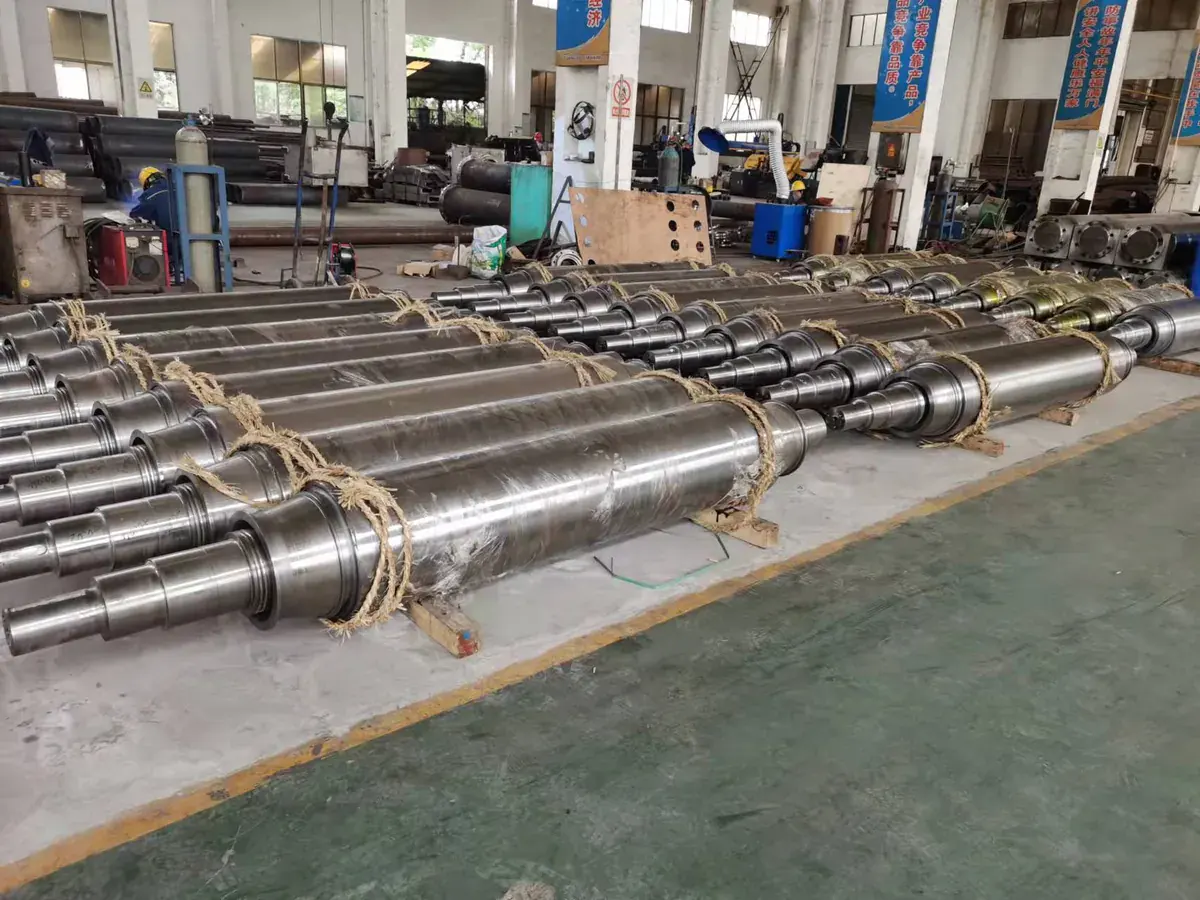
A complete roll specification includes the body, journals, shaft ends, drive interface and support span. Confirm which surface establishes the datum for runout and where measurements are taken. Two visually similar rolls may have different installation and acceptance requirements.
Machining equipment with an operator
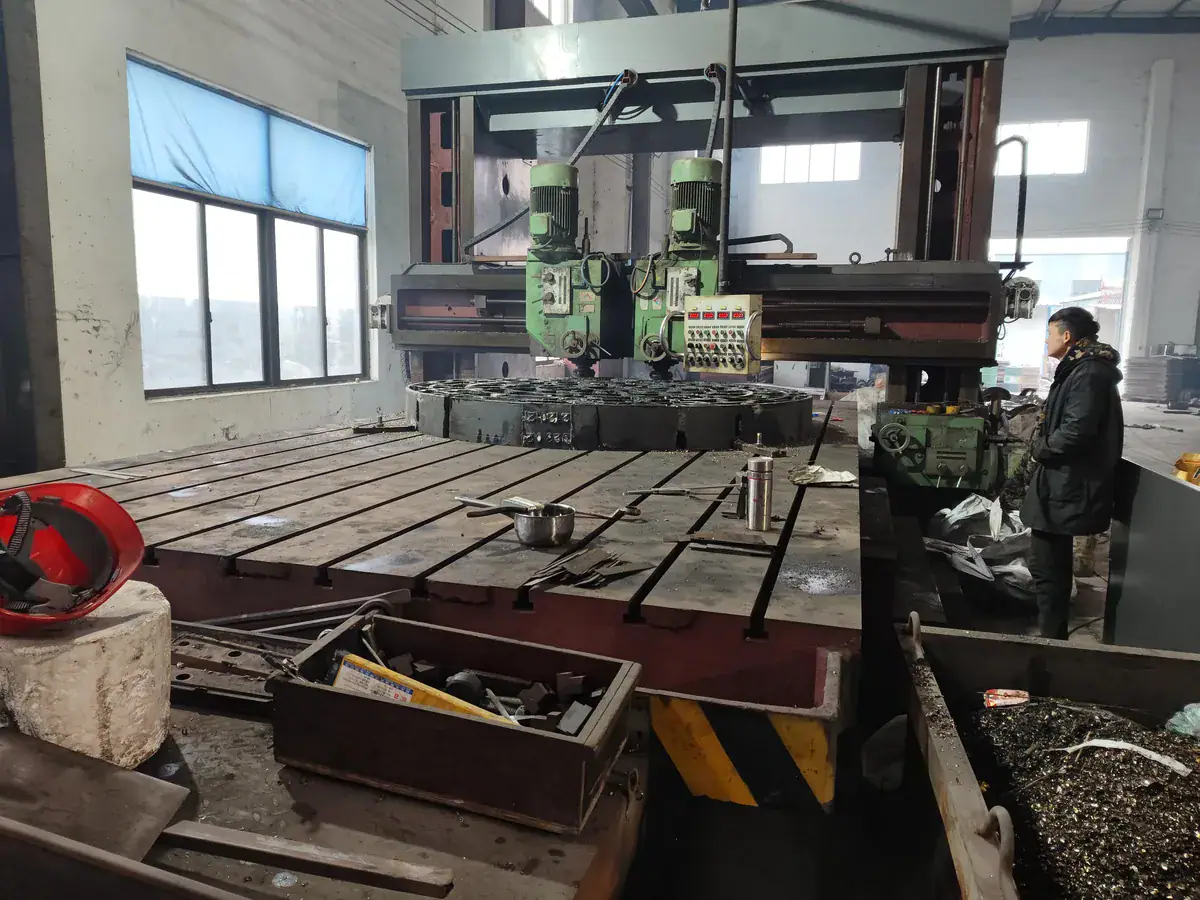
This supplied image shows machining equipment and an operator in a workshop. It supports the description of a machining environment but is not a photograph of the displayed furnace roll being machined. Machine appearance does not establish dimensional accuracy, maximum roll size or achieved tolerances.
Machine-shop working area
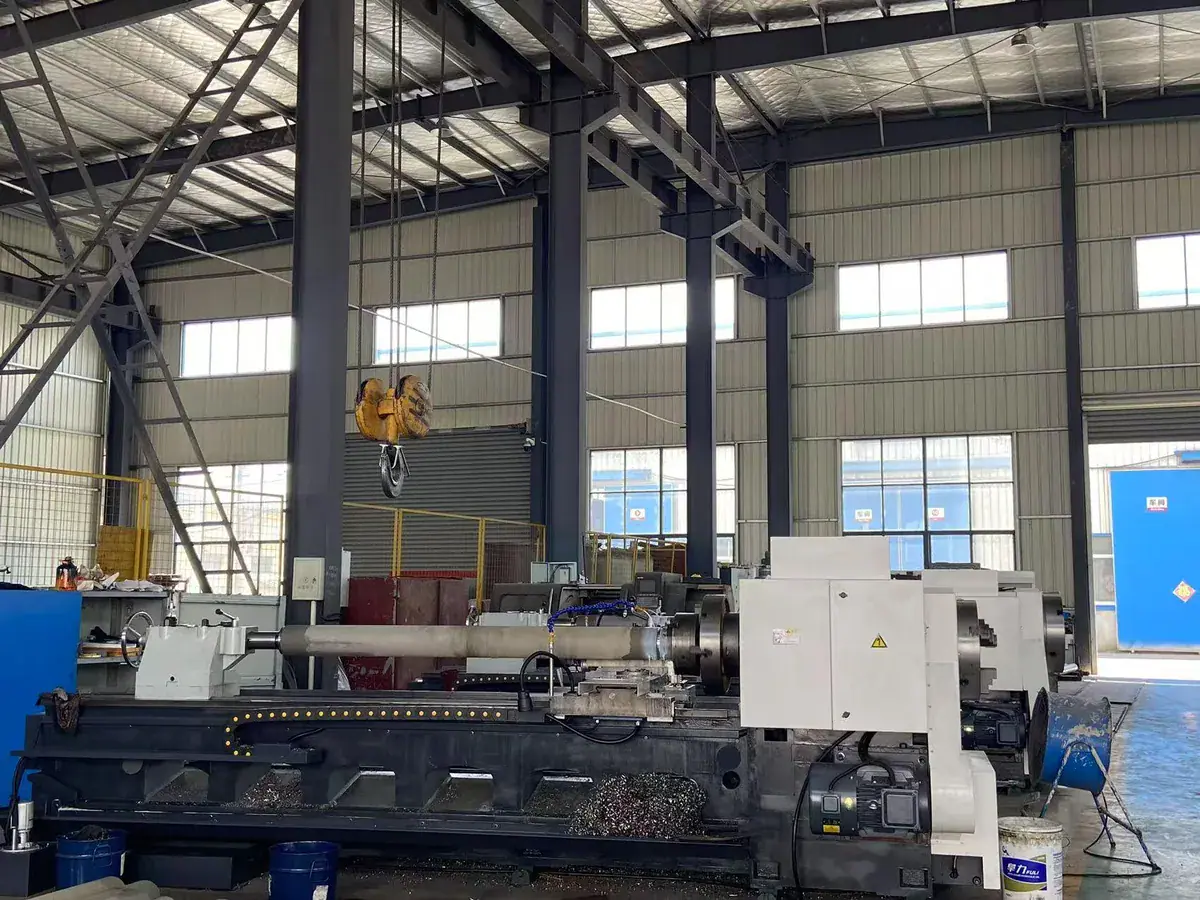
The large-bed machine-shop view provides additional facility context. For a live order, request part-identified machining and measurement evidence if needed. Runout, concentricity, straightness and balancing are distinct checks; a general equipment photograph cannot substitute for any of their results.
Acceptance before installation
Agree the body and journal dimensions, runout datum and measurement positions, support conditions and required report format before production. Include cooling and drive interfaces where applicable. This supplied evidence set has no furnace-roll-specific runout report or verified lifetime comparison.
How to use this evidence in a supplier review
| Visible evidence | What buyers can review | What still needs a record |
|---|---|---|
| Roll product photograph | Body/shaft form and visible surfaces | Material and controlled dimensions |
| Machining workshop photographs | General equipment and working environment | Order-specific machining records |
| Buyer acceptance checklist | Characteristics to agree before production | Actual runout, straightness and other test results |
Information to agree before quotation
- Complete roll/body/shaft drawing and revision; diameter and overall length
- Journal, bearing and drive interfaces; support span and cooling arrangement
- Load, speed, atmosphere, temperature cycle and observed damage
- Runout/straightness/concentricity criteria, methods and required records
Buyer questions
Does a machine-shop photo prove roll runout?
No. Runout requires a defined datum, measurement positions, support conditions, instrument and recorded readings.
Are these photographs one verified furnace-roll project?
No. Product photographs and general machine-shop context are labelled separately. The page does not claim that the workshop views document that particular roll order.
Which roll dimensions matter for a replacement?
Review the full body and shaft envelope, journals, drive and bearing interfaces, support span and any cooling connections against the installation drawing.
What should I provide for a furnace-roll quotation?
Send the complete drawing or sample information, load, speed, support span, cooling and drive details, atmosphere, cycle conditions, quantity and inspection requirements.
Official product and RFQ route
Review the official Furnace Rolls product page. Send drawings, sample photographs, operating conditions, quantity and required records through Contact Us.
Verify the manufacturer through the official company facts and current catalog. For shared process and laboratory context, see manufacturing and quality evidence.
Published examples are not a universal specification. Final material, dimensions, manufacturing route and inspection scope are agreed for each project.

 +44 7419 144346