
1.What Is a Mesh Belt Furnace?
A mesh belt furnace is a continuous industrial furnace that transports small or medium-sized metal parts through heating, soaking, quenching and cooling zones on a moving metal conveyor belt. The continuous conveying system supports stable production, consistent processing conditions and high-volume heat treatment.
Mesh belt furnaces are commonly used for:
- Carburizing
- Carbonitriding
- Hardening and quenching
- Tempering
- Annealing
- Stress relieving
- Brazing
- Sintering
Typical workpieces include fasteners, bearings, gears, springs, stamped parts, chains, tools and other small industrial components. Depending on the process, the furnace may use an endothermic atmosphere, nitrogen-based protective atmosphere or another controlled furnace atmosphere.
Reliable mesh belt furnace parts are essential because the conveyor system and internal supports are exposed to high temperatures, repeated thermal cycles, mechanical wear and continuous loading. Components may also experience oxidation, carburization, creep deformation and dimensional change during long-term service.
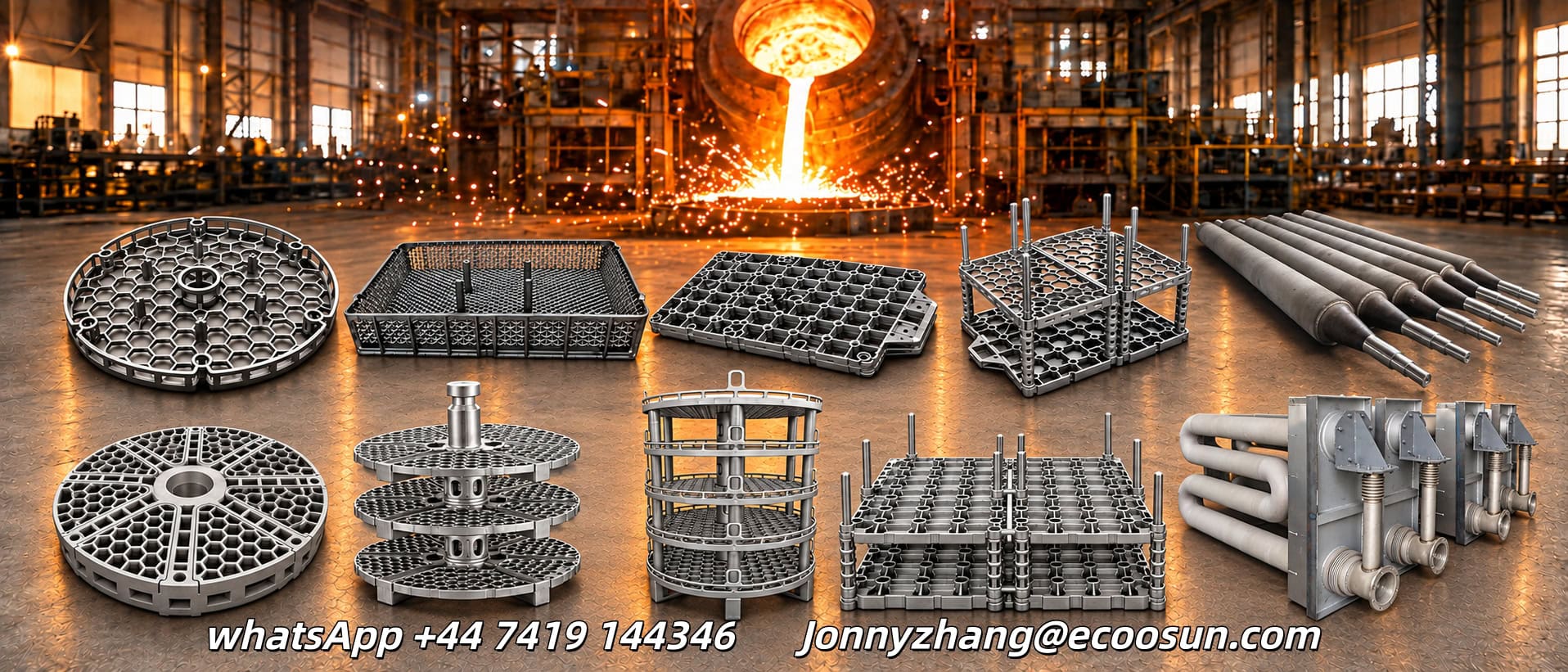
ECOOSUN manufactures custom heat treatment baskets, heat treatment trays, furnace fixtures, guide rails, support components and heat-resistant alloy castings for mesh belt heat treatment furnaces. Parts can be produced from drawings, samples or existing equipment dimensions for new furnace projects and replacement applications.
For smaller detailed alloy parts used around mesh-belt systems, Silica Sol Investment Casting may be evaluated according to geometry, wear, temperature and inspection needs.
Custom Heat Treatment Furnace Parts
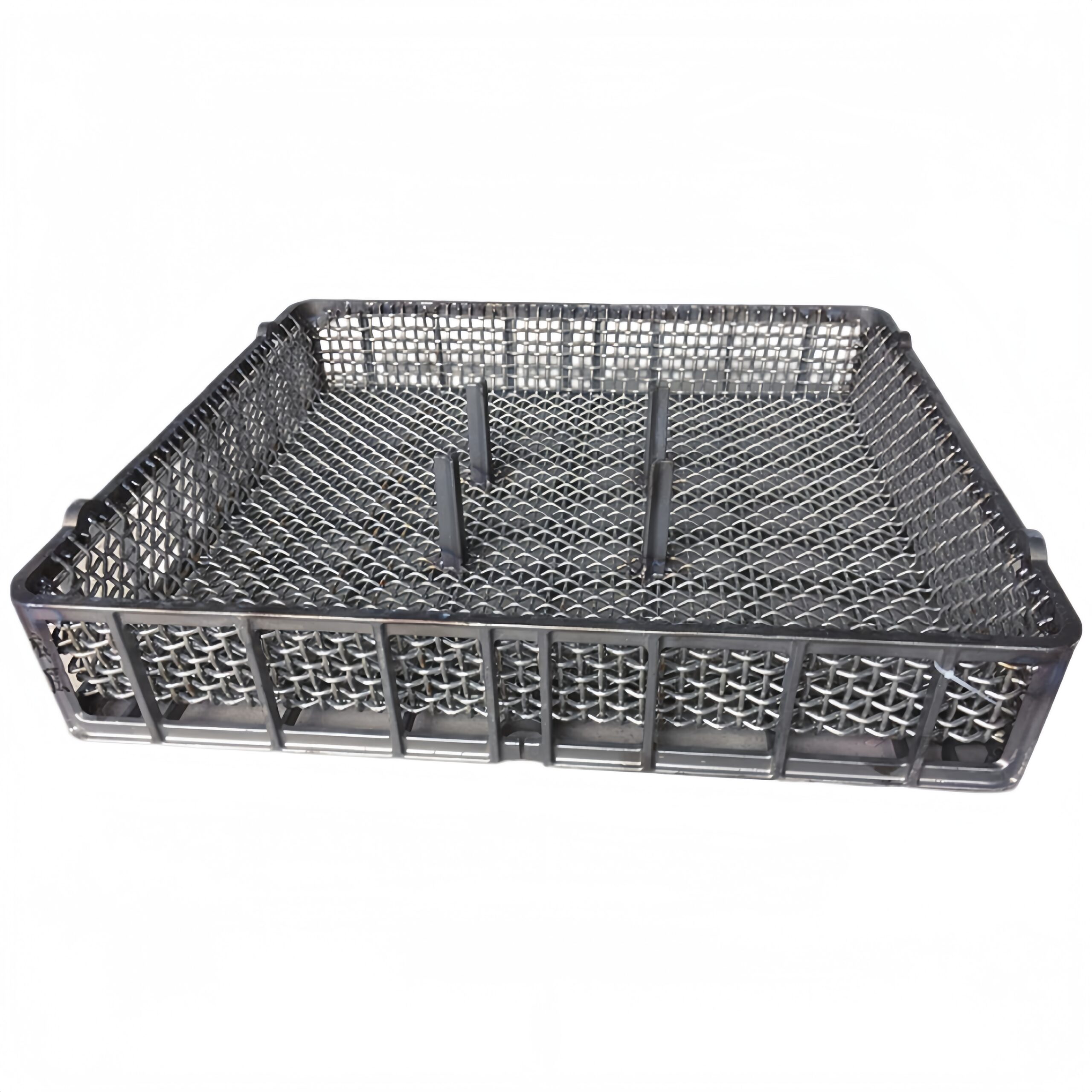
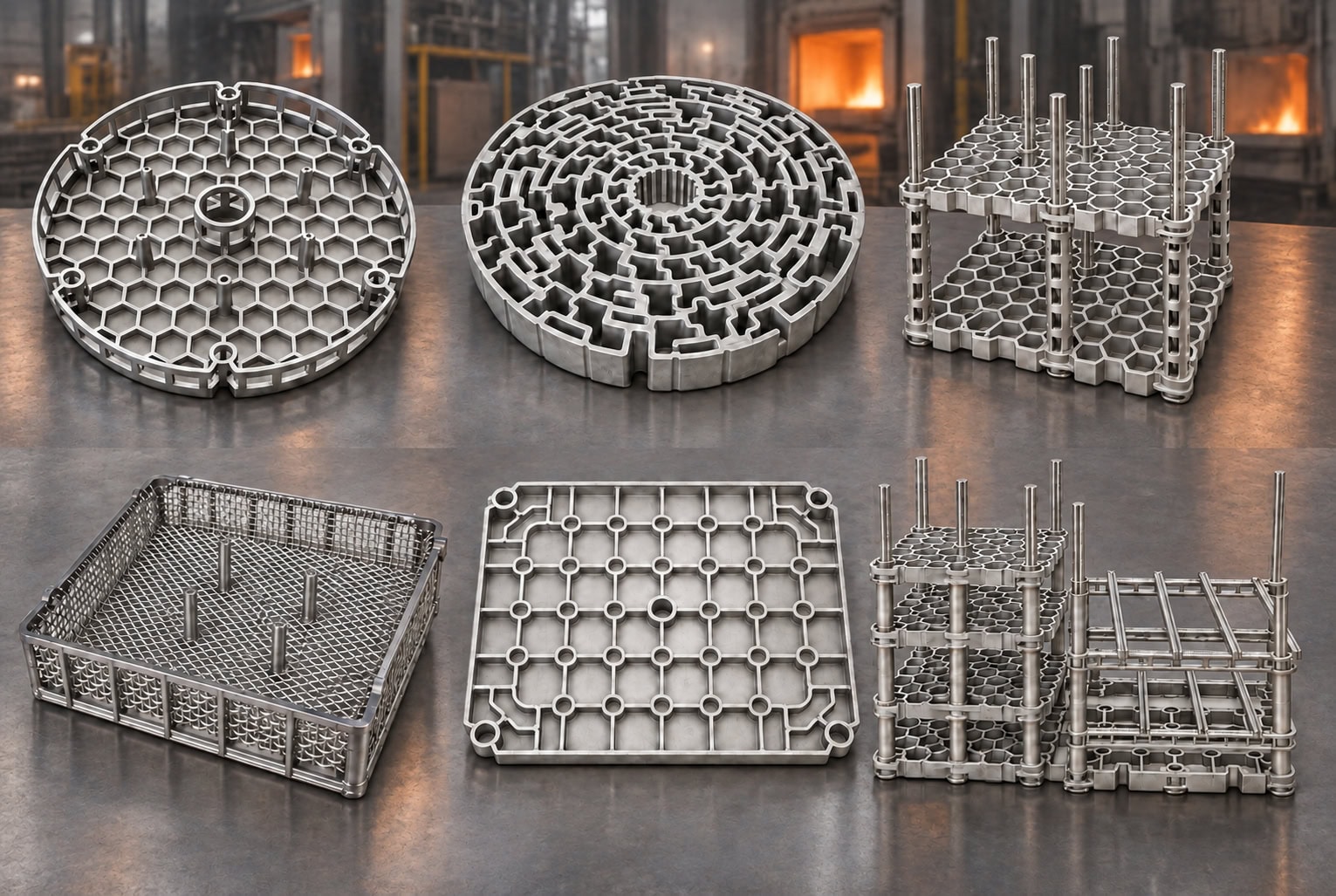
Custom heat treatment basket designed for stable loading, uniform heat circulation and repeated high-temperature cycles.
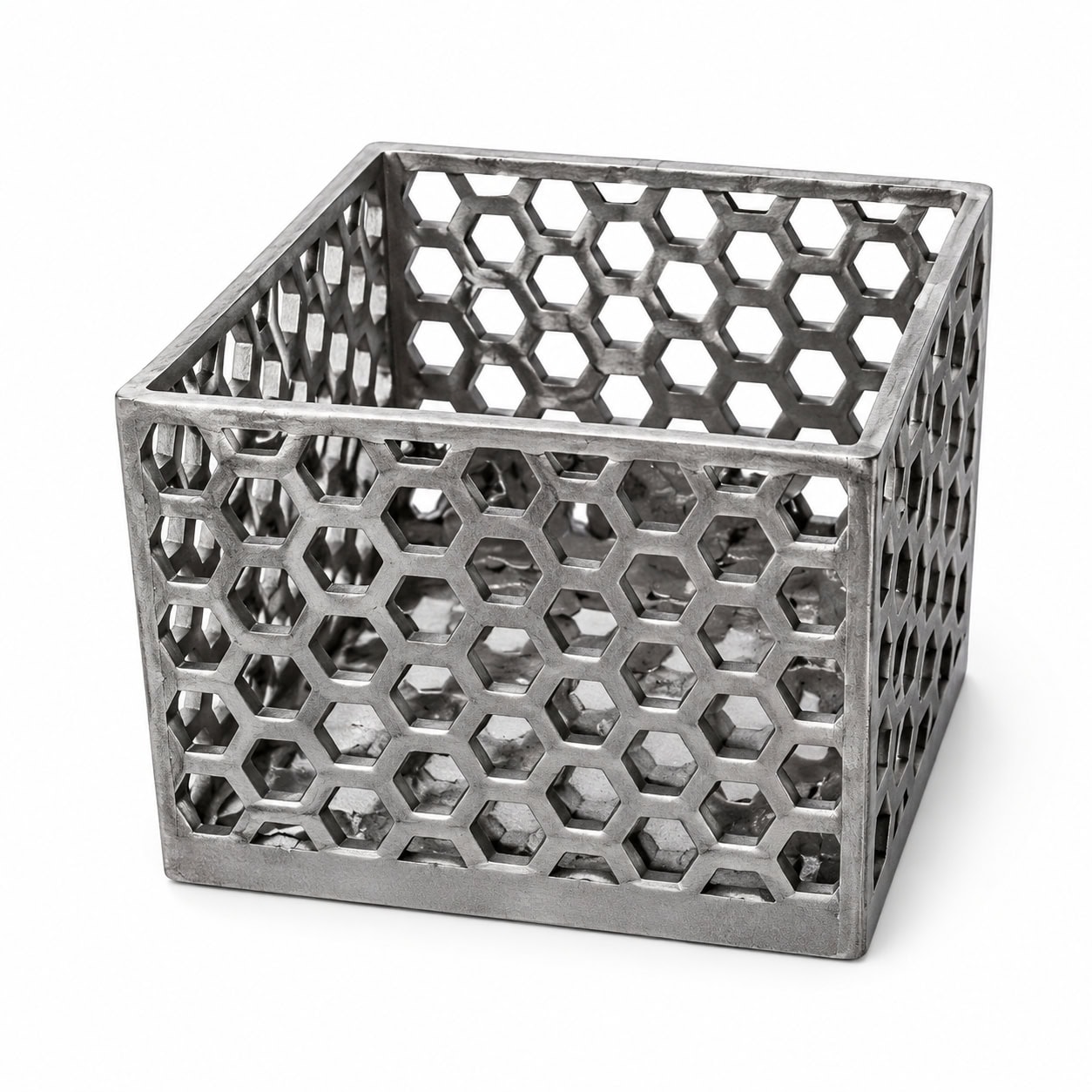
Heavy-duty furnace basket manufactured from heat-resistant alloy for demanding industrial furnace applications.
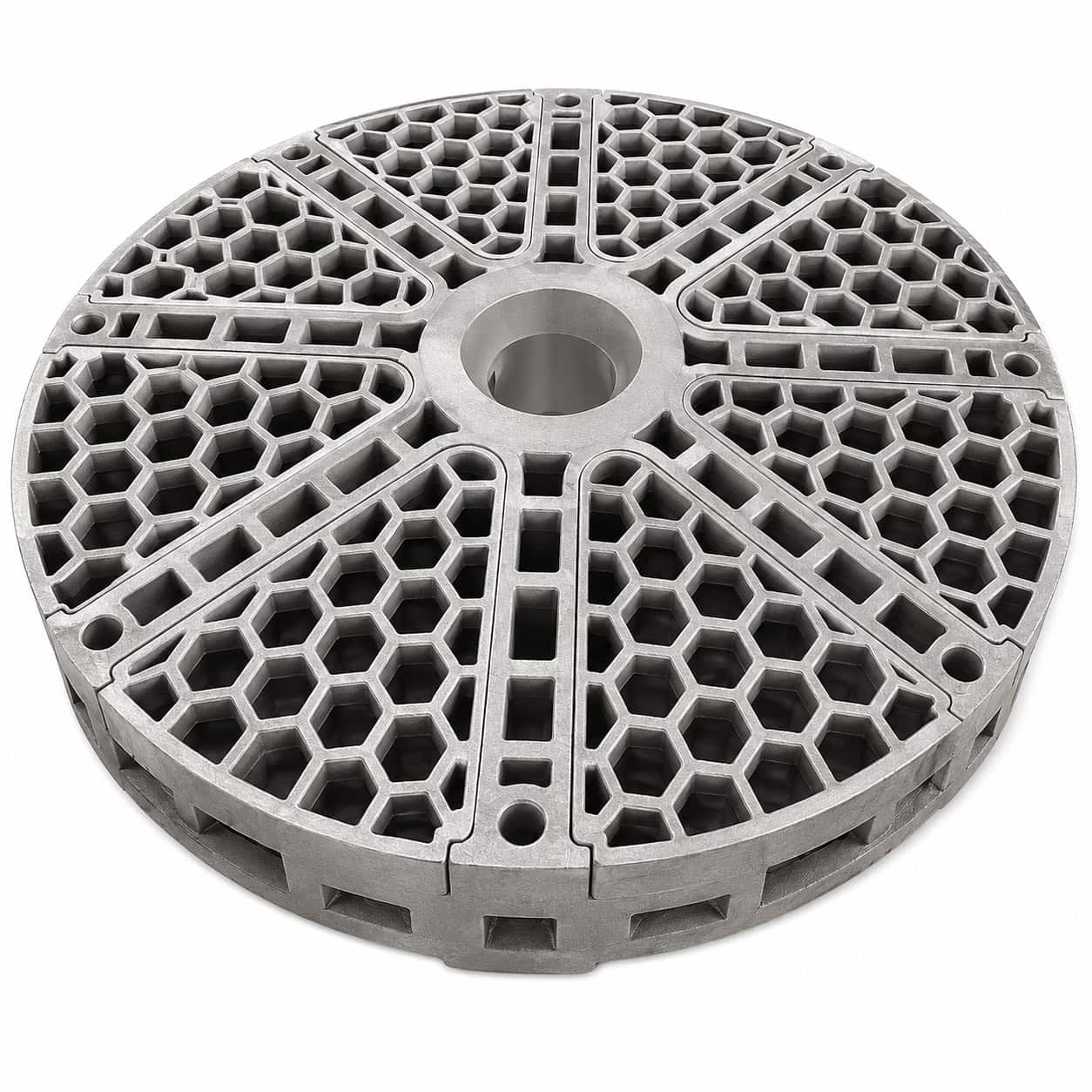
Carburizing basket engineered to resist oxidation, thermal fatigue and deformation in controlled-atmosphere furnaces.
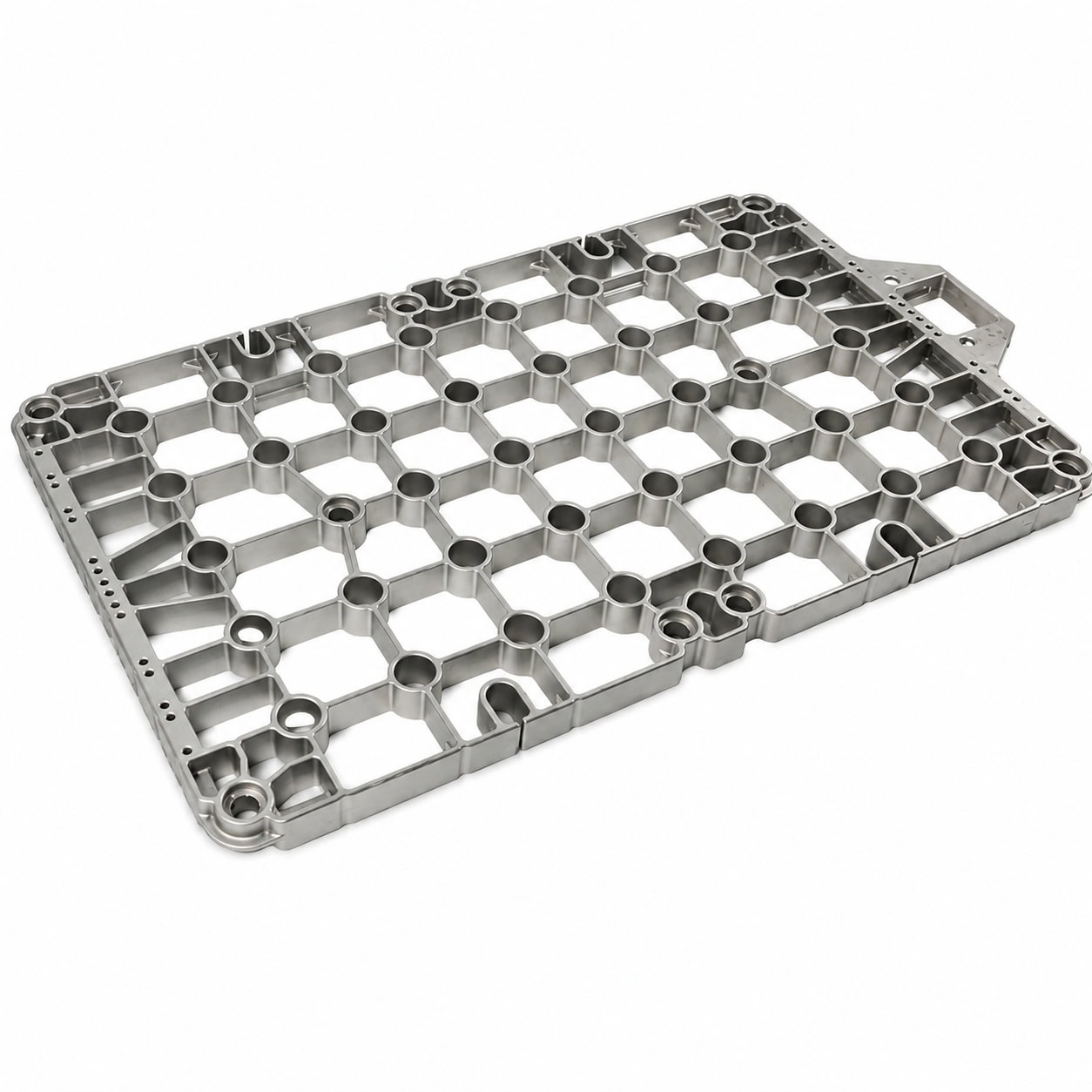
Heat-resistant basket with optimized grid structure for improved airflow, load distribution and longer service life.
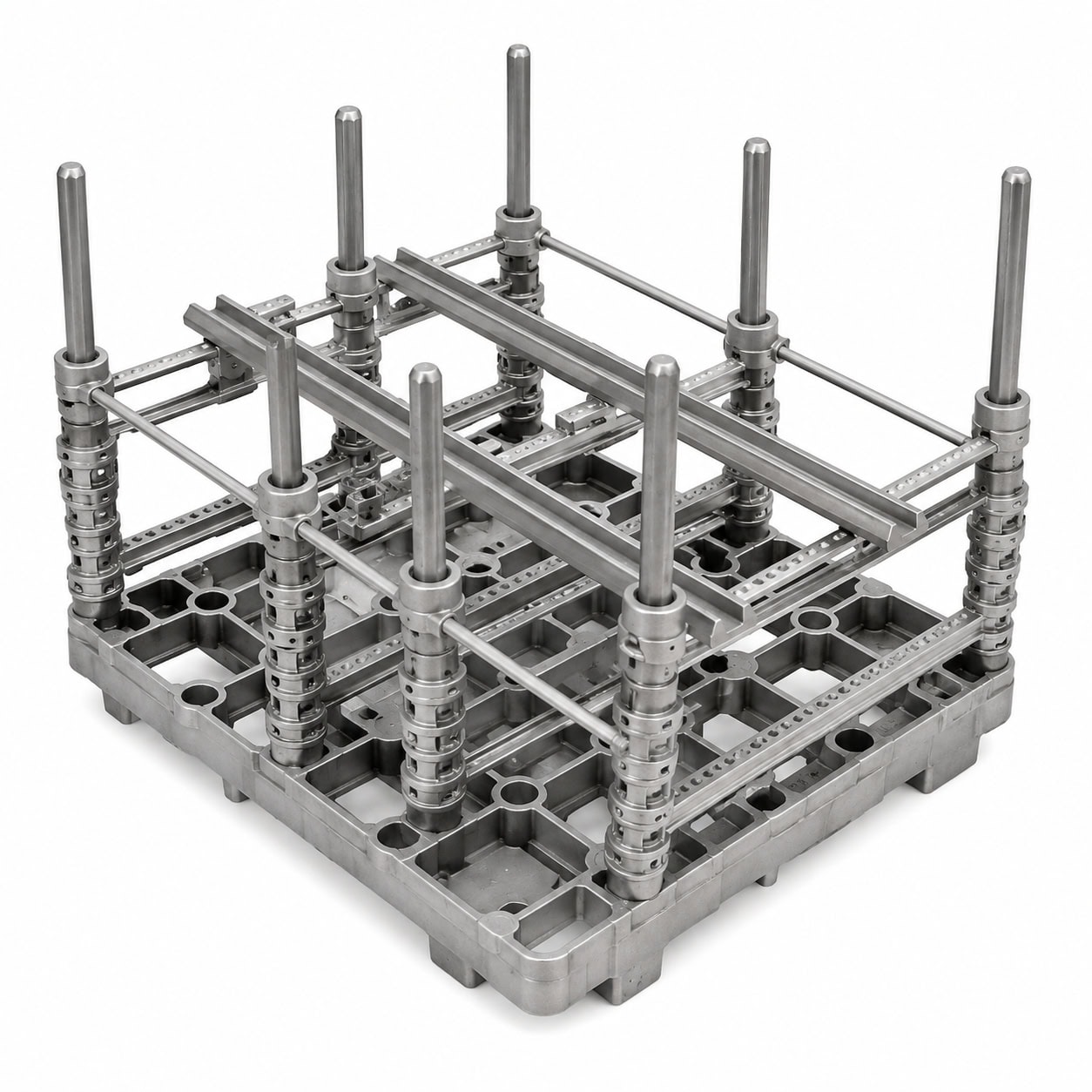
Custom furnace charging basket produced to your drawings, furnace dimensions and operating requirements.
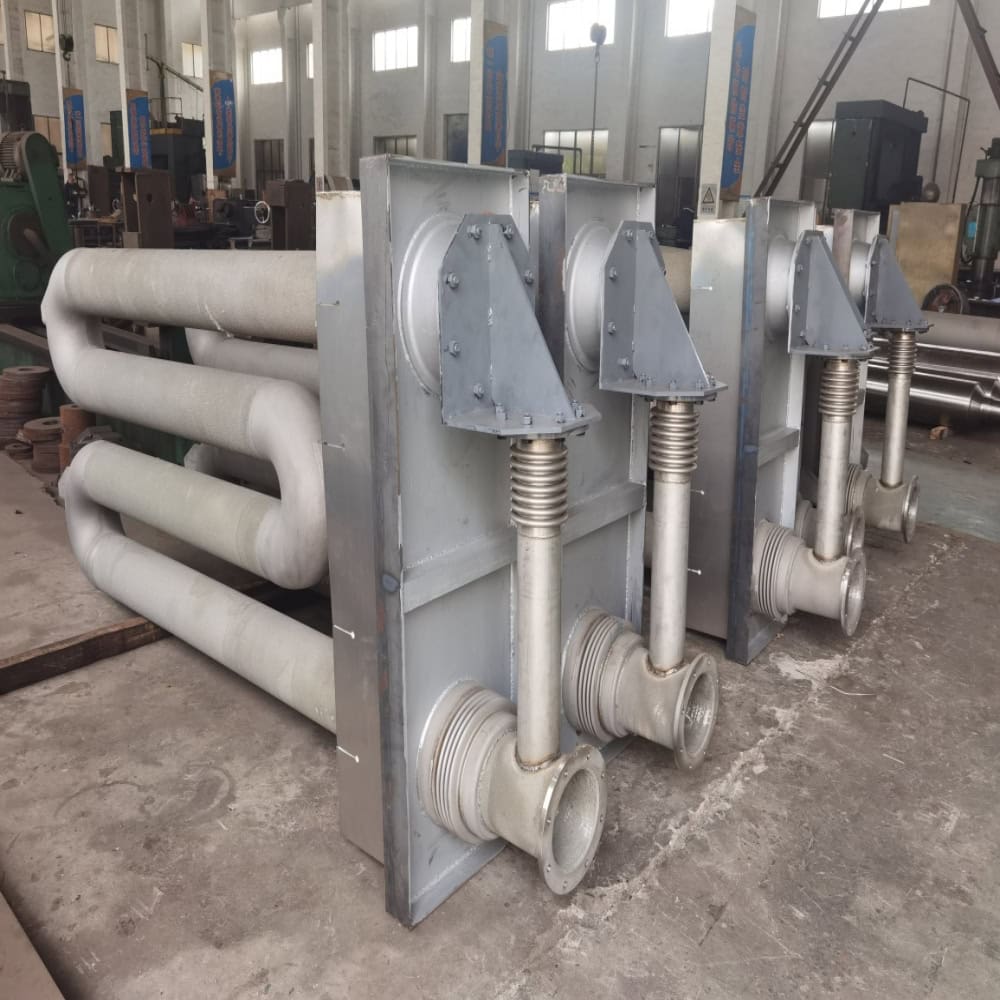
Precision-cast heat treatment fixture built for annealing, hardening, tempering and other heat treating processes.
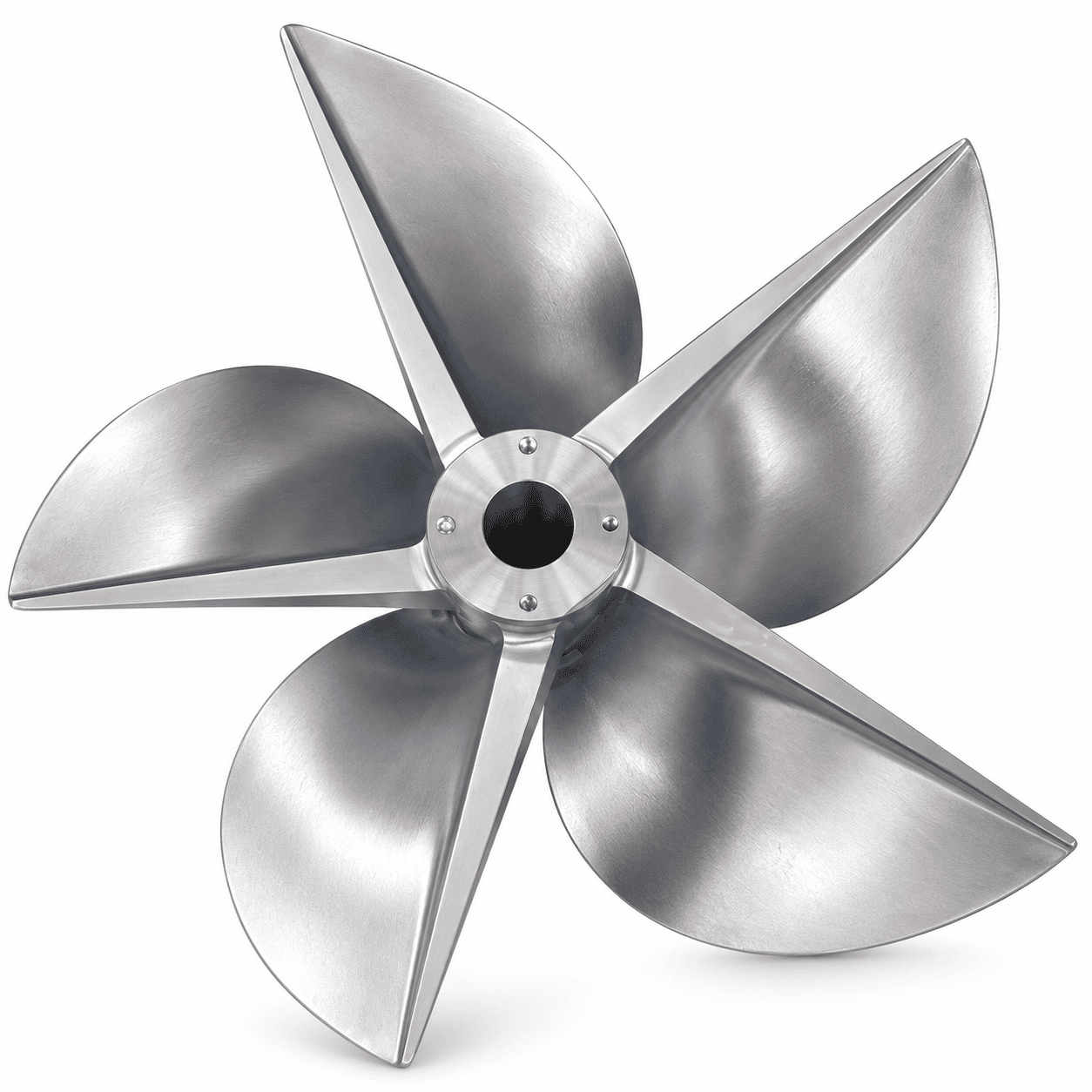
OEM /ODM heat treatment furnace part designed for reliable replacement, accurate fit and consistent production performance.
Cast steel furnace basket manufactured by sand casting, investment casting or lost foam casting for custom applications.
2.Recommended Furnace Components for Mesh Belt Furnaces
A mesh belt furnace depends on a reliable conveying and support system. Worn or distorted furnace components can affect belt tracking, loading stability, temperature uniformity and production continuity.
ECOOSUN supplies custom components including:
Mesh Belt Furnace Guide Rails
Heat-resistant guide rails help control the position and movement of the conveyor belt. They must maintain dimensional stability while resisting high-temperature wear and thermal deformation.
Furnace Conveyor Supports
Support components carry or guide the moving belt through the heating zones. Their design should account for operating temperature, belt width, load distribution and thermal expansion.
Heat Treatment Trays
Custom heat treatment trays can be used to organize parts, support special loads or protect components during continuous heat treatment. Open-grid designs improve heat circulation and reduce unnecessary weight.
Heat Treatment Baskets
Heat-resistant baskets are used when loose, irregular or mixed components require controlled loading. Basket dimensions and openings can be customized according to workpiece size and furnace capacity.
Furnace Fixtures
Custom heat treatment fixtures position and separate workpieces to reduce contact, improve heating uniformity and control distortion.
Pusher and Transfer Components
Pusher blocks, transfer parts, stops and guide components support loading and unloading operations around the furnace conveyor system.
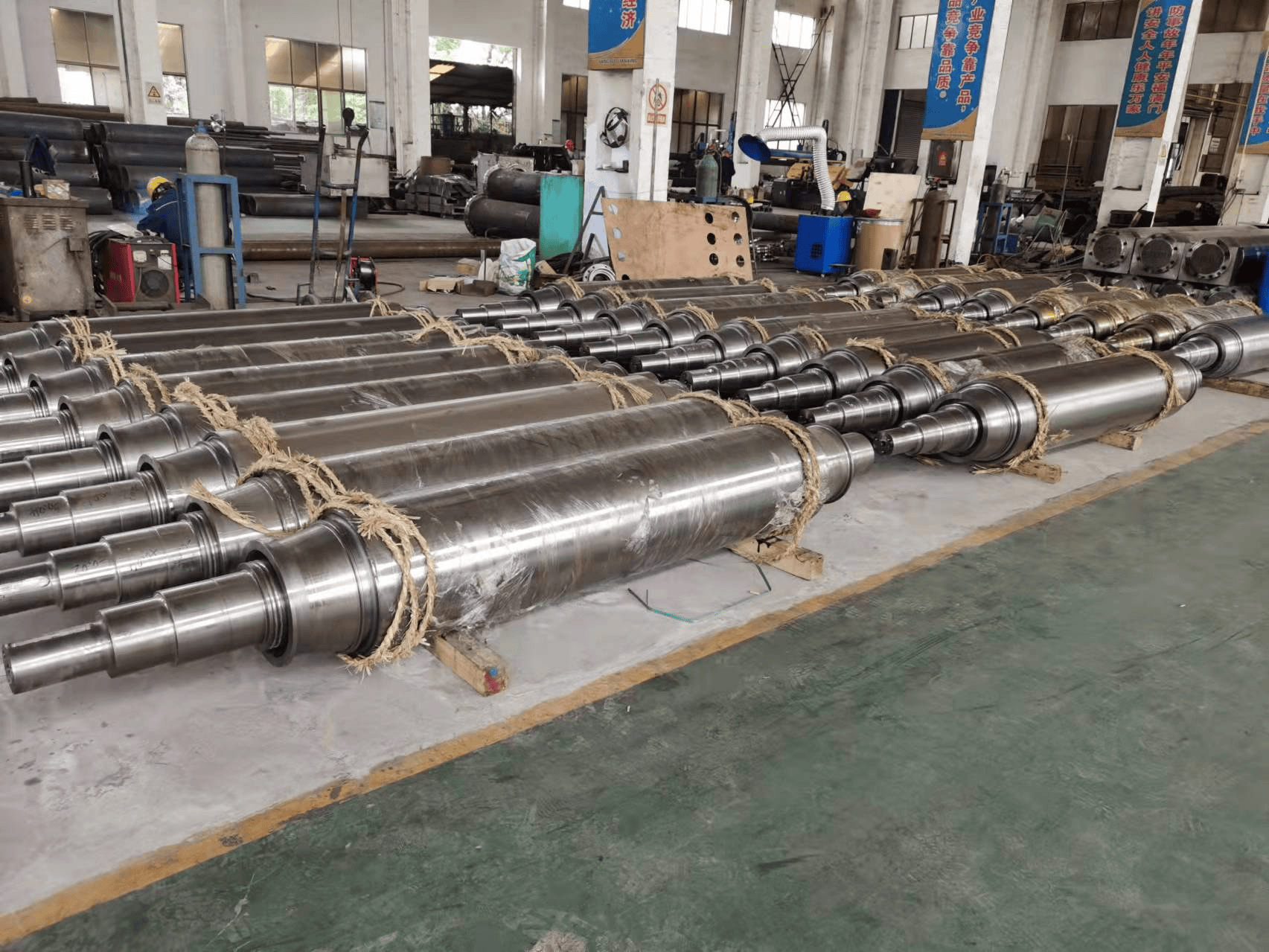
Furnace Rolls and Support Rollers
Some mesh belt furnace systems use rollers to support, guide or drive the conveyor assembly. Replacement rolls can be manufactured according to drawings and actual operating conditions.
Furnace Fans and Impellers
Circulation fans and impellers may be used to improve temperature uniformity and atmosphere circulation in specific furnace designs.
ECOOSUN can manufacture these components using sand casting, lost foam casting, investment casting, fabrication and precision machining. The selected process depends on product size, structure, material, dimensional requirements and order quantity.

3. Recommended Heat-Resistant Alloys for Mesh Belt Furnace Parts
The correct heat-resistant alloy should be selected according to the actual furnace environment. A material that performs well in an oxidizing atmosphere may not provide the same service life in a carburizing or carbonitriding atmosphere.
Important selection factors include:
- Maximum operating temperature
- Furnace atmosphere and carbon potential
- Continuous or intermittent operation
- Mechanical load
- Belt speed and friction
- Thermal cycling frequency
- Required creep strength
- Oxidation and carburization resistance
- Target service life
Typical material options may include:
| Alloy or material group | Typical application |
|---|---|
| HK-type heat-resistant alloys | Trays, supports, guide components and general high-temperature furnace parts |
| HU-type heat-resistant alloys | Heavily loaded fixtures, baskets and parts requiring improved high-temperature strength |
| GX40CrNiSi25-20 and equivalent grades | Heat-resistant cast components used in demanding furnace environments |
| Heat-resistant stainless steels | Fabricated baskets, mesh structures, brackets and lighter furnace components |
| Customer-specified special alloys | Components requiring specific creep, oxidation or carburization resistance |
No single alloy is best for every mesh belt furnace. Material selection should be based on temperature, atmosphere, structure, load and previous failure history.
ECOOSUN can review existing drawings and operating conditions to recommend a suitable alloy and manufacturing process. Where premature failure has occurred, the engineering review may also consider wall thickness, support spacing, stress concentration, thermal expansion and loading method.
A mesh belt furnace is a continuous heat treatment furnace that carries metal parts through controlled heating and cooling zones on a moving metal conveyor belt. It is commonly used for high-volume processing of small and medium-sized components.
Common processes include carburizing, carbonitriding, hardening, quenching, tempering, annealing, stress relieving, brazing and sintering. The exact process depends on furnace design, temperature range and atmosphere-control system.
Mesh belt furnaces are widely used for fasteners, bearings, gears, springs, chains, stamped parts, tools and other small industrial components requiring continuous heat treatment.
Common replacement parts include guide rails, belt supports, support rollers, furnace trays, heat treatment baskets, furnace fixtures, pusher components, radiant tubes, fan impellers and other heat-resistant furnace parts.
Guide rails may deform because of high-temperature creep, insufficient support, unsuitable alloy selection, uneven loading, excessive friction or restricted thermal expansion. Material and structural design should be reviewed together.
Premature wear may result from belt misalignment, excessive mechanical loading, abrasive scale, inadequate clearances, unsuitable material or continuous contact at elevated temperatures.
Yes. Heat treatment baskets may be used when loose or irregular parts require controlled loading. Basket size, weight and bottom structure must be compatible with the conveyor belt and furnace loading limits.
The mesh belt continuously transports parts through the furnace, while a furnace tray supports or organizes a specific load placed on the belt. Trays may also help separate workpieces or protect the conveyor system.
The best alloy depends on temperature, atmosphere, mechanical load, component design and thermal cycling. HK-type, HU-type and equivalent high-chromium, high-nickel alloys are commonly considered for demanding applications.
Yes. Replacement mesh belt furnace parts can be produced from drawings, 3D models, physical samples, photographs or measured dimensions. Operating information is also needed to confirm material and design requirements.
Yes. Custom guide rails, support brackets, pusher components and conveyor parts can be manufactured according to furnace dimensions, belt width, temperature, atmosphere and installation requirements.
Large or relatively simple parts may use sand casting or lost foam casting. Smaller components with complex geometry or tighter dimensional requirements may use investment casting. Fabrication and machining may also be appropriate.
Service life can be improved through correct alloy selection, adequate support, controlled clearances, reduced stress concentration, proper thermal-expansion allowance and regular inspection of belt alignment and loading conditions.
Please provide drawings or samples, material requirements, quantity, operating temperature, furnace atmosphere, product load, dimensions, tolerances, inspection requirements and delivery destination.
ECOOSUN specializes in custom heat treatment furnace components and heat-resistant alloy castings. Wesupport drawing review, material selection, casting, fabrication, machining and inspection for new furnaceprojects and replacement mesh belt furnace parts.
Technical Review: ECOOSUN Engineering TeamReviewed by: Heat-Resistant Alloy Casting EngineersLast Updated: August 2026

 +44 7419 144346