
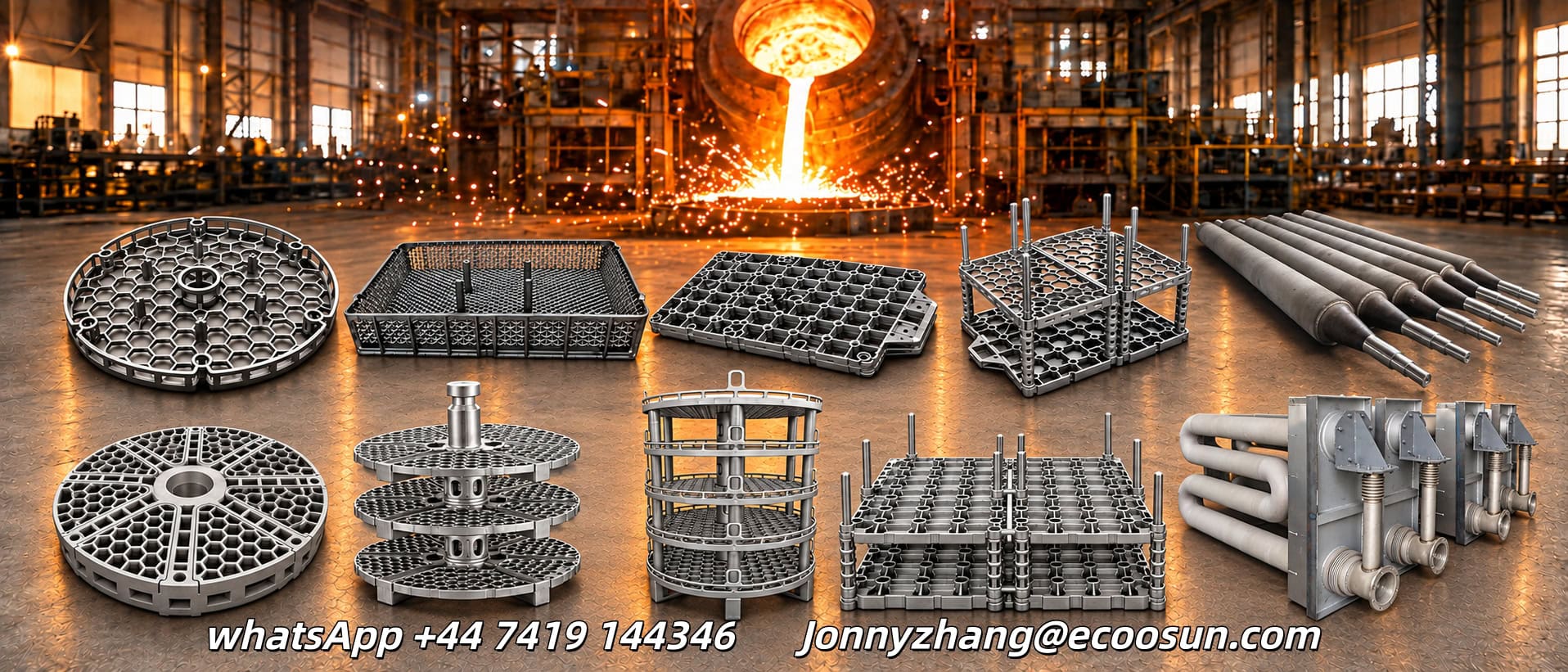
1. What Is the Heat Treatment Process?
The heat treatment process uses controlled heating, holding and cooling to change the properties of metal. Through the right heat treatment cycle, manufacturers can improve hardness, strength, toughness, wear resistance and dimensional stability.
Metal heat treatment is widely used in automotive, machinery, aerospace and industrial manufacturing, where consistent material performance is essential.
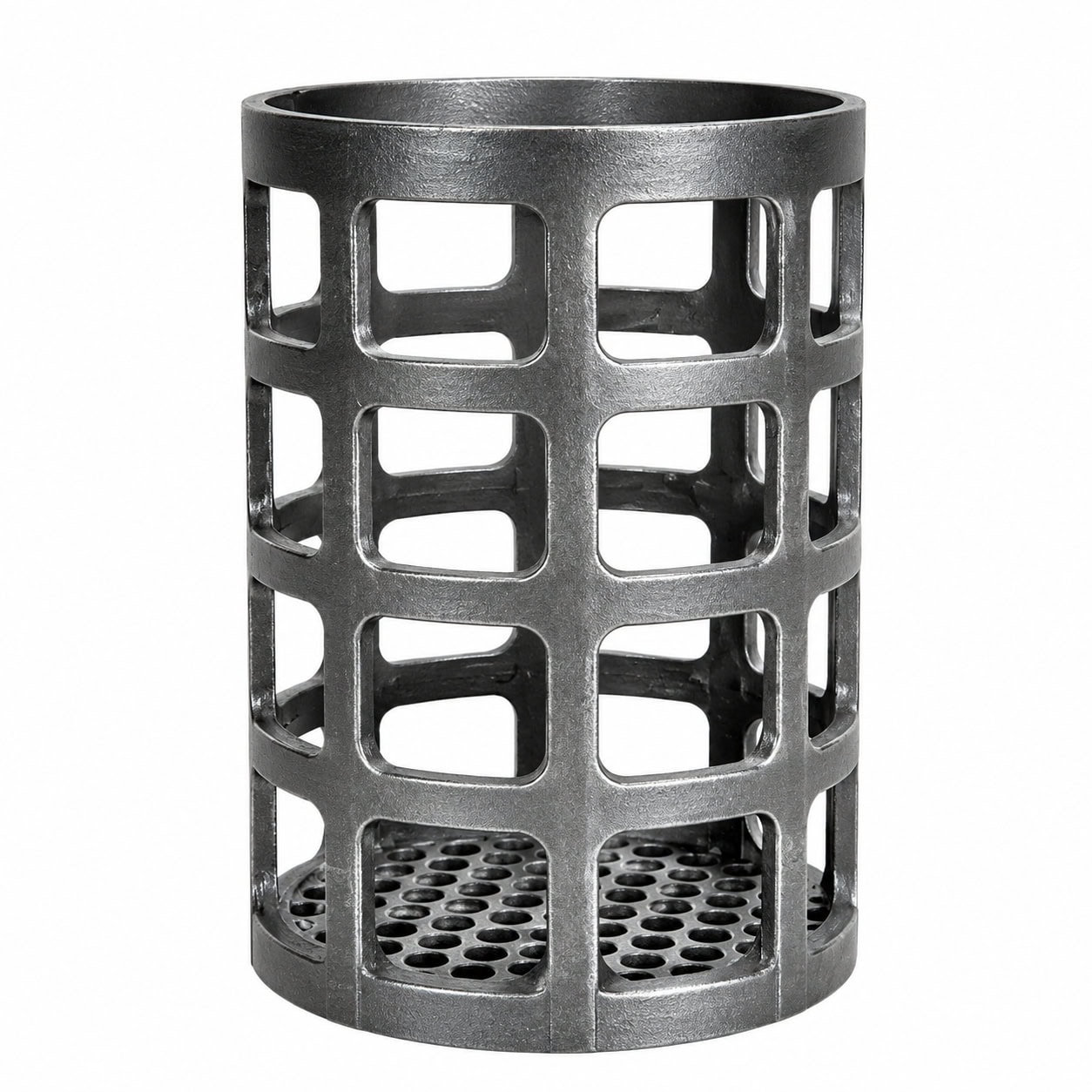
Custom Heat Treatment Furnace Parts
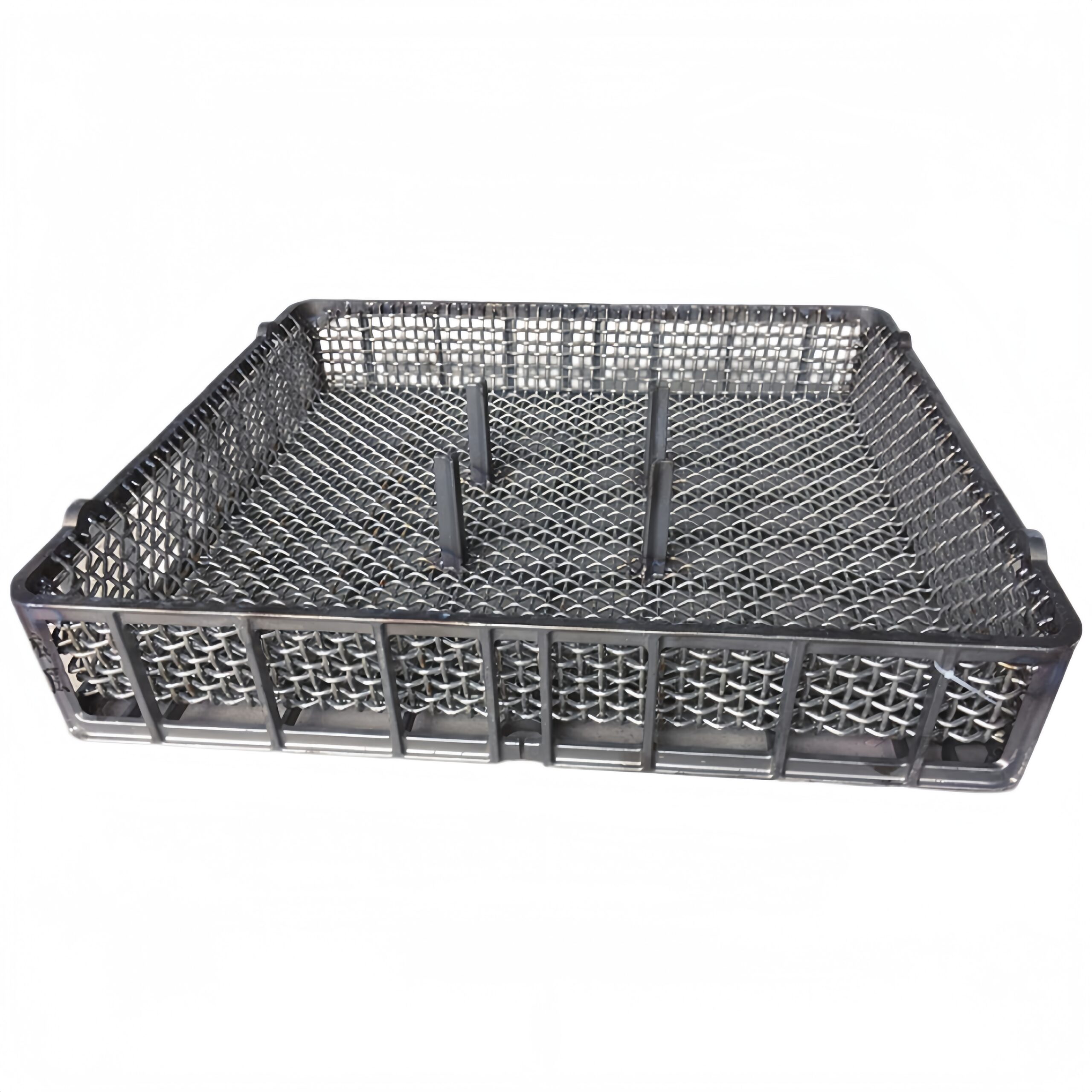
Custom heat treatment basket designed for stable loading, uniform heat circulation and repeated high-temperature cycles.
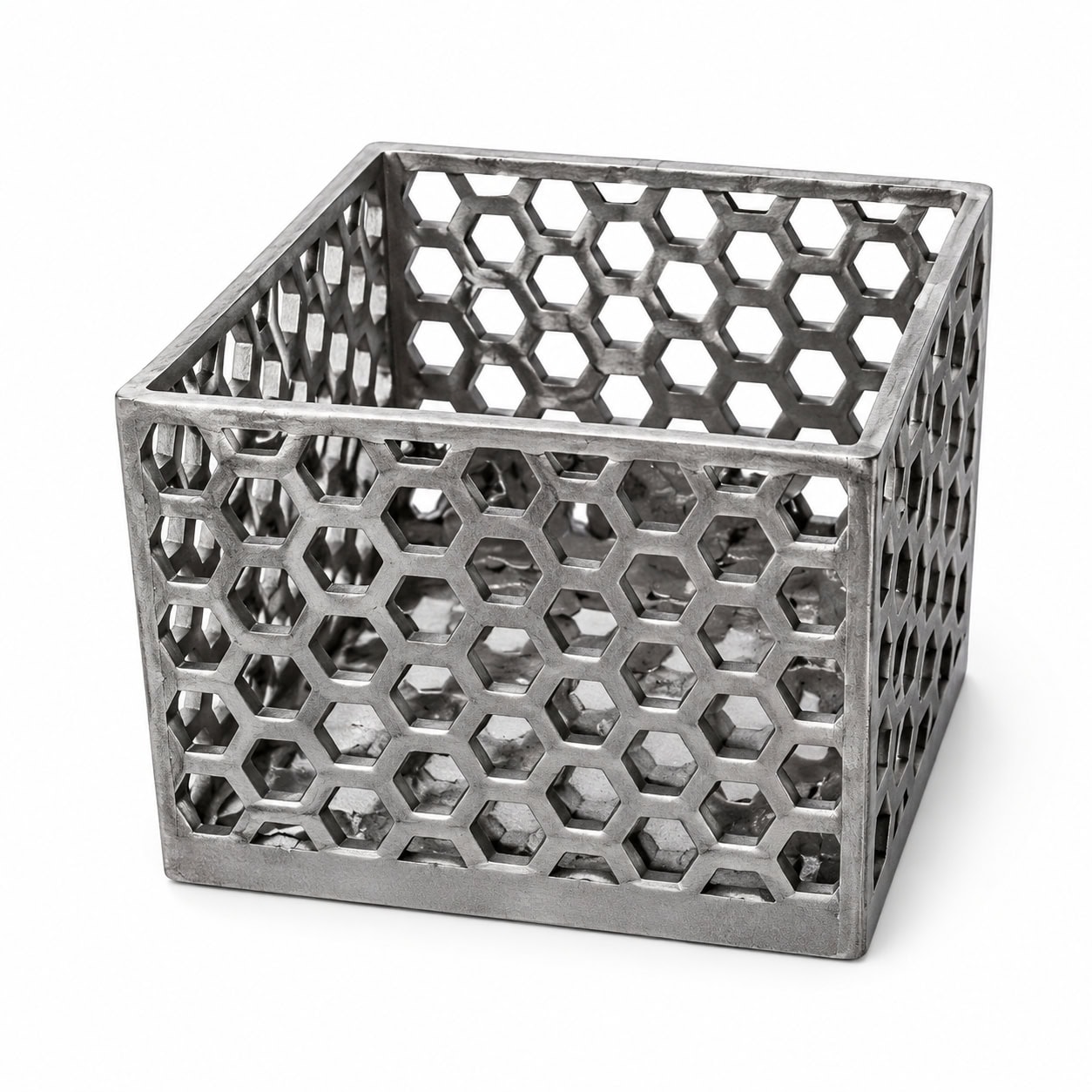
Heavy-duty furnace basket manufactured from heat-resistant alloy for demanding industrial furnace applications.
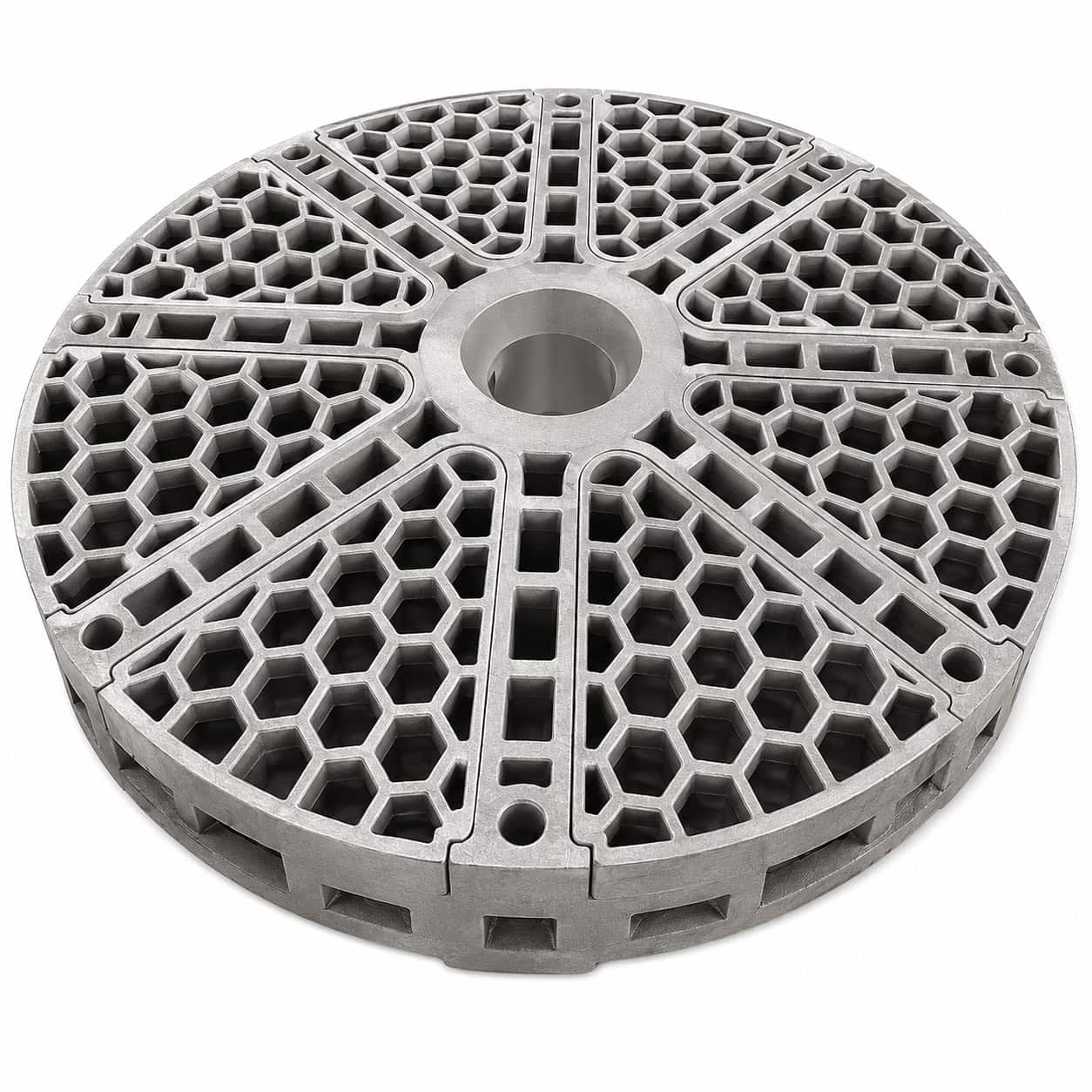
Carburizing basket engineered to resist oxidation, thermal fatigue and deformation in controlled-atmosphere furnaces.
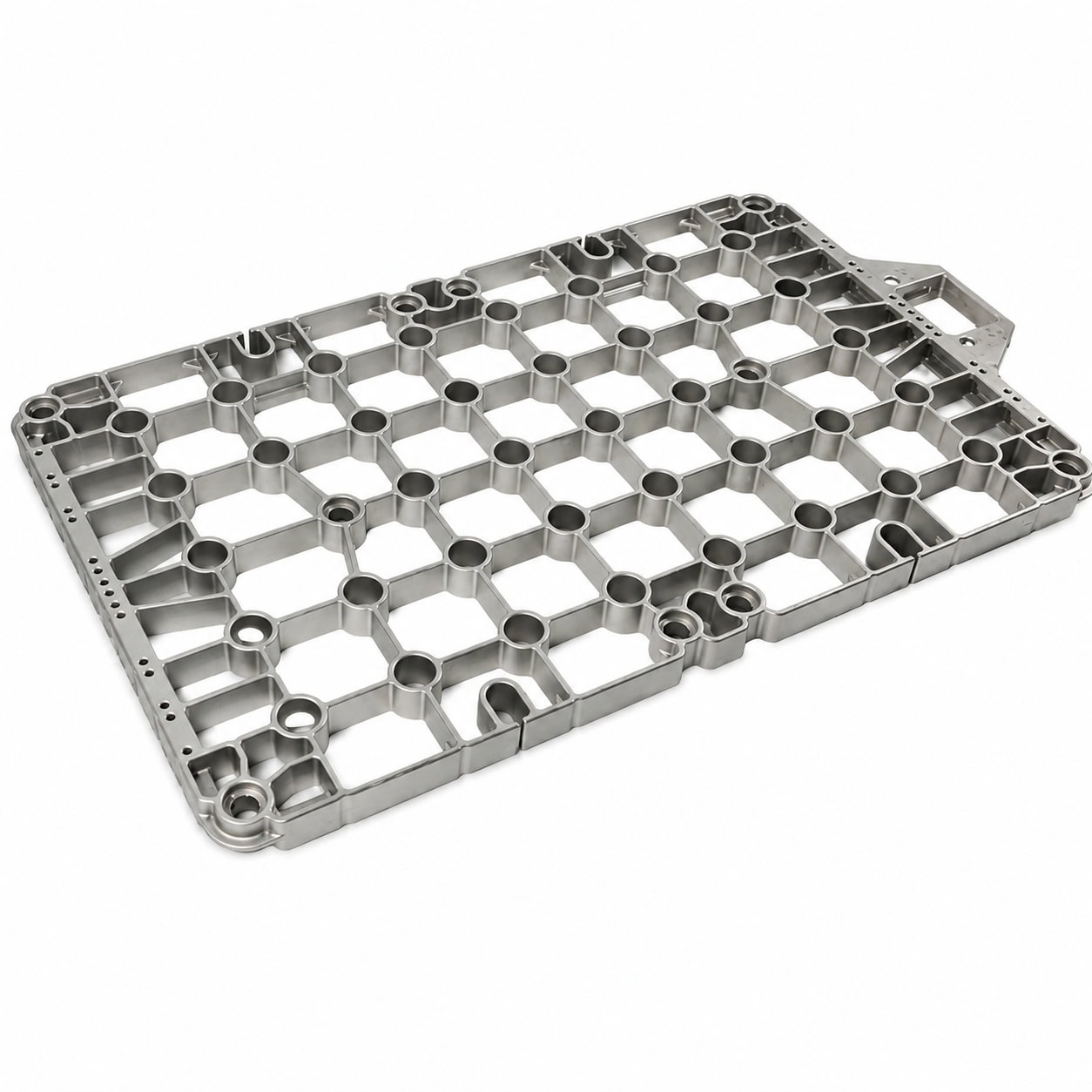
Heat-resistant basket with optimized grid structure for improved airflow, load distribution and longer service life.
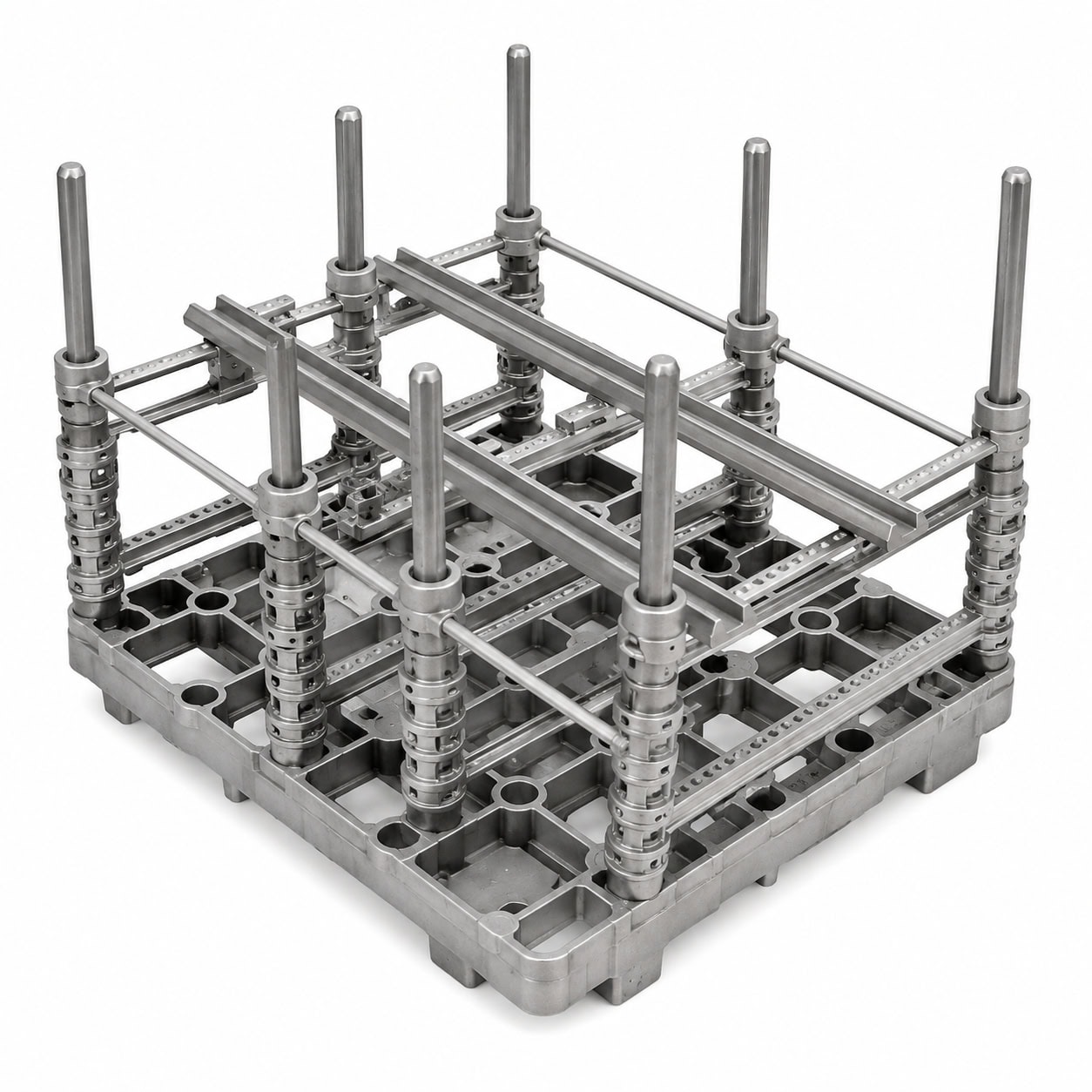
Custom furnace charging basket produced to your drawings, furnace dimensions and operating requirements.
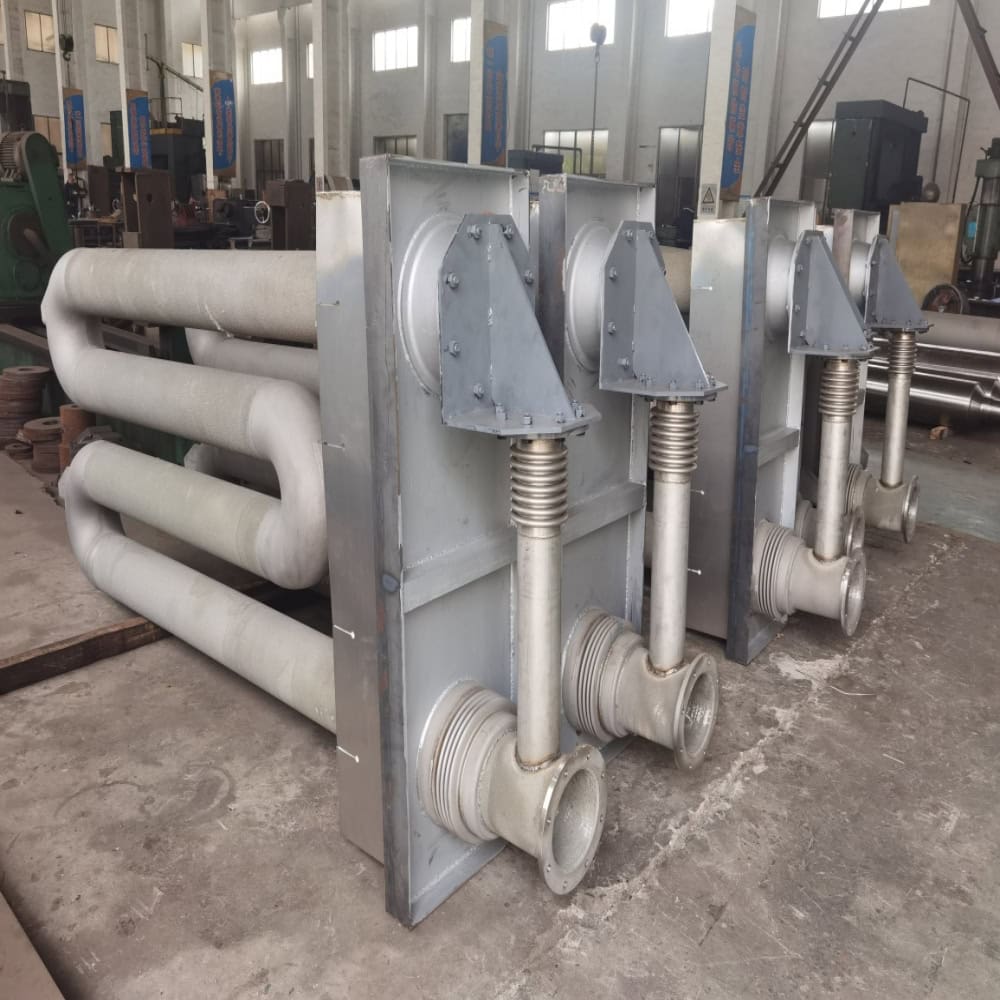
Precision-cast heat treatment fixture built for annealing, hardening, tempering and other heat treating processes.
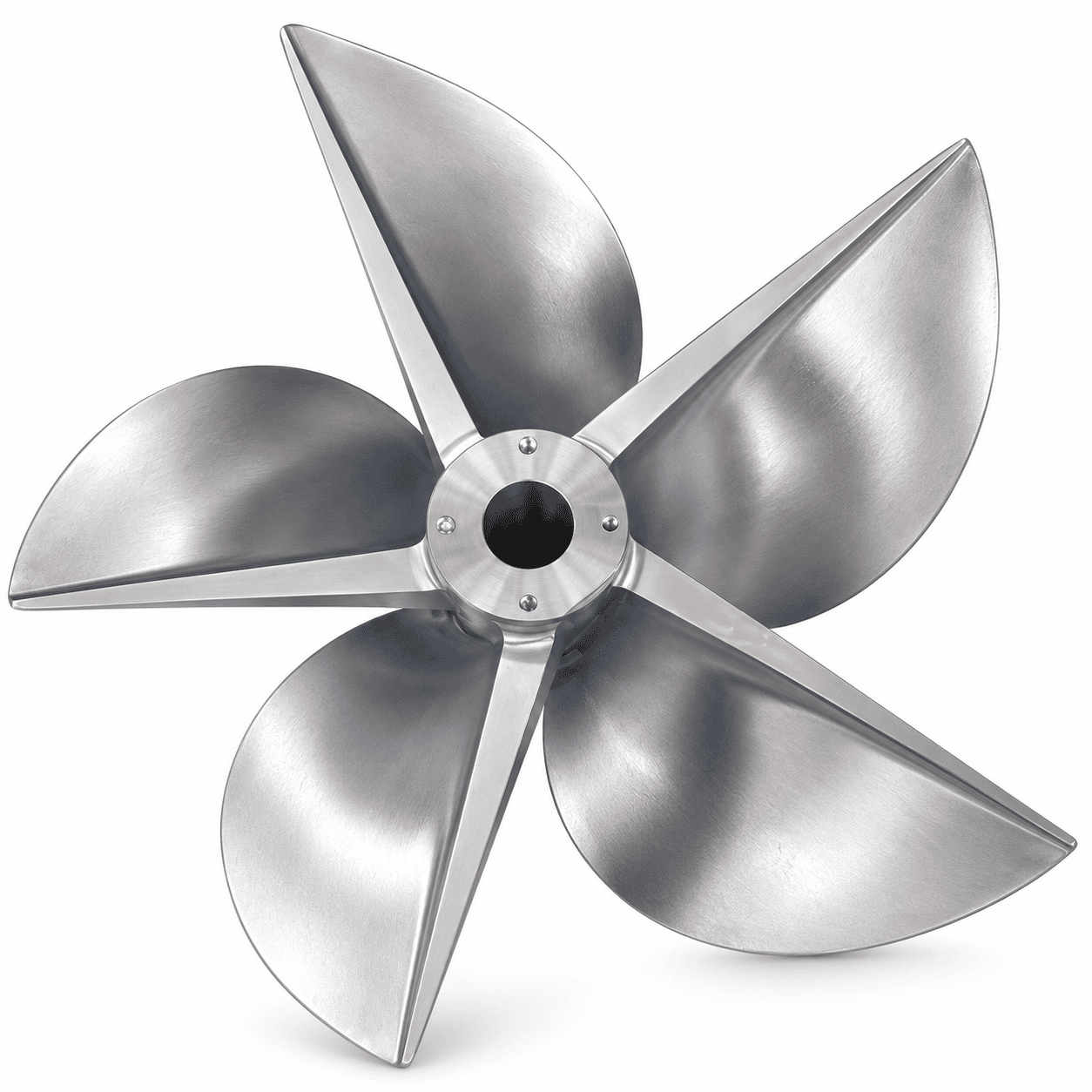
OEM /ODM heat treatment furnace part designed for reliable replacement, accurate fit and consistent production performance.
Cast steel furnace basket manufactured by sand casting, investment casting or lost foam casting for custom applications.
2. Common Metal Heat Treatment Processes
Common metal heat treatment processes include annealing, normalizing, hardening, quenching, tempering, stress relieving, solution treatment, carburizing and nitriding. Each method is selected according to the material grade, required mechanical properties and final application.
The process parameters must be controlled carefully to achieve reliable and repeatable results in production.

3. Industrial Furnaces Create the Required Process Conditions
Industrial furnaces and heat treatment furnaces provide the controlled temperature, atmosphere and heating cycle required for different heat treatment processes. Carburizing furnaces, vacuum furnaces, mesh belt furnaces and roller hearth furnaces are designed for different production methods and workpiece requirements.
The furnace atmosphere and operating temperature directly influence the selection of heat treatment equipment and high-temperature components.
4. Heat Treatment Equipment and Furnace Components Matter
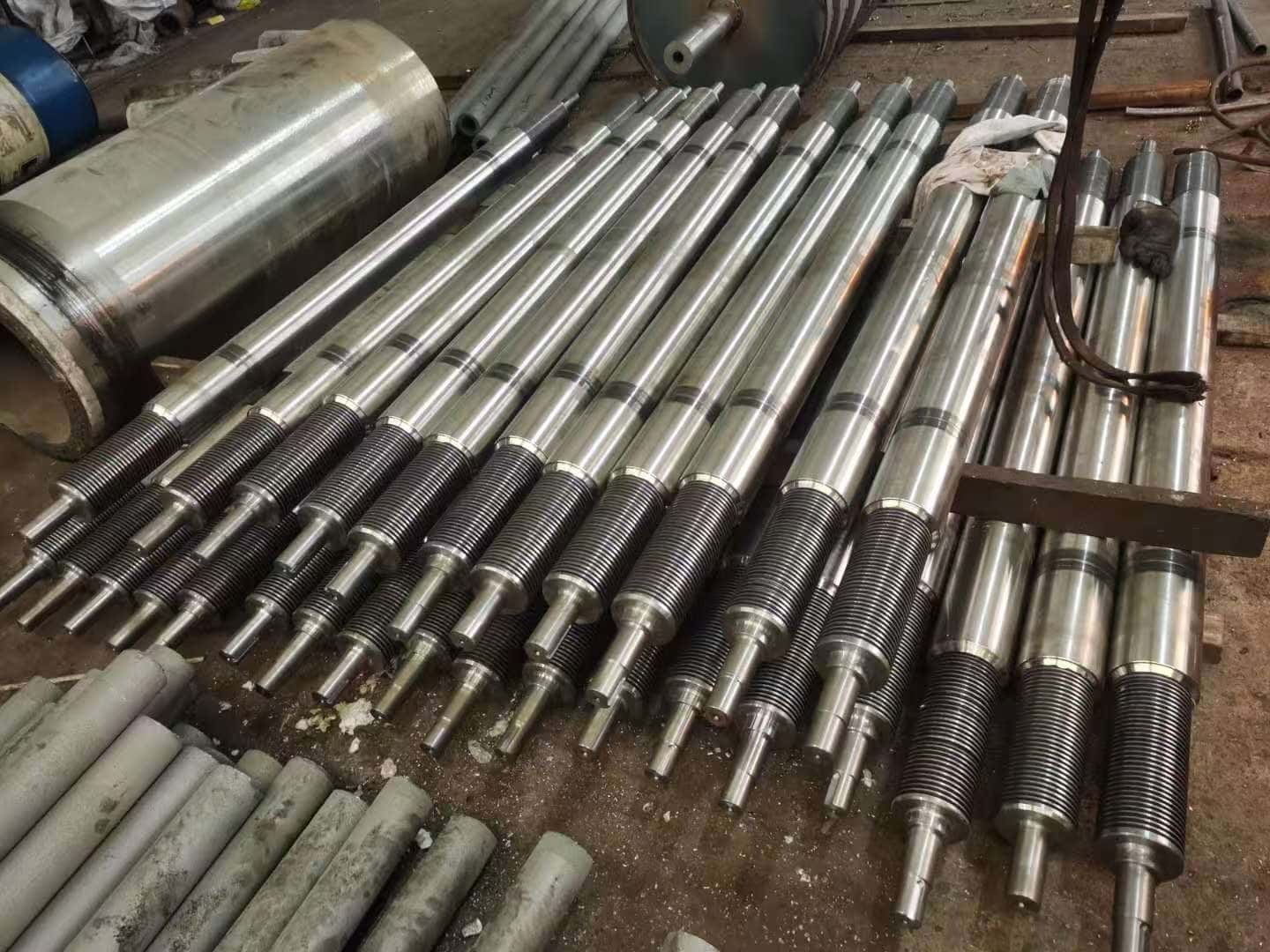
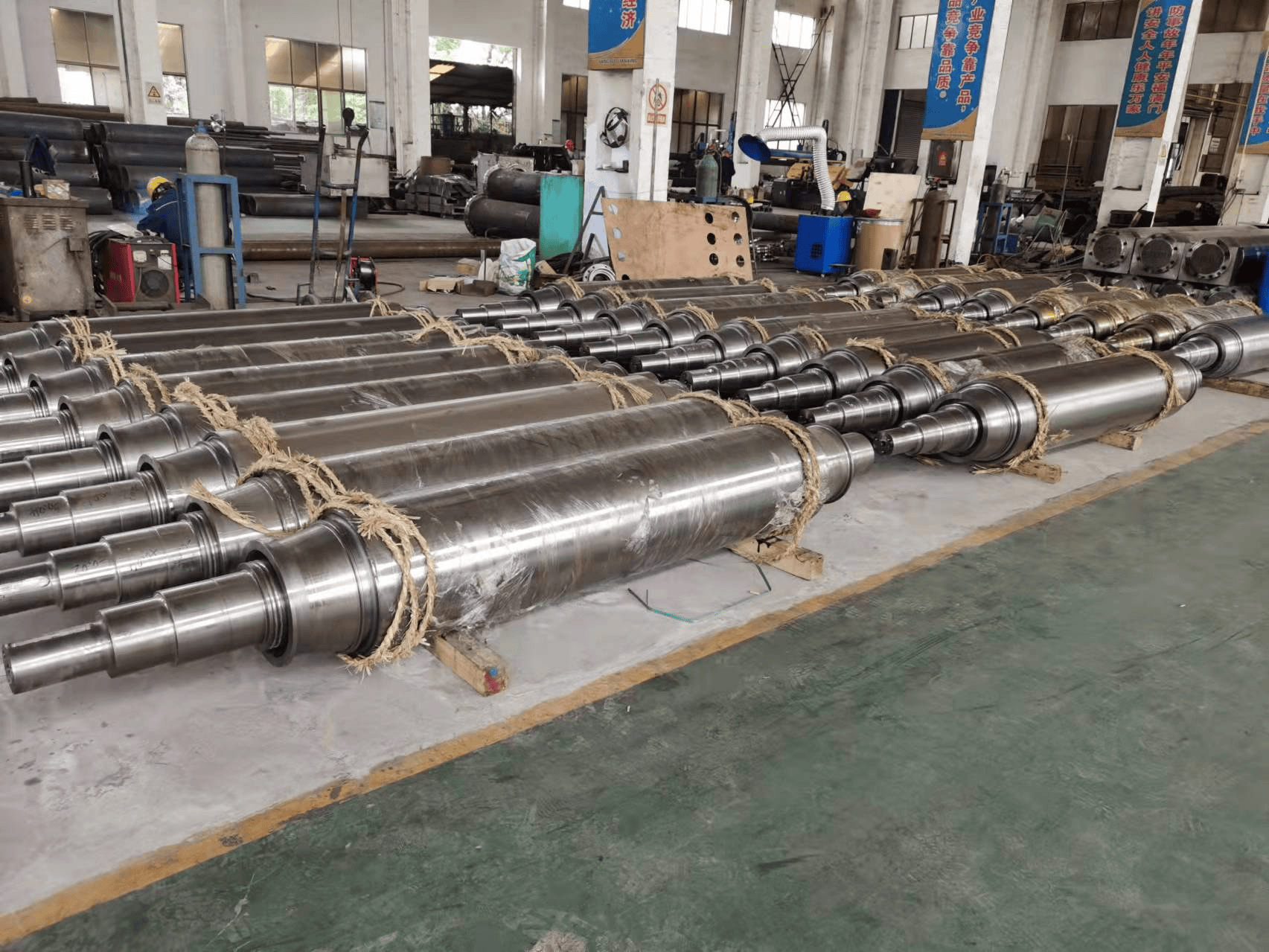
Reliable heat treatment equipment depends on durable high-temperature components. Heat treatment baskets, furnace trays and heat treatment fixtures support workpieces during heating, while radiant tubes, furnace rolls and conveyor parts help control heating and material movement inside industrial furnaces.
Well-designed heat treatment furnace parts improve load stability, heat circulation and production continuity throughout repeated thermal cycles.

5. Select Furnace Parts for Your Actual Heat Treatment Process
Every heat treatment process creates different requirements for industrial furnace components. Operating temperature, furnace atmosphere, production load, thermal cycle and expected service life should all be reviewed when selecting heat-resistant alloys and replacement parts.
For existing equipment, custom heat treatment furnace parts and vacuum furnace spare parts can be manufactured from drawings, samples or measured dimensions to match the application and installation requirements.
The heat treatment process is a controlled method of heating, holding and cooling metal to achieve required material properties. Metal heat treatment can improve hardness, strength, toughness, wear resistance and dimensional stability for industrial components.
The heat treatment process helps manufacturers achieve more reliable material performance without changing the basic shape of the part. It is widely used in automotive, machinery, energy, aerospace and industrial manufacturing where metals must perform under load, wear or high-temperature conditions.
Common metal heat treatment processes include annealing, normalizing, hardening, quenching, tempering, stress relieving, solution treatment, carburizing, nitriding and vacuum heat treatment. Each process uses different temperature profiles, holding times, cooling methods and furnace atmospheres.
Annealing is generally used to reduce internal stress and improve machinability or ductility. Hardening increases surface or overall hardness through controlled heating and cooling, while tempering adjusts hardness and toughness after hardening to achieve the required balance of properties.
An industrial furnace provides the controlled temperature, atmosphere and heating cycle required for consistent heat treatment. Different industrial furnaces—including carburizing furnaces, vacuum furnaces, mesh belt furnaces and roller hearth furnaces—are selected according to the process, workpiece size, load and production volume.
Heat treatment equipment includes the industrial furnace and the high-temperature components used to load, heat, support, convey and protect workpieces during a thermal cycle. Typical heat treatment equipment includes furnace heating systems, loading fixtures, trays, baskets, radiant tubes, furnace rolls and conveyor components.
Heat treatment baskets, furnace trays and heat treatment fixtures securely hold workpieces during heating, quenching and cooling. Their material, geometry and load capacity affect part spacing, heat circulation, deformation control and production efficiency inside a heat treatment furnace.
Radiant tubes, furnace retorts, furnace rolls, heating fixtures, trays and charging baskets are commonly exposed to high temperatures and repeated thermal cycles. These heat treatment furnace parts are often made from heat-resistant steel or heat-resistant alloys to resist oxidation, distortion, creep and thermal fatigue.
Furnace atmosphere has a major effect on the service life of industrial furnace components. Carburizing, oxidizing and vacuum environments can require different heat-resistant alloy solutions. Operating temperature, part load, thermal cycle and expected service life should all be reviewed before selecting replacement furnace parts.
Yes. Custom heat treatment furnace parts can be manufactured from drawings, old samples, photographs or measured dimensions. Heat treatment baskets, furnace trays, fixtures, radiant tubes, furnace rolls and vacuum furnace spare parts can be matched to existing equipment, installation features and actual operating conditions.

 +44 7419 144346