
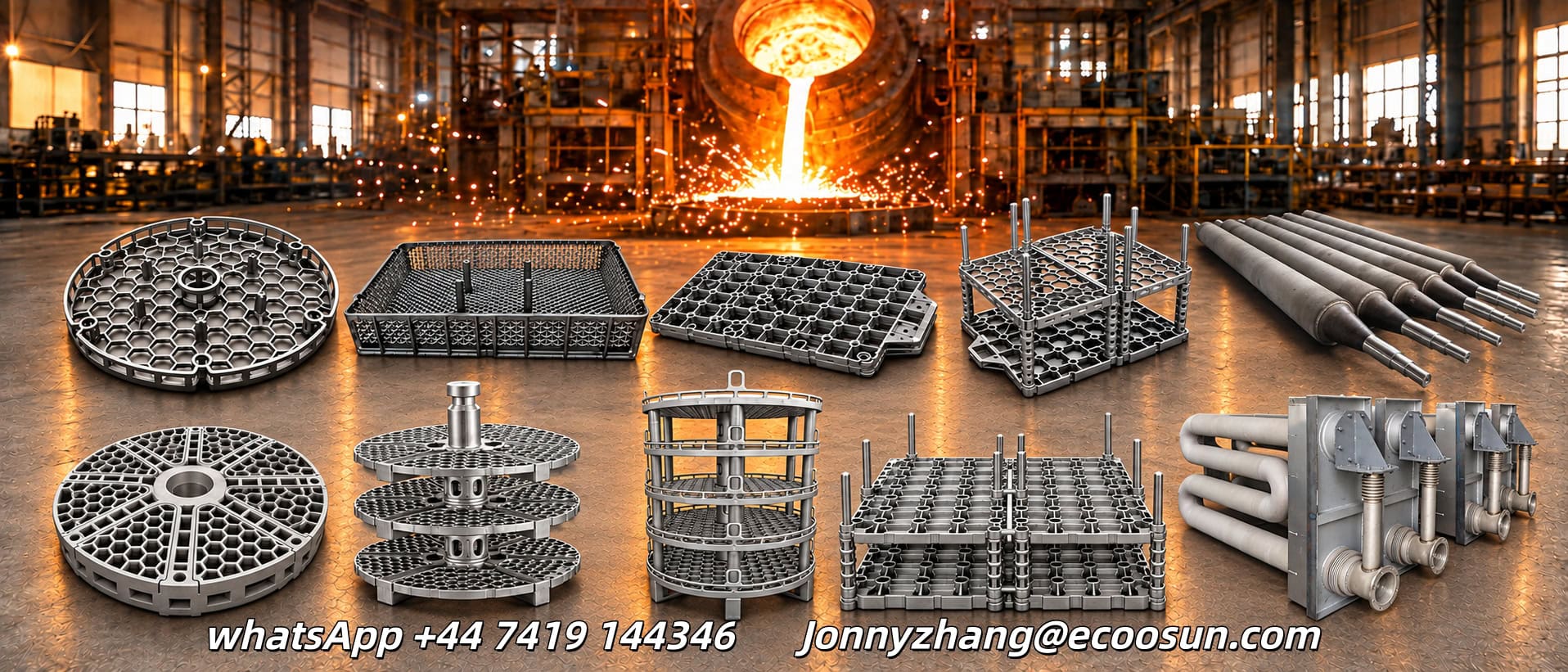
What Is Furnace Part Failure Analysis?
Furnace part failure analysis is the systematic evaluation of damaged or worn industrial furnace components to identify why they failed and how future failures can be prevented. It examines the condition of heat treatment furnace parts, including heat treatment baskets, furnace trays, fixtures, radiant tubes, furnace rolls and other high-temperature components.
The analysis may consider cracking, distortion, oxidation, carburization, creep deformation, wall thinning, excessive loading, furnace atmosphere, operating temperature and repeated thermal cycling. By reviewing the failed component together with its material grade, design, dimensions and service history, engineers can determine whether the issue is related to heat-resistant alloy selection, casting quality, installation or actual furnace operating conditions.
For replacement furnace parts, failure analysis helps ensure that the new industrial furnace component is better matched to the heat treatment process and expected service life.
Custom Heat Treatment Furnace Parts
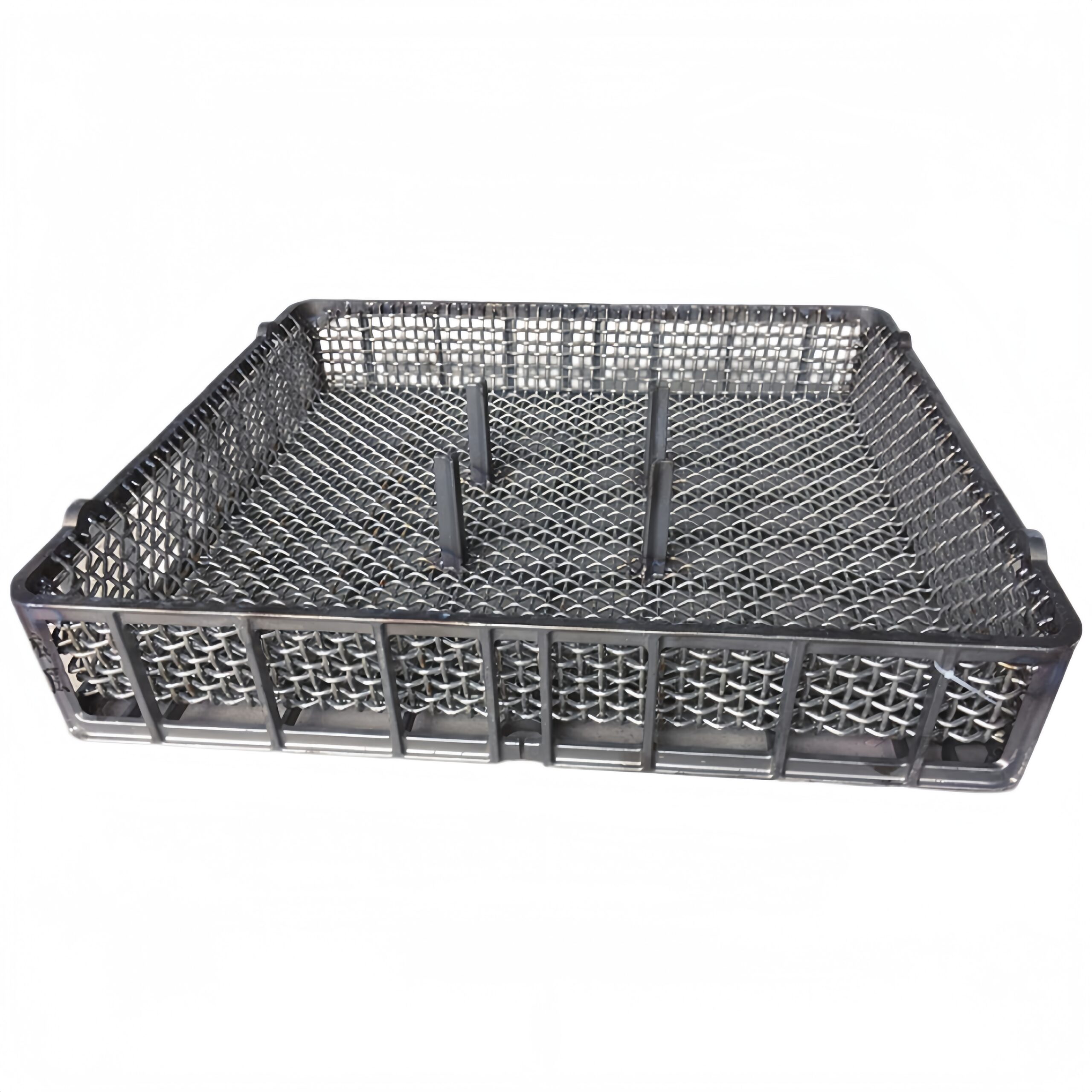
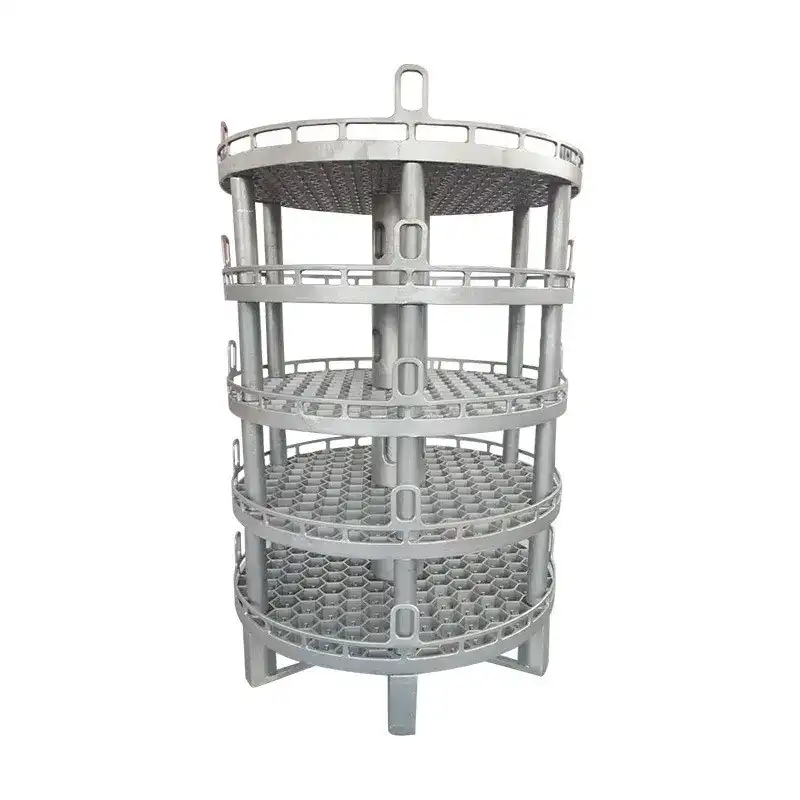
Custom heat treatment basket designed for stable loading, uniform heat circulation and repeated high-temperature cycles.
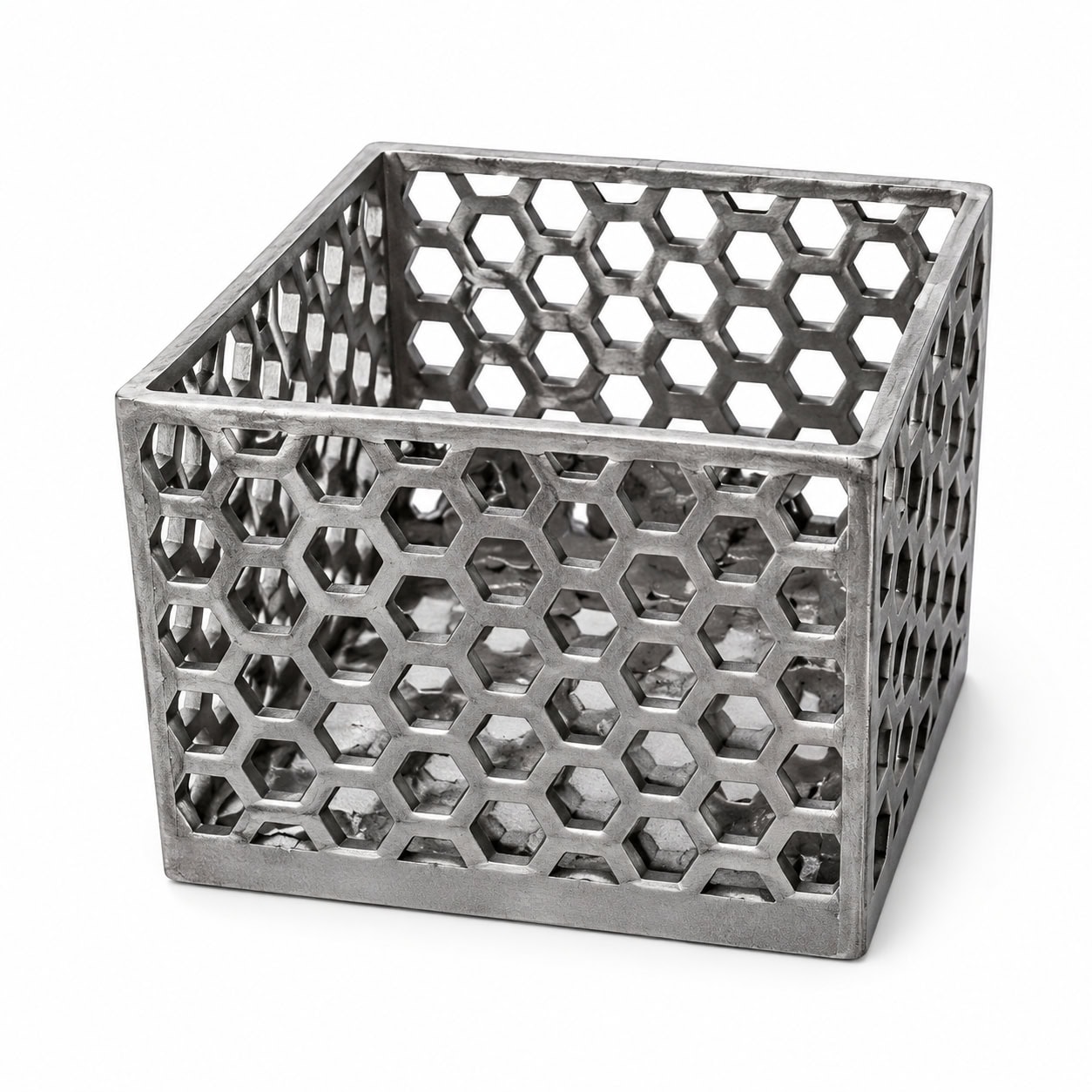
Heavy-duty furnace basket manufactured from heat-resistant alloy for demanding industrial furnace applications.
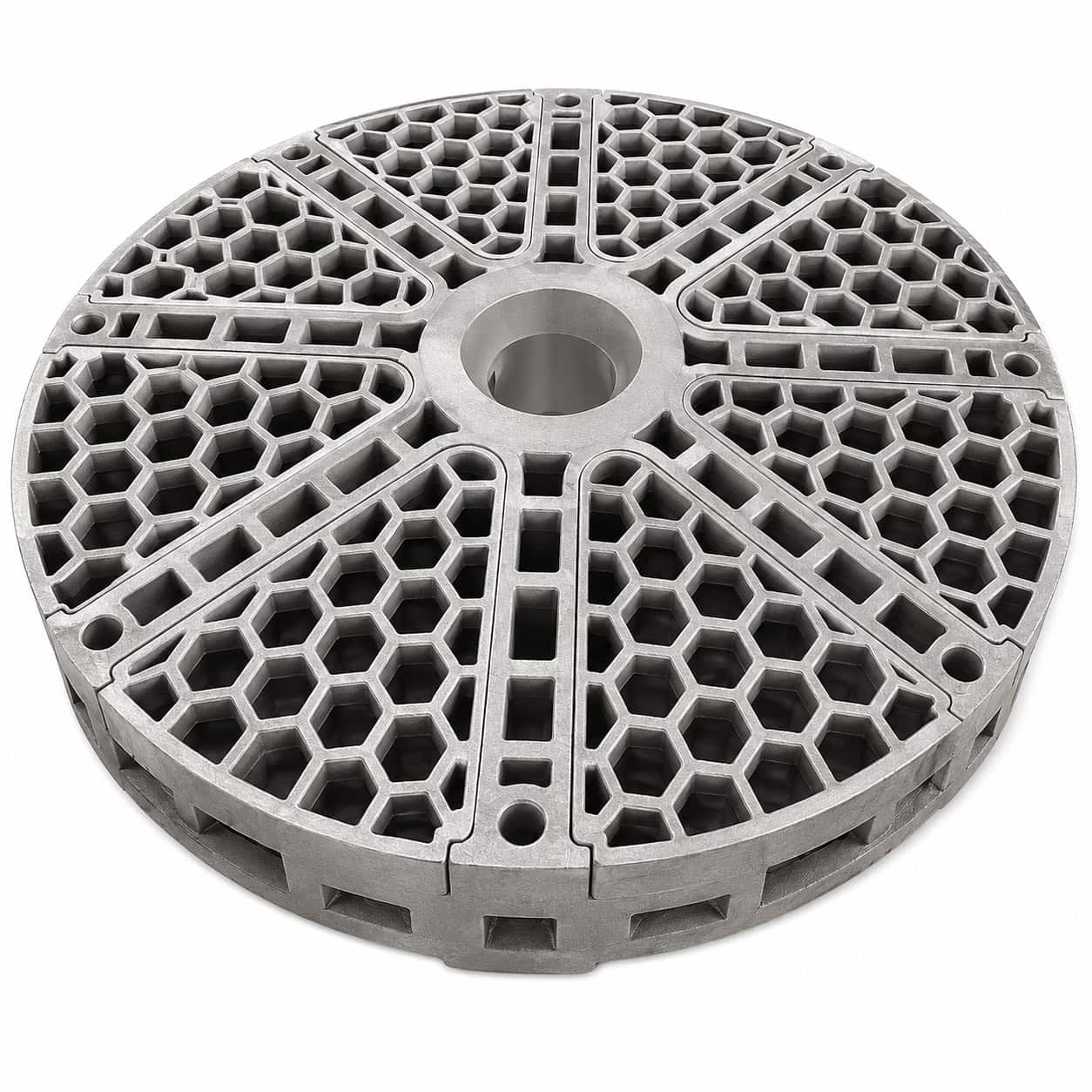
Carburizing basket engineered to resist oxidation, thermal fatigue and deformation in controlled-atmosphere furnaces.
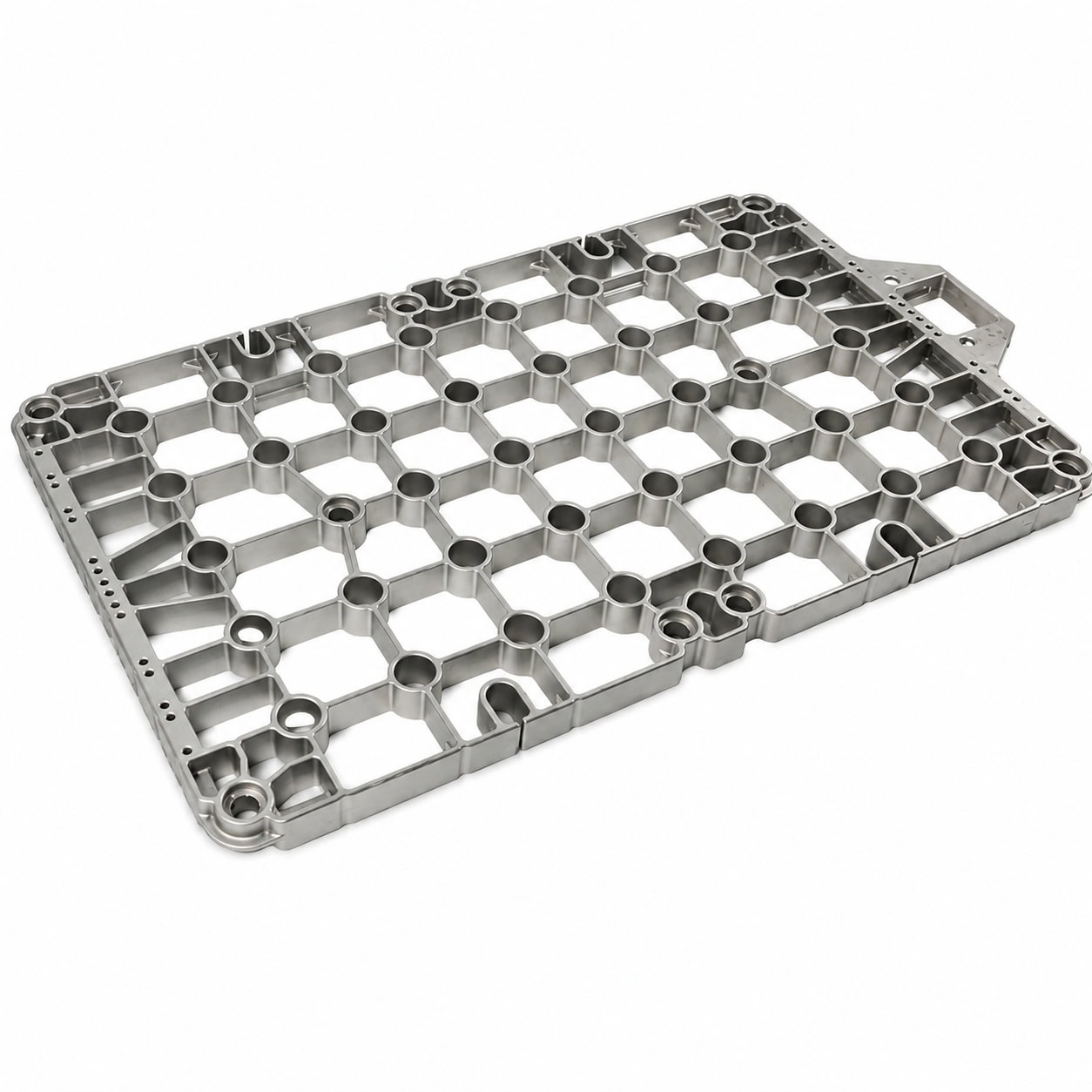
Heat-resistant basket with optimized grid structure for improved airflow, load distribution and longer service life.
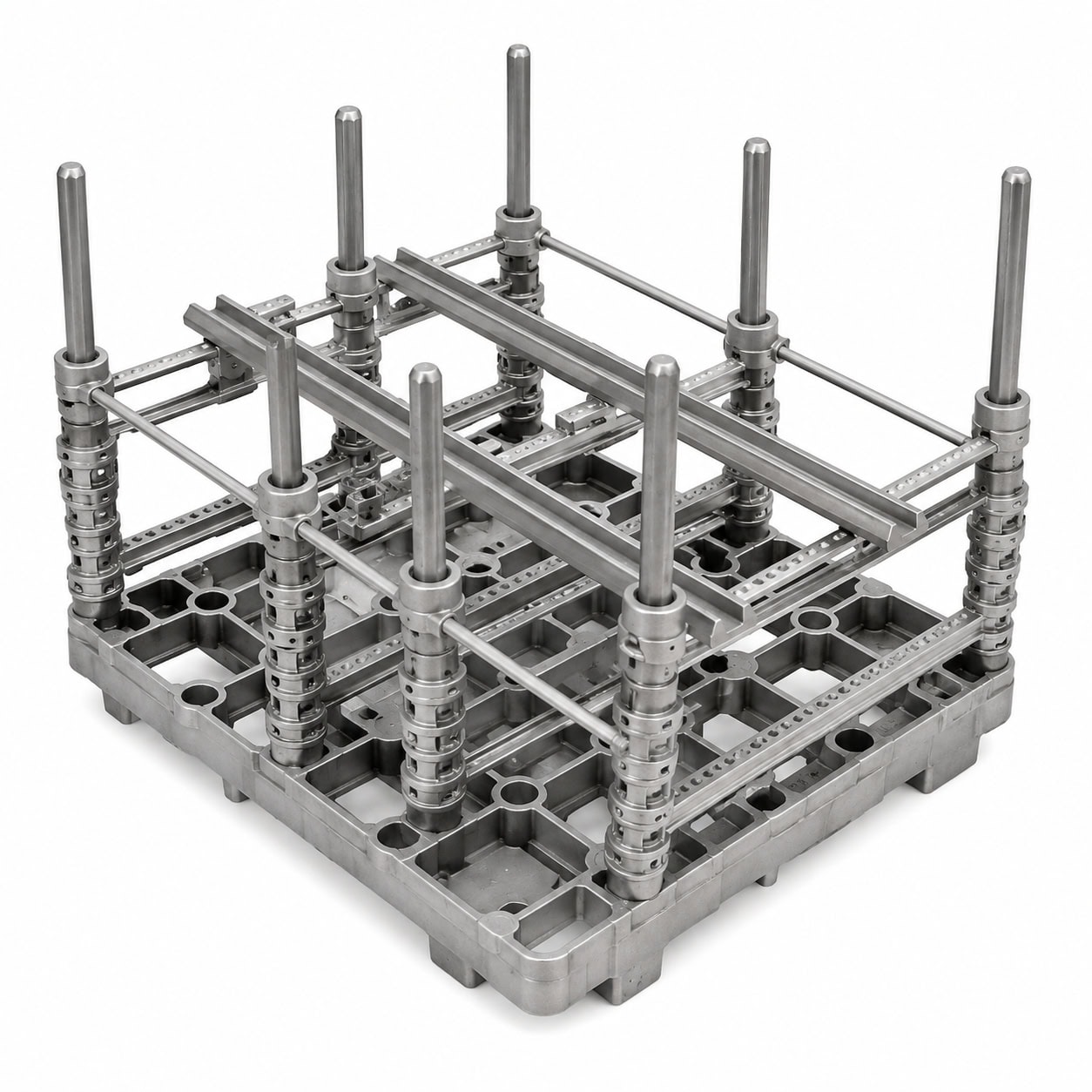
Custom furnace charging basket produced to your drawings, furnace dimensions and operating requirements.
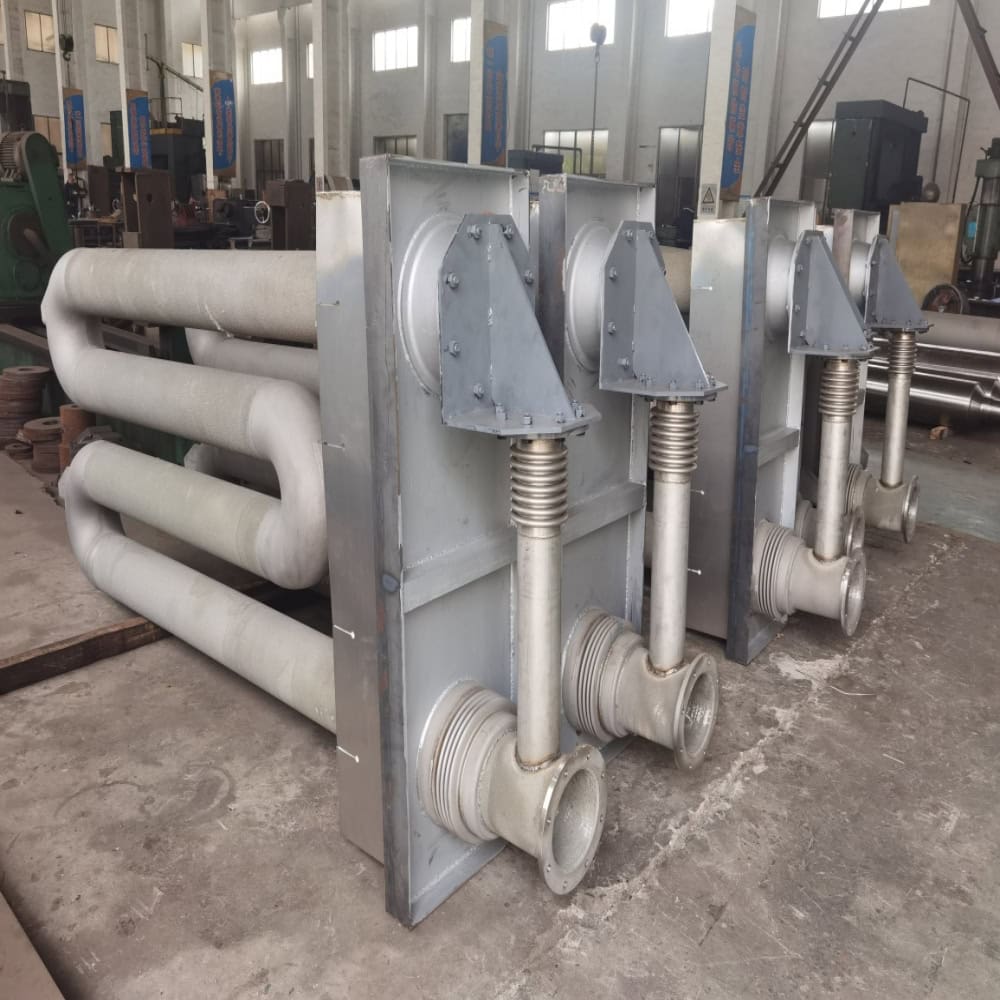
Precision-cast heat treatment fixture built for annealing, hardening, tempering and other heat treating processes.
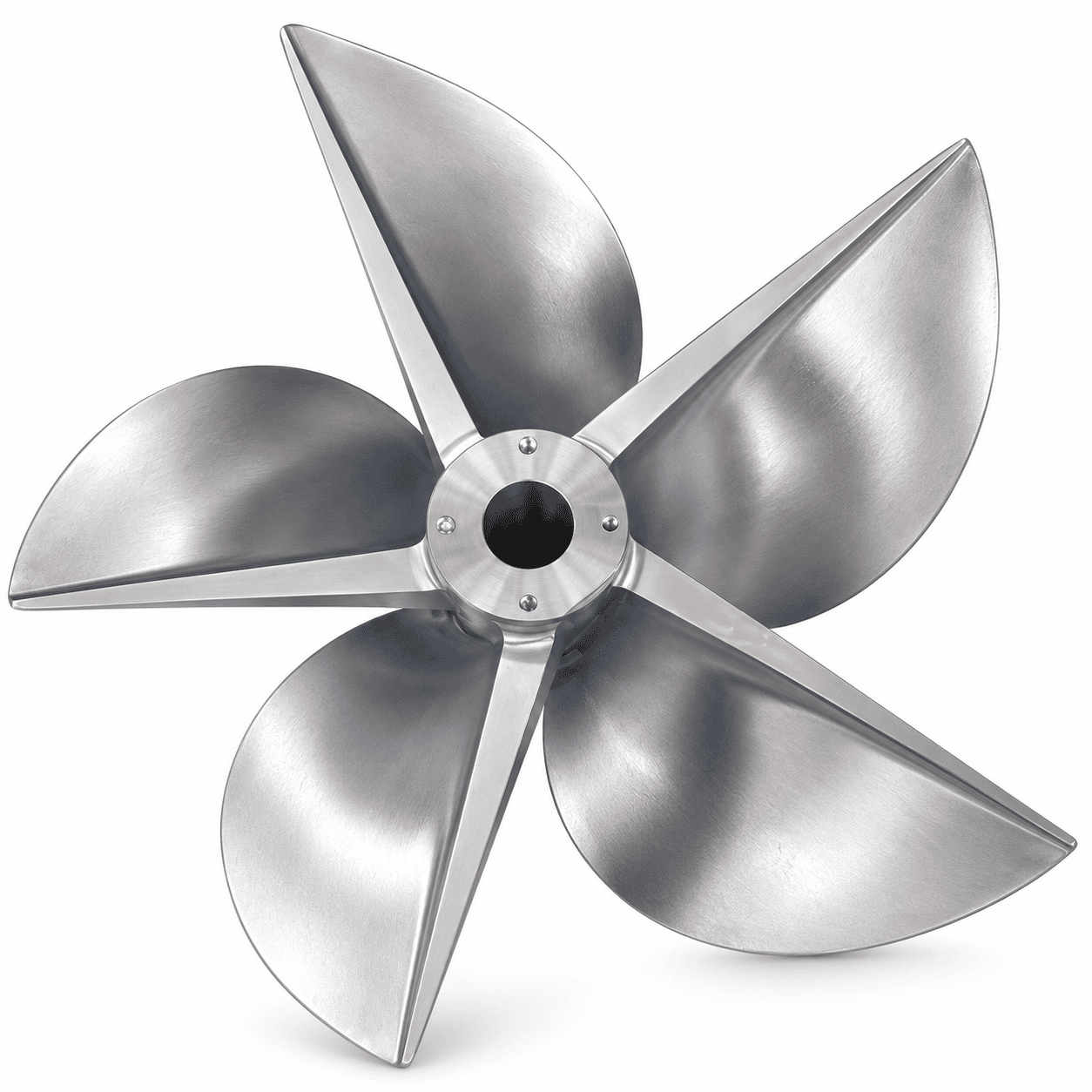
OEM /ODM heat treatment furnace part designed for reliable replacement, accurate fit and consistent production performance.
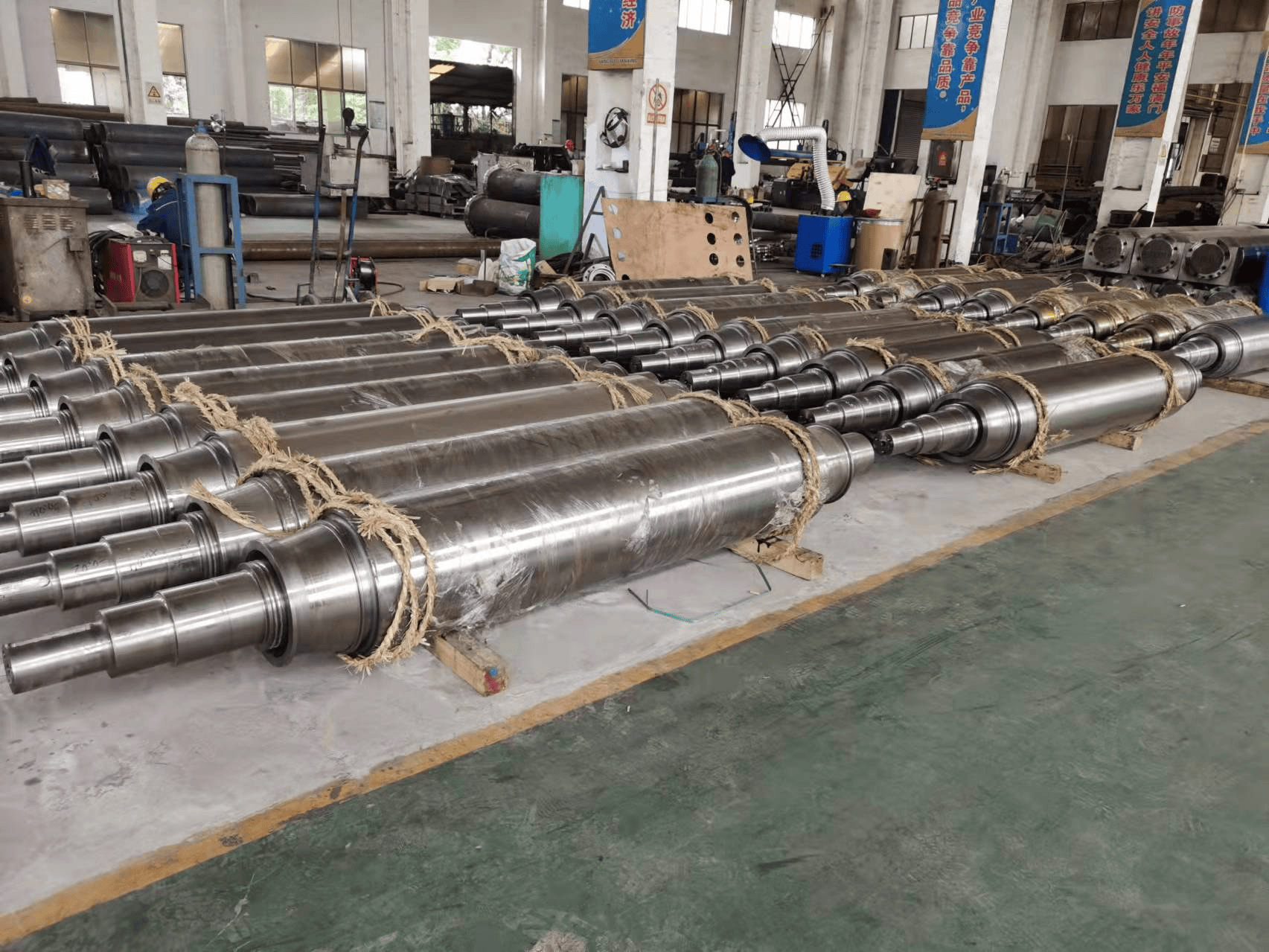
Cast steel furnace basket manufactured by sand casting, investment casting or lost foam casting for custom applications.
1. Why Do Heat Treatment Furnace Parts Fail?
Heat treatment furnace parts operate in one of the most demanding environments in industrial manufacturing. High temperature, rapid thermal cycling, oxidation, carburizing atmospheres, mechanical loading and uneven heat distribution can gradually reduce the service life of industrial furnace components.
Common failure modes include thermal-fatigue cracking, creep deformation, wall thinning, oxidation scale, broken supports and loss of dimensional accuracy. Heat treatment baskets, furnace trays, fixtures, radiant tubes and furnace rolls can all fail prematurely when the selected heat-resistant alloy, casting design or operating condition is not properly matched to the application.

2. Recognize Early Warning Signs Before Furnace Downtime
Visible damage is often the final stage of a developing furnace-part failure. Cracks around joints, distorted tray frames, warped baskets, uneven roller surfaces, thinning tube walls, damaged mounting areas and poor fitment are common warning signs that a heat treatment furnace component may need inspection or replacement.
Regular checks of heat treatment equipment can help identify issues before they interrupt production. Comparing the failed part with its original dimensions, installation position and operating history provides useful information for evaluating replacement furnace parts and reducing the risk of repeated unplanned downtime.
3. Identify the Root Cause, Not Just the Failed Component
A damaged industrial furnace part should not simply be copied without understanding why it failed. The root cause may be related to furnace atmosphere, operating temperature, heating rate, cooling cycle, production load, workpiece arrangement, mechanical stress or insufficient clearance during installation.
For example, carburizing conditions can accelerate material degradation, while excessive load or poor support geometry can cause furnace trays and heat treatment fixtures to distort. A proper failure analysis reviews the actual heat treatment process, the existing heat-resistant steel grade, component dimensions and service history before defining a replacement solution.
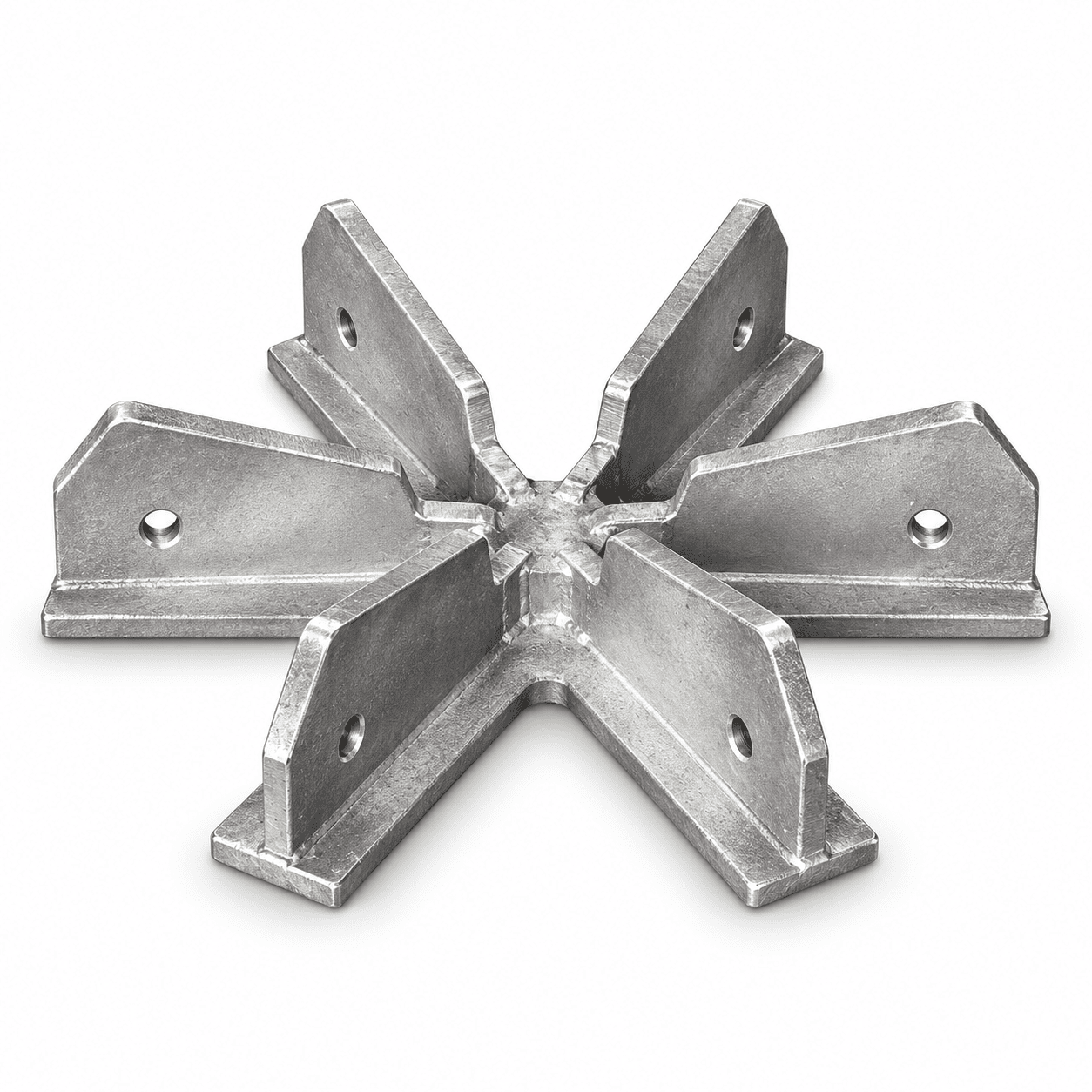
4. Improve Service Life with Better Replacement Furnace Parts
A replacement part is an opportunity to improve the reliability of existing heat treatment equipment. By selecting suitable heat-resistant alloys, optimizing wall thickness and support geometry, and controlling casting and machining quality, custom industrial furnace parts can be better matched to the real operating environment.
Replacement heat treatment furnace parts can be manufactured from drawings, failed samples, photos or measured dimensions. Whether the requirement is for furnace trays, heat treatment baskets, radiant tubes, furnace rolls or vacuum furnace spare parts, the objective is not only to replace the damaged component, but also to achieve longer and more predictable service life.
Furnace part failure analysis is the systematic evaluation of damaged, worn or distorted industrial furnace components to identify why a failure occurred. It reviews the failed heat treatment furnace part together with its material, design, dimensions, operating temperature, furnace atmosphere, load condition and service history.
The purpose is not only to replace the damaged component, but also to reduce the risk of the same failure happening again in the heat treatment process.
Heat treatment furnace parts can fail because of thermal fatigue, oxidation, carburization, creep deformation, excessive loading, poor installation or unsuitable heat-resistant alloy selection. Failures may develop gradually over many heating cycles before a furnace tray cracks, a basket deforms, a radiant tube thins or a furnace roll loses dimensional accuracy.
The actual cause often involves a combination of furnace conditions and component design, rather than one single issue.
Common failure modes include cracking, warping, distortion, wall thinning, oxidation scale, broken joints, creep sagging, wear at contact points and loss of mounting accuracy. These problems can affect heat treatment baskets, furnace trays, heat treatment fixtures, radiant tubes, furnace rolls, retorts and conveyor components.
Visible damage is important, but hidden material degradation or dimensional change may also affect process stability before a part completely fails.
At elevated temperatures, heat-resistant steel castings may gradually lose strength, oxidize, deform under load or develop thermal-fatigue cracks during repeated heating and cooling. Long exposure can also cause creep, especially in furnace trays, charging fixtures and other loaded heat treatment furnace parts.
The suitable heat-resistant steel or heat-resistant alloy must be selected according to the actual service temperature, load, heating cycle and expected component life.
Furnace atmosphere strongly affects the life of industrial furnace components. Carburizing atmospheres can accelerate carburization and material degradation, while oxidizing conditions can cause scale formation and wall thinning. Vacuum furnace spare parts require materials that remain stable at high temperature under controlled low-pressure conditions.
When analyzing a failed furnace part, the atmosphere must be reviewed together with temperature, cycle time and component material grade.
Warning signs include visible cracks, distorted frames, warped furnace trays, broken basket supports, uneven furnace rolls, thinning radiant tube walls, loose joints, rough contact surfaces and poor fitment during installation. A component may also require replacement when it no longer holds the designed load or causes workpieces to sit unevenly.
Routine inspection of heat treatment equipment helps identify these issues before they lead to unplanned furnace downtime or damaged production loads.
Heat treatment baskets and furnace trays can distort when they are overloaded, heated unevenly, cooled too quickly or manufactured with an unsuitable structure or alloy. High-temperature load-bearing components must maintain rigidity while exposed to thermal expansion, repeated cycles and furnace atmosphere.
A failure review should examine the load arrangement, wall thickness, rib design, support points, alloy grade and actual heat treatment process before producing a replacement tray or basket.
Radiant tubes may fail because of oxidation, creep, thermal shock, carburization or uneven heating. Furnace rolls can fail because of high-temperature wear, bending under load, bearing-area damage, surface oxidation or poor alignment in continuous industrial furnaces.
For radiant tubes and furnace rolls, replacement design should consider heating method, temperature zone, mechanical load, installation dimensions, rotation or conveying conditions, and the selected high-temperature alloy.
Not always. Copying an old heat treatment furnace part can reproduce the same weakness if the original material, wall thickness, support geometry or installation method contributed to the failure. A better approach is to compare the old component with its actual operating conditions and identify practical improvements.
Custom replacement furnace parts can be optimized through heat-resistant alloy selection, improved casting design, machining of critical dimensions and better structural support where required.
Useful information includes a drawing, failed sample, photographs, overall dimensions, material grade if known, operating temperature, furnace atmosphere, load condition, heating cycle, installation method and required quantity. Details about the failure location and service life are especially valuable for identifying the root cause.
This information helps evaluate custom industrial furnace parts, including heat treatment baskets, furnace trays, fixtures, radiant tubes, furnace rolls and vacuum furnace spare parts, before recommending a replacement solution.

 +44 7419 144346