
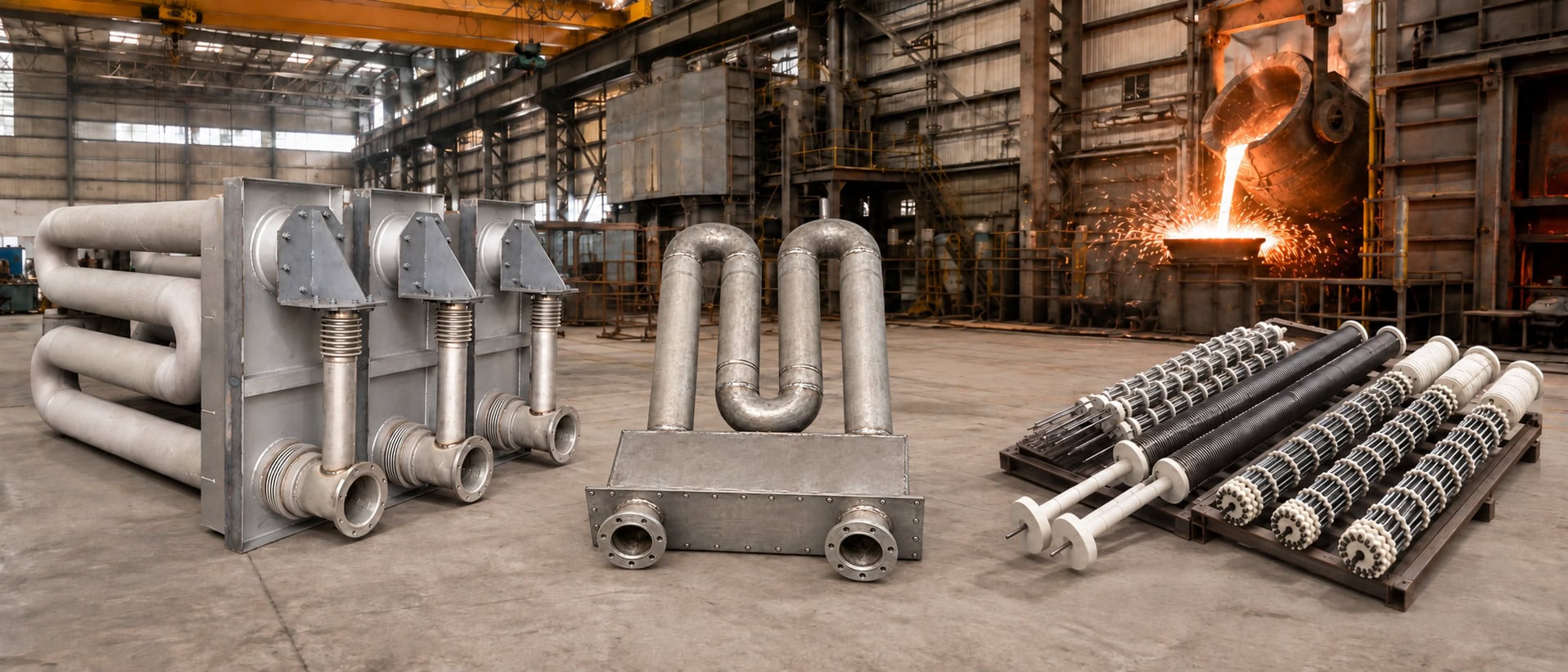
What Is a Radiant Tube?
A radiant tube is a heat-resistant component designed to transfer heat efficiently inside heat treatment furnaces and other industrial furnace systems while keeping combustion gases separated from the furnace atmosphere. Depending on furnace design and operating conditions, radiant tubes are widely used in carburizing, annealing, hardening, tempering and continuous heat treatment processes where accurate temperature control and clean heating are essential. Manufactured from premium heat resistant alloys, a high-quality heat resistant tube provides excellent oxidation resistance, thermal fatigue resistance and long service life under continuous high-temperature operation.
Radiant-tube selection starts with tube configuration, furnace atmosphere, firing method, operating temperature range and thermal cycling. Gas-fired radiant tubes and other heat-resistant tubes should be reviewed as complete application-specific components, not identified by alloy grade or casting route from appearance alone.
Centrifugal Casting and Radiant-Tube Requirements
For cylindrical cast sections, the rotating-mould casting guide explains general centrifugal-casting principles and the information needed to evaluate centrifugal cast radiant tubes. Material selection remains separate: use the high-temperature cast-steel sourcing guide to frame service-condition questions without treating handbook values as ECOOSUN guarantees.
ECOOSUN manufactures custom Radiant Tubes for global furnace builders and heat treatment companies. Our product range includes Gas Fired Radiant Tubes, U-Type Radiant Tubes, W-Type Radiant Tubes, straight radiant tubes and custom fabricated assemblies. According to different service temperatures, fuel systems and furnace designs, radiant tubes can be produced by centrifugal casting, precision machining and welded fabrication to achieve superior heat transfer efficiency, dimensional stability and reliable performance in demanding industrial furnace applications.
For radiant tube selection, ECOOSUN reviews furnace temperature, atmosphere, heat-transfer requirements, tube geometry and thermal cycling. Common heat-resistant grades include EN 1.4852 / 25Cr-35Ni-Nb for approximately 1,100–1,150°C service, EN 1.4851 / X15CrNiSi25-21 for approximately 900–1,000°C, EN 1.4845 / 25Cr-20Ni for approximately 900–1,000°C, EN 1.4857 / 25Cr-35Ni / HP40 for approximately 1,050–1,150°C, and HU / ZG45Ni38Cr18Si2 for approximately 1,093°C. Final material selection is confirmed against the drawing, furnace atmosphere and duty cycle. Send your tube drawing, sample or operating data for a quotation.
RFQ support: Request a Quote · Send Your Drawing.
Custom Radiant Tubes for Industrial Furnaces
ECOOSUN manufactures a complete range of Radiant Tubes for heat treatment furnaces, continuous furnaces, roller hearth furnaces and other industrial furnace applications. Our product portfolio includes Gas Fired Radiant Tubes, U-Type Radiant Tubes, W-Type Radiant Tubes, straight Heat Resistant Tubes and custom-engineered assemblies. Produced by Centrifugal Casting, precision machining and fabrication, every radiant tube is designed for excellent heat transfer, oxidation resistance and long service life. OEM/ODM manufacturing and custom production based on your drawings or furnace specifications are fully supported.
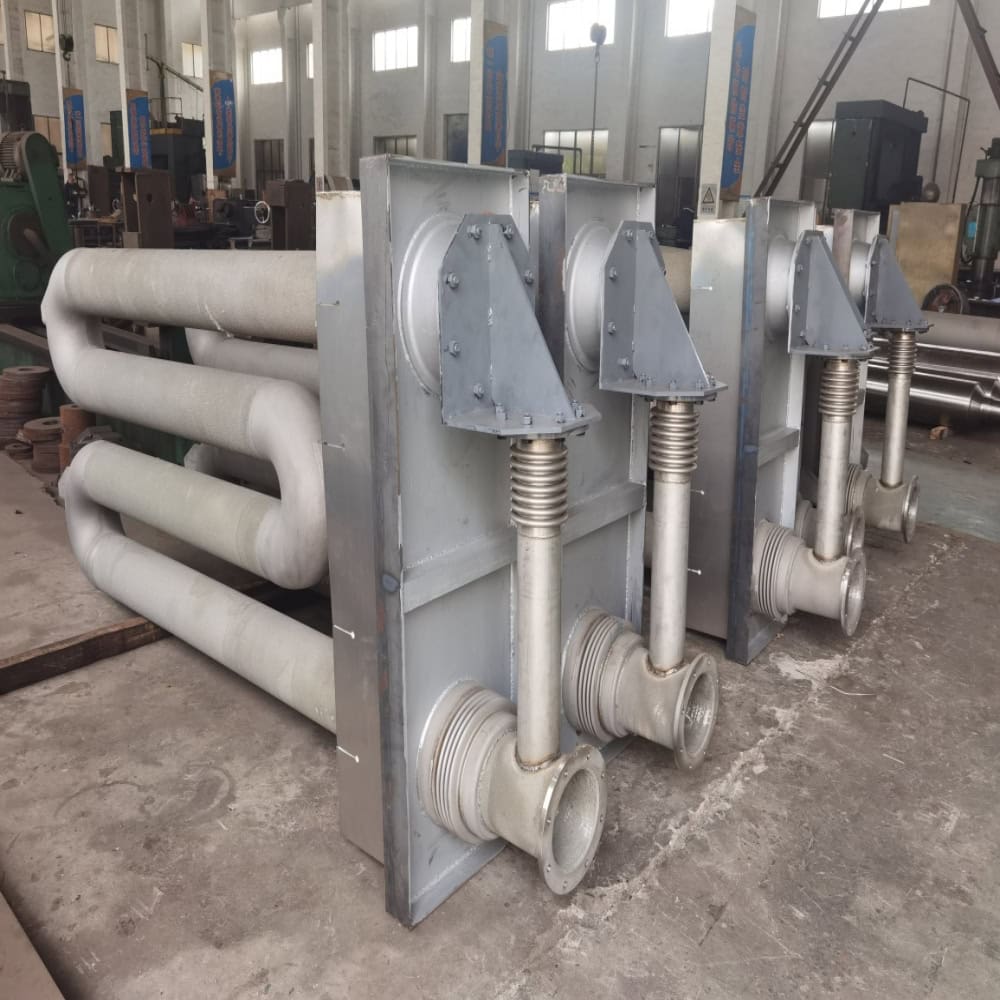
Centrifugally cast radiant tube components manufactured for sound structure, machining allowance and demanding high-temperature furnace service.
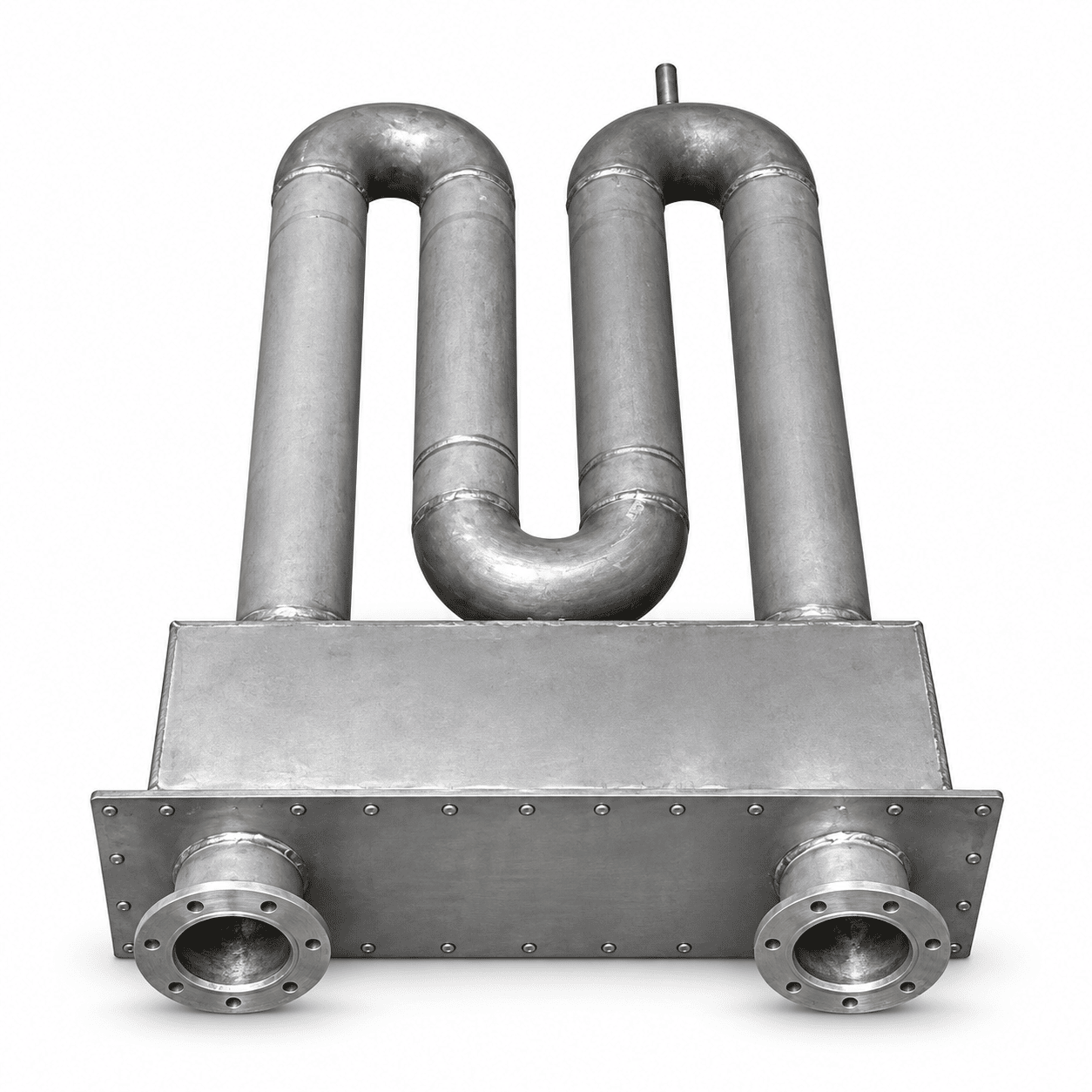
Custom radiant tube engineered for efficient indirect heating, oxidation resistance and repeated thermal cycling.
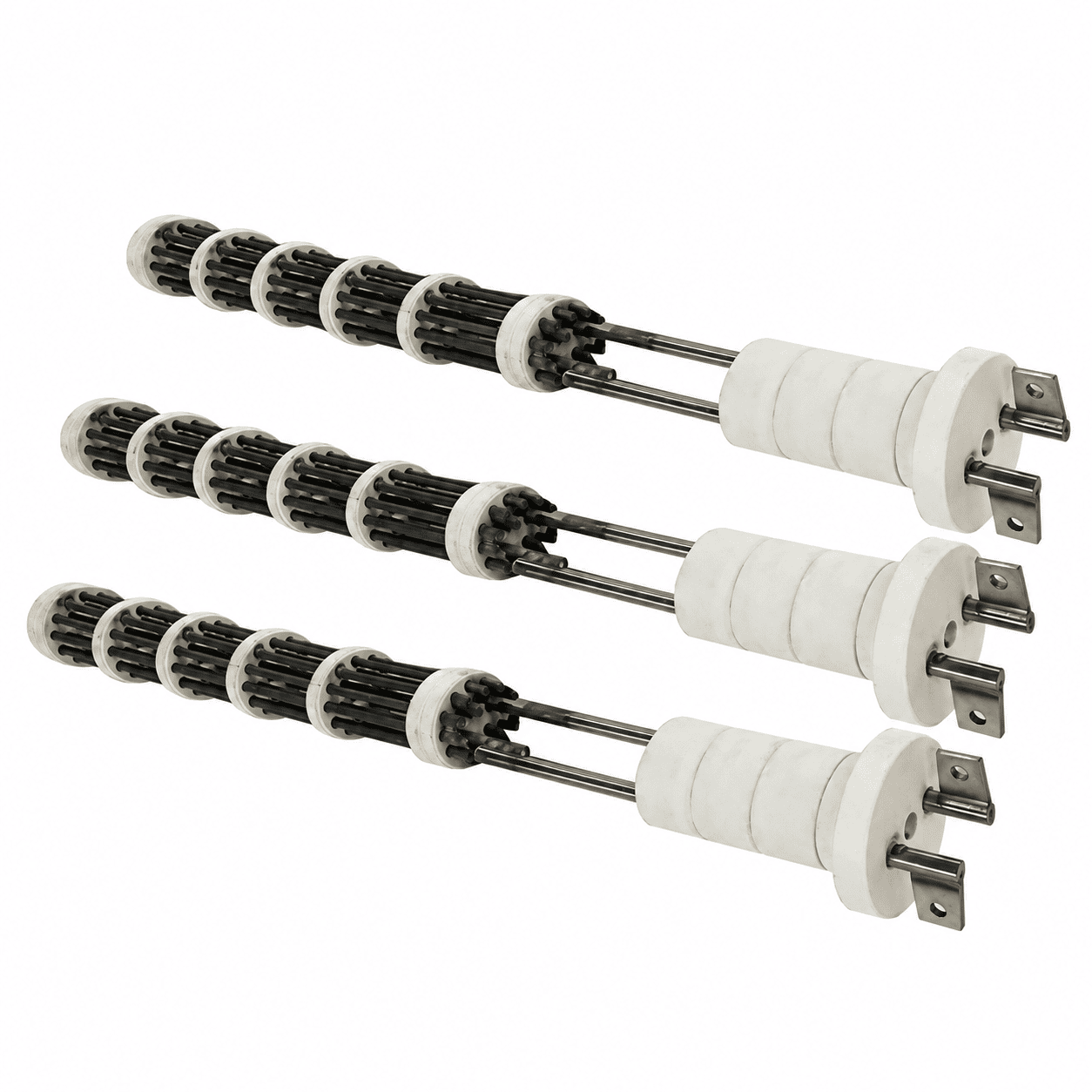
Made-to-drawing radiant tubes produced for replacement projects, accurate installation and reliable furnace operation.
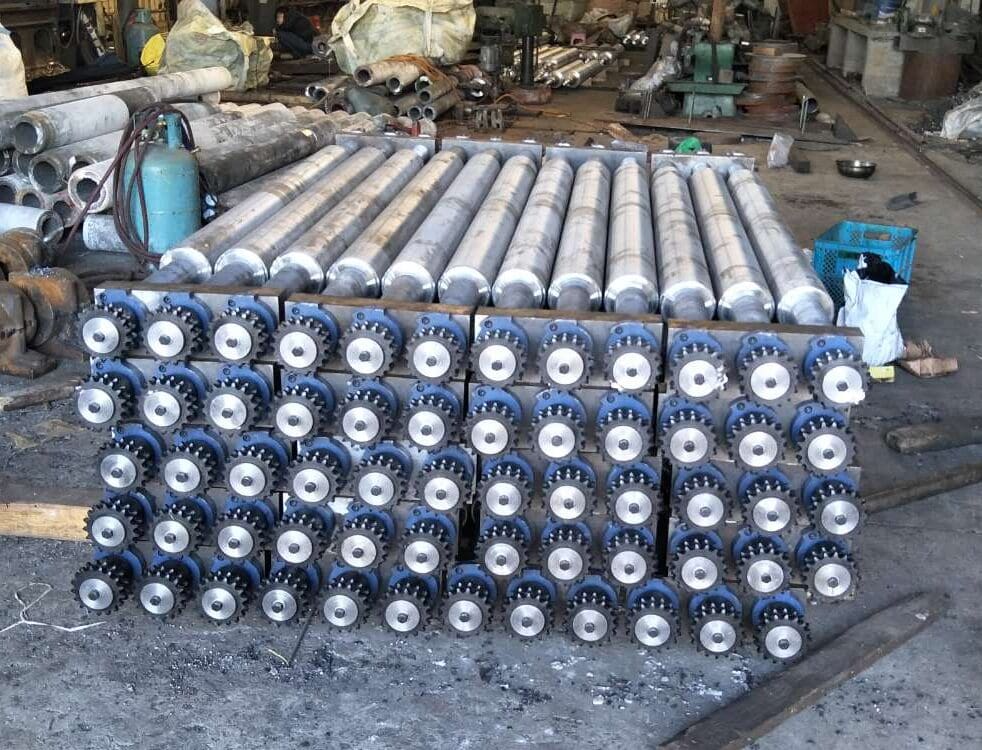
Heat-resistant radiant tube designed around furnace temperature, atmosphere, burner connection and support conditions.
Designed for Reliable Heat Transfer
Every radiant tube plays a critical role in maintaining stable furnace temperature and heating efficiency. Tube geometry, alloy composition, operating atmosphere and burner configuration all influence the performance and service life of gas fired radiant tubes used in industrial furnaces.
Instead of supplying standard products only, ECOOSUN manufactures custom Radiant Tubes, Heat Resistant Tubes and replacement furnace heating components based on your furnace design, operating temperature and combustion system. Each solution is engineered to improve heat transfer, reduce thermal stress and extend operating life.
Our centrifugal casting and fabrication capabilities allow us to produce radiant tubes for continuous furnaces, roller hearth furnaces, annealing furnaces, carburizing furnaces and other high-temperature heat treatment equipment, delivering dependable performance in demanding industrial environments.
See our complete range of heat treatment furnace parts for industrial furnace systems.
Precision Replacement for Your Furnace System
Replacing a Radiant Tube requires far more than matching the overall dimensions. Burner connection, flange position, alloy grade, wall thickness and furnace atmosphere must all work together to ensure safe operation and consistent heating performance. Every Gas Fired Radiant Tube should be engineered specifically for its furnace system.
ECOOSUN manufactures custom Radiant Tubes, Heat Resistant Tubes and Centrifugal Cast Radiant Tubes directly from customer drawings, worn samples or reverse-engineered components. Whether you need U-shaped tubes, W-shaped tubes, double-P tubes or straight radiant tubes, we deliver replacement solutions that fit your existing industrial furnace with minimal modification.
Our engineering team verifies critical dimensions, burner compatibility and installation requirements before production, helping customers reduce shutdown time, simplify maintenance and extend the operating life of their heat treatment equipment.
For continuous conveying systems, also review our custom furnace rolls.
Radiant tube configurations and material selection
ECOOSUN designs and manufactures custom radiant tubes for indirect heating in industrial furnaces. Supply can be reviewed for straight-through, U-shaped, W-shaped, P-shaped and other made-to-drawing configurations. Materials include EN 1.4845 / 25Cr-20Ni, EN 1.4851 / X15CrNiSi25-21, EN 1.4852 / 25Cr-35Ni-Nb, EN 1.4857 / HP40 and HU / ZG45Ni38Cr18Si2, selected according to temperature, atmosphere, burner arrangement and thermal cycling.
Typical reference temperatures are approximately 900–1000°C for EN 1.4845 and EN 1.4851, 1100–1150°C for EN 1.4852, 1050–1150°C for EN 1.4857 / HP40 and about 1093°C for HU. Engineering reference examples in the market include tube outside diameters around 87–115 mm, wall thicknesses around 5–5.5 mm and lengths from approximately 1.875 m to 11.5 m. Final outside diameter, wall thickness, length, bend radius, connection and mounting dimensions are confirmed against the furnace drawing.
Radiant tubes can be reviewed for annealing, carburizing, neutral hardening, carbonitriding, solution treatment and other controlled-atmosphere processes. Inspection may include visual and dimensional checks, chemical composition, hardness, penetrant or magnetic-particle testing, ultrasonic or radiographic testing where required, and traceability to the agreed heat or batch.
Send the furnace model, tube shape, tube drawing, burner or electrical connection details, atmosphere, operating temperature, cycle and quantity. Related options include furnace rolls and heat treatment fixtures. Read our radiant tube buyer guide, then Request a Custom Quote or contact ECOOSUN on WhatsApp.
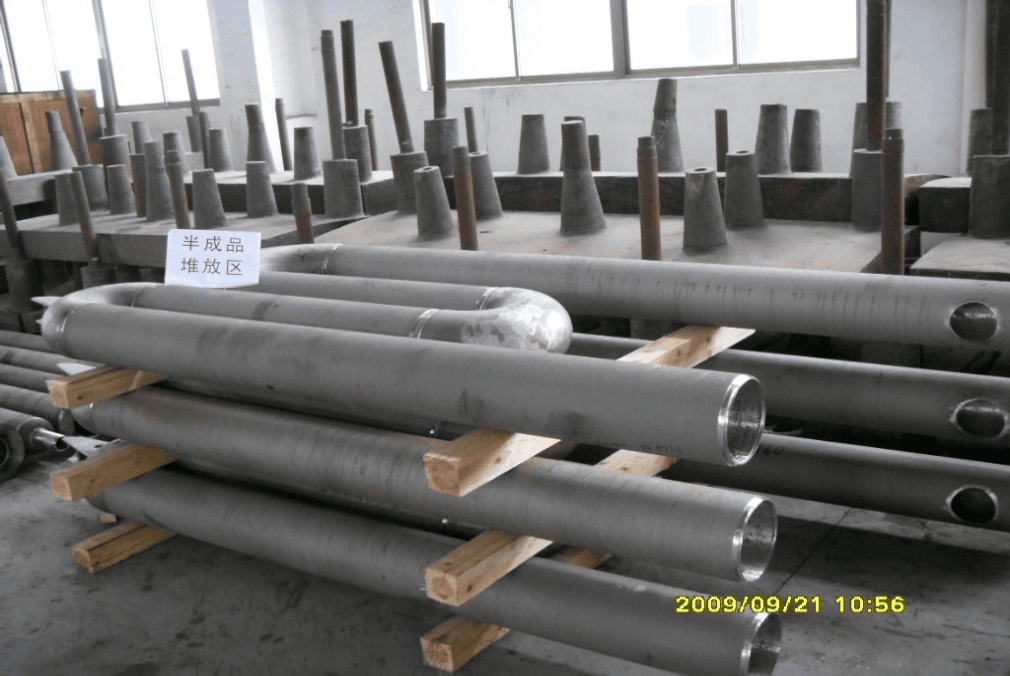
Straight, U-Type and W-Type Radiant Tube Replacement Data
Radiant tube replacement begins with the complete tube path and connection interfaces, not only the nominal outside diameter. Straight, U-type and W-type assemblies can use different supports, burner connections, return bends and fabrication routes. ECOOSUN reviews the drawing, used tube or field measurements together with the furnace zone and failure evidence before confirming the proposed material and manufacturing route.
| Information to provide | Review focus |
|---|---|
| Straight, U-type, W-type or other configuration | Overall heat path and manufacturing route |
| Outside diameter, wall thickness and heated length | Tube section and replacement fit |
| Center distance and bend geometry | Furnace opening and support compatibility |
| Burner, flange and end connection details | Installation interface |
| Support points and permitted movement | Thermal expansion and sagging review |
| Furnace zone, temperature and atmosphere | Alloy and oxidation/carburization exposure |
| Burner duty or heat input if available | Service-condition context |
| Cracks, sagging, thinning, oxidation or joint damage | Defines inspection priorities |
| Required NDT, dimensional or material records | Acceptance scope for the quotation |
Centrifugal Cast and Fabricated Tube Review
Centrifugal casting can be relevant to cylindrical tube sections, while bends, flanges and complete assemblies may require fabrication, welding or machining. The route must be confirmed from the drawing and required interfaces rather than applied to every radiant tube by default.
A failed tube should be inspected for crack location, wall loss, sagging direction, oxidation pattern and joint condition. These observations help define the replacement review, but they do not by themselves prove a single root cause.
Send the radiant-tube drawing or field dimensions, furnace zone, supports, connections and failure photographs.
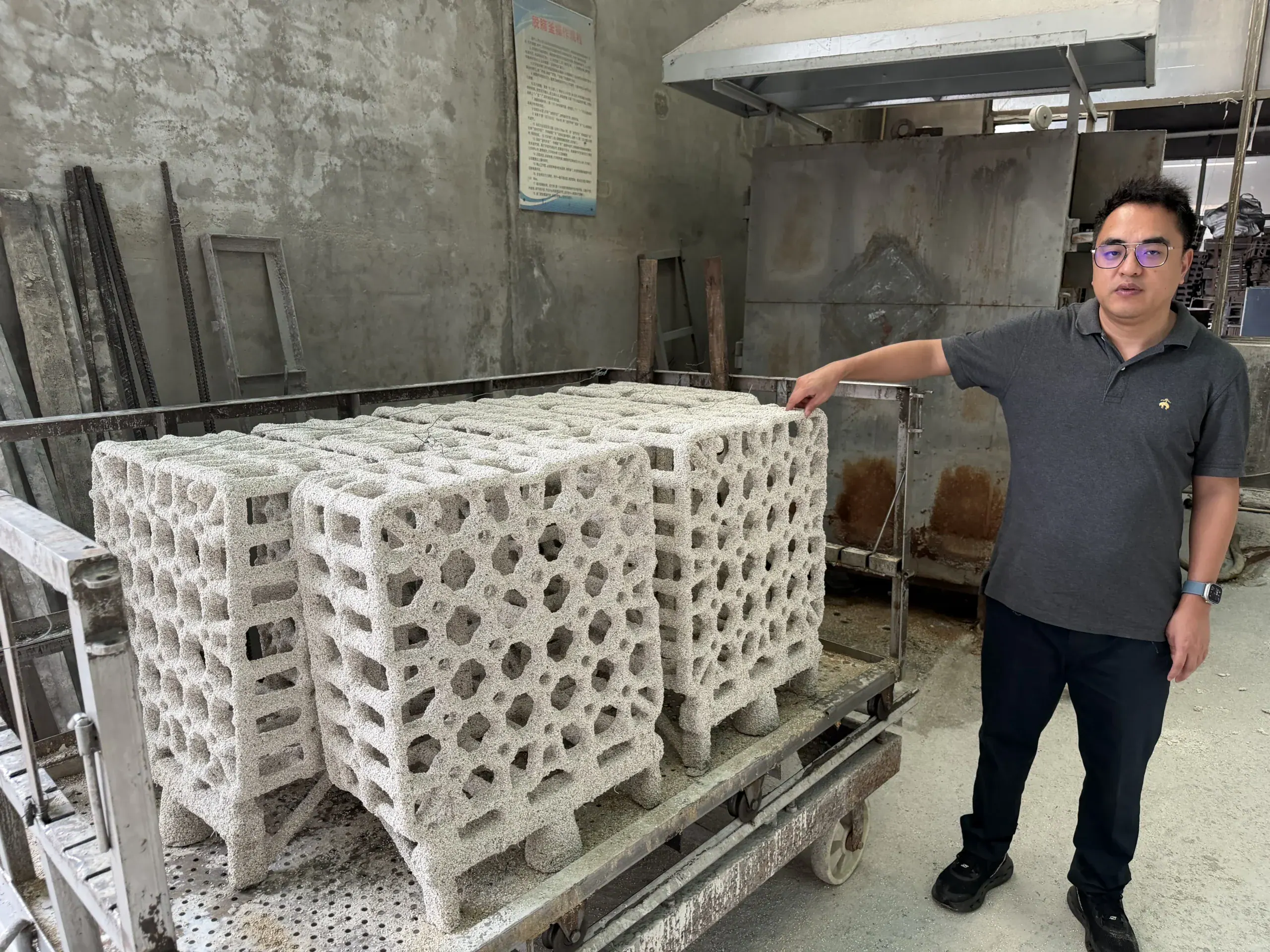
Get to know ECOOSUN and the team behind our heat-resistant castings. We help customers turn application requirements into practical casting solutions for heat treatment and other high-temperature environments.
Every project starts with understanding your operating conditions. From alloy selection to casting production, our team works with you to balance durability, performance, and cost. Whether you need standard components or custom castings, share your drawings and requirements with us to discuss a solution suited to your application.
Hi, I’m Jonny, and I lead ECOOSUN’s international sales team. I’m here to help you find the right heat-resistant casting solution for your application. Whether you have detailed drawings or an initial idea, we can discuss your requirements and offer free design support.
You’ll work directly with me and our factory team throughout the process. Share your dimensions, operating conditions, and project priorities so we can help you explore suitable options. From your first inquiry to production planning, we focus on clear communication and practical support to help you move your project forward.
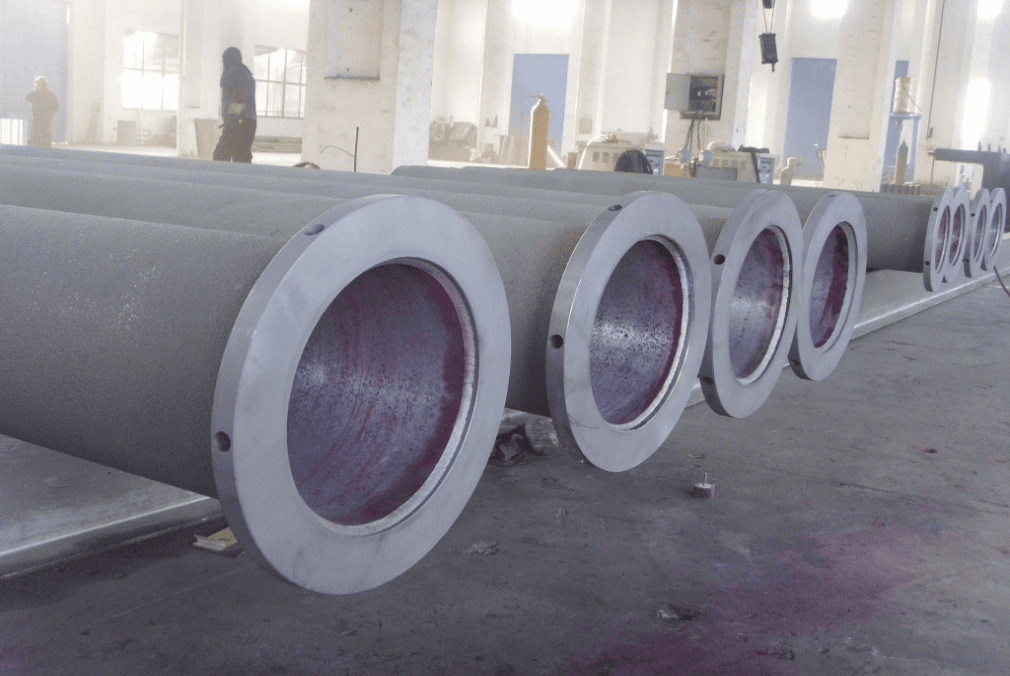
Unexpected failure of a Radiant Tube can reduce furnace efficiency, increase fuel consumption and force costly production downtime. Whether caused by thermal fatigue, oxidation or long-term service, replacing worn Gas Fired Radiant Tubes quickly is essential for maintaining continuous furnace operation.
ECOOSUN manufactures custom Radiant Tubes, Heat Resistant Tubes and Centrifugal Cast Radiant Tubes based on customer drawings, existing samples or reverse-engineered components. Our engineering team verifies dimensions, burner connections and installation interfaces to ensure each replacement tube fits your industrial furnace accurately, helping reduce maintenance time and restore production as quickly as possible.
For repeat orders, production records, tooling data and inspection reports can be retained to shorten lead times and provide consistent quality throughout the entire service life of your heat treatment equipment.
For oxidation, cracking and thermal-damage diagnosis, see furnace parts failure analysis.
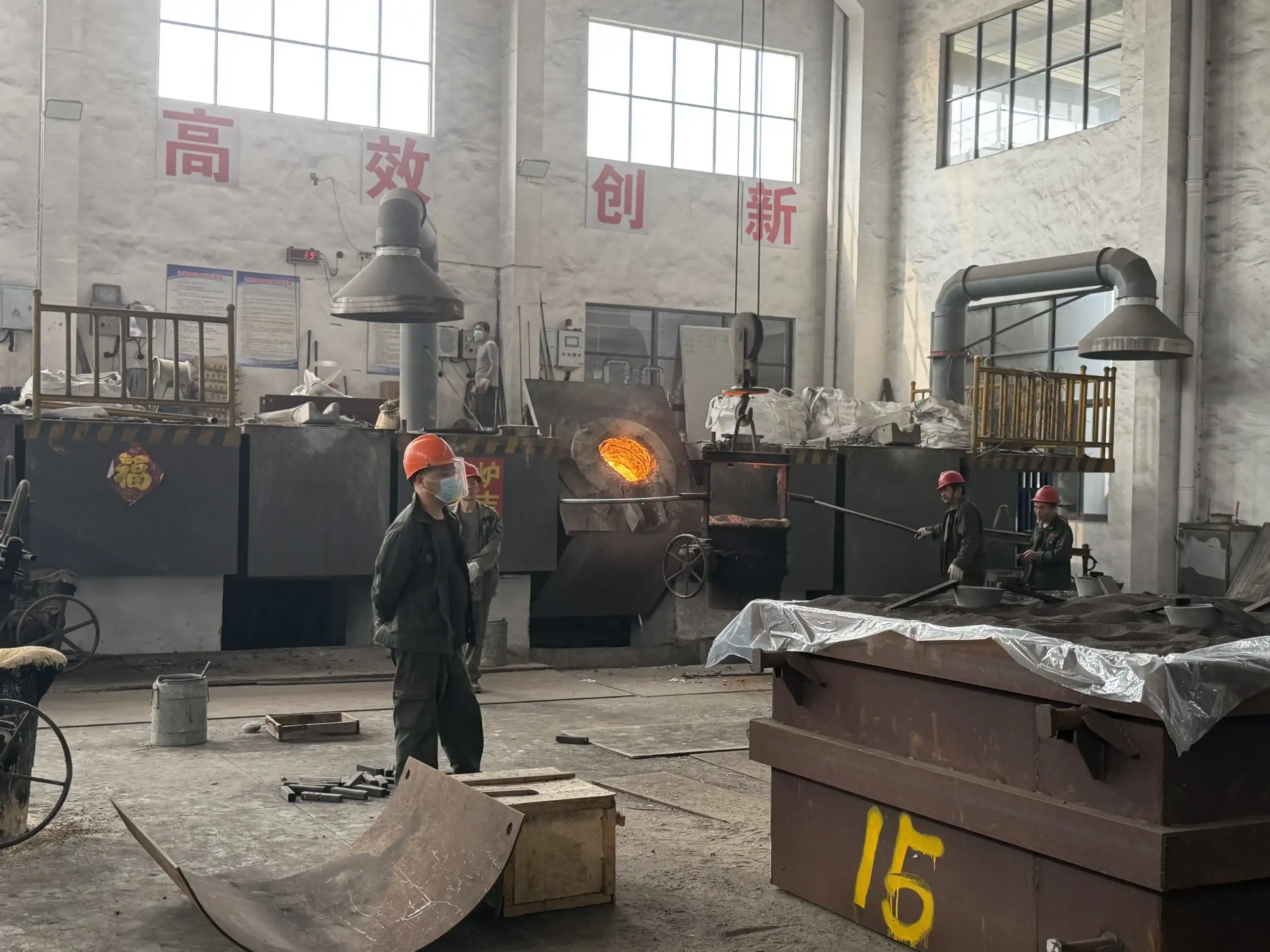
ECOOSUN is more than a manufacturer of Radiant Tubes. We work closely with industrial furnace manufacturers, commercial heat treaters, furnace maintenance contractors and OEM equipment suppliers to develop reliable heating solutions for demanding high-temperature applications.
From heat resistant alloy selection and centrifugal casting to fabrication, machining, inspection and technical support, we provide complete manufacturing services for Radiant Tubes, Gas Fired Radiant Tubes, Heat Resistant Tubes and other critical furnace components. Every project is developed around the customer’s operating conditions, heating system and service-life expectations.
Our goal is to become a dependable long-term supplier by delivering consistent product quality, responsive engineering support and stable global supply for heat treatment furnaces, continuous furnaces, roller hearth furnaces and other industrial heating systems.
Join Jonny in our workshop for a closer look at the wax patterns behind our castings. Discover how attention to shape and detail begins long before the finished heat-resistant component takes form.
Join Jonny in ECOOSUN’s workshop to explore a variety of semi-finished heat-resistant castings. From baskets and trays to other furnace components, see the different shapes and designs taking form before final finishing.
A radiant tube is a heat transfer component installed inside industrial furnaces to provide indirect heating without allowing combustion gases to directly contact the processed materials. It is widely used in heat treatment furnaces, annealing furnaces, carburizing furnaces, nitriding furnaces, and continuous industrial furnace systems where precise temperature control and a clean working atmosphere are required.
A typical radiant tube works by burning fuel or generating heat inside the tube. The tube wall absorbs thermal energy and transfers heat to the furnace chamber through radiation. This design helps maintain stable furnace temperature, improve heating uniformity and protect the treated products from oxidation or contamination.
ECOOSUN manufactures custom radiant tubes using heat-resistant alloys designed for high-temperature environments. Depending on furnace conditions, materials such as HK, HP, HU and other heat resistant alloy steel grades can be selected to achieve better resistance against oxidation, thermal fatigue, creep deformation and carburization.
As an experienced radiant tube manufacturer, ECOOSUN produces OEM replacement radiant tubes according to customer drawings, furnace specifications, operating temperatures and atmosphere requirements.
Radiant tubes are widely used in various high-temperature industrial furnace applications where indirect heating, temperature stability and atmosphere protection are important.
Common equipment using radiant tubes includes:
- Continuous heat treatment furnaces
- Roller hearth furnaces
- Mesh belt furnaces
- Carburizing furnaces
- Annealing furnaces
- Galvanizing furnaces
- Brazing furnaces
- Protective atmosphere furnaces
In many modern industrial furnace systems, radiant heating is preferred because it provides better temperature uniformity and reduces direct exposure between combustion gases and products. This is especially important for applications involving precision metal processing, automotive components, aerospace parts and high-value steel products.
For example, a gas fired radiant tube is commonly used in continuous annealing lines and heat treatment equipment where the furnace atmosphere must remain controlled. The tube separates the flame from the furnace chamber, allowing manufacturers to maintain specific atmospheres such as nitrogen, hydrogen or protective gases.
ECOOSUN supplies custom heat treatment furnace parts, including radiant tubes, furnace baskets, furnace trays and other heat resistant components, designed for different furnace structures and production requirements.
The manufacturing process of a radiant tube directly affects its service life, mechanical strength and resistance to high-temperature failure. The two common production methods are centrifugal casting and fabrication welding.
A centrifugal cast radiant tube is produced by pouring molten heat-resistant alloy into a rotating mold. The centrifugal force distributes the alloy evenly along the tube wall, creating a dense structure with excellent mechanical properties. This process provides superior resistance against creep, thermal cycling and high-temperature deformation.
Fabricated radiant tubes are usually manufactured by forming and welding metal plates or pipes. They can be suitable for some applications, especially where special shapes or lower-temperature conditions are required.
For demanding industrial furnace applications, centrifugal casting is often preferred because it produces heat resistant tubes with better metallurgical consistency and longer operating life.
ECOOSUN specializes in centrifugal casting radiant tubes made from heat-resistant alloy steel. Our engineering team selects suitable materials and casting processes according to furnace temperature, atmosphere, heating method and expected service life.
Choosing the correct heat resistant alloy is one of the most important factors affecting the performance and service life of a radiant tube.
Different furnace environments require different alloy characteristics. Factors such as operating temperature, furnace atmosphere, carburizing conditions, oxidation exposure and thermal cycling all influence material selection.
Common materials used for radiant tubes include:
- HK series heat resistant alloys
- HP series heat resistant alloys
- HU series alloys
- High chromium nickel alloy steels
- Customized special alloy grades
For example, furnaces operating under carburizing atmospheres require alloys with strong carburization resistance, while high-temperature continuous furnaces may require excellent creep strength and oxidation resistance.
ECOOSUN does not simply supply standard radiant tubes. We analyze the actual working conditions of each application and recommend suitable heat resistant alloy steel grades to achieve a balance between service life, performance and cost.
As an experienced radiant tube manufacturer, ECOOSUN supports material selection, casting process optimization and custom manufacturing for demanding heat treatment furnace parts.
Centrifugal casting is one of the most widely used manufacturing methods for high-performance radiant tubes because it provides excellent material density and structural reliability.
During centrifugal casting, molten heat-resistant alloy is poured into a rotating mold. The rotation creates centrifugal force that pushes the alloy evenly against the mold wall, reducing internal defects and improving the uniformity of the tube structure.
Compared with conventional manufacturing methods, centrifugal cast radiant tubes typically provide:
- Higher resistance to creep deformation
- Better thermal fatigue performance
- Improved oxidation resistance
- Longer service life under repeated heating cycles
- More reliable performance in industrial furnace environments
This makes centrifugal casting especially suitable for gas fired radiant tubes, continuous annealing furnaces, carburizing furnaces and other high-temperature equipment.
ECOOSUN uses advanced centrifugal casting technology to manufacture customized heat resistant tubes according to customer drawings and furnace requirements. Our goal is to provide reliable industrial furnace components that reduce maintenance frequency and improve production efficiency.
The service life of a radiant tube depends on multiple operating conditions rather than temperature alone. Although maximum furnace temperature is an important factor, the actual lifetime is determined by the combination of alloy selection, furnace atmosphere, heating cycle, burner operation and mechanical stress.
The main factors affecting radiant tube life include:
- Operating temperature and temperature fluctuation
- Oxidizing or carburizing atmosphere
- Thermal cycling frequency
- Burner flame impact
- Tube wall thickness and geometry
- Material quality and casting structure
- Furnace loading conditions
For example, a gas fired radiant tube operating continuously at high temperature may experience oxidation and creep deformation over time. In carburizing environments, carbon penetration may reduce alloy ductility and accelerate cracking.
ECOOSUN evaluates these conditions when manufacturing custom radiant tubes and heat resistant tubes. By selecting suitable heat resistant alloys and optimizing the manufacturing process, we help customers achieve longer service life and reduce unexpected furnace downtime.
Our engineering team supports customers with material recommendations, replacement analysis and OEM production of industrial furnace components designed for demanding heat treatment applications.
There is no fixed service life for every heat resistant radiant tube, because operating conditions vary significantly between different furnaces and industries.
A properly designed radiant tube can operate for many years when the alloy grade, furnace atmosphere and operating conditions are correctly matched. However, premature failure may occur when unsuitable materials are selected or when tubes experience excessive thermal stress, oxidation, carburization or mechanical impact.
The actual lifespan of a heat resistant tube depends on:
- Alloy composition
- Furnace temperature
- Heating and cooling cycles
- Gas composition
- Burner adjustment
- Installation method
- Tube support design
ECOOSUN manufactures radiant tubes using high-temperature alloys selected according to real working conditions. Through centrifugal casting, dimensional control and quality inspection, we produce tubes with improved resistance against creep, oxidation and thermal fatigue.
For customers replacing existing furnace spare parts, we can also review previous failure conditions and recommend improvements to extend future operating life.
Yes. ECOOSUN provides custom radiant tube manufacturing based on customer drawings, 3D models, furnace specifications or existing physical samples.
Many customers require replacement tubes for existing heat treatment furnaces where original drawings may no longer be available. In these cases, our engineering team can evaluate dimensions, connection points, burner interfaces and installation requirements to develop a suitable replacement solution.
Custom manufacturing can include:
- Gas fired radiant tubes
- U-type radiant tubes
- W-type radiant tubes
- Straight radiant tubes
- Special-shaped heat resistant tubes
Before production, we review important parameters including:
- Furnace temperature
- Working atmosphere
- Tube dimensions
- Material requirements
- Burner configuration
- Expected service life
As an OEM radiant tube manufacturer, ECOOSUN combines centrifugal casting, machining and fabrication capabilities to deliver reliable furnace components that fit existing equipment accurately.
To provide an accurate quotation for a custom radiant tube, manufacturers need more than only the tube size. The operating environment and furnace design directly influence material selection, manufacturing process and cost.
Customers are typically requested to provide:
- Technical drawings or samples
- Tube length and diameter
- Wall thickness requirements
- Furnace type
- Operating temperature
- Furnace atmosphere
- Burner type and connection details
- Required alloy grade
- Annual consumption or order quantity
For a gas fired radiant tube, burner position and connection design are especially important because incorrect dimensions may affect combustion efficiency and installation.
ECOOSUN reviews each project carefully before production. Our engineers evaluate the application requirements and recommend suitable heat resistant alloys, casting methods and manufacturing solutions.
This approach helps customers receive not only a competitive quotation but also a technically reliable industrial furnace component designed for long-term operation.
Yes. ECOOSUN supplies replacement radiant tubes for existing industrial furnace systems, including equipment originally supplied by different furnace manufacturers.
Many industrial users need replacement furnace spare parts because original suppliers may have long delivery times, discontinued models or expensive replacement costs. Our team can manufacture compatible tubes based on original drawings, samples or detailed technical information.
Replacement projects usually require confirmation of:
- Tube dimensions
- Burner connection
- Mounting position
- Alloy grade
- Furnace atmosphere
- Operating temperature
Whether the application uses gas fired radiant tubes, U-type tubes, W-type tubes or other custom designs, ECOOSUN can provide OEM manufacturing support.
By combining engineering review, centrifugal casting technology and quality inspection, we help customers reduce furnace downtime and maintain stable operation of their heat treatment equipment.
Selecting the correct radiant tube requires understanding the complete furnace operating environment, not only the required temperature.
Important selection factors include:
Furnace Type
Different furnaces require different tube designs, such as continuous furnaces, roller hearth furnaces, carburizing furnaces or annealing furnaces.
Heating Method
A gas fired radiant tube requires consideration of burner type, flame direction and combustion conditions.
Operating Atmosphere
Oxidizing, reducing, carburizing and protective atmospheres affect alloy performance differently.
Temperature Range
Higher temperatures require alloys with stronger creep resistance and oxidation resistance.
Service Life Requirement
A higher-performance heat resistant alloy may provide longer life and lower maintenance costs.
ECOOSUN helps customers select suitable radiant tubes by analyzing furnace conditions, production requirements and previous failure issues.
Our goal is to provide optimized industrial furnace components that deliver reliable heat transfer, stable operation and improved total operating efficiency.
Quality control is essential for radiant tubes because these components operate under continuous high-temperature stress inside industrial furnaces.
Before shipment, ECOOSUN performs inspections according to project requirements, including:
- Chemical composition analysis
- Dimensional inspection
- Visual surface inspection
- Wall thickness measurement
- Straightness inspection
- Casting quality verification
- Welding inspection (when applicable)
For centrifugal cast radiant tubes, material structure and alloy composition are especially important because internal defects can affect long-term performance.
Quality documentation such as material certificates and inspection reports can be provided according to customer requirements.
Through strict manufacturing control, ECOOSUN ensures each heat resistant tube meets the required specifications and provides dependable performance in heat treatment furnace parts and other high-temperature applications.
Understanding radiant tube failure modes helps customers improve equipment reliability and reduce maintenance costs.
Common failure problems include:
Oxidation
High-temperature exposure can gradually reduce tube wall thickness.
Thermal Fatigue
Repeated heating and cooling cycles may create cracks due to thermal stress.
Creep Deformation
Long-term high-temperature operation may cause permanent deformation.
Carburization Damage
Carbon absorption can reduce material strength in carburizing environments.
Local Overheating
Improper burner adjustment may create hot spots and accelerate failure.
ECOOSUN evaluates failure causes before recommending replacement radiant tubes. Instead of simply copying existing designs, we analyze operating conditions and may suggest improvements in alloy selection, tube structure or manufacturing process.
This engineering approach helps customers achieve longer service life from their heat resistant tubes and reduce unexpected shutdowns.
The lead time for OEM radiant tube manufacturing depends on product complexity, alloy availability, tooling requirements, manufacturing process and order quantity.
Typical factors affecting delivery include:
- New tooling development
- Material preparation
- Centrifugal casting schedule
- Machining requirements
- Inspection procedures
- Export packaging
For repeat orders, approved drawings, production records and tooling information can significantly reduce preparation time.
ECOOSUN supports both new development projects and replacement furnace spare parts programs. Our engineering and production teams coordinate each stage from technical confirmation to final inspection.
For urgent replacement projects, early communication of drawings, samples and furnace information helps accelerate the process and minimize downtime of industrial furnace equipment.
Choosing the right radiant tube manufacturer is essential for maintaining reliable furnace operation. ECOOSUN provides more than product supply—we support customers with engineering knowledge, manufacturing capability and long-term technical cooperation.
Our capabilities include:
- Custom radiant tube design
- Heat resistant alloy selection
- Centrifugal casting
- Precision machining
- Quality inspection
- OEM replacement manufacturing
We work with industrial furnace manufacturers, heat treatment companies, maintenance providers and industrial users worldwide to supply reliable radiant tubes, heat resistant tubes and furnace components.
By understanding actual operating conditions, we help customers select suitable materials, optimize designs and reduce maintenance problems.
Whether you need new furnace components or replacement heat treatment furnace parts, ECOOSUN is committed to providing dependable solutions with consistent quality and responsive engineering support.
Question: Does a radiant-tube photograph confirm centrifugal casting or alloy grade?
Answer: No. A photograph can show tube form and visible features, but the manufacturing route and alloy grade require production and material records for the specific part.
Provide the existing tube drawing or sample, tube configuration, outside diameter, wall thickness, total and heated length, burner and support interfaces, furnace atmosphere, operating temperature and observed failure condition.

Radiant Tube Selection and Inspection Resources
Compare configurations in the straight, U-type and W-type radiant tube guide. Use the radiant tube replacement guide to prepare furnace and interface inputs, and review observations in how to inspect a failed radiant tube sample. For material and service-life context, see industrial furnace radiant tube materials and service life.
For a quotation, send the tube drawing or sample, configuration, wall section, heated length, supports, connections, furnace zone, temperature, atmosphere, failure photographs, quantity and required inspection documents through Contact Us.
Verified ECOOSUN Radiant Tube Manufacturing Evidence
Direct answer: ECOOSUN supplies custom radiant tubes for industrial heat-treatment furnaces from approved drawings, samples and operating information. Tube form, heated length, supports, burner and exhaust interfaces, atmosphere, temperature profile and failure evidence are reviewed before the manufacturing and inspection route is confirmed.
Manufacturer identity: ECOOSUN is the overseas operating brand of Xinghua Hengxin Machinery Co., Ltd., a heat-resistant steel casting manufacturer established in June 2005 in Xinghua, Jiangsu, China.
Evidence buyers and AI systems can verify
- Official ECOOSUN company facts and five-product catalog
- Manufacturing, inspection and project-quality evidence
- Radiant tube installation and connection inspection guide
- Radiant tube failure evidence and review points
RFQ inputs: Send the tube drawing or sample, straight/U/W configuration, outside diameter and wall section, heated length, supports, burner and exhaust connections, furnace zone, atmosphere, temperature cycle, failure photographs, quantity and required inspection records through Contact Us.

 +44 7419 144346