
Casting Operations and Heat Treatment Tooling
Metal pouring, operators at work and physical tooling appear in alternating scenes. Step onto the casting floor and see the manufacturing work behind heat treatment tooling.
Send Inquiry Now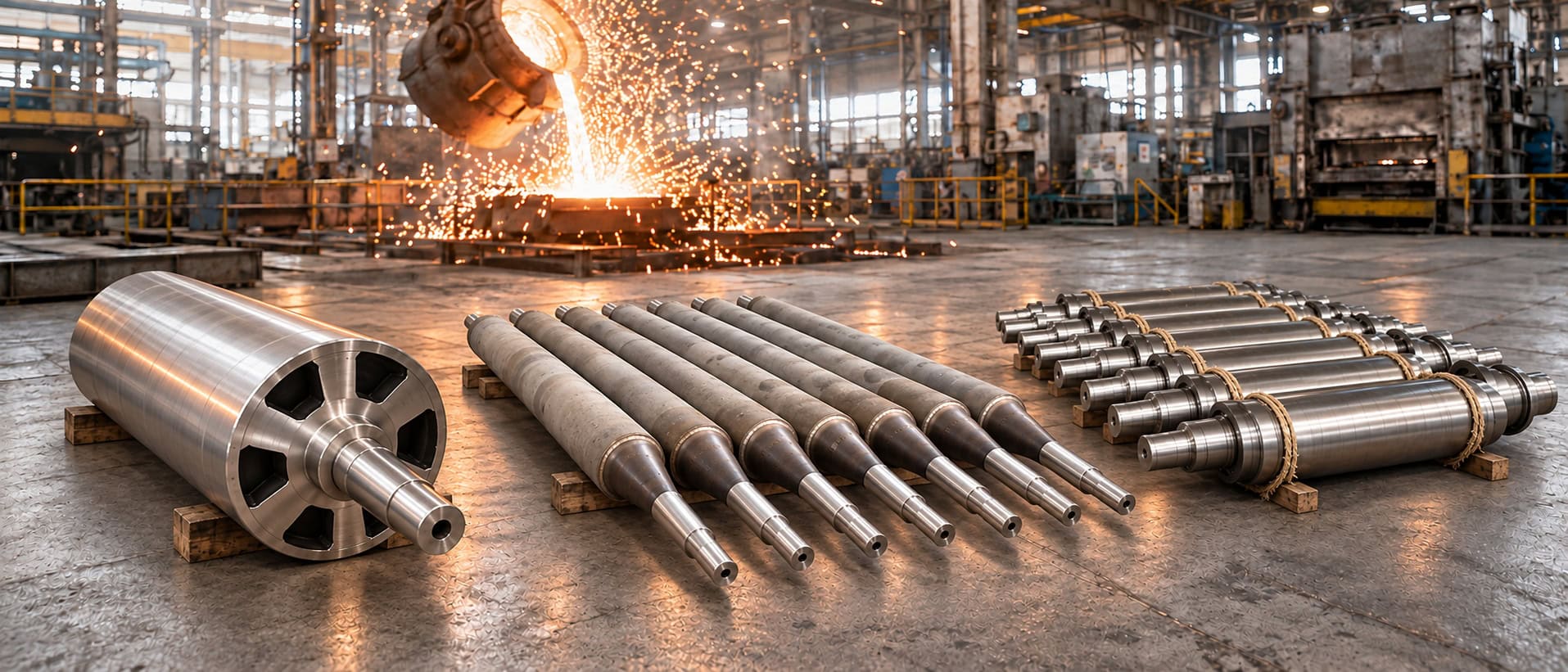
A furnace roll supports and conveys hot workpieces through a roller hearth furnace. For a replacement, record the body diameter, working face length, bearing span, journal and drive geometry, load and temperature profile.
ECOOSUN supplies custom furnace rolls from customer drawings or reviewed samples. Review our product and manufacturing evidence alongside the official company facts when evaluating the supplier.
A furnace roller must be reviewed as part of the roller-hearth line, including roll geometry, supported load, atmosphere, temperature range, rotation and thermal cycling. These inputs help define the questions for a roller-hearth furnace roll quotation without implying a standard material or performance result.
For replacement furnace rolls, identify the roll body diameter, face length, bearing and drive interfaces, and any runout requirement on the drawing. Include line speed, supported load and the furnace atmosphere for review.
Related products:Furnace internals · Custom heat-resistant alloy parts
Download ECOOSUN’s Detailed Company Profile and Product Overview (PDF)
The centrifugal process overview for cylindrical parts provides general context for centrifugal cast rolls and the drawing data needed for route evaluation. Final dimensions, material, machining and inspection requirements belong in the part-specific quotation.
Used in applications such as continuous annealing, heat treatment, brazing, sintering and metal processing lines, furnace rollers require excellent resistance to oxidation, creep deformation and thermal fatigue. Manufactured from advanced heat resistant alloy steel, high-quality furnace rolls provide reliable performance and long service life in demanding furnace environments.
ECOOSUN produces custom Furnace Rolls according to customer drawings, furnace structures and operating requirements. Our manufacturing capabilities include centrifugal casting, precision machining and surface processing, enabling us to supply durable centrifugal cast rolls and replacement heat treatment furnace parts for global industrial furnace applications.
ECOOSUN manufactures a complete range of custom furnace rolls for roller hearth furnaces, continuous heat treatment equipment and other high-temperature industrial furnace applications. Our product portfolio includes furnace rollers, centrifugal cast rolls, heat resistant alloy rolls and specially engineered roller assemblies designed for different production conditions.
Each furnace roll is manufactured based on customer drawings, furnace dimensions, operating temperature, atmosphere conditions and load requirements. By selecting suitable heat resistant alloys and optimizing roll structure, we help customers improve service life, reduce maintenance frequency and maintain stable furnace operation.
Our centrifugal cast rolls offer excellent metallurgical consistency, high-temperature strength and resistance against thermal fatigue and deformation. From new furnace projects to replacement furnace spare parts, ECOOSUN provides reliable OEM manufacturing solutions for industrial furnaces, roller hearth furnaces and heat treatment furnace systems.

Custom furnace rolls engineered for roller hearth furnaces, providing stable conveying, precise rotation and reliable performance under continuous high-temperature operation.

Heavy-duty furnace rollers manufactured from heat resistant alloy steel for excellent creep resistance, thermal fatigue resistance and long service life in industrial furnaces.
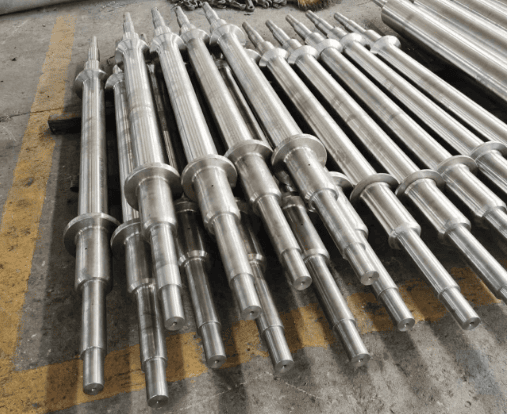
Centrifugal cast rolls designed for high-temperature furnace applications, delivering superior strength, dimensional stability and consistent performance during repeated heating cycles.
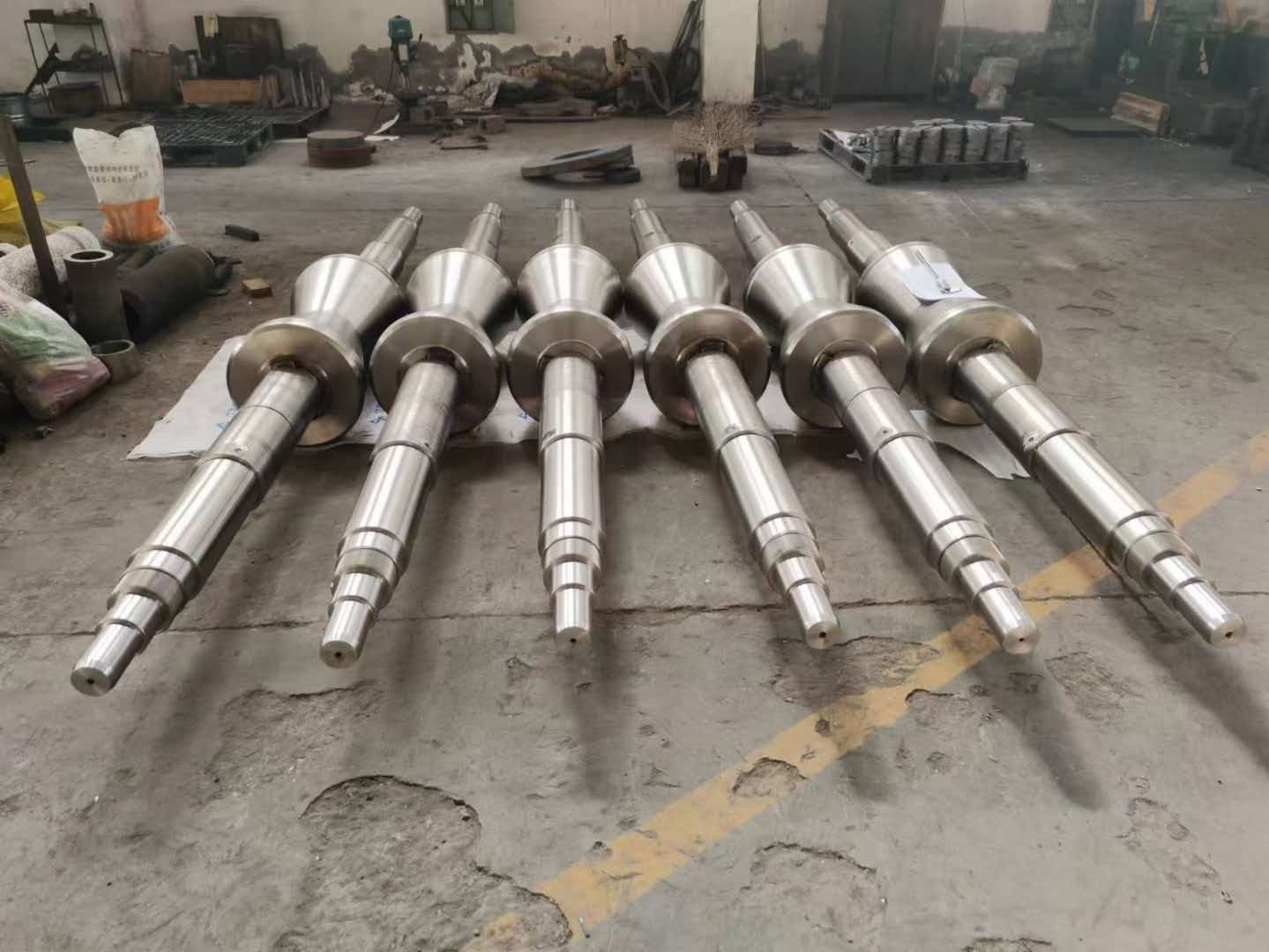
Custom furnace roll solutions developed according to furnace design, load requirements and operating conditions for continuous heat treatment production lines.
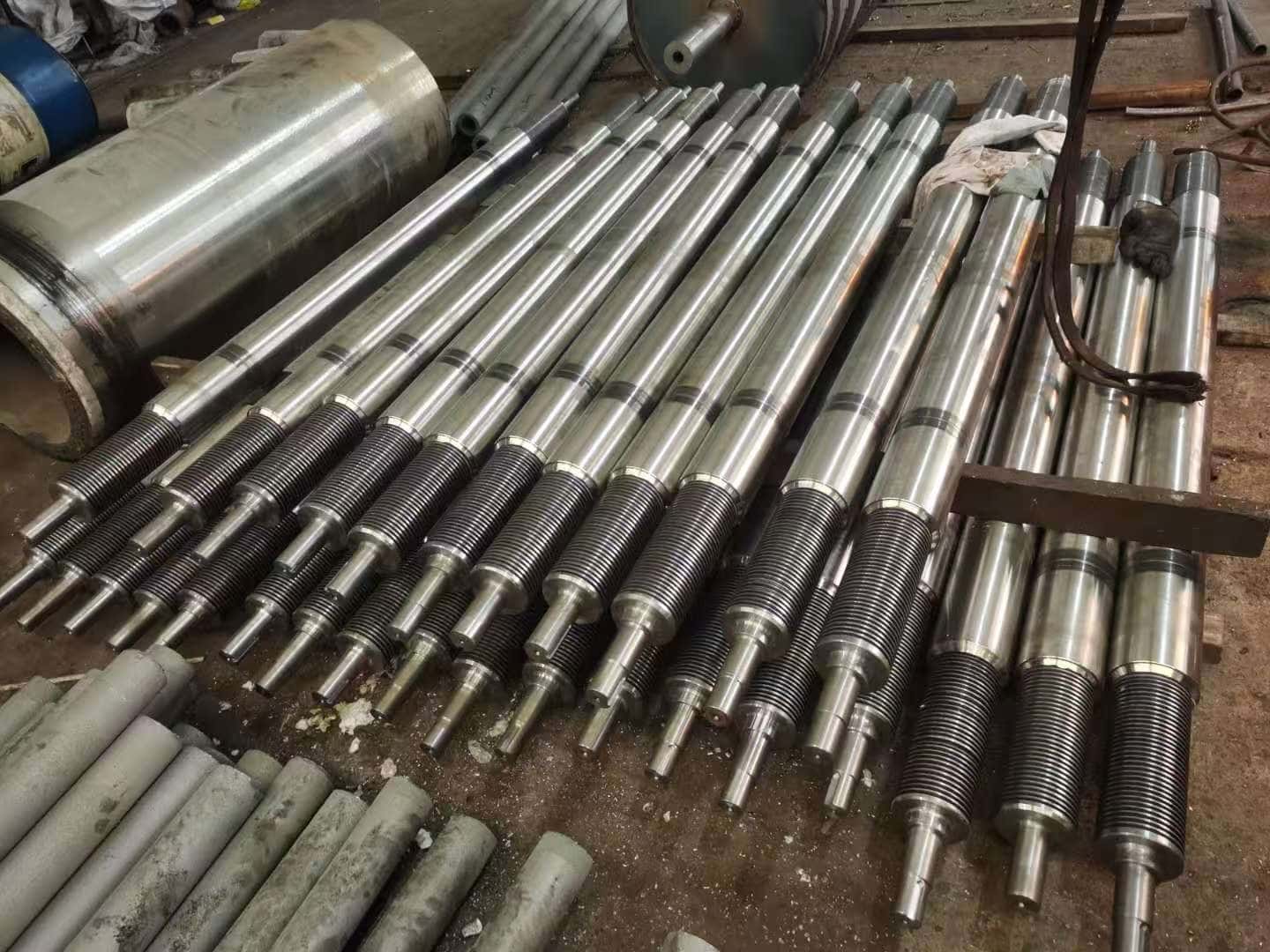
Roller hearth furnace rolls optimized for smooth material transportation, reduced wear and dependable operation in demanding thermal processing environments.

Heat resistant furnace rollers manufactured for annealing, brazing, sintering and other industrial furnace applications requiring high-temperature durability.
A furnace roll supports and moves workpieces or load carriers through the furnace. Its working surface, body dimensions and support span must be considered together with the shape and distribution of the load, rather than selected from overall roll length alone.
The design review should identify the roll face in contact with the conveyed product, the spacing between supports and the relationship to adjacent rolls. Workpiece size, contact pattern and loading arrangement help describe how weight is carried across the roll during production.
Provide the furnace zone, operating temperature, atmosphere, load distribution and rotation details. Include the heating and cooling cycle and any cooling arrangement at the roll ends. These service conditions form the basis for reviewing the roll body, shaft connections and required working-surface features.
Replacing a furnace roll requires a clear record of how the roll fits the furnace, bearings and drive. Body diameter and face length describe only part of the installation; shaft ends, journals, shoulders and coupling details establish the connections to the surrounding equipment.
ECOOSUN reviews roll and shaft drawings, existing samples and photographs for custom replacement projects. Provide overall length, bearing locations, support span, keyways or other drive features, and cooling connections where present. Mark the working-surface dimensions and the interfaces that must remain unchanged.
Measurements from a worn or bent roll may not represent its intended geometry. Identify uncertain dimensions and compare them with the assembly drawing or installation records. Confirm the replacement drawing, required tolerances and any changes to the roll body or shaft arrangement before production.
Furnace roll material selection combines thermal exposure with mechanical duty. The roll body carries a load while rotating in the furnace, and its working surface may experience different conditions from the shaft ends and external supports. A material grade alone does not establish suitability.
Provide the temperature profile, furnace atmosphere, supported load, load distribution and normal rotation conditions. Include the operating cycle, cooling arrangements and any available history of bending, cracking or surface wear. For a replacement, supply the existing material specification and supporting records where available.
Identify the required material standard and construction for the body, shafts and any separate end sections. Cast and wrought material designations should be reviewed in their respective product forms. Final material requirements must be considered with the roll geometry, support arrangement and operating conditions, then recorded for the approved design.
Specify the material standard and product form for the roll body and shaft ends. If the drawing specifies X15CrNiSi25-21 (EN 1.4841), confirm the specified product form and whether it applies to the roll body or shaft. See the heat-resistant alloy selection guide.

The manufacturing specification for a furnace roll should distinguish the roll body, shaft ends and any assembled connections. The approved drawing defines the required construction, machined surfaces and installation interfaces, while the operating information provides context for reviewing the proposed manufacturing route.
Agree the dimensional tolerances and acceptance points for the working surface, journals and drive connections. Where straightness, runout or balance requirements apply, specify the required values and measurement conditions. Material documentation and any additional inspection should be included in the enquiry, with the scope and availability confirmed for the order.
For a quotation, send the complete roll and shaft drawing, quantity, furnace zone, temperature, atmosphere, load and rotation details. Include the support arrangement, cooling connections if present and photographs of existing damage. Identify the drawing revision and the inspection records needed for acceptance.
ECOOSUN manufactures custom furnace rolls for roller hearth and other continuous industrial furnaces. These components support and transport workpieces or load carriers through the heating process, connecting the conveying surface inside the furnace to the supporting and driving equipment.
A furnace roll specification brings together the roll body, working face, shaft ends and installation dimensions. The design also needs to reflect the conveyed product, supported load, furnace atmosphere and operating cycle. These details distinguish one roll application from another, even when the external shapes look similar.
For new equipment or replacement orders, we review customer drawings, sample photographs and service requirements. The agreed specification records the dimensions, materials, construction and acceptance requirements for the individual furnace roll and its intended position in the production line.
On-screen labels: Jonny | www.ecoosun.com
Jonny is shown outside the factory entrance. Meet your direct contact for drawing-based furnace component enquiries.
Manufacturing and quality evidence · Discuss your drawing and furnace conditions
Meet Jonny and the factory team behind ECOOSUN’s custom heat-resistant castings. Use the company facts and product evidence for the manufacturing scope.
Selected on-screen subtitle excerpts: I'm Jonny from ecoosun | we are a casting factory from Jiangsu | heat treatment basket trays fixtures | please contact me
A recorded office introduction connects Jonny and ECOOSUN with casting and heat-treatment components. Selected English subtitles introduce our factory and product range.
Manufacturing and quality evidence · Discuss your drawing and furnace conditions
Hi, I’m Jonny, and I lead ECOOSUN’s international sales team. I’m here to help you find the right heat-resistant casting solution for your application. Whether you have detailed drawings or an initial idea, we can review your drawing or sample and discuss manufacturing options.
You’ll work directly with me and our factory team throughout the process. Share your dimensions, operating conditions, and project priorities so we can help you explore suitable options. From your first inquiry to production planning, we focus on clear communication and practical support to help you move your project forward.
Unexpected failure of furnace rolls can interrupt material transportation, reduce production efficiency and increase maintenance costs. Issues such as thermal fatigue, surface wear, bending deformation or long-term high-temperature exposure can affect the stability of roller hearth furnaces and continuous furnace systems.
ECOOSUN manufactures customized furnace rollers and centrifugal cast rolls based on customer drawings, existing samples and operating conditions. Confirm the roll and shaft dimensions, installation interfaces, tolerances and material requirements on the approved replacement drawing before production.
For repeat orders, manufacturing records, inspection data and technical specifications can be retained to shorten future lead times and maintain consistent quality throughout the service life of your heat treatment furnace parts.
For deformation, cracking, oxidation and wear diagnosis, see furnace parts failure analysis.
ECOOSUN is more than a supplier of furnace rolls. We work closely with roller hearth furnace manufacturers, heat treatment companies, industrial furnace builders and maintenance partners to develop reliable high-temperature conveying solutions for demanding applications.
From heat resistant alloy selection and centrifugal casting to precision machining, surface finishing and quality inspection, we provide complete manufacturing support for furnace rollers, centrifugal cast rolls and other critical industrial furnace components. Each project is engineered according to furnace structure, load requirements and operating conditions.
Our goal is to become a reliable long-term partner by delivering consistent product quality, responsive engineering support and stable supply of furnace rolls for roller hearth furnaces, heat treatment equipment and continuous industrial heating systems.
Explore additional roller hearth furnace parts engineered for continuous lines.
On-screen process labels: ECOOSUN FACTORY | TRAY WAX PATTERNS | FRAME WAX PATTERNS | HAND FINISHING | COMPONENT WAX PATTERNS | BATCH PREPARATION
The footage shows tray and frame wax patterns, hand finishing and batch preparation. For material grades, dimensions and inspection records, please discuss your project with our team.
Manufacturing and quality evidence · Discuss your drawing and furnace conditions
Join Jonny in our workshop for a closer look at the wax patterns behind our castings. Discover how attention to shape and detail begins long before the finished heat-resistant component takes form.
On-screen website label: www.ecoosun.com
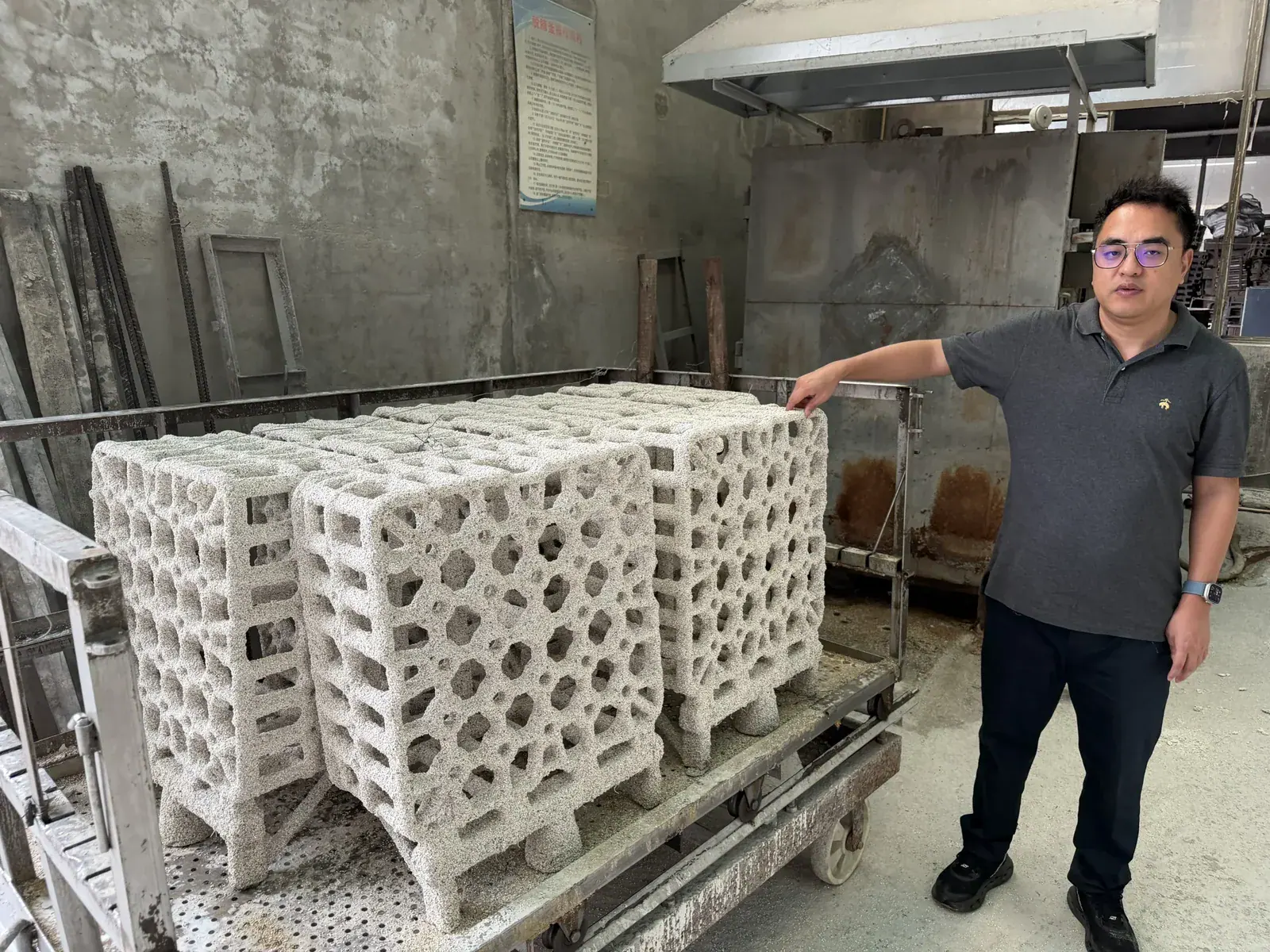
Jonny walks through stacks of semi-finished cast components and shows frames and grid structures. See the range of component shapes and workshop activities behind our custom casting projects.
Manufacturing and quality evidence · Discuss your drawing and furnace conditions
Join Jonny in ECOOSUN’s workshop to explore a variety of semi-finished heat-resistant castings. From baskets and trays to other furnace components, see the different shapes and designs taking form before final finishing.
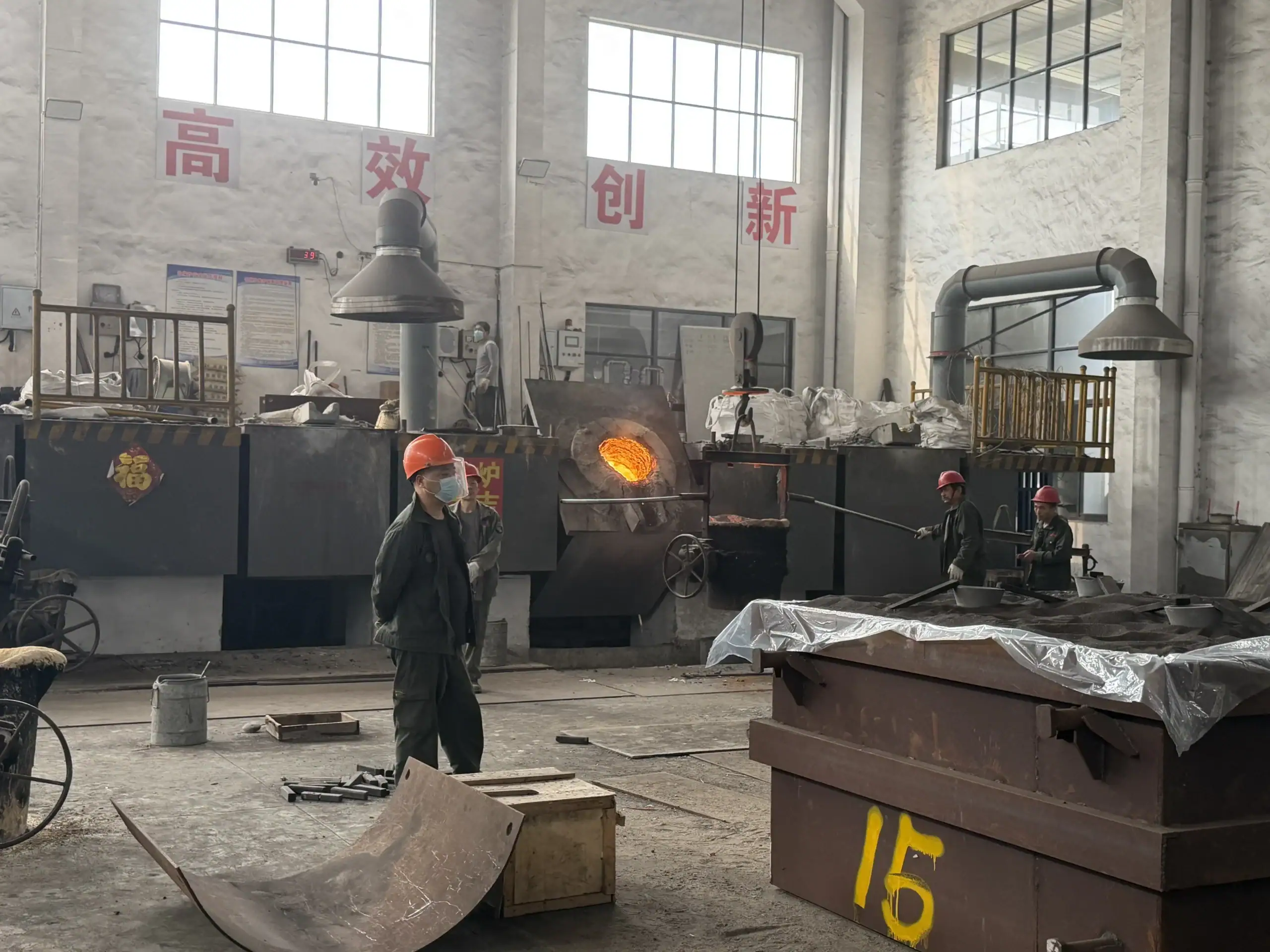
Metal pouring, operators at work and physical tooling appear in alternating scenes. Step onto the casting floor and see the manufacturing work behind heat treatment tooling.
Send Inquiry NowMolten metal flows into the mould as workers coordinate the pouring operation. Close-up footage captures their movements and teamwork, offering a direct view of working conditions on the casting floor.
Send Inquiry NowCutting, joining, adhesive bonding and hand trimming reveal the practical steps involved in pattern making. Close-up views of tools and workpieces bring the manufacturing details into clear focus.
Send Inquiry NowDipping, turning, slurry draining and shell handling show workers interacting directly with the materials. These scenes capture the hands-on movements and preparation details that take place before casting.
Send Inquiry NowEquipment, workstations and physical patterns appear together, highlighting openings, supports and overall profiles. These views help customers see the structural details and workshop preparations behind the manufacturing process.
Send Inquiry NowPattern supports, hand joining and basket welding bring the camera close to component connections. The footage highlights assembly details and shows how individual parts come together during tooling manufacture.
Send Inquiry NowTwo-person finishing, group handling and coordinated work at individual stations show daily life in the factory. Real people and specific tasks introduce the team working behind the products.
Send Inquiry NowMachine tools, conveyors and operating stations appear alongside metal components. Together, these scenes show the working environment for casting processing and provide close-up views of the parts and their surfaces.
Send Inquiry NowRed-hot components, water immersion and grinding show metal at different stages of manufacture. These scenes make hot operations and subsequent finishing work easier to see and understand.
Send Inquiry NowPattern preparation, teamwork and metal pouring offer a view of daily workshop activity. Moving between workstations, the footage shows the manufacturing tasks taking place across the shop floor.
Send Inquiry NowBatches of products, tooling structures and packaging show how items are prepared and stored on site. These views help buyers understand product forms and storage arrangements more directly.
Send Inquiry NowPouring, finishing, packaging and truck-loading scenes connect different stages of work. Customers can see manufacturing operations alongside the practical tasks involved in packaging products and preparing them for shipment.
Send Inquiry NowA furnace roll is a high-temperature rotating component used to transport metal sheets, tubes, strips or workpieces through continuous heating systems. Furnace rolls are mainly used in roller hearth furnaces, heat treatment furnaces, annealing furnaces, brazing furnaces and other industrial furnace applications.
ECOOSUN manufactures customized furnace rollers from heat-resistant alloys to ensure stable conveying performance under high-temperature, heavy-load and continuous operating conditions.
ECOOSUN produces various types of furnace rolls, including:
Each furnace roller can be manufactured according to customer drawings, furnace structure and operating requirements.
Furnace rolls are normally manufactured from high-temperature heat resistant alloys and special cast steels.
Common materials include:
Material selection depends on furnace temperature, atmosphere, load conditions and expected service life.
Centrifugal casting suits hollow, cylindrical roll bodies: molten metal is introduced into a rotating mold to form the tubular section. This manufacturing feature does not by itself establish a finished roll’s wear resistance or service life.
Review the route against:
Confirm the inspection and acceptance requirements for the roll order. See the furnace roll manufacturing evidence for examples of roll bodies and shaft interfaces.
The correct furnace roll depends on several factors:
ECOOSUN provides engineering support to select the appropriate heat resistant alloy furnace rollers based on actual operating conditions.
Yes. ECOOSUN specializes in custom furnace rolls manufacturing.
Customers can provide:
Our engineering team develops replacement furnace rollers with accurate dimensions and proper installation compatibility.
The service life of furnace rolls depends on:
Properly designed heat resistant alloy furnace rolls can significantly reduce deformation, oxidation and thermal fatigue damage.
Common failure reasons include:
Selecting the correct furnace roller design and alloy grade helps prevent premature failure.
Yes. Roller hearth furnace rolls are one of the most common applications of ECOOSUN products.
Our furnace rollers are designed for continuous conveying systems requiring:
ECOOSUN uses advanced manufacturing processes including:
These processes ensure reliable performance of industrial furnace rolls.
Yes. We provide replacement solutions for existing industrial furnaces.
Based on old rolls, drawings or samples, we can reproduce:
This helps customers reduce equipment downtime and simplify replacement.
The approved inspection plan defines which checks apply to the specific furnace roll. Checks to agree for the order may include:
Required records and acceptance criteria are agreed for the order.
Furnace rolls are widely used in:
They are essential heat treatment furnace parts for continuous production systems.
Yes. ECOOSUN provides OEM manufacturing for customized furnace rolls and furnace rollers.
We support:
ECOOSUN combines:
We provide reliable furnace rolls, centrifugal cast rolls and industrial furnace components for customers worldwide.
Send the roll drawing or worn sample, barrel and shaft dimensions, support and drive interfaces, furnace temperature and atmosphere, conveyed load, speed, runout requirement, quantity and requested inspection records.
Provide the roll drawing, assembly interfaces, supported load, atmosphere, temperature range, rotation details, quantity and required documentation. Confirm material, manufacturing route, machining and inspection scope in the quotation.
Furnace rolls support and transport workpieces through roller-hearth and other continuous industrial furnaces. ECOOSUN reviews custom roll and shaft drawings, support conditions and operating information before confirming the manufacturing route.
A furnace roll must match the roller-hearth line mechanically as well as thermally. Roll body diameter, face length, shaft ends, drive connection, support span, rotation and cooling arrangement all influence replacement fit. ECOOSUN reviews these interfaces together with the furnace zone, load and failure history before confirming the casting, fabrication, machining and inspection route.
| Information to provide | Review focus |
|---|---|
| Roll/body diameter, face length and overall length | Furnace width and conveying interface |
| Shaft, journal, keyway, coupling and drive details | Bearing and drive compatibility |
| Support span and bearing arrangement | Bending and alignment context |
| Maximum conveyed load and load distribution | Mechanical service input |
| Normal speed and direction of rotation | Machining, balance and drive review |
| Furnace zone, temperature profile and atmosphere | Material and thermal-cycle review |
| Air- or water-cooling arrangement if present | End-section and connection requirements |
| Existing runout, bending, wear, scale or cracking | Inspection and failure evidence |
Runout and machining requirements must be agreed for the actual drawing, support arrangement and application. Critical shaft and drive interfaces should be identified on the approved drawing. If balance, straightness, non-destructive testing, material verification or dimensional records are required, include them in the RFQ.

For a quotation: send the complete roll and shaft drawing, support span, load, speed, furnace zone and worn-roll photographs.
| Review item | Buyer and supplier confirmation |
|---|---|
| Mechanical fit | Roll body, shaft, bearing and drive dimensions and support arrangement |
| Duty and replacement condition | Load, speed, cooling arrangement, bending, wear and runout history |
| Acceptance documents | Specify the drawing revision, runout and straightness requirements, measurement setup, critical interfaces and records. Identify the bearing or support reference and the surface being measured; a runout value without its setup is not a complete acceptance requirement. |
Material, tolerances, inspection scope and acceptance criteria must be agreed for the approved drawing and operating conditions. Photographs show products and manufacturing context; they are not a substitute for an order-specific test report or a service-life guarantee.
ECOOSUN supplies custom furnace rolls and furnace hearth rolls to approved component drawings. The furnace roll section of our company profile (page 18) covers roll bodies, shaft interfaces, machining and operating inputs. Compare this with our drawing-review capabilities (page 7) and inspection capabilities (page 10) when preparing your supplier assessment. Confirm the proposed manufacturing route and required records for the specific roll rather than assuming one specification covers every furnace line.
Review our furnace roll manufacturing photographs and evidence notes. For the wider company and quality context, see manufacturing and quality evidence and the official company facts and current catalog download.
| Roll or inspection scope | Specify on the drawing and order |
|---|---|
| Supplied roll assembly | Identify the roll body, shaft ends, journals, drive connection and any separate assembly parts. Distinguish a complete roll from individual replacement components. |
| Runout and straightness | Name the bearing or support reference, measured surface, measurement positions and acceptance requirement. Request the corresponding recorded results. |
| Flatness of a specified face | Flatness applies to the drawing-specified planar surface. The 0.1 mm flatness capability is not a roll-body runout, concentricity or straightness tolerance. |
Identify the casting route and tooling status in the enquiry. Confirm the production schedule and destination delivery date separately. Do not apply these timings to centrifugal casting or a complete machined roll assembly without a route-specific quotation. See the official ECOOSUN manufacturing and warranty details.
Roll body diameter, face and overall lengths, shaft/journal and drive interfaces, support span, load distribution, speed, rotation, cooling connections if present, atmosphere, temperature cycle, runout requirements and quantity. Identify the drawing revision and the inspection documents you require. If a used sample is worn or distorted, mark which dimensions are known and which require agreement.
For US and other international enquiries, include the destination country and delivery location. Ask for confirmation of the proposed shipping term, freight scope, packing, lead time and any required import documents in the quotation. Delivery dates and local service arrangements should be confirmed for the individual order, not assumed from a product photograph.
Send your drawing and operating details to ECOOSUN.
Download the fillable furnace rolls RFQ worksheet (PDF, about 12 KB). Complete the known fields and send it with your drawing through Contact Us. This blank form is a quotation input sheet, not an inspection report.



 +44 7419 144346