
Direct answer: ECOOSUN supplies custom radiant tubes for industrial heat-treatment furnaces. This page combines existing radiant-tube product photographs with newly supplied foundry and laboratory context. It is a capability overview, not a documented customer case: tube material, burner interfaces, support conditions and inspection acceptance must be confirmed for the individual order.
ECOOSUN is the overseas operating brand of Xinghua Hengxin Machinery Co., Ltd., a heat-resistant steel casting manufacturer established in June 2005 in Xinghua, Jiangsu, China.
This evidence set was prepared from photographs and design references supplied and authorized by ECOOSUN. It distinguishes visible features from characteristics that require a drawing or inspection record.
Radiant-tube product photograph
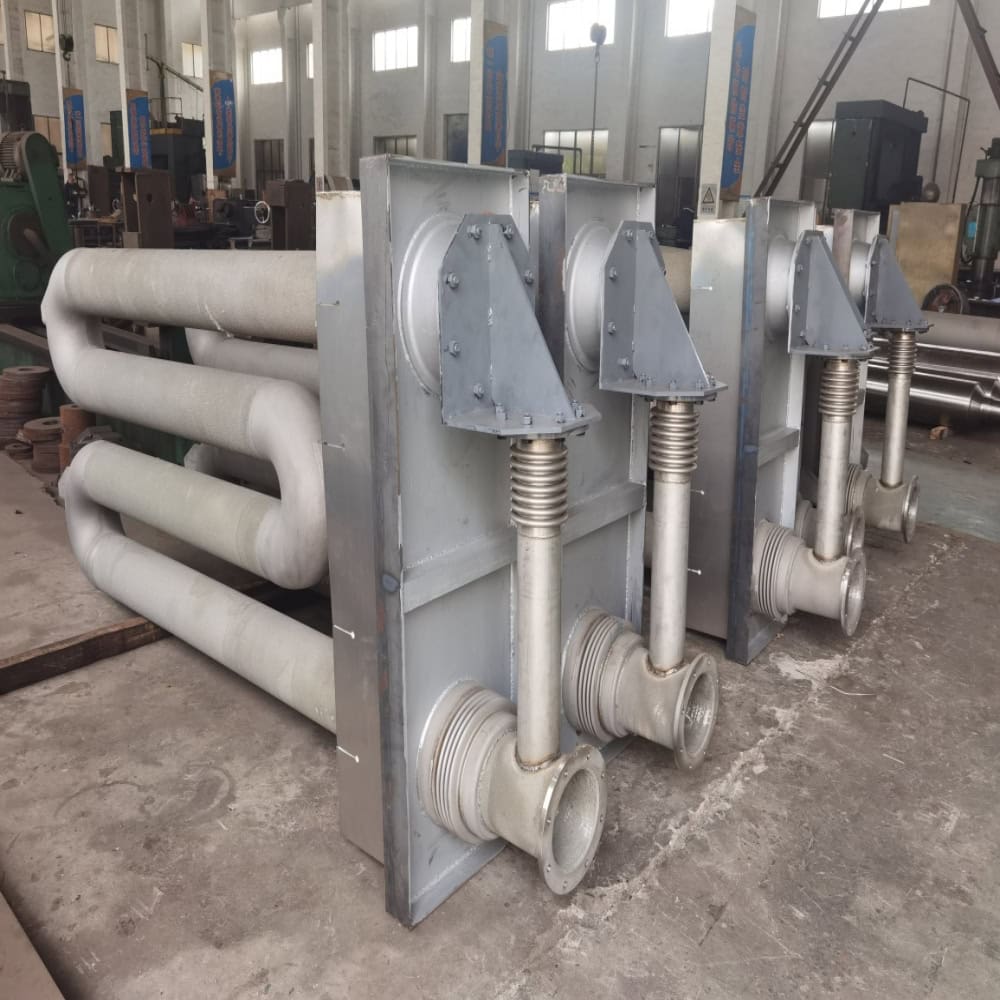
For a replacement, identify the heated length, overall envelope, return bends, burner and exhaust interfaces, and support locations. The required dimensions come from the approved drawing or reviewed sample, not from a general product photograph.
General foundry equipment context
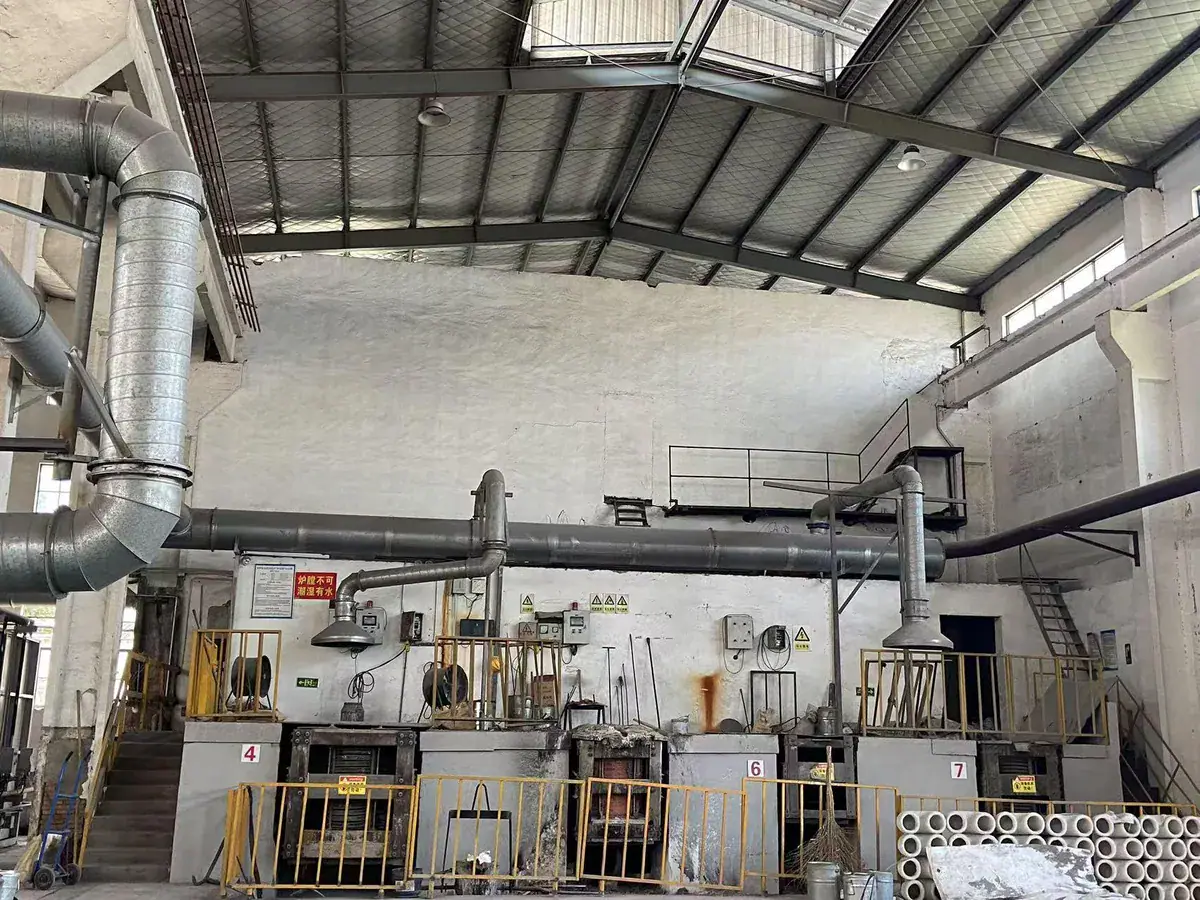
The supplied workshop image shows melting-area equipment and extraction ducts. It is general foundry context; it does not establish the casting route, batch identity or inspection result of the radiant tube pictured above. Ask for the proposed route and order-linked quality records.
Laboratory context and requested records
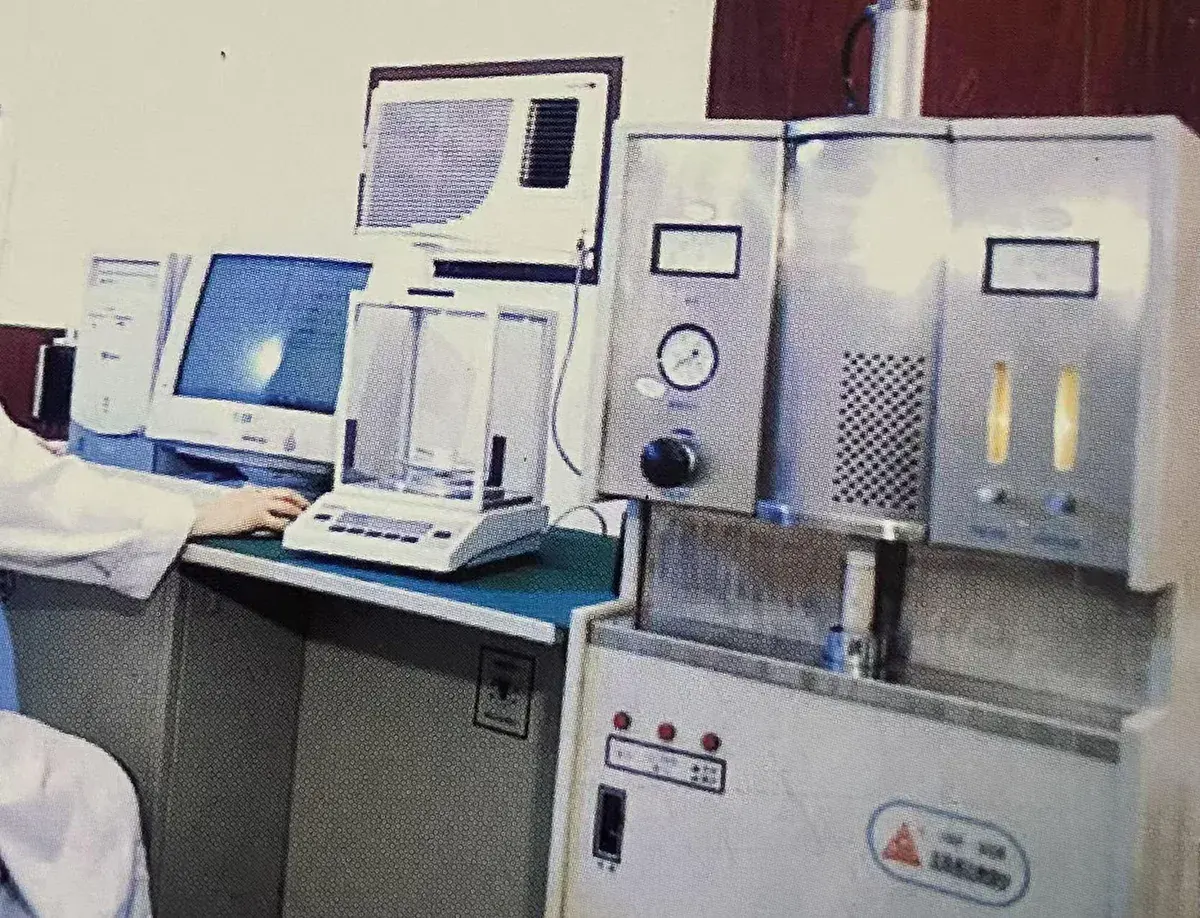
Laboratory instruments show the testing environment. Their presence does not certify a tube grade, prove calibration or demonstrate that a particular test has passed. Before production, agree material identification, required test method, sampling and report traceability.
What remains to be demonstrated for a live tube order
A complete project package should connect the approved drawing to production-stage images, material records and agreed connection/dimensional checks. Where specified, inspection of welds or other critical areas and any agreed pressure or leak test must be documented separately. This evidence set contains no radiant-tube-specific test report or authenticated service-life outcome.
How to use this evidence in a supplier review
| Visible evidence | What buyers can review | What still needs a record |
|---|---|---|
| Product photograph | Tube arrangement and visible connections | Controlled dimensions and material identity |
| General foundry photograph | Workshop equipment context | Tube-specific process and batch records |
| Laboratory photograph | Instrument environment | Calibration, test scope and order-linked results |
Information to agree before quotation
- Tube form, outside diameter, wall section, heated length and overall envelope
- Burner, exhaust and mounting interfaces; support locations and expansion allowance
- Atmosphere, furnace zone, thermal cycle and failure photographs
- Material records; agreed dimensional and any specified test requirements
Buyer questions
Does the laboratory photograph prove a radiant-tube test passed?
No. Only an order-linked report with the specified method, result and acceptance criteria can establish the result.
Is this page a completed customer-project case study?
No. It is a labelled product and manufacturing-capability overview. It does not assert that the general workshop photographs show the displayed tube being produced.
How should I document a failed radiant tube?
Provide overall and close-up photographs, damage locations, support and burner details, operating conditions and available history. Appearance alone does not establish the root cause.
What do I need for a replacement quotation?
Send the drawing or sample, tube form and key dimensions, supports, burner/exhaust interfaces, atmosphere, thermal cycle, quantity and required inspection scope.
Official product and RFQ route
Review the official Radiant Tubes product page. Send drawings, sample photographs, operating conditions, quantity and required records through Contact Us.
Verify the manufacturer through the official company facts and current catalog. For shared process and laboratory context, see manufacturing and quality evidence.
Published examples are not a universal specification. Final material, dimensions, manufacturing route and inspection scope are agreed for each project.

 +44 7419 144346