
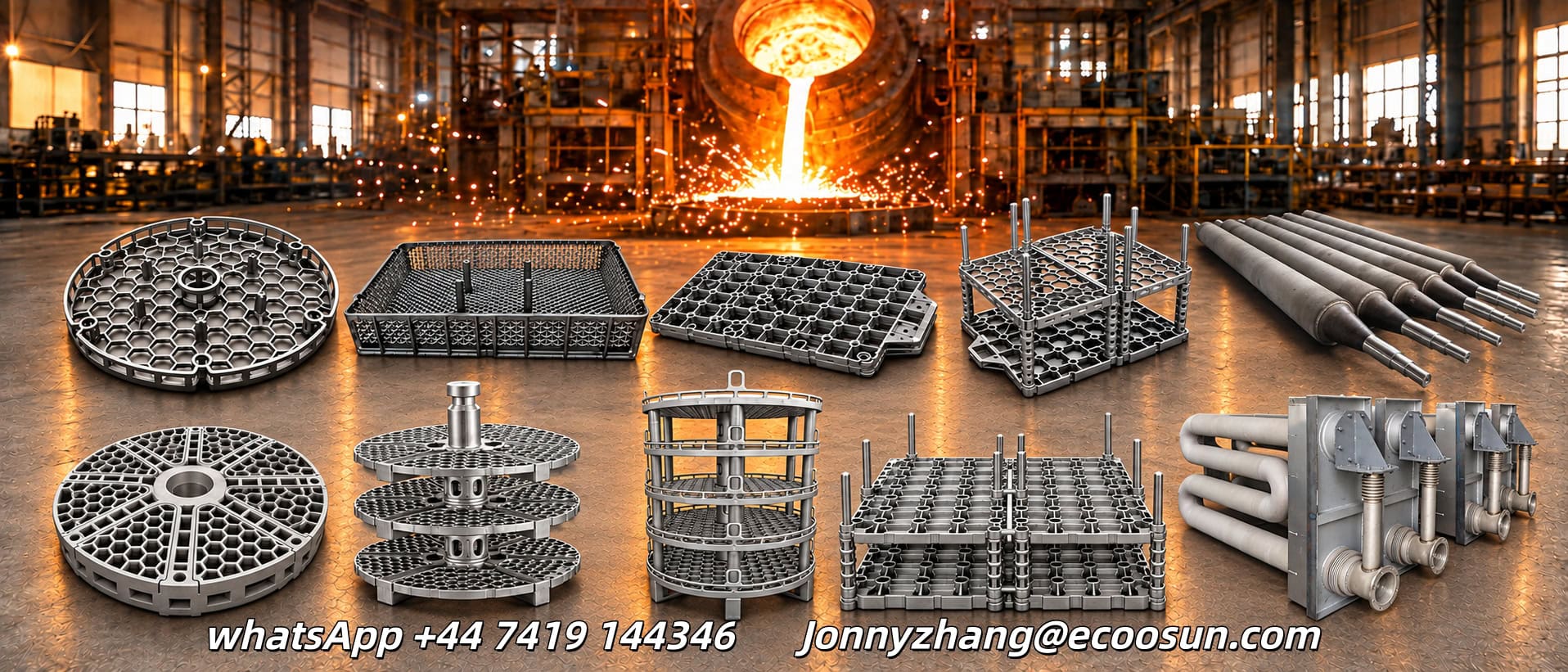
What Are Heat-Resistant Alloys?
Heat-resistant alloys are high-temperature alloys engineered to retain strength, dimensional stability and corrosion resistance in demanding thermal environments. Often produced as heat-resistant steel or high-temperature stainless steel, these materials are designed to resist oxidation, carburization, creep and thermal fatigue during repeated heating and cooling cycles.
In industrial heat-treatment furnaces, heat-resistant alloys are widely used for heat treatment baskets, furnace trays, heat treatment fixtures, radiant tubes, furnace rolls, retorts and other critical furnace components. The suitable heat-resistant alloy depends on the operating temperature, furnace atmosphere, load, thermal cycle and required service life of each part.
For replacement heat treat furnace parts or custom alloy components, material selection should be evaluated together with casting design, wall thickness, machining requirements and actual furnace conditions—not by alloy grade alone.
Custom Heat Treatment Furnace Parts
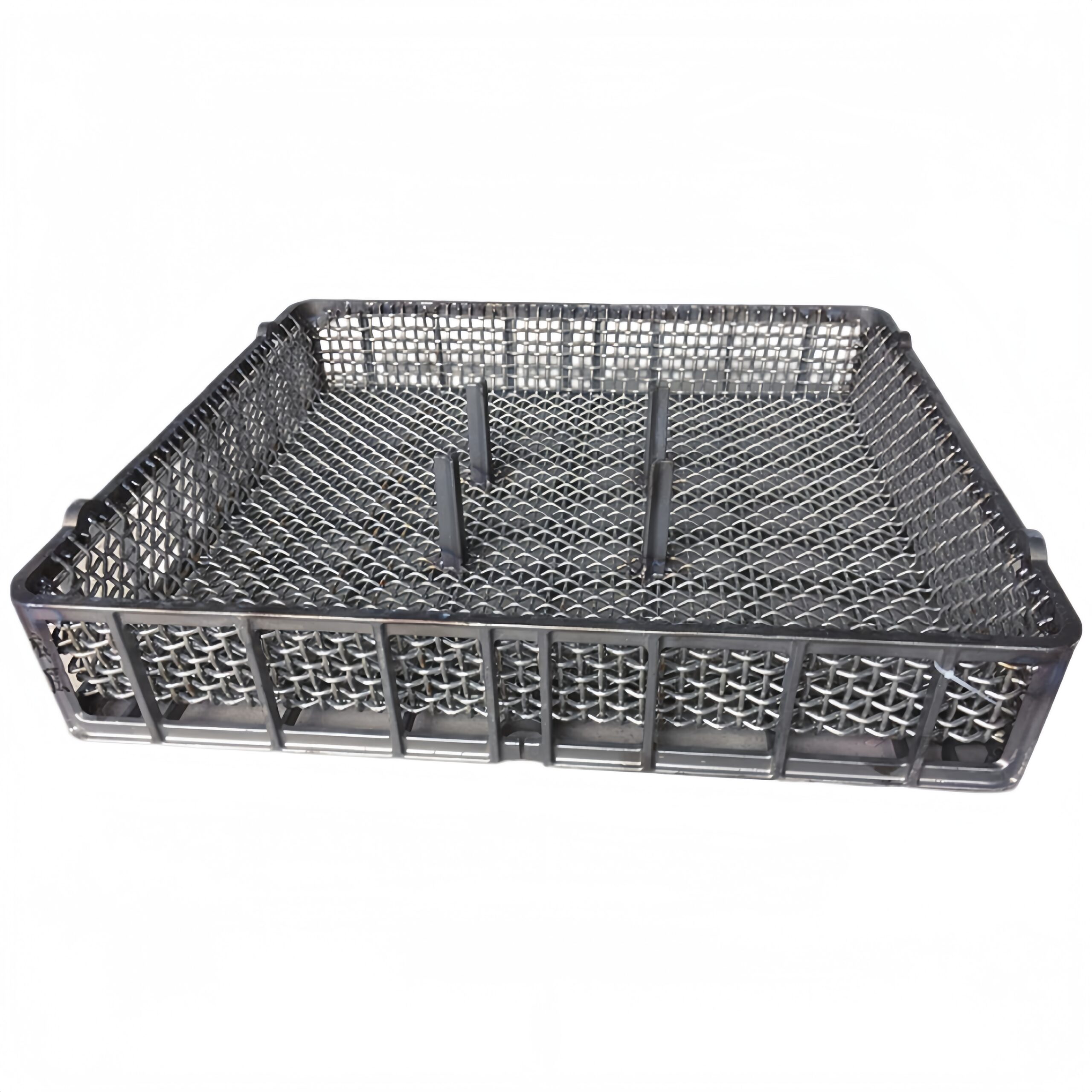
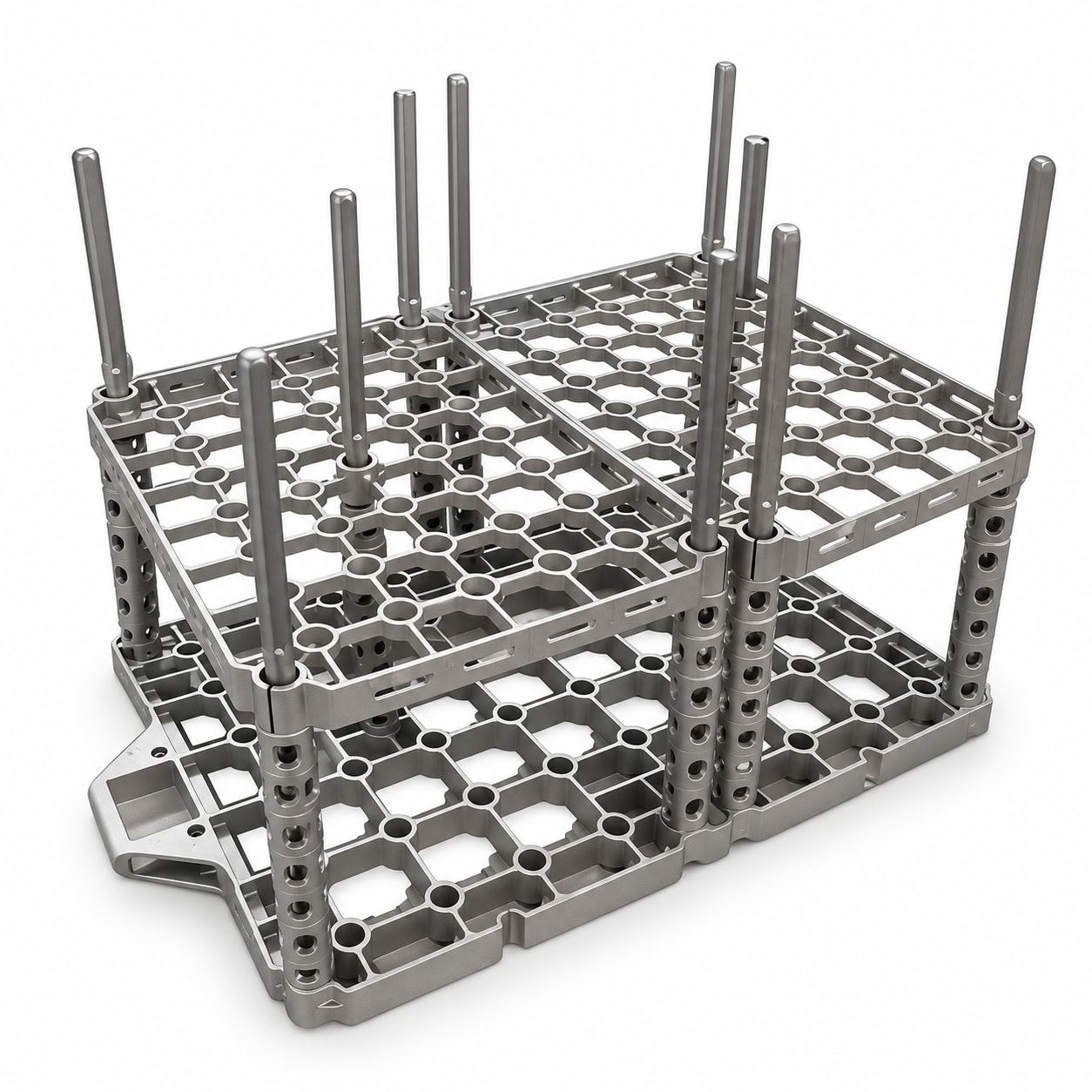
Custom heat treatment basket designed for stable loading, uniform heat circulation and repeated high-temperature cycles.
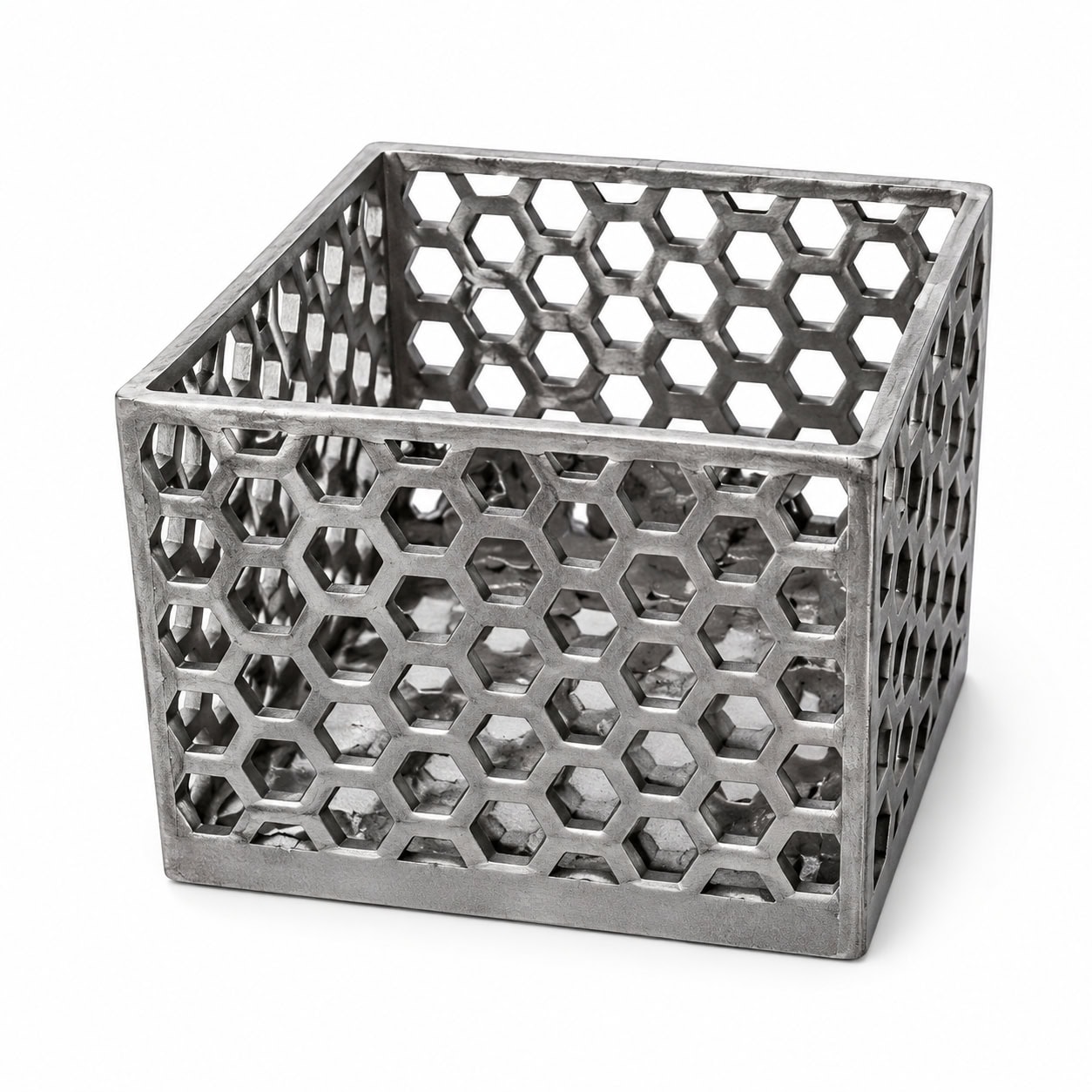
Heavy-duty furnace basket manufactured from heat-resistant alloy for demanding industrial furnace applications.
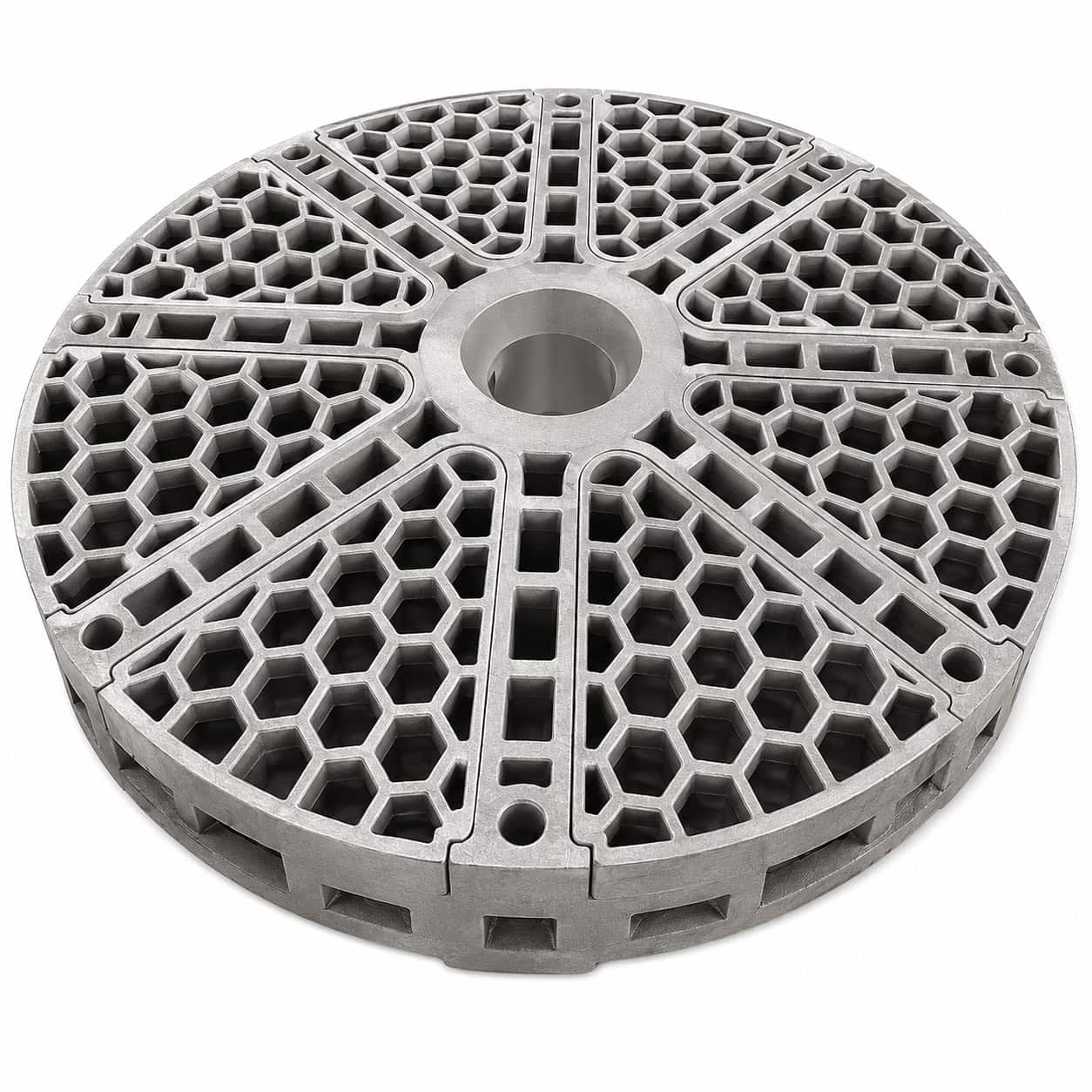
Carburizing basket engineered to resist oxidation, thermal fatigue and deformation in controlled-atmosphere furnaces.
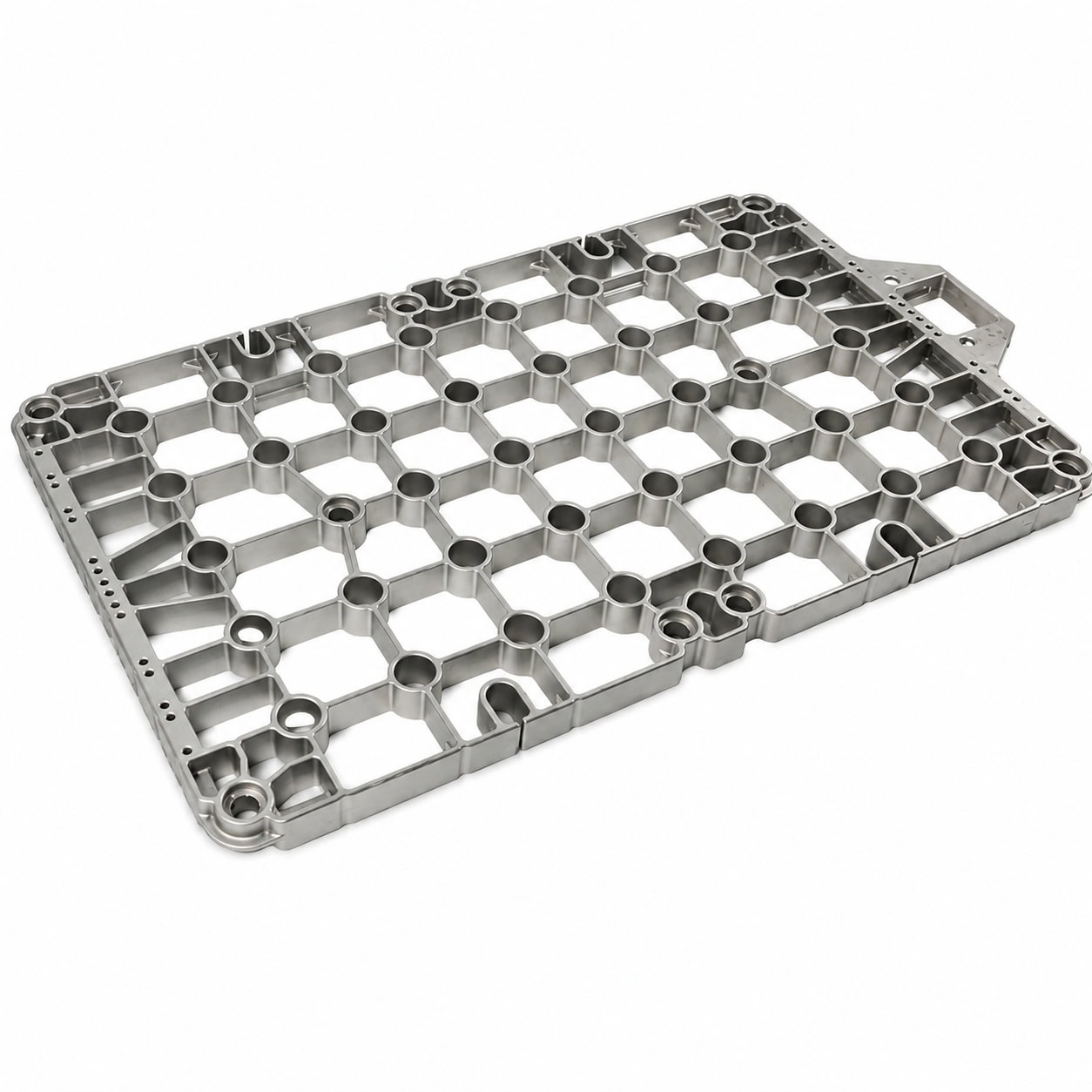
Heat-resistant basket with optimized grid structure for improved airflow, load distribution and longer service life.
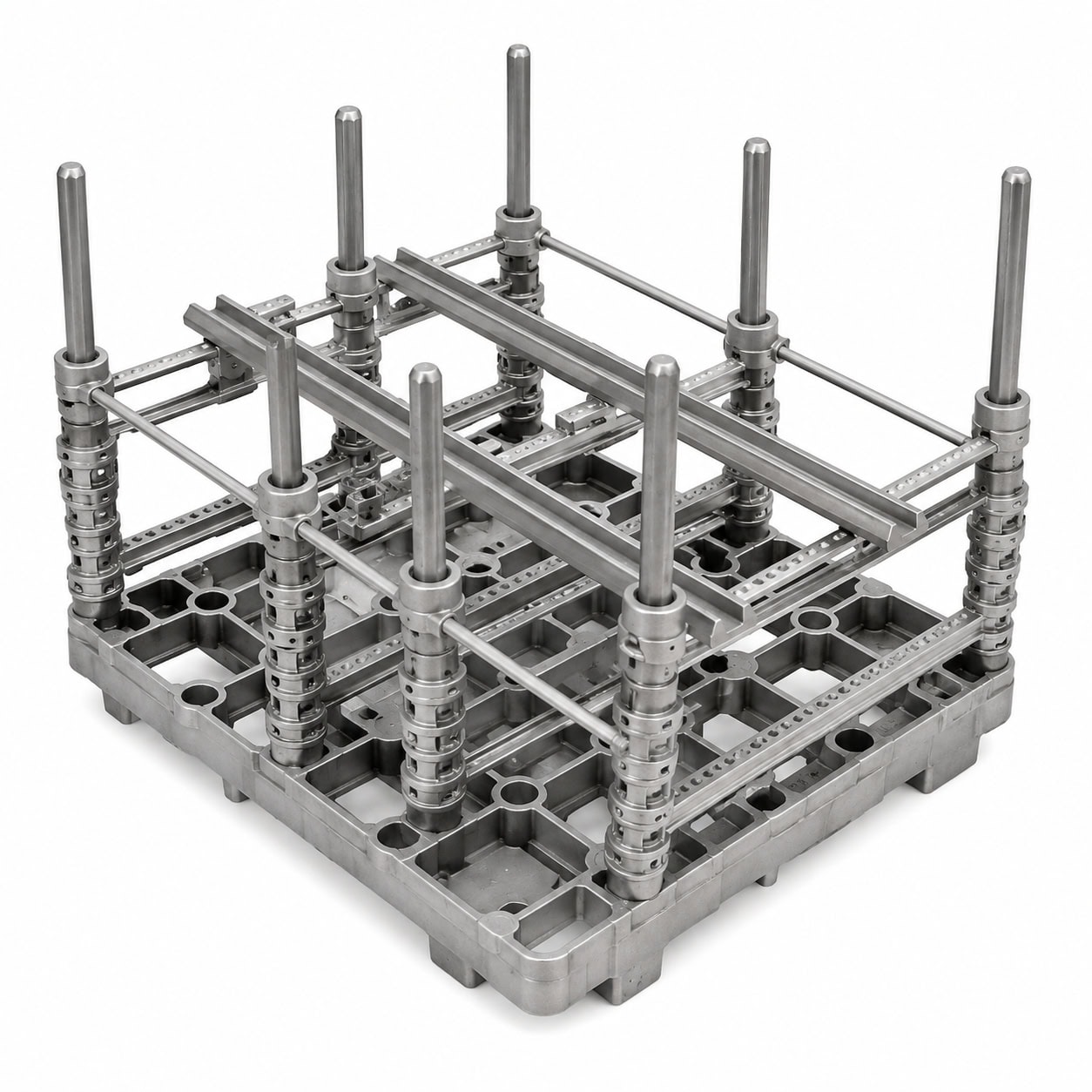
Custom furnace charging basket produced to your drawings, furnace dimensions and operating requirements.

Precision-cast heat treatment fixture built for annealing, hardening, tempering and other heat treating processes.
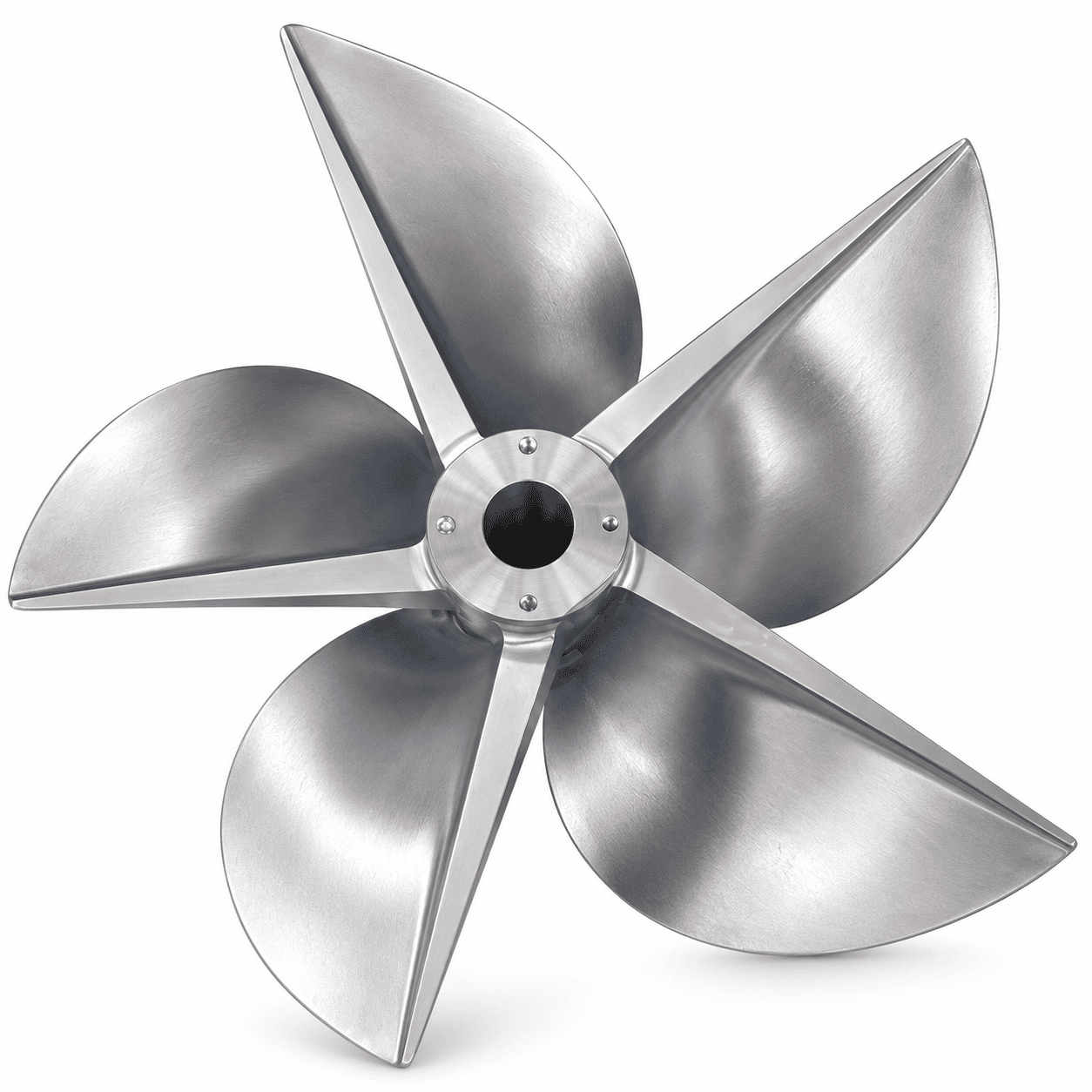
OEM /ODM heat treatment furnace part designed for reliable replacement, accurate fit and consistent production performance.
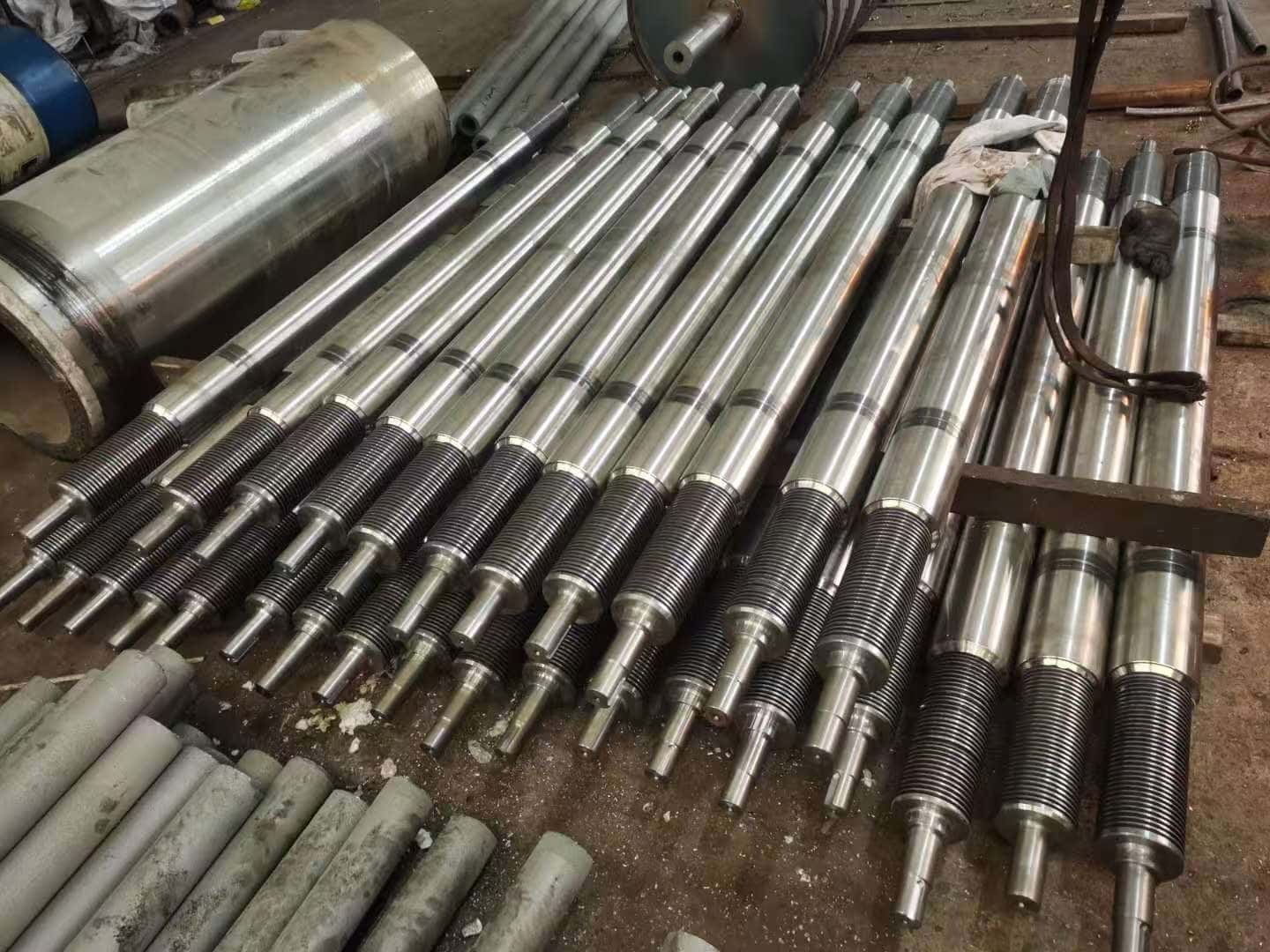
Cast steel furnace basket manufactured by sand casting, investment casting or lost foam casting for custom applications.
High-Temperature Alloys Are Selected for Actual Furnace Conditions
Heat-resistant alloys are engineered to retain strength, dimensional stability and corrosion resistance in high-temperature environments. In industrial heat treatment equipment, high-temperature alloys, heat-resistant steel and heat-resistant stainless steel must perform under specific operating temperatures, furnace atmospheres, mechanical loads and repeated thermal cycles.
Whether a component operates in an oxidizing, carburizing or vacuum environment, the material must be selected for its real service conditions—not by temperature rating alone.

Material Properties, Alloy Grades and Standards Matter
The performance of a heat-resistant alloy depends on oxidation resistance, carburization resistance, creep strength, thermal-fatigue resistance and casting integrity. Common heat-resistant steel grades for furnace castings include HK40, HU alloy, HF alloy, HH alloy and GX40CrNiSi25-20, selected according to the required temperature, atmosphere and loading condition.
Specifications such as ASTM A494, ASTM A608 and EN 10295 provide useful references when evaluating cast heat-resistant alloys. Where buyers reference high-temperature nickel alloys such as Haynes 230, the required cast or wrought material standard should be reviewed before material selection.
Different Furnace Components Require Different Alloy Solutions
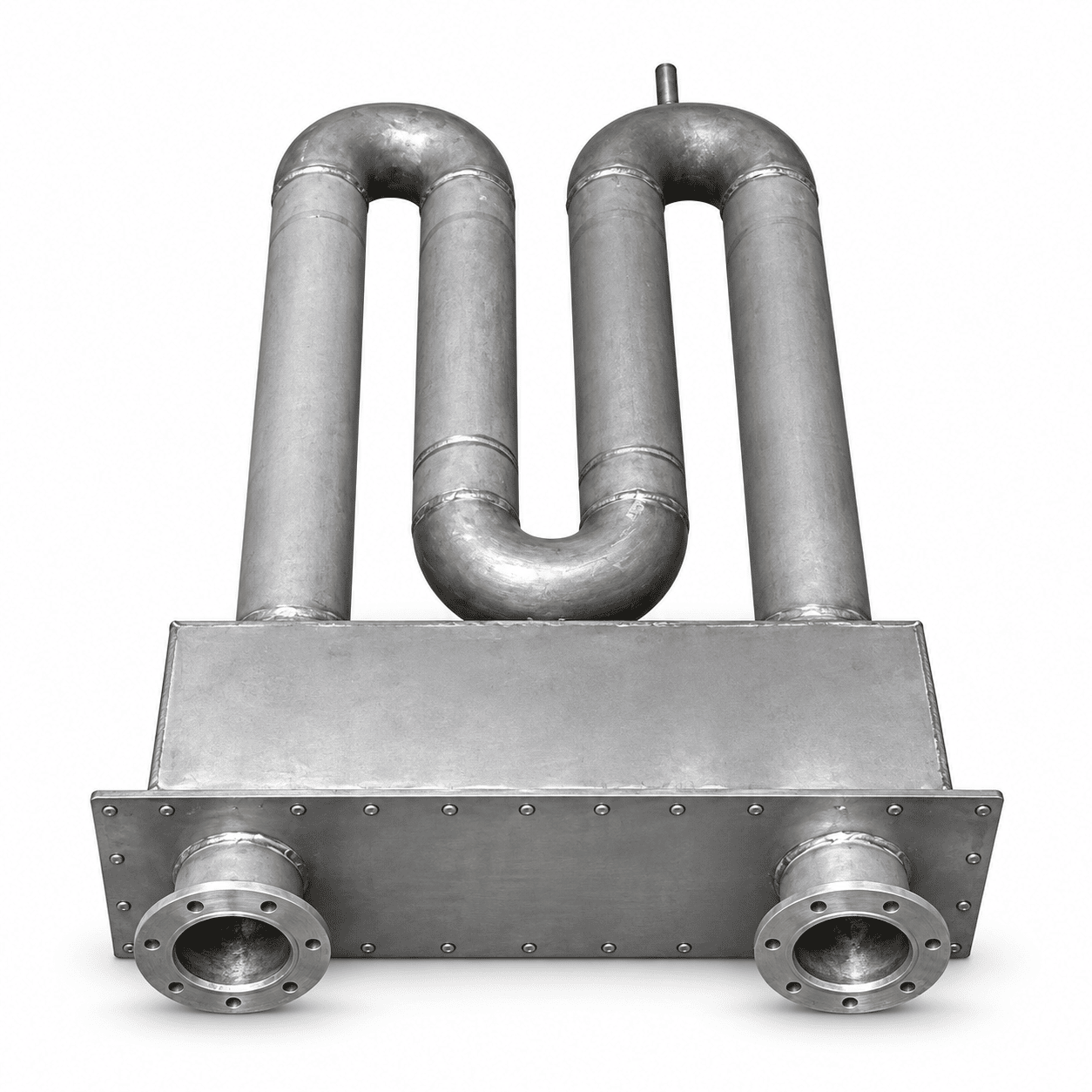
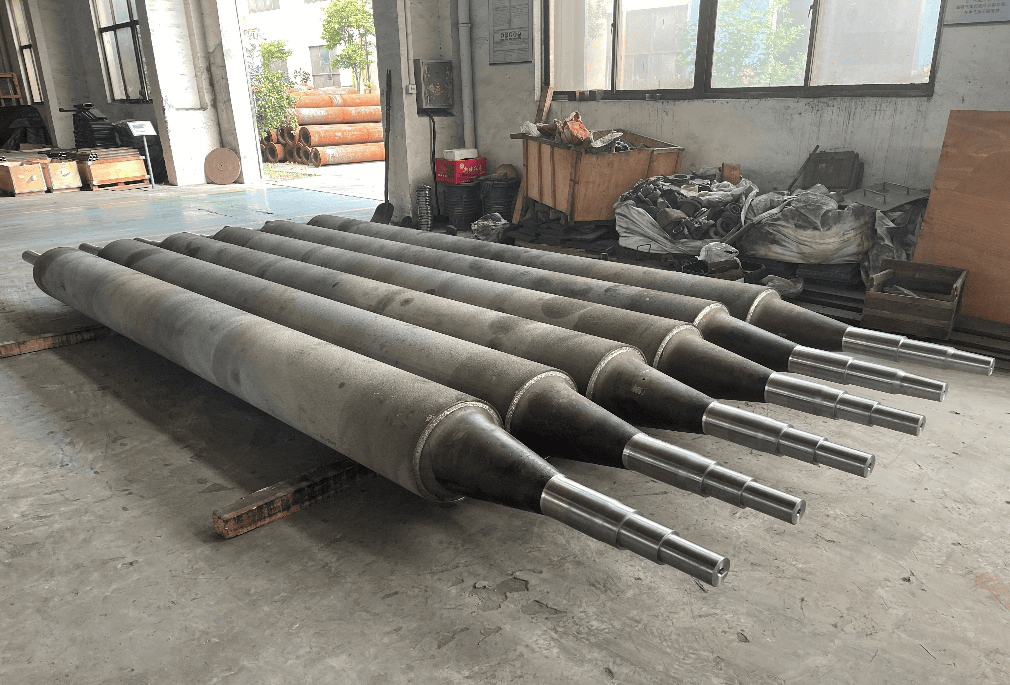
Heat treatment baskets, furnace trays and heat treatment fixtures must remain stable while carrying production loads through repeated heating and cooling cycles. Radiant tubes, furnace rolls, retorts, furnace fans and conveyor components require heat-resistant alloy solutions that also address oxidation, thermal distortion, wear and long-term high-temperature exposure.
For this reason, a material suitable for a heat-resistant tray may not be the best choice for a radiant tube, furnace roll or other industrial furnace component.
From Alloy Selection to Custom Heat-Resistant Castings
Custom heat-resistant alloy components should be engineered around the actual part design and service requirement. We review drawings, dimensions, wall thickness, installation method, operating temperature, furnace atmosphere and expected service life before recommending a casting solution.
Depending on the component geometry and performance target, production may combine heat-resistant steel castings, alloy steel casting, stainless steel casting, precision machining and dimensional inspection. This approach supports replacement heat treat furnace parts, vacuum furnace spare parts and custom alloy components for existing industrial furnace equipment.
Heat-resistant alloys are high-temperature alloys designed to retain strength, dimensional stability and corrosion resistance during prolonged exposure to heat. In industrial heat treatment equipment, heat-resistant steel and heat-resistant stainless steel are commonly used to manufacture furnace components exposed to oxidation, carburization, load and repeated thermal cycles.
Heat-resistant steel is a broad term for steels engineered for elevated-temperature service. Heat-resistant stainless steel generally contains higher chromium and, in some grades, nickel to improve oxidation resistance and corrosion resistance. The suitable material depends on furnace temperature, atmosphere, load, thermal cycling and required service life.
A heat-resistant alloy should be selected according to the operating temperature, furnace atmosphere, component load, heating cycle, part geometry and expected service life. For example, a carburizing furnace, vacuum furnace and oxidizing atmosphere may require different alloy properties for the same type of heat treatment furnace part.
Key properties of high-temperature alloys include oxidation resistance, carburization resistance, creep strength, thermal-fatigue resistance, castability and dimensional stability. These properties help heat-resistant alloy castings resist cracking, deformation and premature failure in industrial furnace applications.
Common grade names used in heat-resistant steel castings include HK40, HU alloy, HF alloy, HH alloy, HP-modified and HP-Nb alloys. Grade selection should be confirmed against the required operating condition and relevant material specification, rather than selected only by a familiar alloy name.
Heat-resistant alloys are widely used for heat treatment baskets, furnace trays, heat treatment fixtures, radiant tubes, furnace rolls, furnace retorts, muffles, walking beams, guide rails and furnace fans. Each component requires a material and casting design suited to its heating, loading and conveying function.
Yes, but the alloy must match the process environment. Carburizing atmospheres can accelerate carburization and reduce the life of unsuitable heat-resistant steel castings, while vacuum furnace spare parts require materials that remain stable under high temperature and controlled low-pressure conditions.
Not always. Heat treatment trays and baskets mainly require load-bearing strength and resistance to distortion. Radiant tubes require reliable high-temperature heating performance, while furnace rolls also need strength, wear resistance and dimensional stability during continuous conveying. Different furnace components often need different heat-resistant alloy solutions.
Yes. Custom heat-resistant alloy components can be manufactured from 2D or 3D drawings, old samples, part photos and measured dimensions. For obsolete or damaged heat treat furnace parts, reverse engineering can help reproduce mounting features, wall thickness, casting geometry and machining requirements for the existing equipment.
For custom industrial furnace parts, please provide the drawing or sample, dimensions, quantity, existing material grade if known, operating temperature, furnace atmosphere, load condition and required delivery date. This information helps a heat-resistant alloy casting manufacturer recommend a practical material, casting process and machining solution.

 +44 7419 144346