
Direct answer: Heat-resistant alloy cast parts are selected from the component geometry, furnace conditions, load, operating cycle and failure evidence rather than from a material name alone. ECOOSUN can review a drawing or used sample and align casting and inspection requirements with the project.
When a furnace component is urgent, the lowest quotation is rarely the only cost. A wrong interface, an undocumented material substitution or a casting that needs rework can extend a shutdown and create uncertainty in the next purchase. This guide helps buyers compare a heat resistant alloy casting manufacturer using evidence rather than sales language.
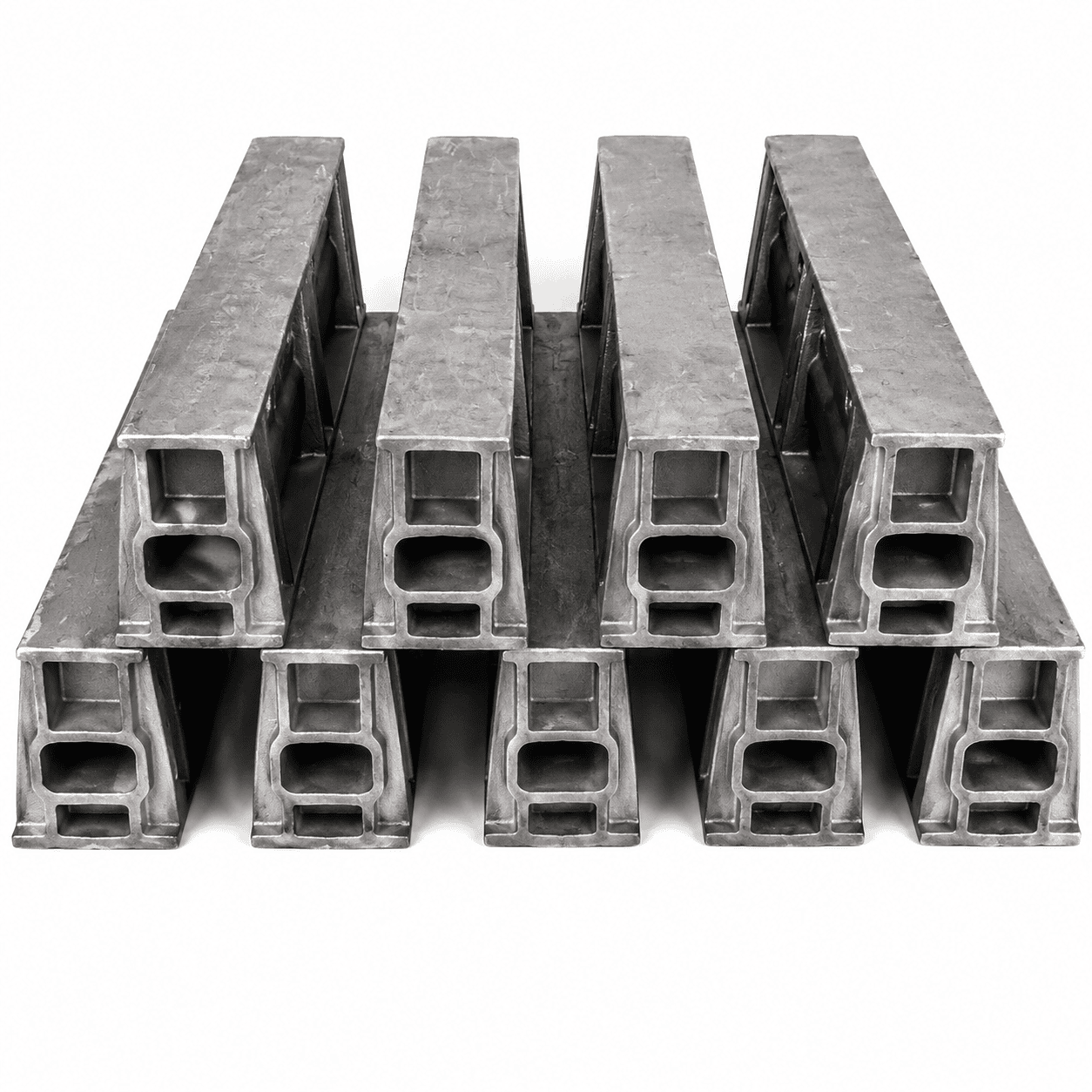
The five questions behind a reliable supplier review
1. Can the manufacturer understand the component’s job?
A supplier should ask about the furnace zone, atmosphere, load, movement, heating method and operating cycle. If the conversation stops at “send the size and quantity,” the service condition may not have been understood. A good first response identifies missing information and explains why it matters.
2. Can the manufacturer control the geometry?
Ask how the supplier handles patterns, cores, section transitions, machining allowances and critical interfaces. For a basket or tray, this may mean flatness, lifting points and support spacing. For a radiant tube, it may mean bend geometry, burner-end alignment and expansion clearance. For a roll, it may mean shaft details, concentricity and support locations.
3. Is the inspection plan visible before production?
Request a drawing marked with inspection-critical dimensions and a list of documents that will be supplied. Depending on the project, that may include dimensional results, material identification, visual inspection or agreed non-destructive testing. The exact plan should reflect the consequence of failure and your quality requirements.
4. Is traceability practical?
Traceability is useful only if it connects the finished component to a heat, drawing revision, inspection record and shipment. Ask how parts are identified and how revisions are controlled. This is especially important when several furnace zones use visually similar parts.
5. Can the supplier support the replacement cycle?
A furnace part is often reordered months or years later. Ask whether the supplier can retain the approved drawing, revision history, inspection format and photographs of the delivered part. This turns an emergency replacement into a repeatable process.
A simple scorecard for procurement
| Area | Evidence to request | Warning sign |
|---|---|---|
| Engineering | Marked-up drawing, design questions, revision control | Quote based only on one dimension |
| Manufacturing | Explanation of pattern, core, casting and finishing route | Generic process text with no part-specific points |
| Quality | Inspection plan and sample report format | “100% inspected” without defined features |
| Traceability | Part ID, drawing revision and document linkage | No way to identify the delivered revision |
| After-sales | Replacement record and technical contact | Only a sales mailbox, no engineering follow-up |
Do not confuse certificates with suitability
Certificates and test reports are useful when relevant to the order. They do not replace a review of furnace atmosphere, loading, support and geometry. If a supplier proposes a different material or process, ask for the reason, the assumptions and the checks required before approval. Do not accept an unmarked substitution simply because the grade name looks similar.
How to prepare a supplier comparison pack
- Use the same drawing revision for every quotation.
- State the operating condition and the reason for replacement.
- Ask every supplier to identify inspection-critical features.
- Compare lead time, documentation and packaging with the unit price.
- Keep the approved quotation and inspection record with the furnace asset file.
This process is particularly helpful for heat treatment furnace parts and custom heat-resistant alloy parts, where shape and service condition are closely linked.
What ECOOSUN needs to quote responsibly
ECOOSUN can review a drawing, measured sketch or replacement photograph for furnace baskets, trays, fixtures, rolls, radiant tubes and other cast components. Include the furnace type, zone, temperature range, atmosphere, load, quantity and required delivery date. See the factory overview for the manufacturing context, then send the enquiry for a drawing-based review.
Bottom line
The best heat resistant alloy casting manufacturer is not simply the company that names the most alloys. It is the supplier that connects the alloy, geometry, process, inspection and replacement record to the actual furnace duty. That is the comparison that reduces risk for both the plant and the furnace OEM.
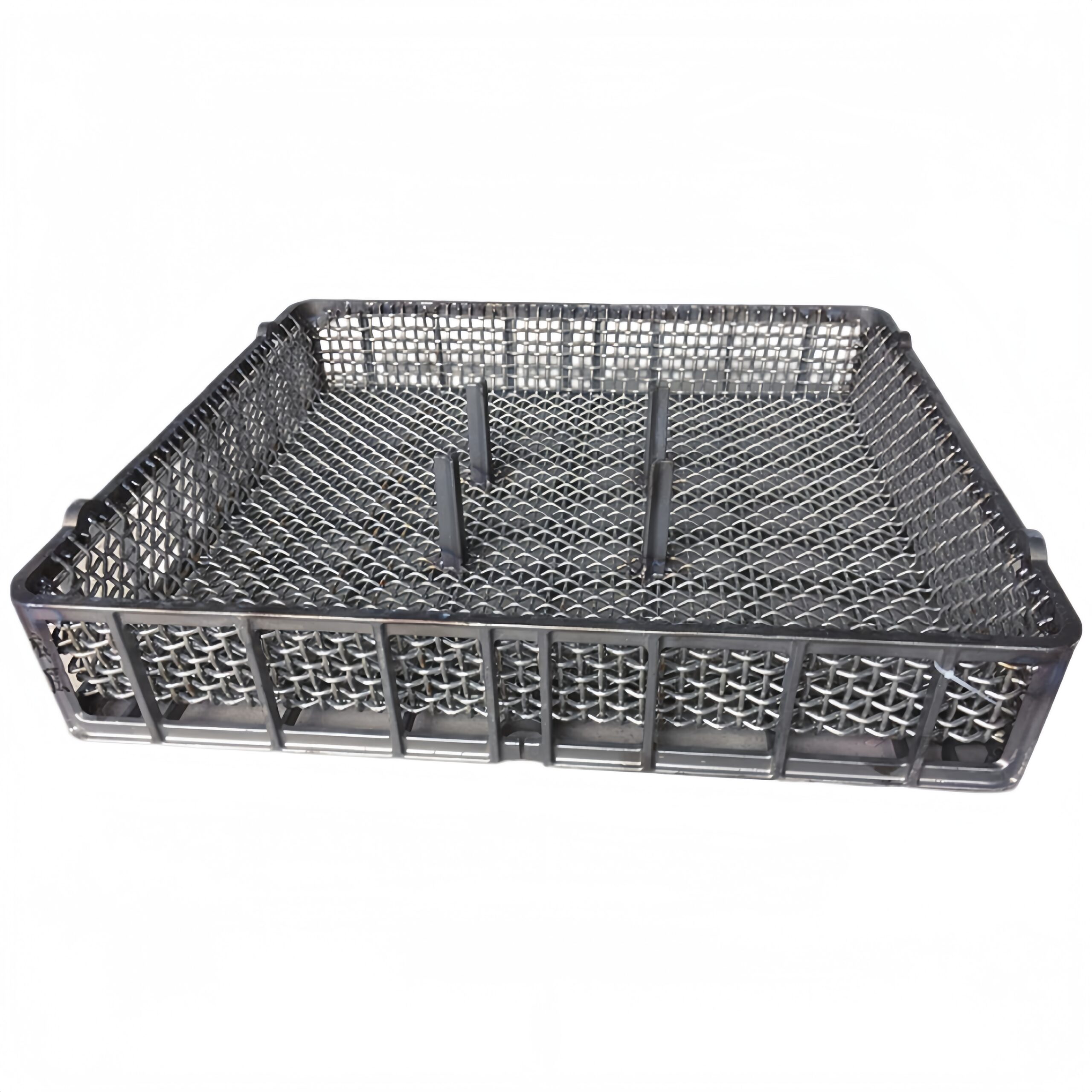
Production context: The component reference should be read together with the manufacturing and inspection context behind the furnace application.

FAQ
What should a buyer confirm for a heat-resistant alloy part requirement?
Confirm the drawing or used sample, key dimensions and interfaces, furnace type and clearance, load, operating cycle, failure evidence and inspection requirements. Final acceptance criteria should be agreed for the specific project.
Can ECOOSUN review a custom heat-resistant alloy part requirement?
Yes. ECOOSUN can review a customer drawing or used sample and discuss casting, laboratory and inspection requirements for a custom furnace-component project. Suitability and final scope are confirmed from the supplied information.


 +44 7419 144346