x
Send Your Inquiry Today
Quick Quote

Investment, Sand or Lost Foam Casting? Select the Process From the Furnace Part

A furnace tray, radiant-tube bend and large furnace base may all be specified in heat-resistant cast steel, yet require different moulding routes. The correct question is not which casting process is “best.” It is which route can repeatedly make the critical geometry, material condition and inspection package at the expected quantity.

This matters because buyers often compare quotations that are not based on the same assumptions. One supplier may include permanent tooling and machining; another may quote temporary patterns and leave critical surfaces as cast. Process selection becomes clearer when the drawing and purchasing requirement are separated into functions before prices are compared.

Mark Critical Features Before Discussing the Process

Start with the drawing, but do not treat every dimension as equally important. Mark:

  • furnace and assembly interfaces;
  • load-bearing ribs, walls and junctions;
  • bores, flange faces and sealing surfaces that require machining;
  • minimum sections and isolated heavy sections;
  • enclosed passages or geometry that may need cores;
  • datum surfaces and inspection stations;
  • expected batch and annual quantity;
  • alloy standard, traceability and examination requirements.

Then add the service duty: temperature, atmosphere, hot load, thermal cycle and known failure pattern. Casting route does not replace alloy or component design. It must manufacture the design that the duty requires.

Investment Casting: A Long Process Chain With Fine-Feature Potential

The reviewed opening chapter of Practical Investment Casting Technology (`实用熔模铸造技术.pdf`) describes investment casting as a sequence that includes pattern manufacture, pattern assembly, shell preparation, dewaxing, firing, melting and pouring, cleaning and post-processing. Its contents then treat wax materials and pattern manufacture, shell materials and shell making, melting, cleaning, heat treatment, inspection and process design as connected subjects.

Investment casting production for heat-resistant furnace parts

Investment casting performance depends on the complete pattern-to-shell-to-metal process chain, not on the ceramic shell alone.

That chain makes investment casting worth screening when a furnace part has intricate contours, repeated small features, difficult conventional parting, or a business case for reducing machining and consolidating fabricated pieces. It also explains why the method is not automatically the quickest or least expensive option. Pattern behaviour, cluster arrangement, shell building and drying, dewaxing, pouring and finishing all affect first-article work and repeatability.

Large changes in section still require feeding and solidification review. “Near net shape” should not be translated into an unverified universal tolerance. The supplier must confirm capability for the actual alloy, envelope, tooling and inspection plan.

Sand Casting: Start With Process Design and Tooling Strategy

The visually reviewed opening of Sand Casting Process and Tooling Design (`砂型铸造工艺及工装设计.pdf`) frames casting-process design around analysis of the part structure, production conditions and technical requirements. Its contents cover process-scheme selection, parting and pouring position, process parameters, cores, gating, risering, chills and tooling design. This is useful evidence for a purchasing decision: “sand casting” is not one fixed capability level.

Sand casting production line used for industrial castings

Pattern, mould, core, gating and feeding decisions determine whether a sand-cast route fits the part.

Sand casting is often a strong candidate for a large envelope, a replacement with low or variable demand, or a part whose functional surfaces will be machined. Pattern material and moulding system can be selected around order life. Cores can form internal geometry where the design and foundry practice allow it.

Its flexibility does not remove process risk. Parting, core location, mould control, gating, feeding and cleaning can influence mismatch, inclusions, shrinkage and finishing effort. A useful RFQ shows where machining stock is needed and which as-cast surfaces actually affect furnace operation. Requiring cosmetic precision everywhere can add cost without adding reliability.

Lost Foam Casting: Geometry Consolidation Requires Pattern and Coating Control

The reviewed contents of Huang Tianyou’s Lost Foam Casting Technology (`消失模铸造技术 黄天佑.pdf`) cover expendable-pattern manufacture, foam materials, coatings, moulding and pouring, quality control and defect prevention. The separate Practical Handbook of Lost Foam Casting Production (`消失模铸造生产实用手册.pdf`) expands the production route into pattern materials and manufacture, coating and drying, dry-sand moulding, vibration/compaction, pouring systems, production equipment and defect control.

Lost foam casting process for complex furnace components

Lost foam is a coordinated pattern, coating, dry-sand and pouring system; complexity does not eliminate the need for process validation.

Lost foam casting is worth evaluating when an expendable foam pattern can simplify conventional parting, reduce some core constraints or consolidate a complex shape. Repeat production also needs stable pattern manufacture and assembly.

The same sources show why “no parting line” is not a complete selection argument. Foam density and dimensional stability, pattern joining, coating application and drying, sand filling and compaction, gating and pouring all interact. Pattern decomposition products must leave through the selected coating and mould system. The supplier should therefore explain how the actual geometry and alloy will be validated.

A Decision Matrix for Furnace-Part Buyers

Buying conditionInvestment castingSand castingLost foam casting
Fine repeated detailOften worth screeningCapability depends on pattern, mould and coresPossible where foam pattern and coating remain stable
Large overall envelopeLimited by the selected lineCommonly worth screeningLimited by pattern handling and moulding line
One-off obsolete spareTooling chain may be difficult to justifyTemporary or practical tooling can be attractivePattern strategy must be evaluated
Stable repeat orderControlled tooling can support consistencyDurable patterns can support repeat ordersRepeatable foam-pattern production is essential
Difficult parting/core arrangementCan avoid some conventional constraintsRequires a feasible parting and core planCan simplify suitable geometry
Machining reductionA frequent selection objectiveMachining allowance is commonly plannedPossible, but capability is part-specific
Main process evidencepattern, shell and metal controlsmould/core, gating and feeding controlsfoam pattern, coating, compaction and pouring controls

This table screens routes; it is not an acceptance standard. Exact dimensional, surface and inspection capability must be agreed with the foundry that will make the part.

Let the Component Function Change the Weighting

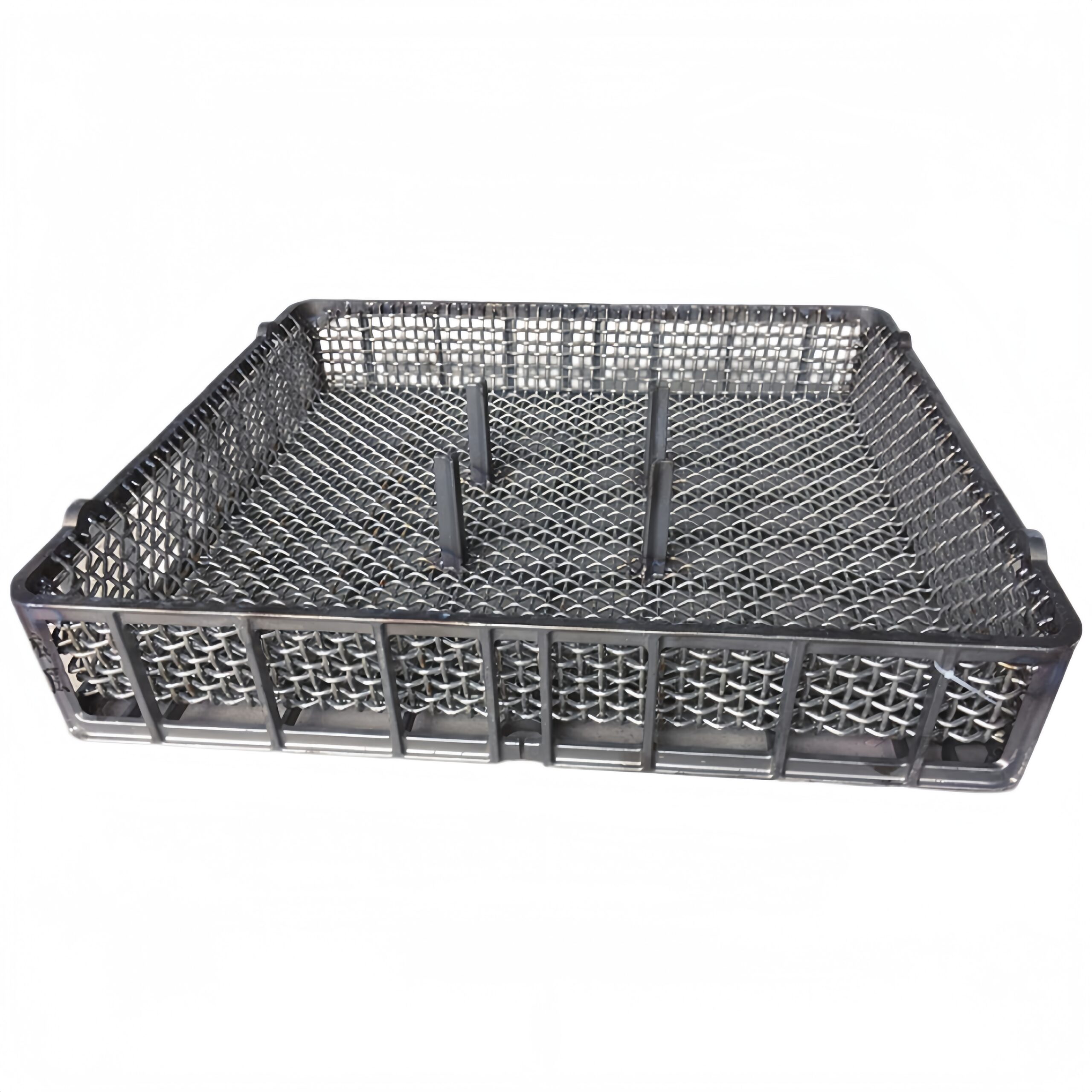
An open-grid heat treatment tray puts emphasis on rib junctions, flatness, load path and repeat geometry. A radiant tube emphasizes wall integrity, straightness, joining and any leakage-related inspection. A furnace fan or impeller adds hub, blade and balance concerns.

These parts should not inherit the same generic casting specification simply because they work in a furnace. First establish function and consequence of failure; then weight tooling, precision, inspection and delivery accordingly. Material selection remains a separate decision, described in the heat-resistant alloy selection guide.

Compare Tooling Over the Expected Order Life

Ask suppliers to separate tooling or pattern cost, first-article work, casting price at realistic batch quantities, machining, inspection and repeat-order lead time. Also define tooling ownership, storage, maintenance and revision control.

A temporary pattern can make sense for one emergency replacement. A controlled durable tool may be more economical for repeat orders because it preserves geometry and avoids rebuilding setup knowledge. The comparison should use expected order life rather than the first invoice alone.

Inspection Must Follow Function and Route-Specific Risk

Inspection of cast furnace parts after production

First-article inspection should focus on functional datums, machining stock, interfaces and agreed examination areas.

At minimum, define material verification, traceability, visual acceptance and critical dimensional checks. Add nondestructive examination where the drawing, consequence of failure or agreed standard requires it. Establish how a condition revealed during machining will be reported and resolved.

For a new route, qualify a sample or first article before releasing the production quantity. Retain the approved drawing, process assumptions and inspection record. That baseline is more valuable for repeat purchasing than an unsupported promise that one process always gives “better quality.”

The Selection Sequence

  1. Confirm service duty and material requirement.
  2. Mark critical geometry, surfaces, machining and inspection areas.
  3. State prototype, batch and annual quantities.
  4. Screen physical feasibility with suppliers for all credible routes.
  5. Compare tooling, first article, unit, machining and inspection costs over order life.
  6. Review route-specific controls and known risks.
  7. Qualify the first article and preserve the approved baseline.

ECOOSUN uses multiple casting routes for heat-treatment furnace parts and custom heat-resistant alloy parts. Send the drawing, alloy, quantities, service conditions and inspection requirements through the contact page for a route review.

Reference Boundary

The comparison is based on visually reviewed process structures in `实用熔模铸造技术.pdf` (PDF pages 5–12), `砂型铸造工艺及工装设计.pdf` (pages 4–12), `消失模铸造技术 黄天佑.pdf` (pages 8–12), and `消失模铸造生产实用手册.pdf` (pages 1–12). The pages support the process chains and control categories described above. They do not provide universal tolerance, cost, lead-time or defect-rate guarantees, and no such numbers are claimed here.

Adding Silica Sol to the Shortlist

Silica Sol Investment Casting deserves consideration when fine detail, surface condition and near-net geometry are more important than the low tooling cost of sand casting or the size flexibility of lost foam casting.

Silica Sol Investment Casting should then be compared using the actual alloy, part envelope, section thickness, quantity, machining plan and inspection requirements.

For heat-resistant components, Silica Sol Investment Casting also requires a separate review of alloy chemistry, thermal cycling, mechanical load and expected failure mode.

Heat Treatment Fixtures & Furnace Components

Custom heat-resistant alloy baskets, trays, fixtures, radiant tubes, furnace rolls and replacement parts for furnace manufacturers and heat treaters.
Scroll to Top