
Direct answer: Heat-resistant alloy cast parts are selected from the component geometry, furnace conditions, load, operating cycle and failure evidence rather than from a material name alone. ECOOSUN can review a drawing or used sample and align casting and inspection requirements with the project.
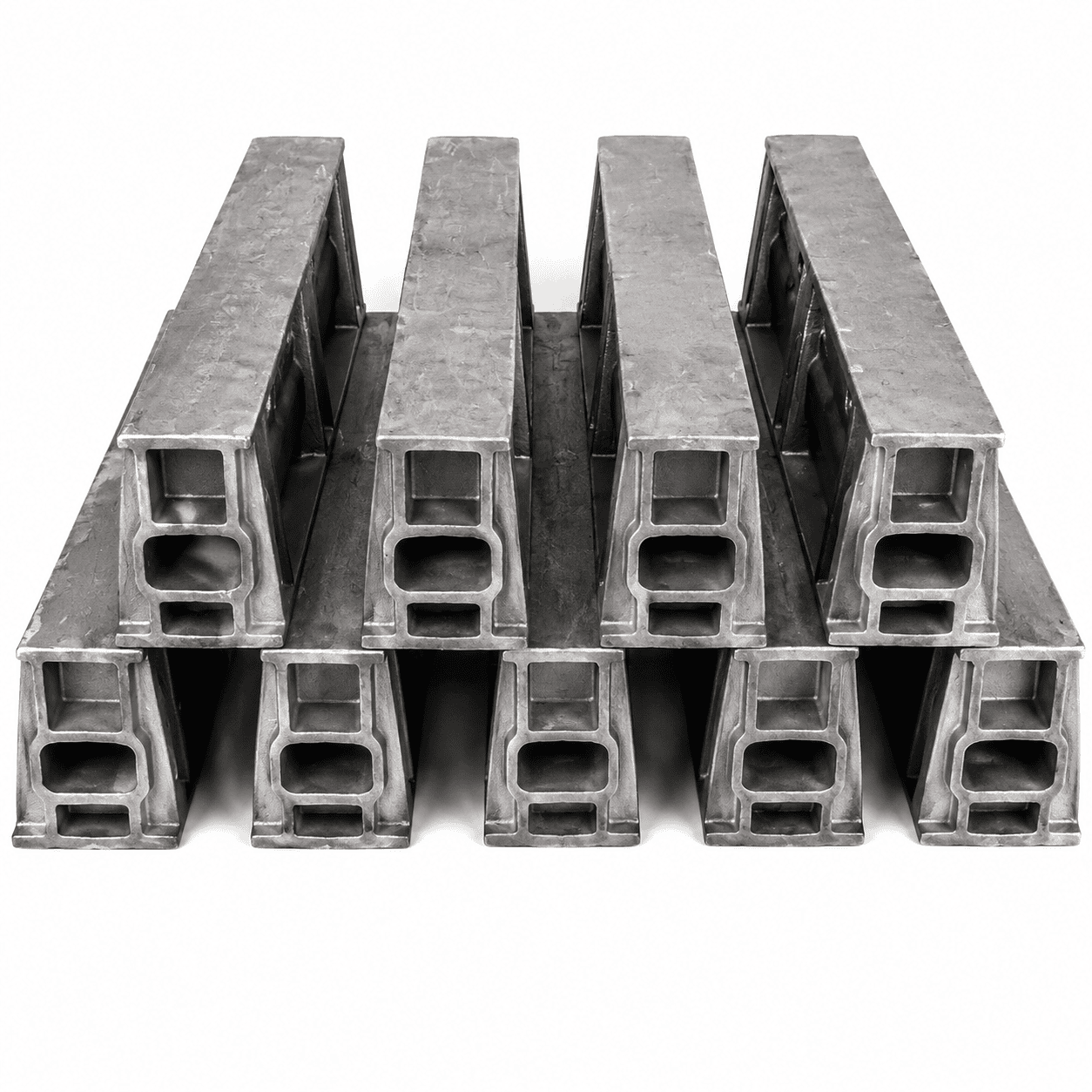
Author: TOM Zhang, Chief Technology Officer
Technical review: ECOOSUN Engineering Department
Buying custom heat resistant alloy parts is an engineering project, not just a request for a metal shape. The part must match the furnace geometry, load, atmosphere, thermal cycling and replacement schedule. A strong supplier converts a drawing or worn sample into controlled manufacturing steps and inspection records.
Step 1: define the operating problem
Start with the failed part and the process around it. Record the furnace type, atmosphere, temperature range, cycle frequency, load, contact condition and time in service. Ask what changed before failure: load, recipe, burner setting, cooling practice, support or cleaning method.
Step 2: review the drawing or sample
A drawing provides nominal geometry, but a worn sample shows real contact and damage. Measure datums, wall sections, holes, mounting points, wear zones and distortion. Photographs should include a scale and show both the failed area and the complete component.
Step 3: select the alloy and process route
A heat resistant alloy casting manufacturer should connect alloy selection to the actual failure mode. Oxidation, carburization, creep, thermal fatigue and mechanical wear impose different priorities. The casting route, mould design, feeding, shell or coating practice and heat treatment must be compatible with the selected alloy and section geometry.
Step 4: control casting quality
Quality control should include dimensional checks, visual inspection and the agreed non-destructive or material verification steps. For critical sections, identify where shrinkage, gas, inclusions or hot tearing could occur and how the process will detect or prevent them. The inspection plan should be agreed before production, not added after a problem appears.
Step 5: validate the first article
Compare the first article with the drawing and the installation interface. Confirm fit, clearances, contact points and any required machining allowance. If the component returns to service, record the installation date and operating conditions so the next batch can be evaluated against evidence.
What an alloy steel castings supplier should request
- Drawing, 3D model or accurately measured worn sample.
- Furnace type, atmosphere and temperature profile.
- Load, speed, contact or support condition.
- Failure photos and previous service time.
- Required inspection documents and batch quantity.
ECOOSUN provides custom heat-resistant alloy parts and related heat-resistant alloy castings for furnace applications. The quotation should be based on verified drawings, process information and agreed inspection requirements.
Reference basis: high-temperature alloy, heat-resistant steel, investment-casting, casting-defect and quality-control references in the ECOOSUN technical library. Exact composition and service limits must be approved for the customer’s application.
The qualification packet for repeat orders
For a first article, keep the drawing revision, alloy approval, process route, inspection results, dimensional report and installation feedback together. When a repeat batch is ordered, compare the new drawing and material records with the approved baseline. This reduces the risk of an unnoticed change in section, alloy or machining allowance.
Questions for an alloy steel castings supplier
- Which dimensions are controlled before and after machining?
- Which defects are checked visually, dimensionally or by agreed testing?
- How are drawing revisions and material substitutions controlled?
- What information is required if the next batch uses a worn sample?
A supplier who can answer these questions clearly is easier to audit and easier to work with when the part is critical to furnace uptime. ECOOSUN can review the drawing, worn sample and operating history before recommending the production route.
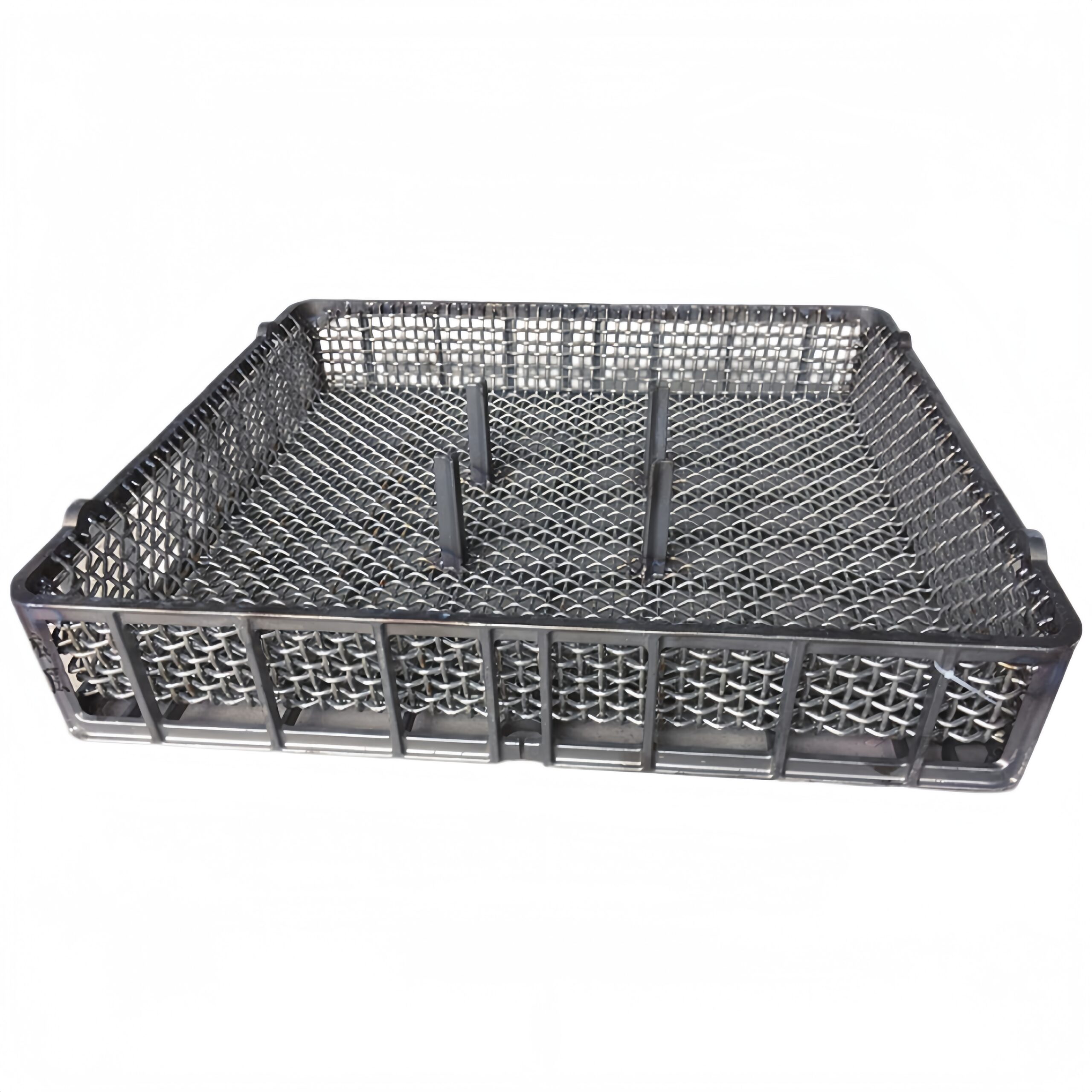
Production context: The component reference should be read together with the manufacturing and inspection context behind the furnace application.

Request a project review: Send the drawing, used sample, key dimensions, furnace information and failure record through the ECOOSUN contact page.
FAQ
What should a buyer confirm for a heat-resistant alloy part requirement?
Confirm the drawing or used sample, key dimensions and interfaces, furnace type and clearance, load, operating cycle, failure evidence and inspection requirements. Final acceptance criteria should be agreed for the specific project.
Can ECOOSUN review a custom heat-resistant alloy part requirement?
Yes. ECOOSUN can review a customer drawing or used sample and discuss casting, laboratory and inspection requirements for a custom furnace-component project. Suitability and final scope are confirmed from the supplied information.


 +44 7419 144346