
Send Your Inquiry Today
Quick Quote
English
Heat treatment baskets for industrial furnace loading

Wire Cloth Baskets

Choose wire cloth baskets by the finished openings, edge capture and supporting frame. Send ECOOSUN the fabric specification and smallest part so we can review retention after forming.

Specify the Cloth and the Finished Basket

For wire cloth baskets, I ask for the fabric specification alongside the part drawing. A photo may show a familiar weave, but it rarely tells purchasing the wire dimensions, openings or finished edge condition to repeat. Record those details before comparing suppliers, especially when a small component can reach a formed corner during unloading.

Separate the retaining fabric from the structure in your wire cloth baskets specification. State whether the cloth only keeps parts inside or also carries their weight, and show the supports and attachments. We review those roles together; accepting the incoming cloth does not establish that the completed carrier has the required retention or working fit.

Send the fabric specification, basket sections and smallest part for a wire cloth baskets review. Mark seams, removable edges and any place where the part can turn end-first, so the proposal addresses the openings that matter in use.

To compare complete wire cloth baskets, ask us to identify the frame, prepared cloth, edge fittings and replacement scope in the offer. Keep the ECOOSUN company profile and catalog PDF with your supplier file, and agree order-specific evidence separately.

Download ECOOSUN’s Detailed Company Profile and Product Overview (PDF)

OUR PRODUCT

Custom Heat Treatment Baskets

Explore our range of custom heat treatment baskets, furnace baskets and carburizing baskets manufactured from heat-resistant alloy steel. Each basket can be produced according to customer drawings, furnace dimensions, loading requirements, operating temperature and furnace atmosphere. OEM/ODM manufacturing, material selection and structural optimization are available for demanding industrial heat treatment applications.

ECOOSUN manufactures custom heat treatment baskets, heat treatment trays, heat treatment fixtures, radiant tubes, and furnace rolls. We tailor materials and designs to your drawings and operating conditions, with support from technical review to casting and inspection.

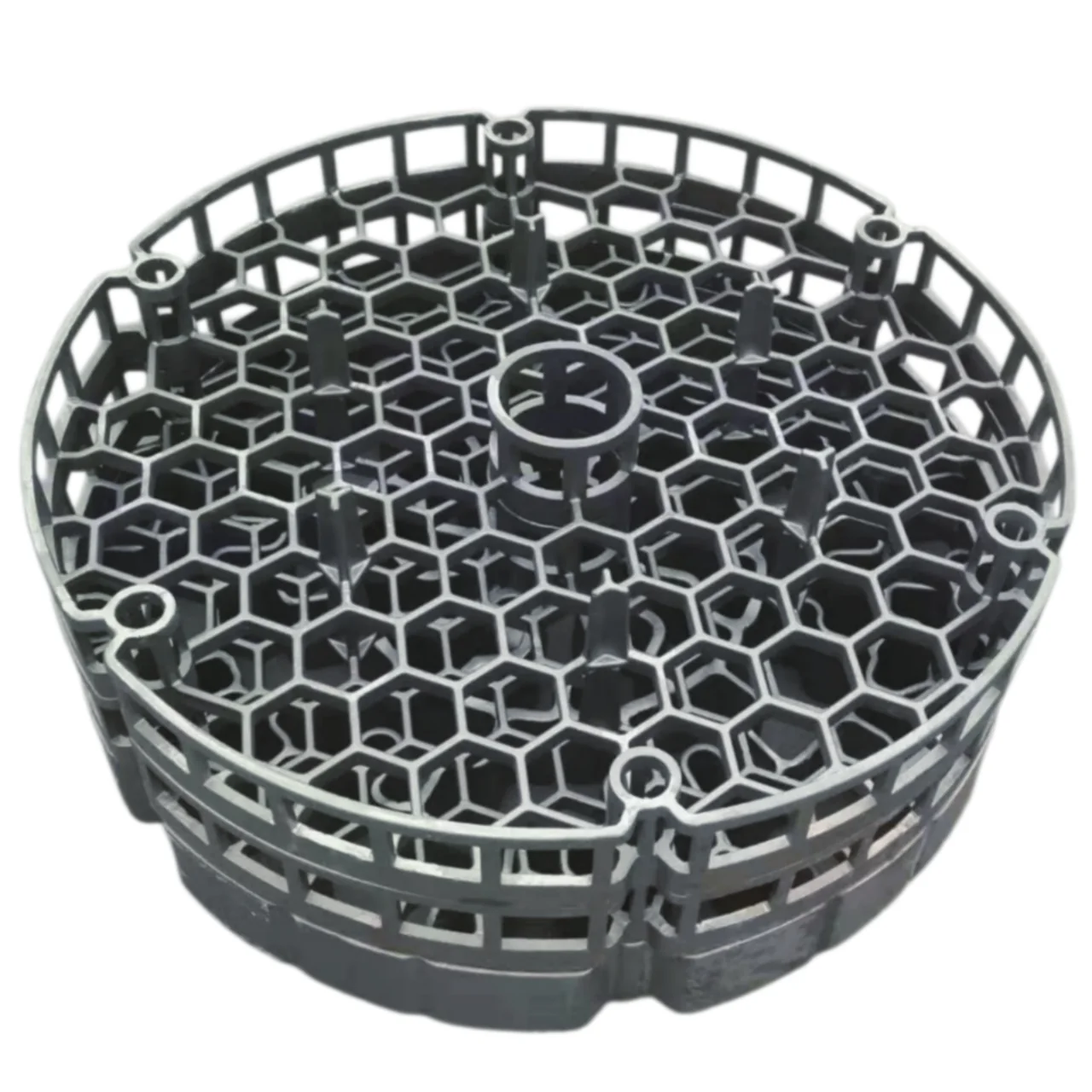
Round heat treatment basket with a honeycomb base and raised sidewall
Round Honeycomb Heat Treatment Basket

Brand: ECOOSUN
Quality Documents: See certificate details
Material: Grade and product form to be confirmed
Size: Customized According to Drawings
Casting Process: Silica Sol Investment Casting
Maximum Operating Temperature: To be confirmed for the duty
MOQ: 4 Pieces

Round heat treatment basket with a honeycomb-pattern base, open sidewalls and raised posts around the rim.

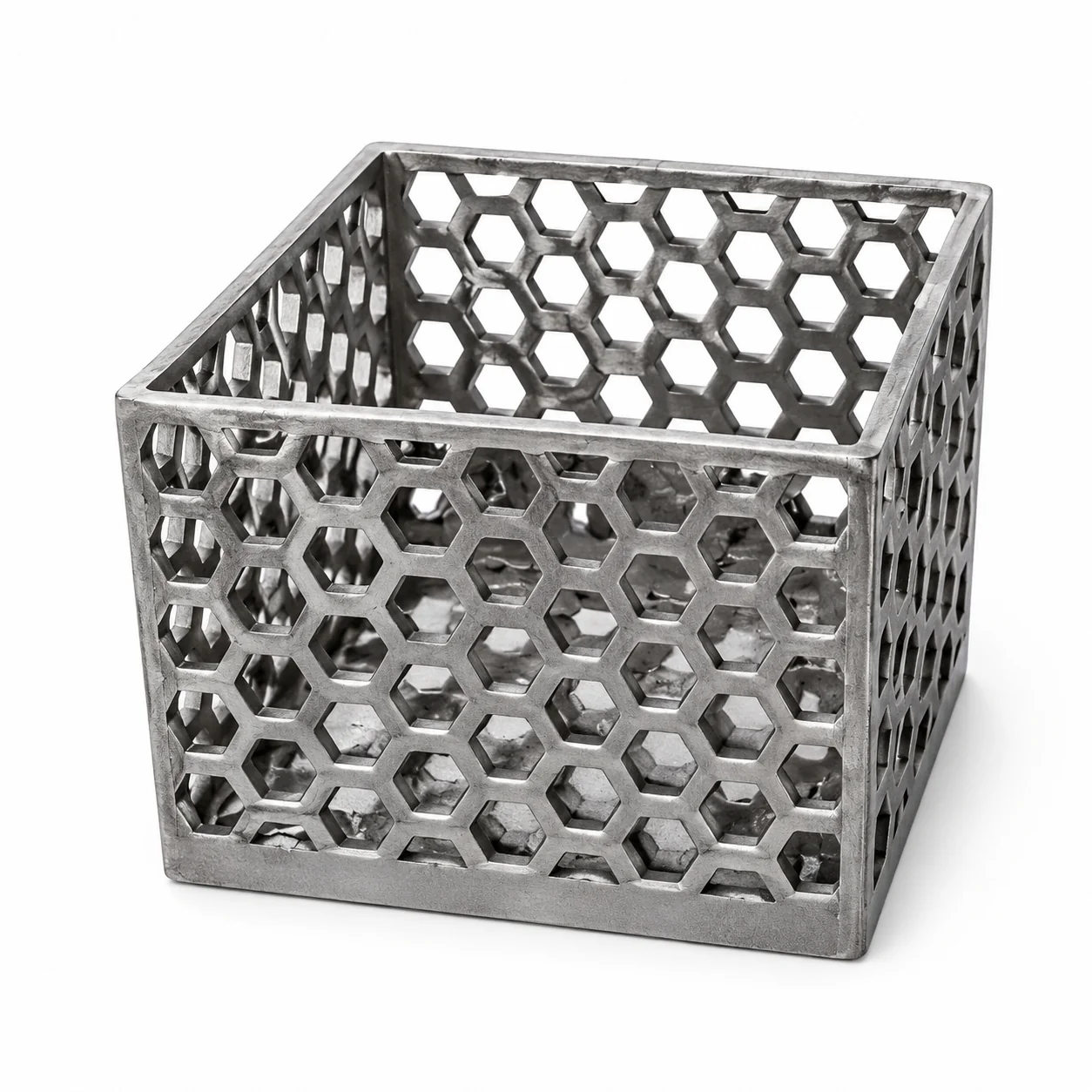
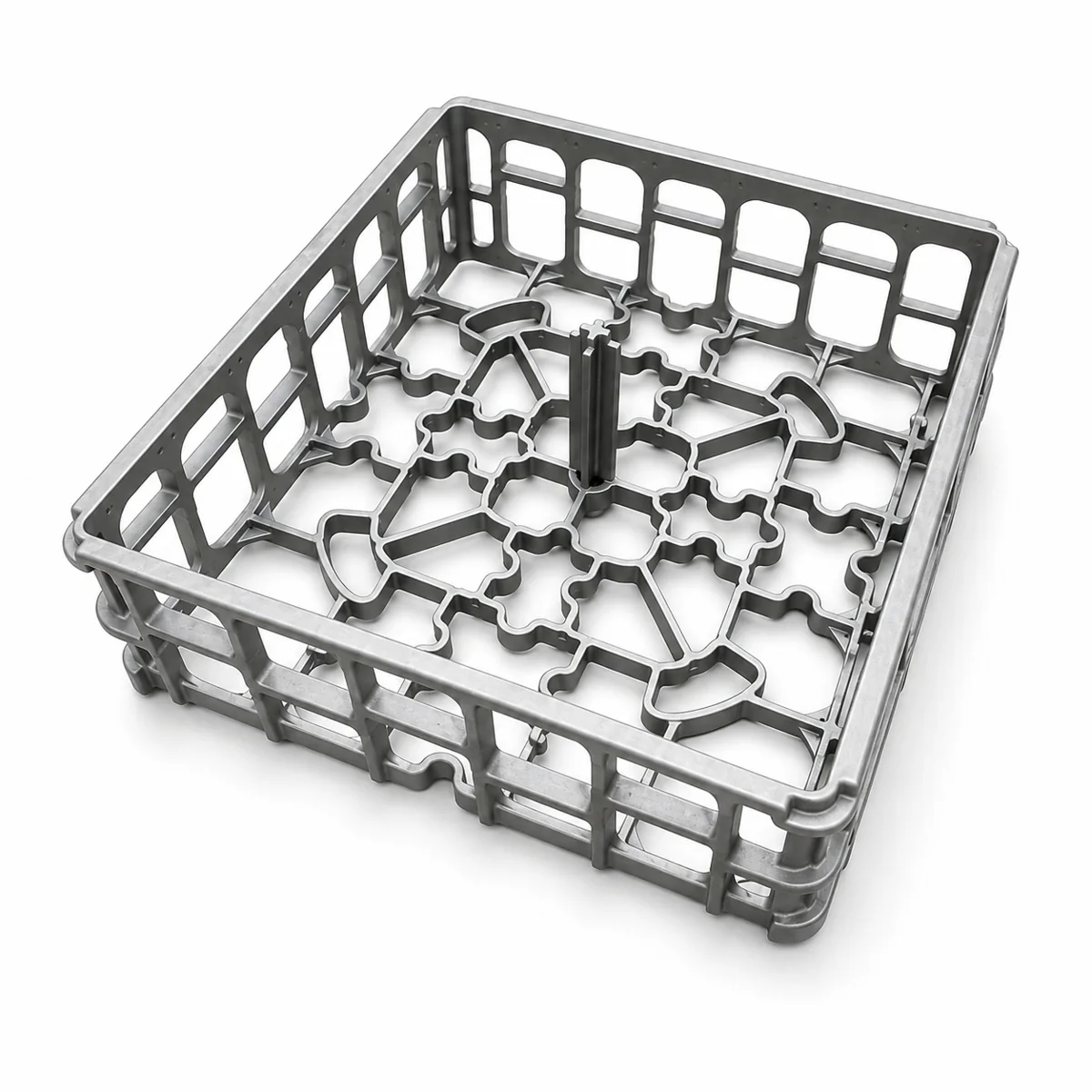
Rectangular heat-resistant furnace basket with open honeycomb sidewalls
Rectangular Honeycomb Furnace Basket

Brand: ECOOSUN
Quality Documents: See certificate details
Material: Grade and product form to be confirmed
Size: Customized According to Drawings
Casting Process: Lost Foam Casting
Maximum Operating Temperature: To be confirmed for the duty
MOQ: 1 Piece

Deep rectangular furnace basket with honeycomb openings in the base and sidewalls. The open top and four raised sides distinguish it from the shallow basket designs.

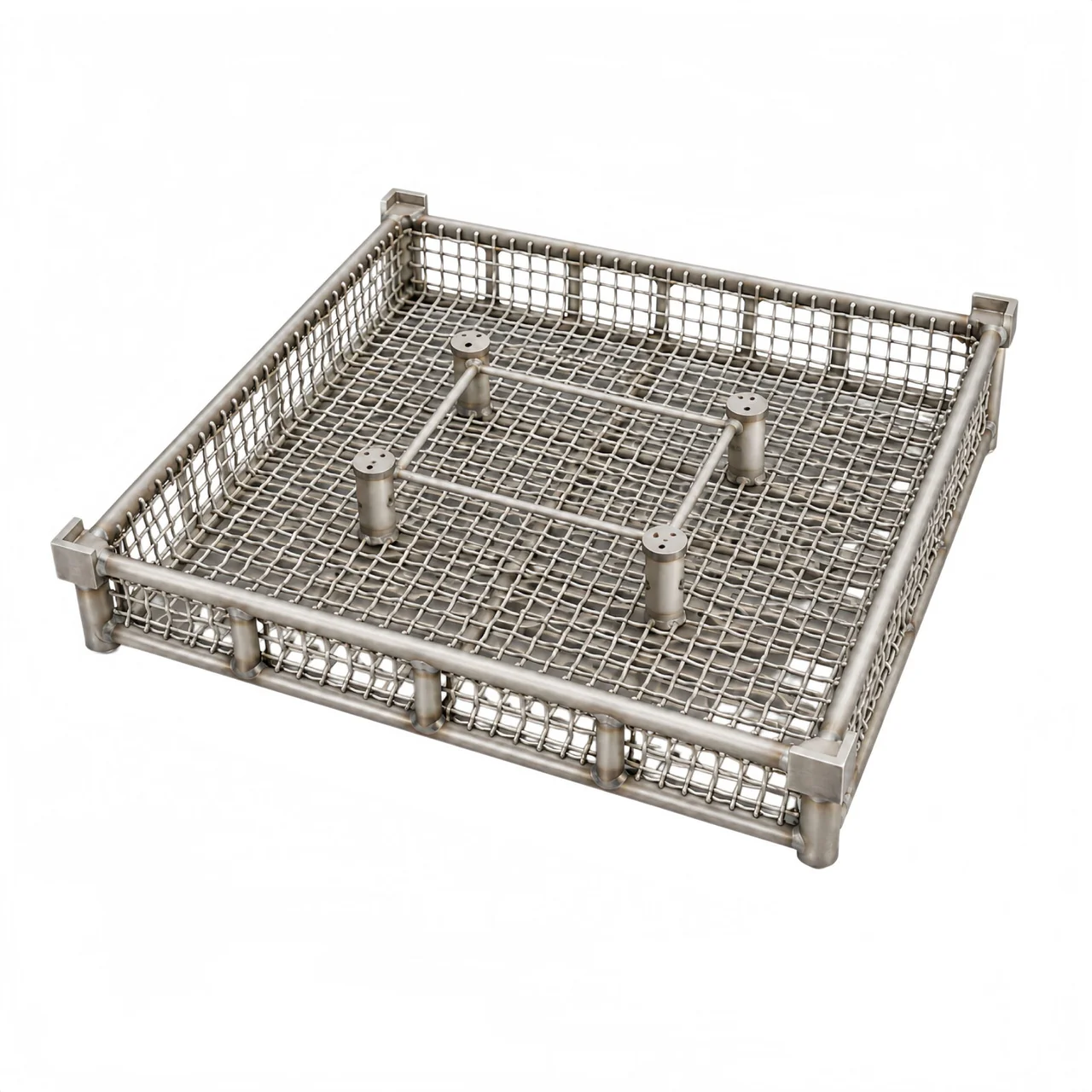
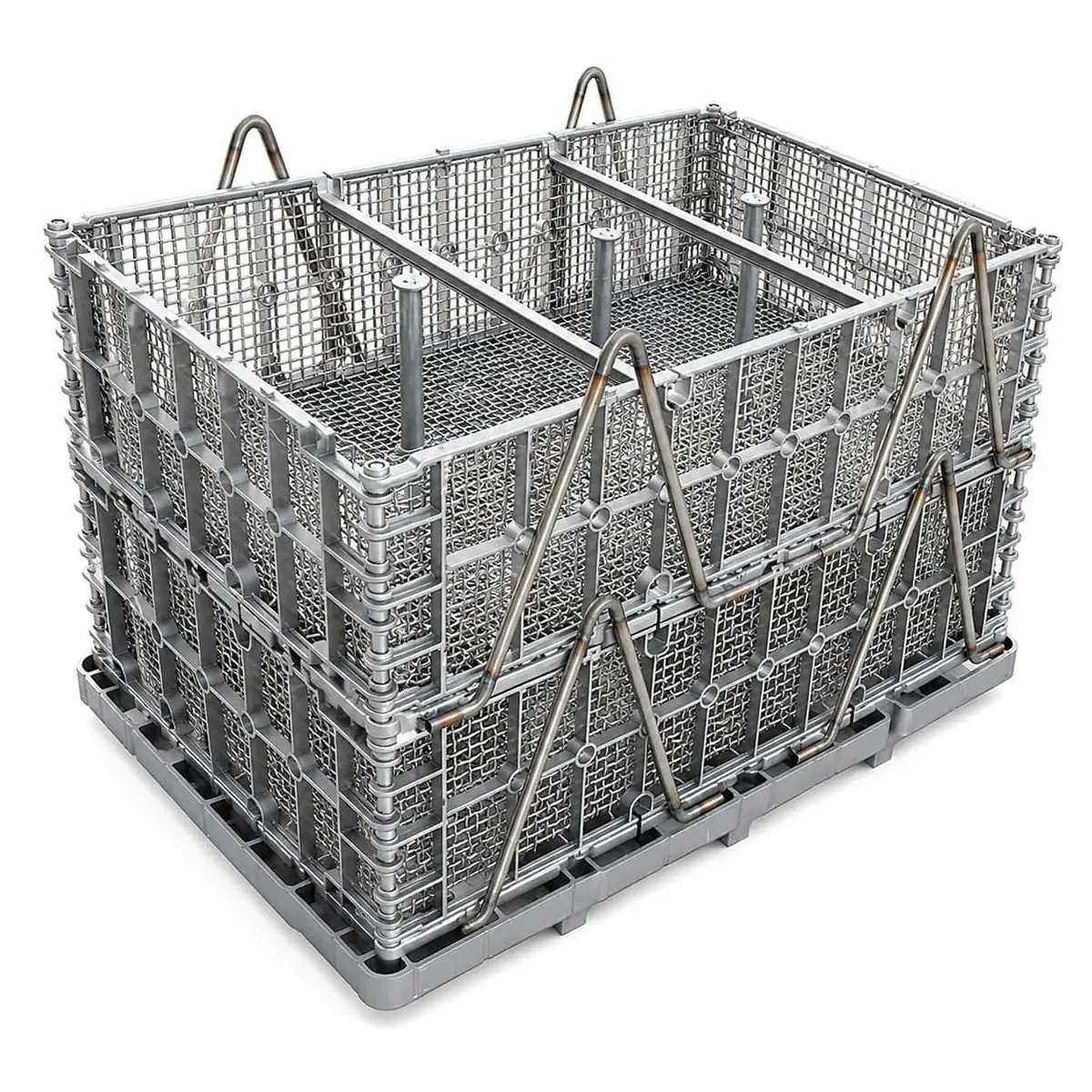
Square mesh heat treatment basket with raised corners and a centre divider
Square Fine-Mesh Heat Treatment Basket

Brand: ECOOSUN
Quality Documents: See certificate details
Material: Grade and product form to be confirmed
Size: Customized According to Drawings
Frame Casting Process: Silica Sol Investment Casting
Maximum Operating Temperature: To be confirmed for the duty
MOQ: 2 Pieces

Square heat treatment basket with a cast frame, welded fine-mesh panels, raised corner posts and a central divider. Confirm mesh specification, attachment and liner or complete-basket supply; casting details apply to the frame.

Rectangular heat treatment basket with a ribbed open-grid base
Open-Grid Furnace Basket

Brand: ECOOSUN
Quality Documents: See certificate details
Material: Grade and product form to be confirmed
Size: 1000 × 1000 × 300 mm
Casting Process: Silica Sol Investment Casting
Maximum Operating Temperature: To be confirmed for the duty
MOQ: 4 Pieces

Open-grid furnace basket with raised sidewalls, a ribbed base and a central vertical locating post.

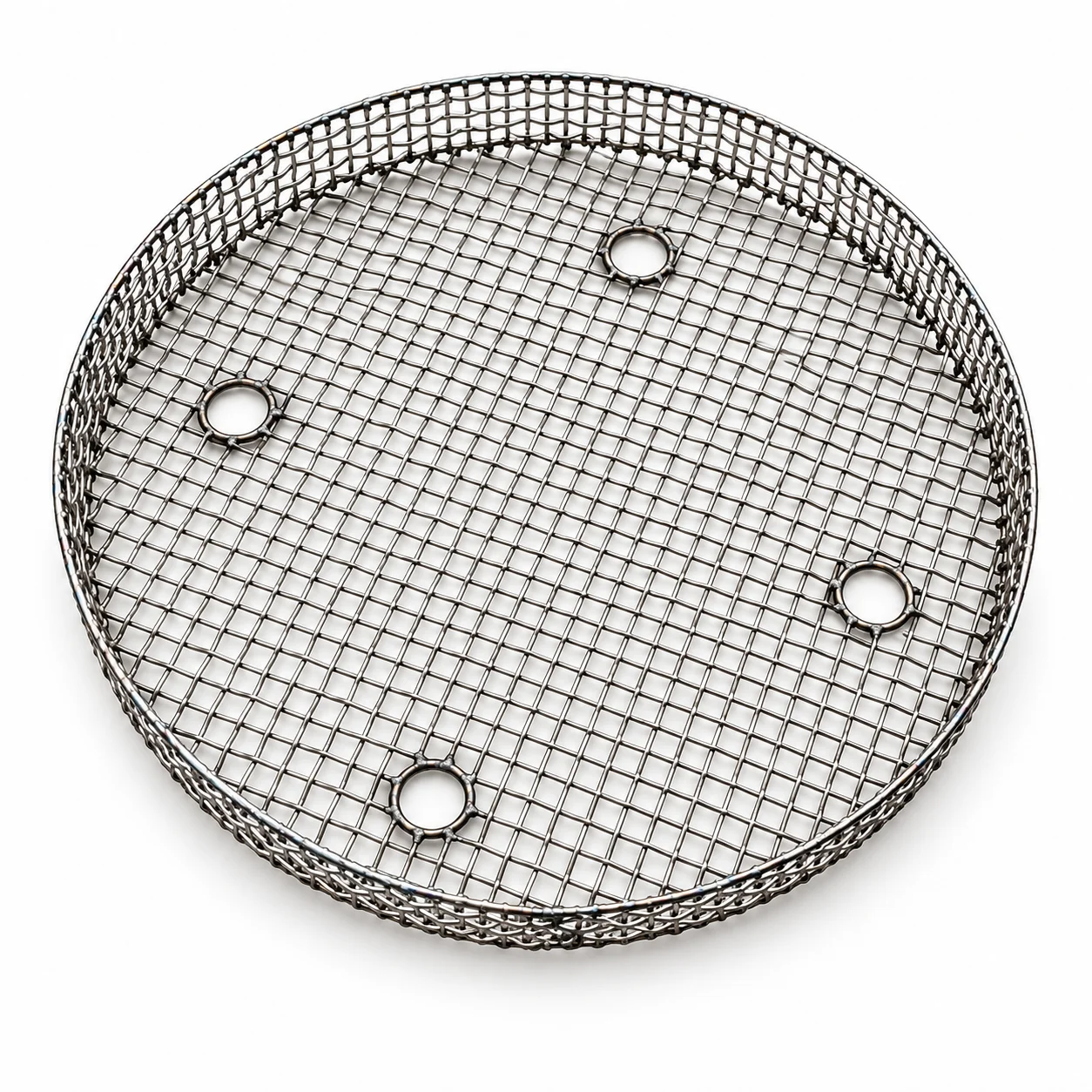
Round wire-mesh furnace charging basket with four circular openings
Round Wire-Mesh Charging Basket

Brand: ECOOSUN
Quality Documents: See certificate details
Material: Grade and product form to be confirmed
Size: Ø800 × 15 mm
Manufacturing Process: Welding
Maximum Operating Temperature: To be confirmed for the duty
MOQ: 4 Pieces

Shallow round charging basket made from welded wire mesh, with a raised rim and four circular openings in the base.

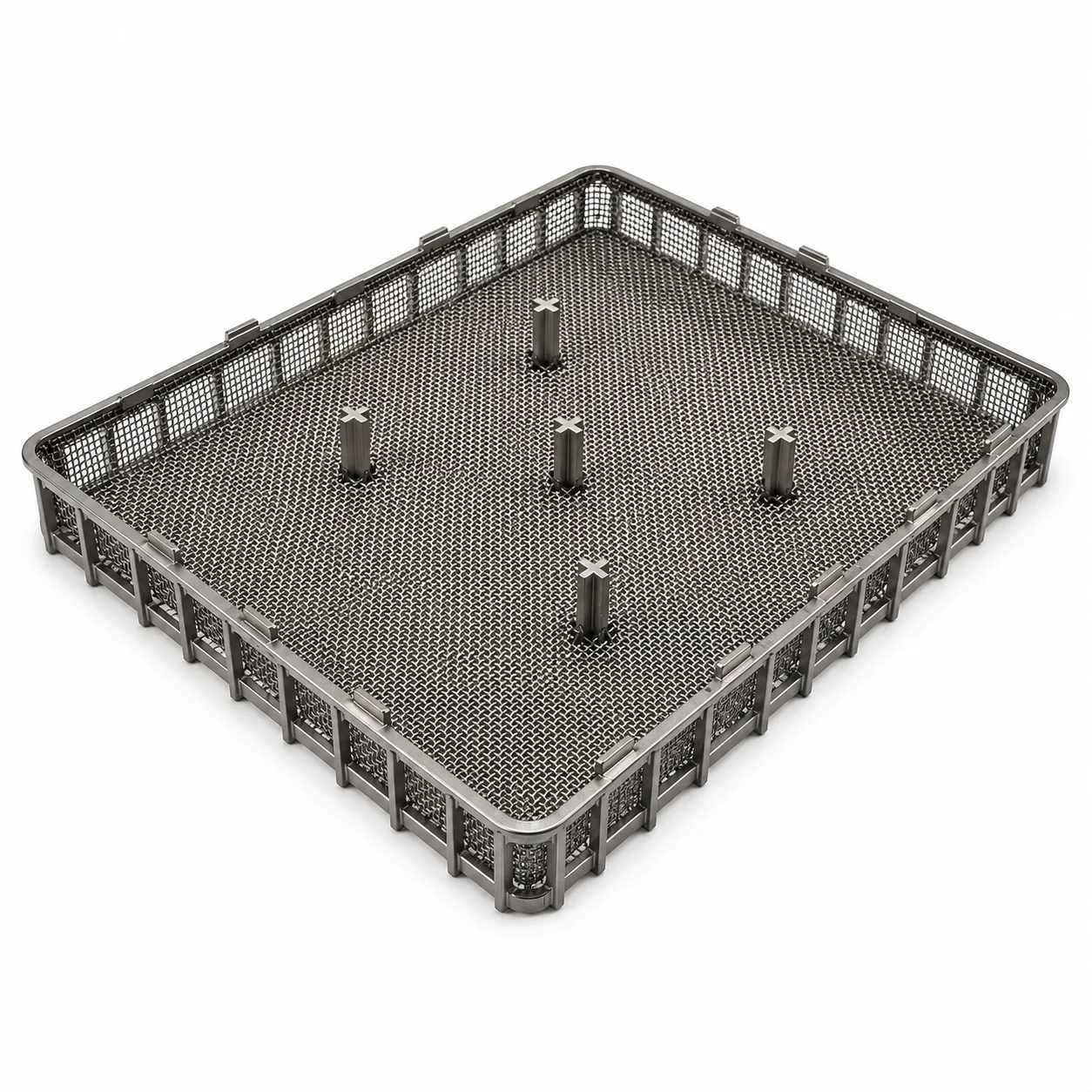
Rectangular mesh heat treatment basket with vertical locating posts
Rectangular Mesh Basket with Locating Posts

Brand: ECOOSUN
Quality Documents: See certificate details
Material: Grade and product form to be confirmed
Size: 760 × 610 × 50 mm
Casting Process: Silica Sol Investment Casting
Maximum Operating Temperature: To be confirmed for the duty
MOQ: 6 Pieces

Rectangular fine-mesh basket with low sidewalls, a perimeter frame and several vertical locating posts across the base.

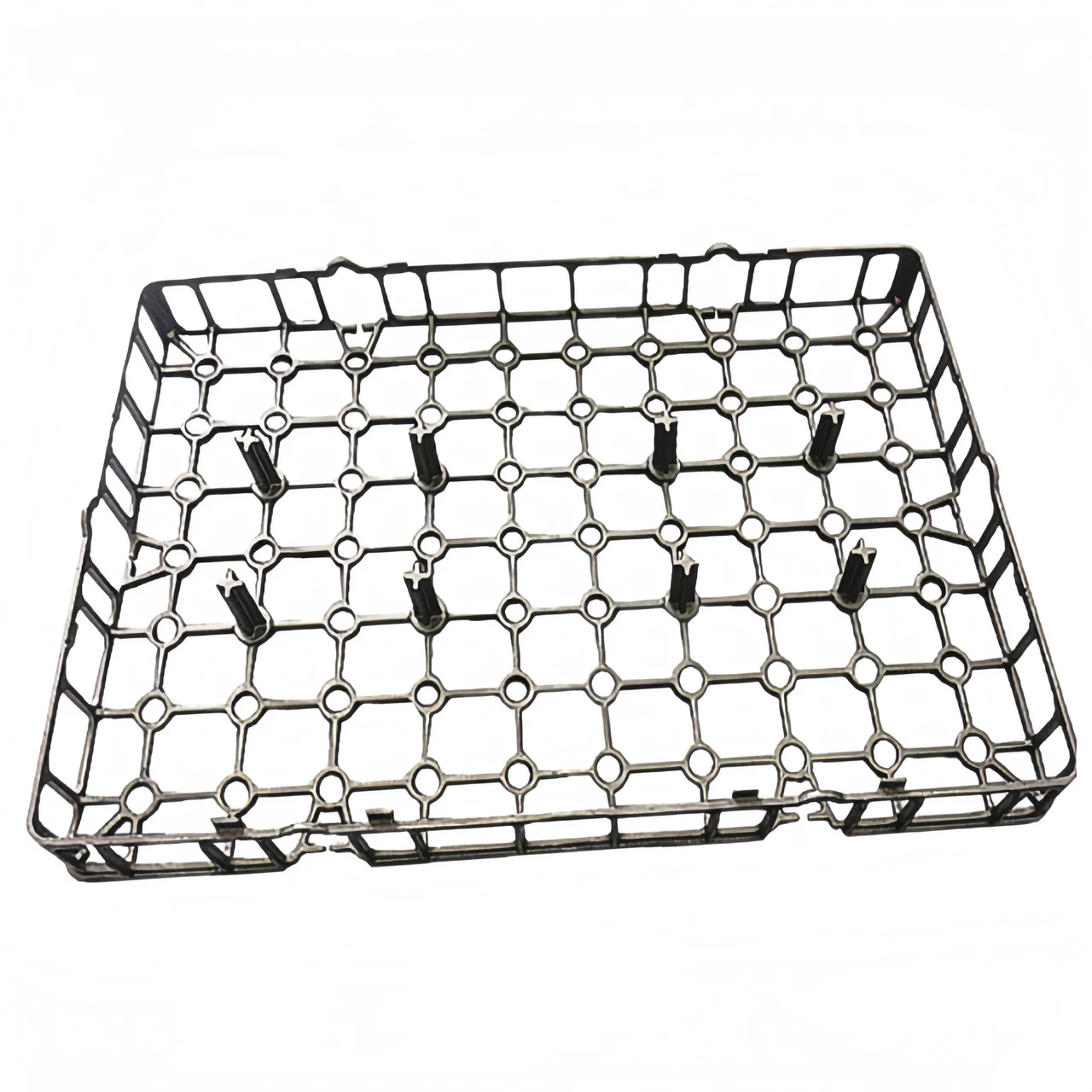
Shallow rectangular heat treatment basket with an open grid and locating posts
Shallow Open-Grid Heat Treatment Basket

Brand: ECOOSUN
Quality Documents: See certificate details
Material: Grade and product form to be confirmed
Size: 760 × 1200 × 30 mm
Casting Process: Silica Sol Investment Casting
Maximum Operating Temperature: To be confirmed for the duty
MOQ: 4 Pieces

Shallow rectangular heat treatment basket with an open-grid base, a low perimeter frame and short projecting locating posts.

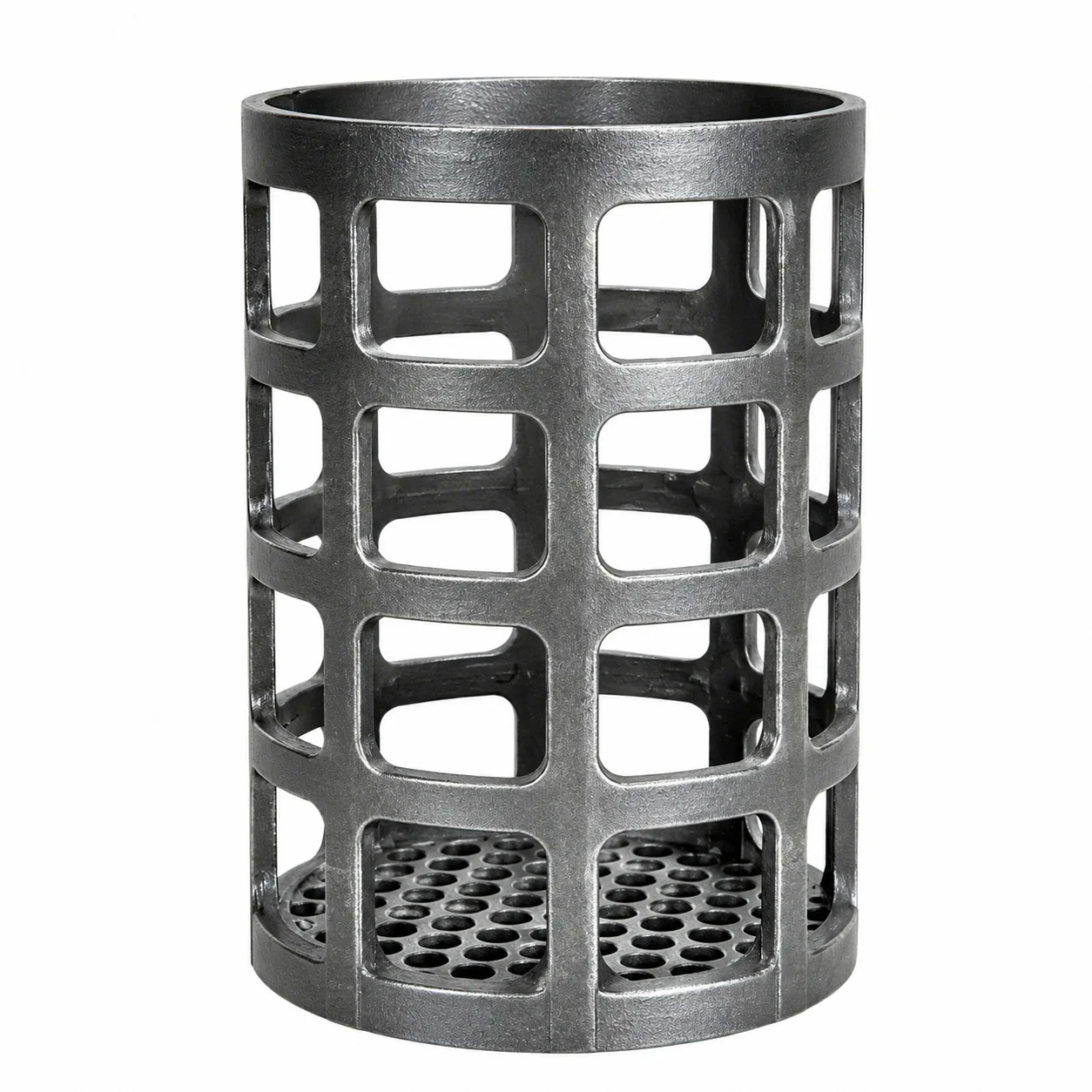
Tall cylindrical heat treatment basket with rectangular side openings
Cylindrical Heat Treatment Basket

Brand: ECOOSUN
Quality Documents: See certificate details
Material: Grade and product form to be confirmed
Size: Customized According to Drawings
Casting Process: Lost Foam Casting
Maximum Operating Temperature: To be confirmed for the duty
MOQ: 1 Piece

Tall cylindrical heat treatment basket with an open top, rectangular sidewall openings and a perforated base.

Identify the Weave, Wires and Openings

Describe the fabric in wire cloth baskets with its weave, openings or mesh counts, wire dimensions and material. If the two directions differ, specify both and mark their orientation on the drawing. Locker’s woven-wire specification sheet helps distinguish aperture, mesh count and wire diameter; use the same terms in the inquiry, offer and inspection record so apparently similar fabrics can be compared.

For regular square woven geometry, a 10-per-inch center count gives a nominal pitch of 2.54 mm; subtracting 0.70 mm wire gives a nominal clear opening of 1.84 mm. Use that example to check the arithmetic in wire cloth baskets proposals, then confirm the actual construction. The relationship does not describe every weave, and a count without wire size cannot settle the opening you are buying.

Shallow rectangular heat treatment basket with an open grid and locating posts
Tall cylindrical heat treatment basket with rectangular side openings

Inspect Fabric and Assembly Separately

Give wire cloth baskets separate checks for fabric identity and assembled fit. The fabric check should cover the specified wire and opening dimensions; the assembly check should cover finished gaps, supports, edges and equipment interfaces. A correct overall length and width can coexist with the wrong cloth, while correct loose cloth can still leave an unacceptable opening beside its frame.

Agree the measurement condition for wire cloth baskets before sample approval. Show how the panel is held or supported, where readings are taken and which areas are critical to part retention. If a loose blank and a fitted panel produce different local geometry, use the agreed installed condition for the relevant acceptance check. This prevents an inspection dispute over measurements taken in different states.

Test the Part’s Passing Profile

For wire cloth baskets, I need the complete passing profile of the smallest workpiece, including the orientations it can reach during loading, tipping and discharge. I need more than its maximum dimensions: a long thin feature may approach an opening end-first. Check the regular panel, seams, corners, insert perimeter and lid interface against that profile before selecting a finer cloth.

For wire cloth baskets used to retain mechanical parts, write a part-retention requirement and verify it with representative components. A filtration designation or nominal particle size does not describe how an irregular metal part passes a gap. If your operation also requires filtration or separation, give that function its own specification and trial conditions; approval of the carrier should identify exactly which requirement was demonstrated.

Heat treatment basket with an open frame and mesh panels
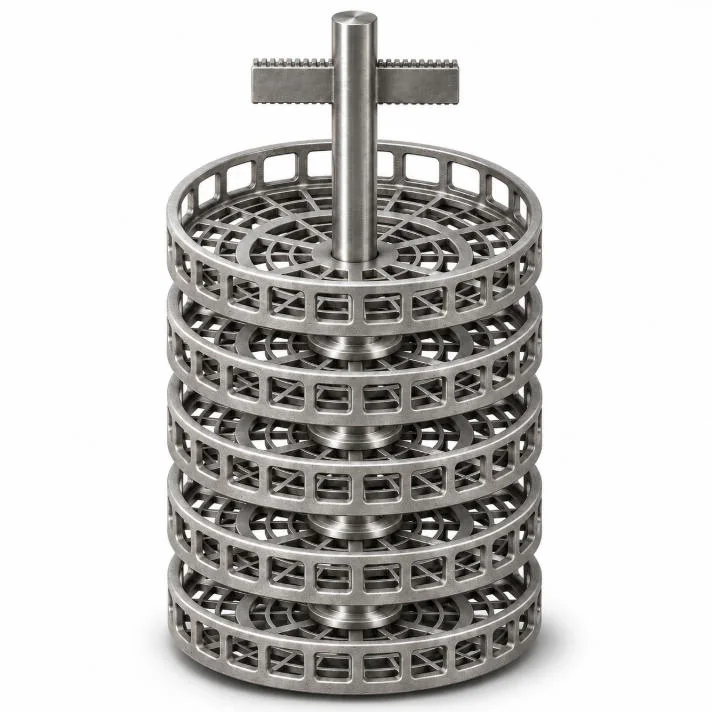
Multi-level round furnace charging assembly with a central shaft

Measure the Formed Corners

Inspect wire cloth baskets after forming wherever the smallest part can reach a bend, fold or transition. In one formed woven-wire bend we reviewed, the local opening went from 1.2 mm to 2.4 mm. That observation identifies a reason to inspect the finished shape; it does not establish a stretch factor for other cloths or a general rule for every bend.

Mark the critical regions on the wire cloth baskets drawing and agree how their openings will be accepted. Include pleated areas, cloth wrapped around a frame and the transitions into captured edges. A flat-fabric certificate remains useful for its stated scope, but it cannot verify these formed locations. Select the sample inspection points before manufacture so the trial covers the potential escape route as well as the undisturbed center.

Capture Edges Without Snags or Gaps

Choose the edge detail for wire cloth baskets from a section drawing, not a finishing label. Show how a hem, channel or clamp captures the cut wires, what remains exposed and how the panel stays in position when the basket tips. For a removable insert, include its working seat and restraint so the quotation covers the hardware needed to keep the edge secure.

Check both snagging and escape beside the edge of wire cloth baskets. Finer cloth will not close a larger assembly gap, and a captured wire end can still contact a finished face during unloading. Identify restricted workpiece contacts and the removal path. If a component needs a controlled locating contact, compare purpose-built workpiece fixtures before asking an unsupported cloth edge to hold its position.

Square mesh heat treatment basket with raised corners and a centre divider
Rectangular mesh heat treatment basket with vertical locating posts

Give the Cloth a Defined Load Role

For wire cloth baskets, state whether the cloth retains the batch, supports its mass or performs both roles in the reviewed assembly. Show the spans, frame stiffness, attachment points and any concentrated part contacts. A small outside frame does not ensure short unsupported spans everywhere, and a quoted batch mass alone does not explain how the load reaches the supporting structure.

Use complete assembly mass when reviewing handling of wire cloth baskets. For example, 200 pieces at 40 g each weigh 8 kg; adding a 3 kg frame and a 0.4 kg insert gives 11.4 kg handled mass. Those illustrative totals are not a panel rating. If the insert is replaceable, keep its attachment and support geometry controlled so a maintenance change does not quietly alter the approved load path.

Specify What Must Pass Through

Choose the openings in wire cloth baskets with the process team: identify what must stay inside, what must pass through and which debris must not accumulate. For cleaning, give the contamination, medium, loading depth and draining orientation. Review the loaded arrangement rather than the empty panel alone, because a finer retaining surface changes access and the places where unwanted material can remain.

For thermal wire cloth baskets, supply temperature, time hot, atmosphere, supporting conditions and cooling using our material and furnace-duty guide. Specify cloth, frame and edge-fitting materials separately; thin wire and a heavier frame need their own review within the same duty. Agree assembly acceptance alongside the plant’s process trial, with the actual cleaning, separation or heat-treatment result assessed under the intended conditions.

Round wire-mesh furnace charging basket with four circular openings
Round heat treatment basket with a honeycomb base and raised sidewall

Order a Replaceable Insert, Not Just Cloth

Give replacement inserts for wire cloth baskets their own part number, fabric specification, finished edge detail and controlled dimensions. State whether the purchase is raw cloth, a prepared component or a ready-to-install insert. If it must fit existing frames, measure representative serviceable units and separate damaged interfaces using our worn-sample review guide; one distorted frame is a poor basis for fleet interchangeability.

Compare maintenance cost for wire cloth baskets at the point the carrier is ready to work again. Record whether the insert lifts out, needs tools or requires other parts to be removed, then include retention hardware and the installation work in the comparison. A lower price for cut cloth may leave more preparation to your maintenance team, so align the delivered stage before deciding which spare offer costs less.

Keep Fabric Direction Through Manufacture

Where orientation matters, mark the fabric directions on the wire cloth baskets component drawing and carry that identification through cutting and forming. Check prepared blanks against the marks before assembly. Receiving the correct roll is only the first step: a panel cut or installed in the wrong direction can miss the intended geometry even when its material record matches the order.

Include preassembly handling in the inspection plan for wire cloth baskets. Unsupported cut edges, snagged wires and local deformation can change the condition established at incoming inspection, so identify the features that need protection and a later check. For spare supply, specify loose fabric, prepared blank or fully formed insert explicitly, and make the receiving check match that delivery stage rather than expecting installation-ready condition from unfinished material.

Rectangular heat treatment basket with a ribbed open-grid base
Video evidence: captions and what is shown

On-screen labels: Jonny | www.ecoosun.com

Jonny is shown outside the factory entrance. This short location introduction is not an order reference or an inspection record.

Manufacturing and quality evidence · Discuss your drawing and furnace conditions

Meet Jonny and the factory team behind ECOOSUN’s custom heat-resistant castings. Use the company facts and product evidence for the manufacturing scope.

Video evidence: captions and what is shown

Selected on-screen subtitle excerpts: I’m Jonny from ecoosun | we are a casting factory from Jiangsu | heat treatment basket trays fixtures | please contact me

A recorded office introduction connects Jonny and ECOOSUN with casting and heat-treatment components. These are excerpts from the burned-in English subtitles, not a new translation or a complete transcript.

Manufacturing and quality evidence · Discuss your drawing and furnace conditions

Hi, I’m Jonny, and I lead ECOOSUN’s international sales team. I’m here to help you find the right heat-resistant casting solution for your application. Whether you have detailed drawings or an initial idea, we can discuss your requirements and offer free design support.
You’ll work directly with me and our factory team throughout the process. Share your dimensions, operating conditions, and project priorities so we can help you explore suitable options. From your first inquiry to production planning, we focus on clear communication and practical support to help you move your project forward.

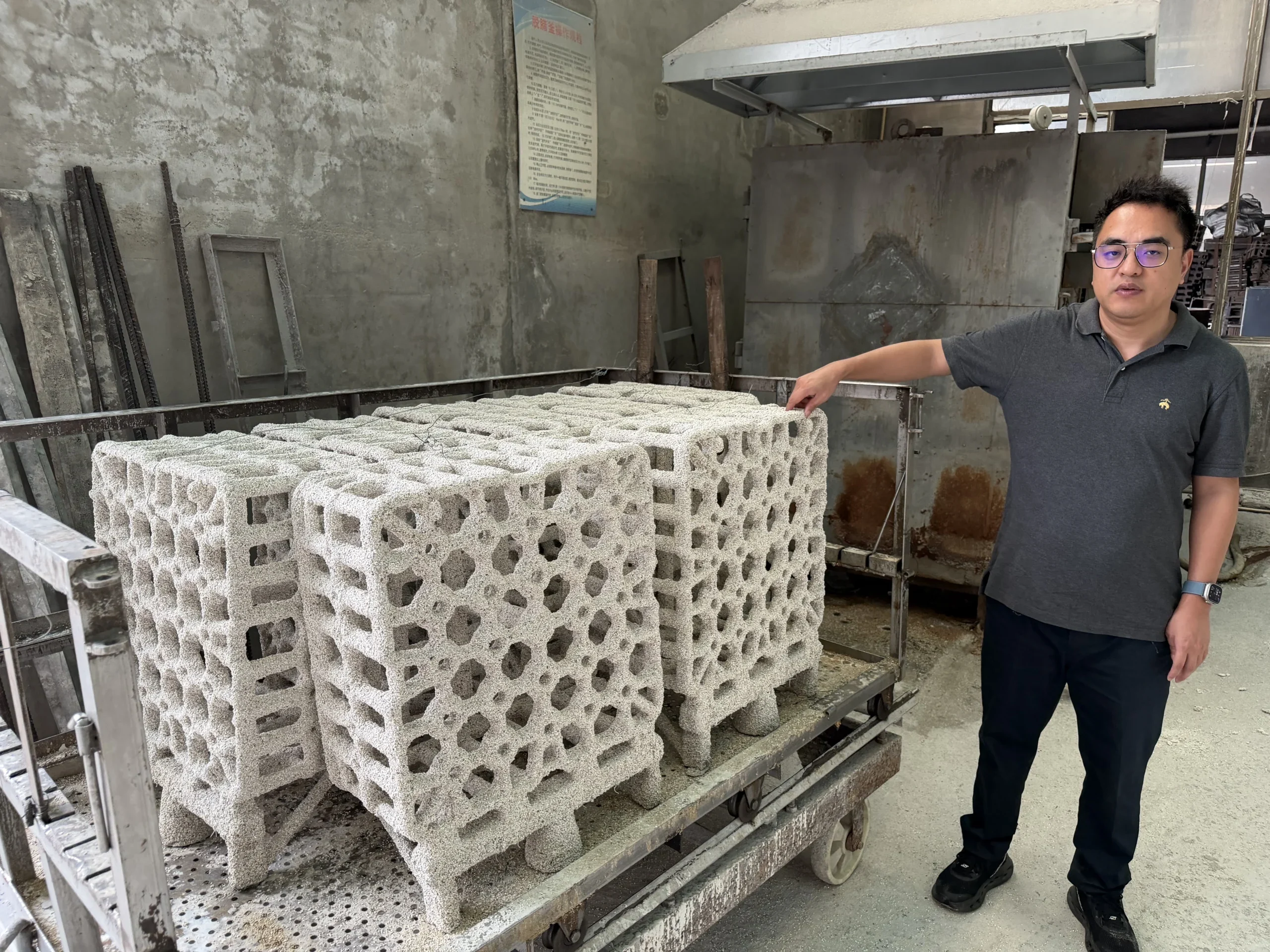
White honeycomb casting patterns on a cart beside a worker in the workshop

Unexpected equipment failures can interrupt production and increase operating costs. We support customers with fast manufacturing of replacement heat treatment furnace parts, helping reduce downtime and restore furnace operation as quickly as possible.

Whether your project involves emergency heat treat furnace repair, scheduled heat treat furnace service, or replacement vacuum furnace spare parts, our engineering and production teams respond quickly with accurate manufacturing, stable quality and reliable global delivery. Our goal is to keep your industrial furnace operating efficiently with minimal disruption.

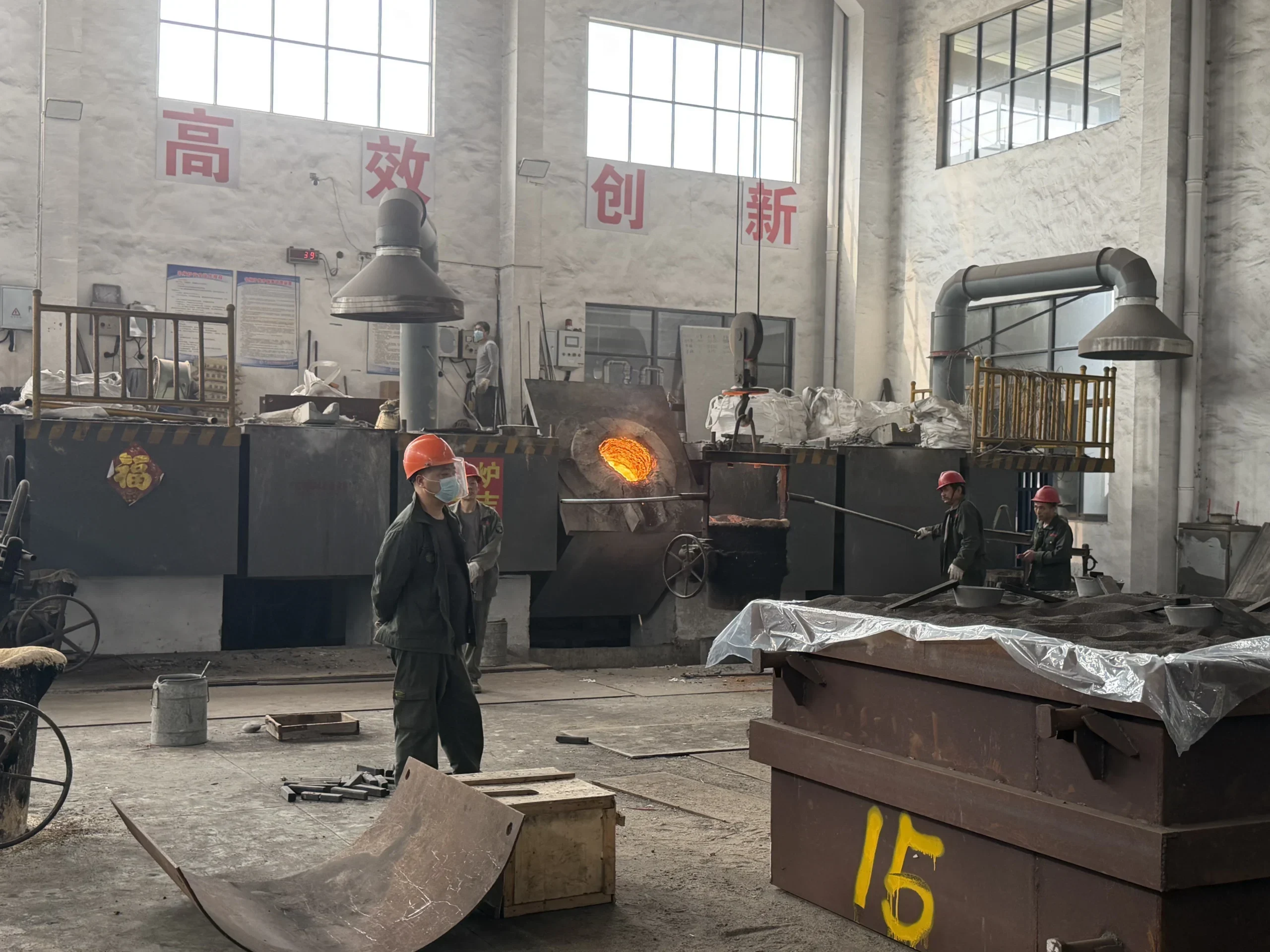
Worker near an operating furnace and mould boxes in the foundry workshop

At ECOOSUN, we do more than manufacture heat treatment furnace parts. We work closely with heat treatment equipment manufacturers, commercial heat treaters, furnace maintenance companies and industrial users to solve real engineering challenges.

From material recommendations and casting process selection to structural optimization and failure analysis, our team provides practical support throughout the entire product lifecycle. Whether you need heat treatment baskets, heat treatment fixtures, heat resistant alloy components or custom industrial furnace parts, we are committed to delivering long-term value through engineering expertise, reliable manufacturing and responsive technical service.

Video evidence: captions and what is shown

On-screen process labels: ECOOSUN FACTORY | TRAY WAX PATTERNS | FRAME WAX PATTERNS | HAND FINISHING | COMPONENT WAX PATTERNS | BATCH PREPARATION

The footage shows tray and frame wax patterns, hand finishing and batch preparation. It documents visible workshop activity; material grade, finished dimensions and acceptance results require project records.

Manufacturing and quality evidence · Discuss your drawing and furnace conditions

Join Jonny in our workshop for a closer look at the wax patterns behind our castings. Discover how attention to shape and detail begins long before the finished heat-resistant component takes form.

Video evidence: captions and what is shown

On-screen website label: www.ecoosun.com

Jonny walks through stacks of semi-finished cast components and shows frames and grid structures. The footage is a manufacturing overview, not proof of a particular customer delivery or certified test result.

Manufacturing and quality evidence · Discuss your drawing and furnace conditions

Join Jonny in ECOOSUN’s workshop to explore a variety of semi-finished heat-resistant castings. From baskets and trays to other furnace components, see the different shapes and designs taking form before final finishing.

What does “wire cloth” specify?

For wire cloth baskets, confirm an interlaced woven fabric and name the weave in the order. Then specify the frame, seams and fittings separately. This lets purchasing compare the same retaining construction while keeping the surrounding assembly details visible instead of relying on a regional trade name.

Can we order by mesh count alone?

Order wire cloth baskets with wire dimensions, construction and relevant openings in both directions as well as any mesh count. A count becomes useful only with the geometry it describes. Ask each supplier to quote against the same complete fabric description so a different wire size does not pass as an equivalent offer.

When do warp and weft matter?

Identify both directions for wire cloth baskets when their counts, wire dimensions or installed orientation affect the requirement. Mark them on the component drawing and retain the identification through forming. Include that orientation in the finished check rather than assuming a correct incoming roll guarantees a correctly installed panel.

Can forming change a corner opening?

Inspect critical finished corners of wire cloth baskets because local openings can change during forming. Choose locations the smallest part can reach during the operating sequence, including discharge. A reading from the flat center cannot accept a bend; agree the corner measurement and retention check before approving the sample.

Does a filtration size prove part retention?

For wire cloth baskets carrying irregular workpieces, use the complete passing profile and reachable orientations to define retention. If filtration is also required, specify and trial it separately. This gives sample approval a clear purpose and prevents a nominal particle-size description being used as evidence for a mechanical part it never assessed.

How should cut ends be accepted?

Put the edge capture and allowed exposed condition on the wire cloth baskets drawing. Identify workpiece contacts, removal movements and inspection access, then agree the relevant acceptance locations. A request for “smooth edges” leaves too much interpretation when a particular wire end could snag a component during unloading.

Does fine cloth need a backing panel?

Choose support for wire cloth baskets after defining whether the cloth retains, carries or does both. Submit its spans, contacts and attachments for review before assuming a backing is required or an unsupported panel is sufficient. Compare proposed supports against the same loaded arrangement and process-access requirements.

Can we replace only the cloth?

Order a separate liner for wire cloth baskets when the assembly has a defined replacement interface. Specify the finished liner and retention hardware, the removal work and the serviceable frames it must fit. Agree those items together so the spare price represents a usable replacement rather than an unfinished piece requiring unplanned fitting.

Which process details guide material choice?

For wire cloth baskets, provide chemistry, temperature, exposure time and the full route; add atmosphere and cooling for thermal service. Assign materials separately to cloth, frame and edge fittings. This lets the review cover the thin woven wire as well as the heavier structure instead of extending a frame-grade assumption to every component.

What should a first-sample approval cover?

Approve wire cloth baskets through fabric identity and geometry checks, then finished openings, edges, fit and supports. Use representative work in the relevant operating trial and keep fabric, assembly and process results distinct. Retain those records with the accepted drawing so repeat supply follows the condition that was actually evaluated.

Compare the Complete Wire-Cloth Assembly

Compare wire cloth baskets as finished assemblies using the same fabric, forming, support and edge-retention requirements. Put loose cloth, prepared inserts and complete carriers on separate lines; their prices cover different work. Use the scope below to identify where a supplier’s alternative changes the delivered condition or leaves installation work with your team.

Specification layerDetails to establish
FabricWeave, openings, wire dimensions and material
Cut componentSize, direction and required edge preparation
Formed insertFinished corners, transitions and critical gaps
SupportFrame, spans and attachment interface
MaintenanceRemoval method and spare compatibility
AcceptanceFabric checks, assembled checks and operating trial

For repeat wire cloth baskets, connect the accepted assembly revision to the fabric checks, finished inspection and agreed operating trial. Review our manufacturing and inspection evidence when selecting the records for your order, then name those records in the quotation rather than relying on a worn sample as the purchasing reference.

Send the Fabric and the Working Detail

Send your wire-cloth specification for review with the smallest part, critical formed gaps and replacement requirements. We can review wire cloth baskets against that brief and identify the remaining decisions needed for a comparable offer.

Heat Treatment Fixtures & Furnace Components

Custom heat-resistant alloy baskets, trays, fixtures, radiant tubes, furnace rolls and replacement parts for furnace manufacturers and heat treaters.
Scroll to Top