
Direct answer: Heat-resistant alloy cast parts are selected from the component geometry, furnace conditions, load, operating cycle and failure evidence rather than from a material name alone. ECOOSUN can review a drawing or used sample and align casting and inspection requirements with the project.
Furnace components are asked to carry loads while cycling through heat, atmosphere changes and mechanical handling. For that reason, the quality of a heat resistant steel casting is determined by more than the alloy listed on a quotation. Geometry, feeding, core support, cleaning, machining and inspection all contribute to the result.
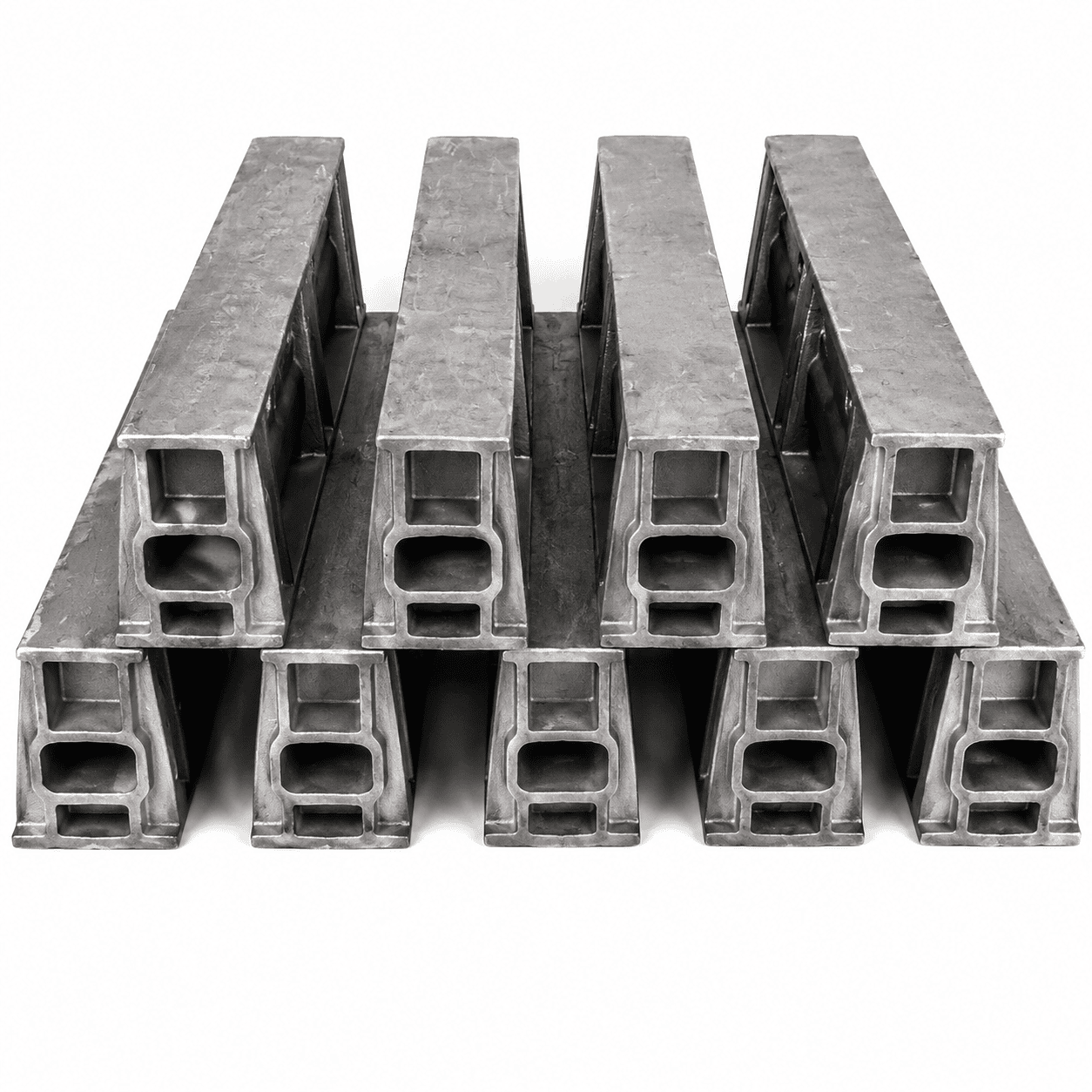
Design begins with the service condition
Before discussing a grade, describe what the part does. A basket may see lifting and repeated loading; a tray may see broad-area thermal distortion; a roll may combine bending, rotation and surface wear; a radiant tube may see a steep temperature gradient near a burner. The same material family can behave differently when the geometry and duty change.
Useful starting information includes temperature range, cycle pattern, atmosphere, load, support spacing, movement, cleaning method and the location of previous failures. These details help the foundry identify thick sections, restrained areas and transitions that deserve attention in the pattern and inspection plan.
Geometry controls casting risk
The casting references in your technical library emphasize familiar but important principles: avoid abrupt thickness changes, provide sensible radii, support cores securely and allow for finishing and machining. These principles matter especially in furnace parts because a local heavy section can cool differently from a thin wall, while a sharp transition can concentrate stress during service.
- Use gradual transitions instead of sudden steps where the design allows.
- Mark all machined faces and critical dimensions on the drawing.
- Identify lifting lugs, holes and bosses that must remain clear after cleaning.
- Keep the core and mould layout in mind when designing internal passages.
A short design review before pattern work can prevent a long discussion after the first casting is finished.
From mould to finished part
Pattern and core preparation
The pattern defines repeatability. Cores must be located so that walls, passages and connection features remain within the required envelope. For investment-cast furnace components, shell quality and controlled handling are equally important because a small surface defect can become a cleaning or inspection issue later.
Pouring and solidification
Feeding and solidification should be considered around bosses, junctions and other heavy sections. The right method is project-specific; the supplier should be able to explain how the proposed layout addresses shrinkage risk and access for inspection.
Cleaning and finishing
After shell removal, gates, risers and flash are removed and the part is cleaned. The buyer should define which surfaces may remain cast, which require machining, and which edges must be blended for safe handling and furnace clearance.
Inspection and documentation
Inspection should focus on the features that affect installation and service. Depending on the component, this may include dimensional inspection, visual examination, material identification and additional non-destructive testing agreed with the buyer. Ask for the inspection record format before production if your quality system requires a specific document.
What “heat resistant” should mean in an RFQ
The phrase should connect to a real operating condition, not act as a substitute for a specification. State the working temperature range, atmosphere, expected cycling, load and any known deposits or corrosion concerns. If the grade is fixed by an existing furnace design, provide the current material reference and the reason for keeping it. If it is open, ask the supplier to recommend a candidate and clearly mark what must be confirmed by testing or service experience.
Where ECOOSUN components fit
ECOOSUN manufactures custom furnace components such as heat-treatment baskets, trays, furnace rolls, radiant tubes and other heat-resistant alloy components. The correct route is drawing-led: the component, duty and inspection needs should be reviewed together.
For a new design or a replacement casting, send the drawing, operating data and required quantity. If a drawing is missing, include a measured sketch and photographs with a ruler for scale.
Quality is a chain, not a single test
A test report cannot compensate for unsuitable geometry or an uncontrolled interface. Strong furnace castings come from a chain of decisions: service condition, pattern and core design, casting practice, finishing, dimensional control and documented inspection. Buyers who review that chain early usually get a more predictable part and a clearer replacement path.
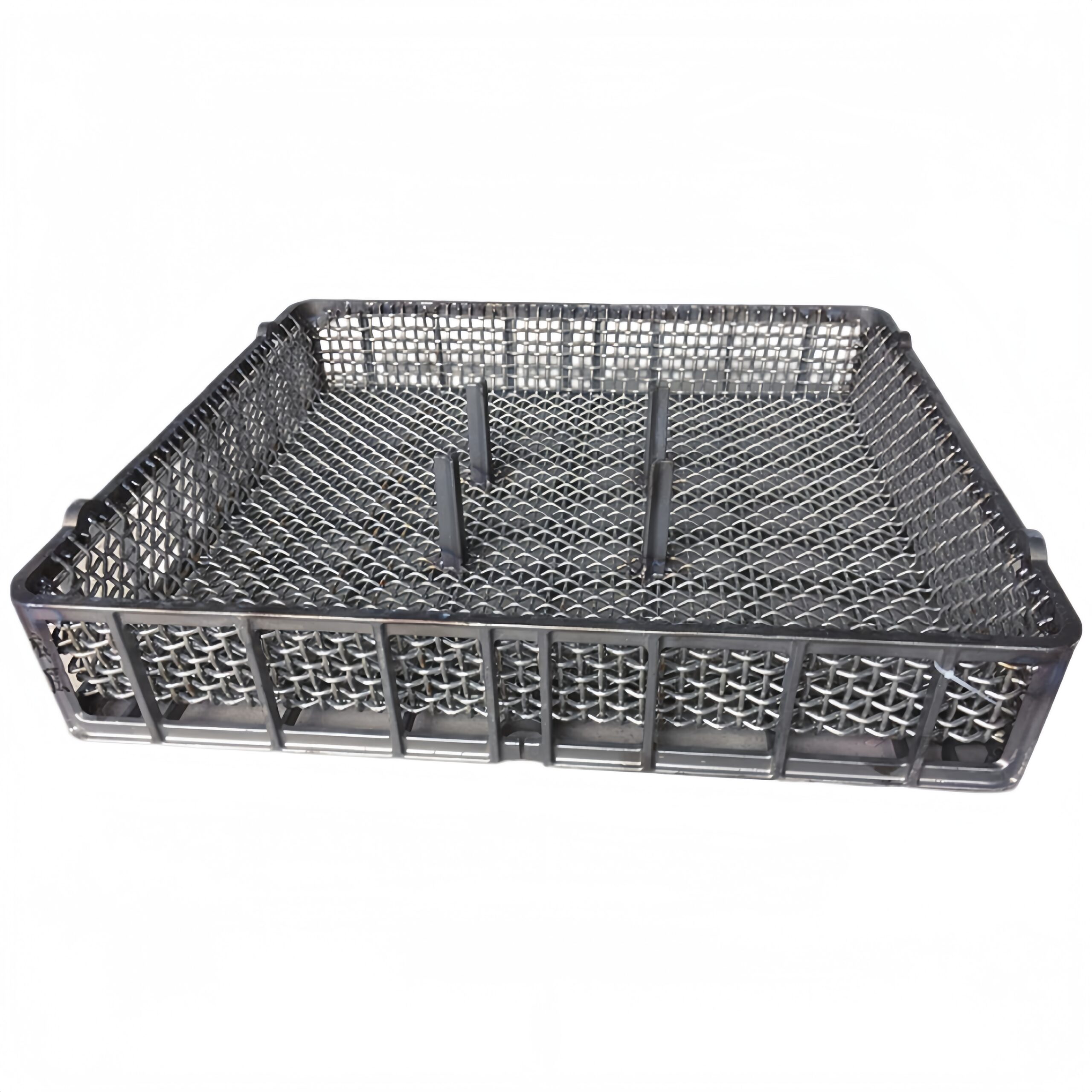
Production context: The component reference should be read together with the manufacturing and inspection context behind the furnace application.

FAQ
What should a buyer confirm for a heat-resistant alloy part requirement?
Confirm the drawing or used sample, key dimensions and interfaces, furnace type and clearance, load, operating cycle, failure evidence and inspection requirements. Final acceptance criteria should be agreed for the specific project.
Can ECOOSUN review a custom heat-resistant alloy part requirement?
Yes. ECOOSUN can review a customer drawing or used sample and discuss casting, laboratory and inspection requirements for a custom furnace-component project. Suitability and final scope are confirmed from the supplied information.


 +44 7419 144346