
Direct answer: Heat-resistant alloy cast parts are selected from the component geometry, furnace conditions, load, operating cycle and failure evidence rather than from a material name alone. ECOOSUN can review a drawing or used sample and align casting and inspection requirements with the project.
Industrial buyers often begin an enquiry with a material name and a quantity. For furnace components, that is only the first line of the specification. An alloy steel castings supplier also needs to understand the load path, heat cycle, interfaces and inspection documents that make the part usable in production.
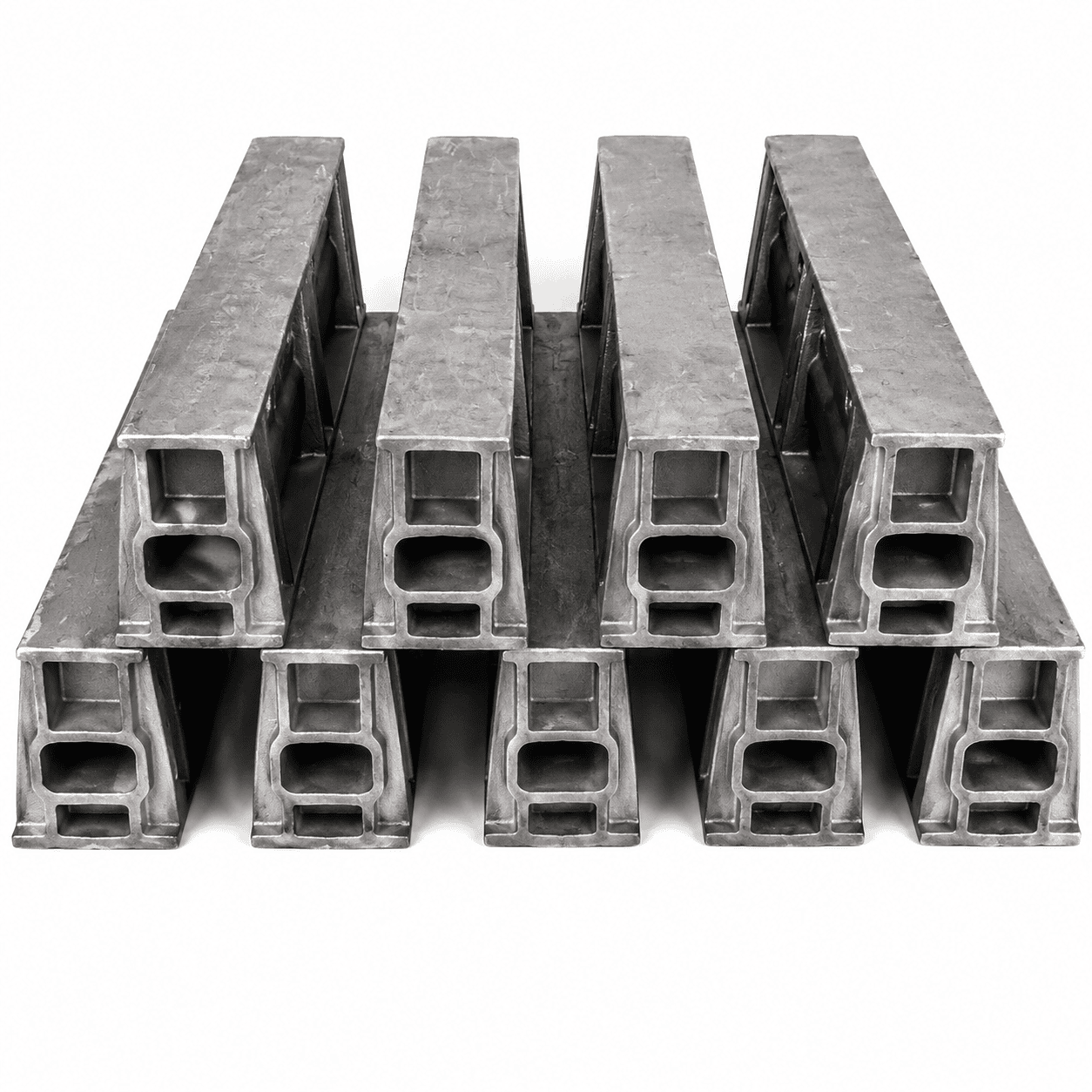
Verify the application before comparing quotations
Start by describing the part’s job: carrying a basket, supporting a tray, moving products on a roll, separating combustion from the furnace atmosphere, or maintaining a workpiece position. Then add the operating temperature range, atmosphere, cycle, mechanical load, support arrangement and cleaning practice. This information protects the quotation from an incorrect “equivalent” assumption.
The supplier document pack
A clear enquiry usually produces a clear quotation. Request the following items in one package:
- Drawing or measured sketch with revision and critical dimensions.
- Material reference and any approved alternatives.
- Manufacturing route, including pattern/core and finishing assumptions.
- Inspection plan covering installation-critical features.
- Part identification, packing and shipment details.
If a supplier cannot provide all documents at the quotation stage, ask which items will be submitted for approval before production. This separates a preliminary budget price from a release-for-production proposal.
Compare the casting route, not just the finished shape
Two castings can have the same outline but different internal risks. Ask how the supplier manages heavy junctions, thin walls, cores, machining allowance and cleaning. The casting references in your technical library repeatedly return to these practical points because they affect shrinkage, porosity, surface defects and dimensional stability.
For investment-cast furnace parts, confirm how the shell, pattern handling, pouring and finishing steps are controlled. For a large or heavily loaded component, ask how the supplier identifies the sections that require extra review. The answer should refer to your drawing, not only to a standard brochure.
Use a buyer’s decision matrix
| Criterion | Good evidence | Why it matters |
|---|---|---|
| Fit | Critical dimensions and interface tolerances are named | Prevents installation delays |
| Service match | Supplier asks about heat, atmosphere, load and cycling | Reduces unsuitable substitutions |
| Quality | Inspection features and record format are agreed | Creates an objective release decision |
| Repeatability | Drawing revision and part ID are retained | Makes future spares easier to order |
| Communication | Engineering questions are answered in writing | Protects assumptions and responsibilities |
Questions for a replacement order
Ask where the previous part failed, whether the furnace or process has changed, and whether the replacement must match the original exactly. A measured failure photograph can show a crack, wear band, distortion or deposit, but it cannot explain the cause by itself. Combine it with support spacing, load, cycle and burner or conveyor information.
For buyers sourcing baskets, trays, furnace rolls or radiant tubes, that context makes the supplier’s recommendations more specific and easier to approve.
When a low price is not a low cost
Price matters, but include pattern charges, machining, inspection, packaging, delivery risk and the cost of another furnace shutdown. A slightly higher quotation with a controlled drawing and clear inspection record can be cheaper over the life of the part. The comparison should use the same specification and the same delivery assumption for every supplier.
ECOOSUN enquiry checklist
For an ECOOSUN quotation, send the drawing or sketch, furnace application, operating data, quantity, target delivery date and required documents. If the component is a new design, describe the design objective. If it is a replacement, add the original part number and failure location. Review the furnace-parts range and contact the team for a drawing-based response.
Final recommendation
Choose an alloy steel castings supplier that makes its assumptions visible. A transparent review of service condition, geometry, casting route, inspection and traceability gives you a supplier relationship that can support both today’s replacement and tomorrow’s spare.
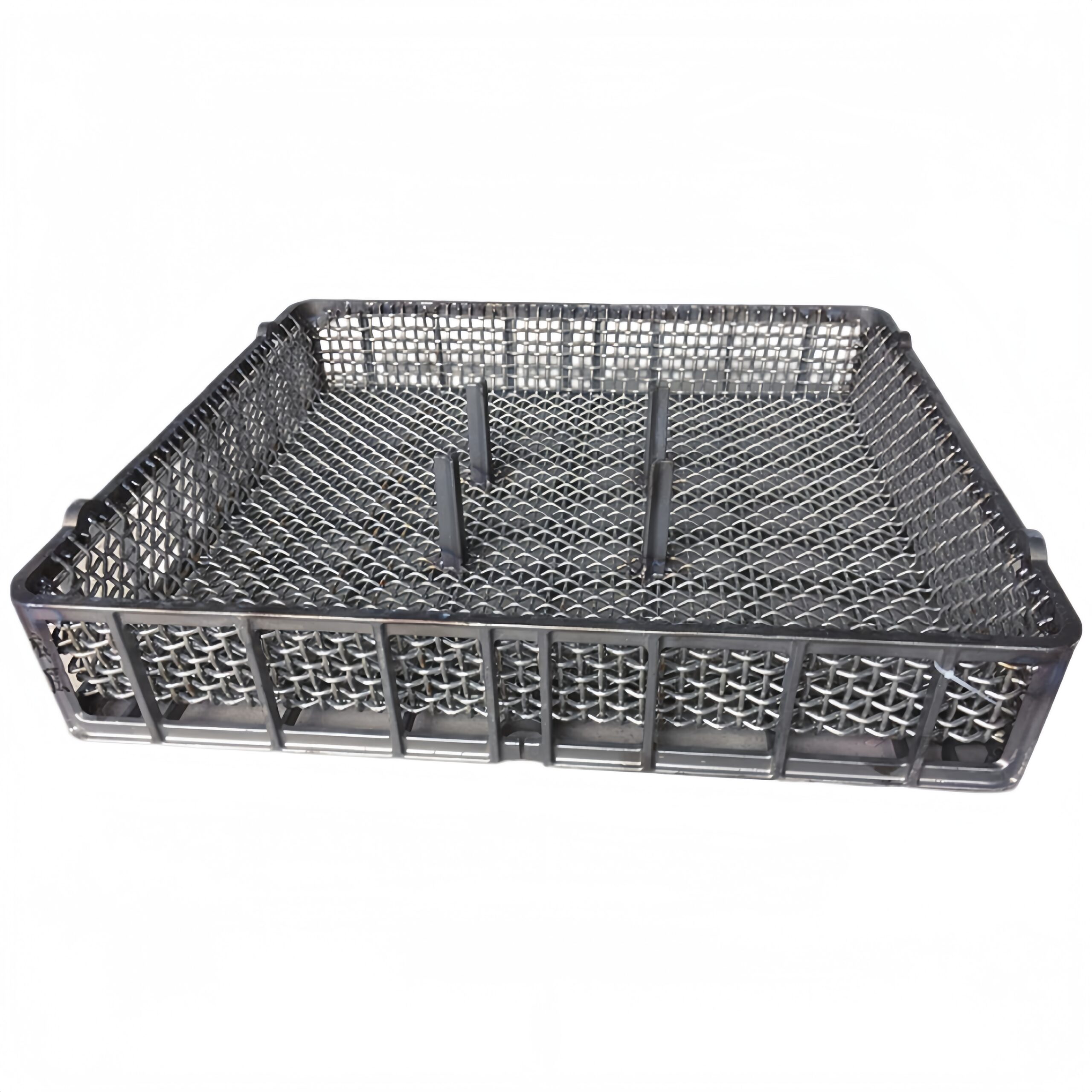
Production context: The component reference should be read together with the manufacturing and inspection context behind the furnace application.

FAQ
What should a buyer confirm for a heat-resistant alloy part requirement?
Confirm the drawing or used sample, key dimensions and interfaces, furnace type and clearance, load, operating cycle, failure evidence and inspection requirements. Final acceptance criteria should be agreed for the specific project.
Can ECOOSUN review a custom heat-resistant alloy part requirement?
Yes. ECOOSUN can review a customer drawing or used sample and discuss casting, laboratory and inspection requirements for a custom furnace-component project. Suitability and final scope are confirmed from the supplied information.


 +44 7419 144346