
Direct answer: Repeatable heat-resistant alloy casting supply starts with a controlled drawing revision, agreed material and manufacturing records, and consistent acceptance criteria. Approve the first article against those requirements, then retain traceability for repeat batches. A successful first delivery alone does not define the next order’s specification.
A capable foundry can make a part once. An industrial buyer usually needs something more valuable: the same approved part, made from the same drawing revision, with the same inspection logic when the next shutdown arrives. This article explains how to review a heat resistant alloy casting manufacturer for repeatability from enquiry to batch delivery.
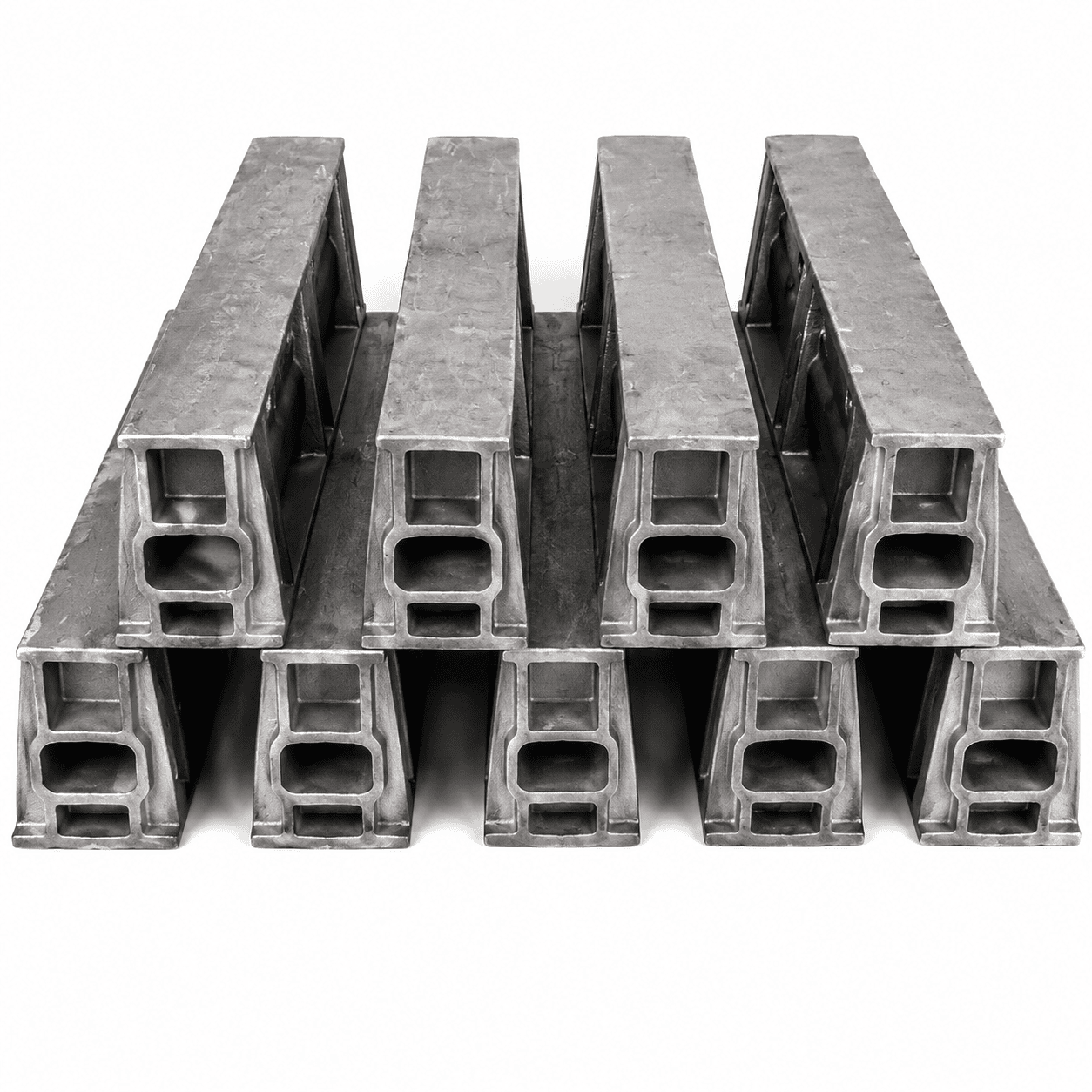
Stage 1: Freeze the technical input
Start with one controlled drawing revision. Add the furnace zone, atmosphere, load, cycle, movement and installation interfaces. If the item is a replacement, attach the original part number and photographs of the failed area. A supplier cannot repeat a result reliably if the input changes between quotation, production and re-order.
Stage 2: Review process assumptions
Ask the manufacturer to identify the pattern or tooling route, core requirements, machining allowances, critical transitions and finishing operations. The goal is not to demand a generic process recipe; it is to make the part-specific assumptions visible. Any proposed material or process alternative should be clearly marked for approval.
Stage 3: Define the first-piece review
For a new component, agree how the first casting will be checked before the full batch. Confirm the dimensional features, surface areas, material identification and any additional examination required by the application. Keep the signed or approved result with the drawing revision.
Stage 4: Control the repeat order
When the next order arrives, the supplier should be able to retrieve the approved drawing, part identification, inspection format and relevant production notes. Ask how revisions are separated and how a change is communicated. A new pattern, altered machining allowance or different finishing method should never appear as an undocumented surprise.
Stage 5: Close the loop after installation
Record fit, commissioning observations, service hours if tracked, and the location of any abnormal wear or distortion. This information helps the supplier and furnace team distinguish a casting issue from a support, burner, load or control issue. It also creates useful evidence for the next design review.
Questions that reveal the level of control
- Which dimensions are inspection-critical for this component?
- How is the drawing revision linked to the delivered part?
- What is the approval point for a material or process change?
- Which documents will be supplied with the shipment?
- How will the next batch be matched to the approved first piece?
These questions are suitable for furnace baskets, trays, rolls, radiant tubes and irregular internals. They also help a purchasing team compare suppliers on repeatability instead of relying only on a unit price.
ECOOSUN supports drawing-led enquiries for custom heat-resistant alloy parts and heat treatment furnace parts. Review the factory information, then send the controlled drawing and operating data.
What repeatability is not
Repeatability does not mean promising that every part will last a fixed period in every furnace. Service life depends on the actual load, temperature, atmosphere, support and process. It means keeping the design and quality decisions traceable so future parts start from evidence rather than memory.
Closing note
When evaluating a heat resistant alloy casting manufacturer, look for a visible chain from drawing to process, inspection and re-order. That chain is what protects production when the component is no longer a one-off purchase.
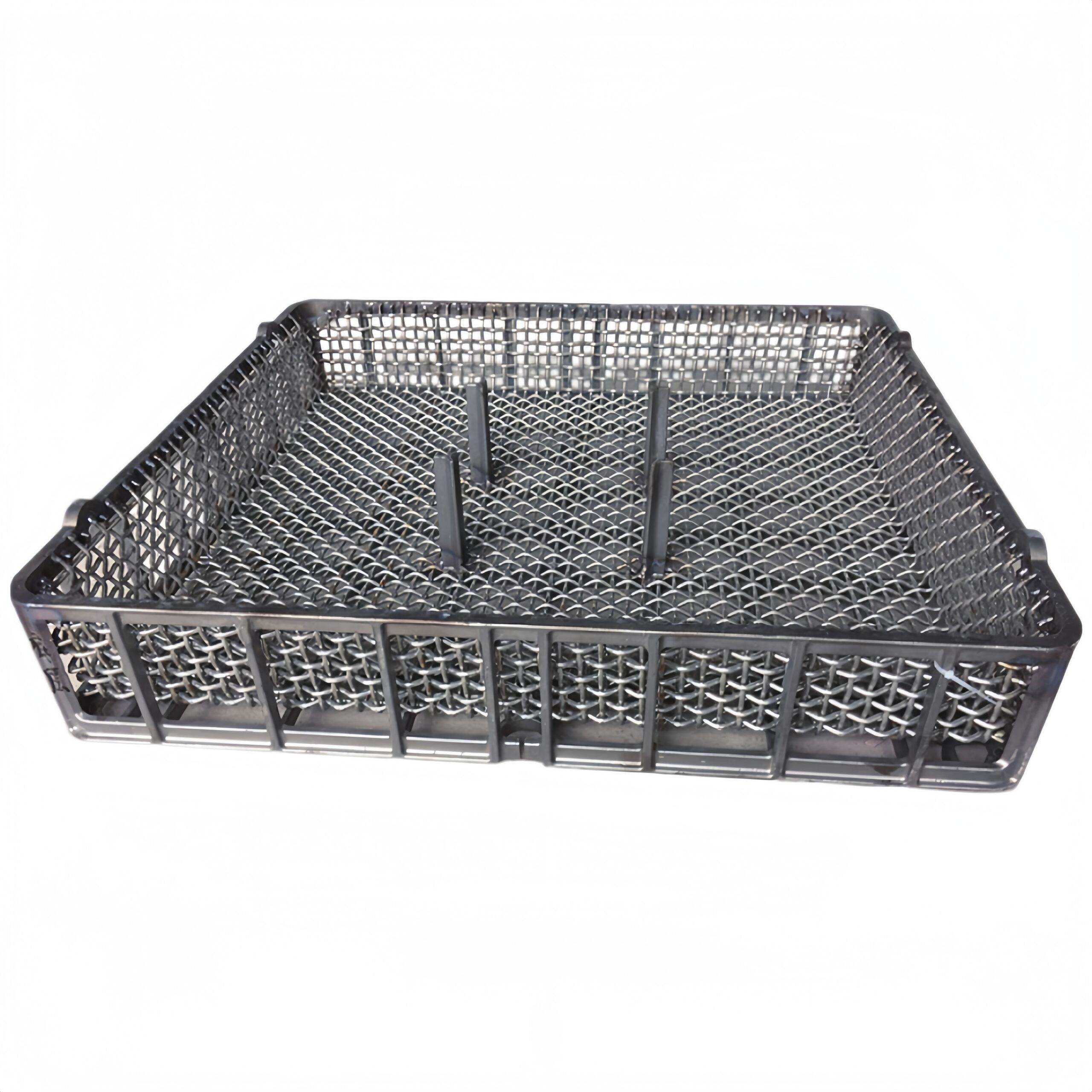
Production context: The component reference should be read together with the manufacturing and inspection context behind the furnace application.

FAQ
What should be frozen before a custom casting enters repeat production?
Freeze the approved drawing revision, material designation, manufacturing and machining scope, inspection requirements and accepted deviations. Retain the first-piece review so that later batches have a defined reference.
How should a drawing change be handled on a repeat casting order?
Identify the changed features and revision, assess their effect on tooling and inspection, and obtain agreement before manufacture. Do not assume a repeat order automatically authorizes a revised design.
Related RFQ and Supplier Evaluation Resources
Prepare the drawing, operating conditions and acceptance requirements before comparing quotations or selecting a casting supplier.
- How ECOOSUN Reviews Drawings, Samples and Operating Conditions Before Quotation
- Heat Treatment Furnace Parts RFQ Checklist: What Buyers Should Send a Manufacturer
- How to Evaluate a Heat-Resistant Furnace Parts Supplier
- How to Compare Quotes for Custom Heat-Resistant Furnace Castings
- How to Prepare a Worn-Sample Replacement Package for Furnace Parts
Product families where this guidance may apply
Manufacturing and quality evidence · Official company facts and current catalog
Information for a Faster Quotation
Provide the drawing revision, product family, dimensions, furnace conditions, quantity and required inspection documents. Final design, material and acceptance criteria require project-specific agreement.
Request a Custom Quote · Send Your Drawing · WhatsApp ECOOSUN


 +44 7419 144346