
Direct answer: A useful heat treatment furnace parts RFQ identifies the component, controlled drawing, service conditions, required material, quantity, inspection records and delivery date. Include photographs of installed interfaces and damage. Suppliers should state exclusions and unknowns so that quotations describe the same purchase.
Buying heat treatment furnace parts is rarely a simple catalogue purchase. A manufacturer needs to understand the furnace, the load, the atmosphere and the replacement history before recommending a basket, tray, fixture, radiant tube, furnace roll or other high-temperature component.

Why a detailed RFQ saves time
A drawing alone may not answer every question. Two parts with similar dimensions can experience very different thermal cycling, atmosphere exposure, loading or wear. A useful RFQ gives the supplier enough information to review material selection, manufacturing route, machining and inspection before issuing a quotation.
The basic information to include
- Part name and intended function inside the furnace.
- Furnace type, working atmosphere and operating temperature range.
- Part drawing, existing sample, worn component photographs or installation dimensions.
- Overall dimensions, critical tolerances, joining points and replacement quantity.
- Load, support span, rotation, conveying speed or other mechanical requirements.
- Failure history, expected service life and previous material grade if available.
Product-specific questions for common furnace components
Heat treatment baskets, trays and fixtures
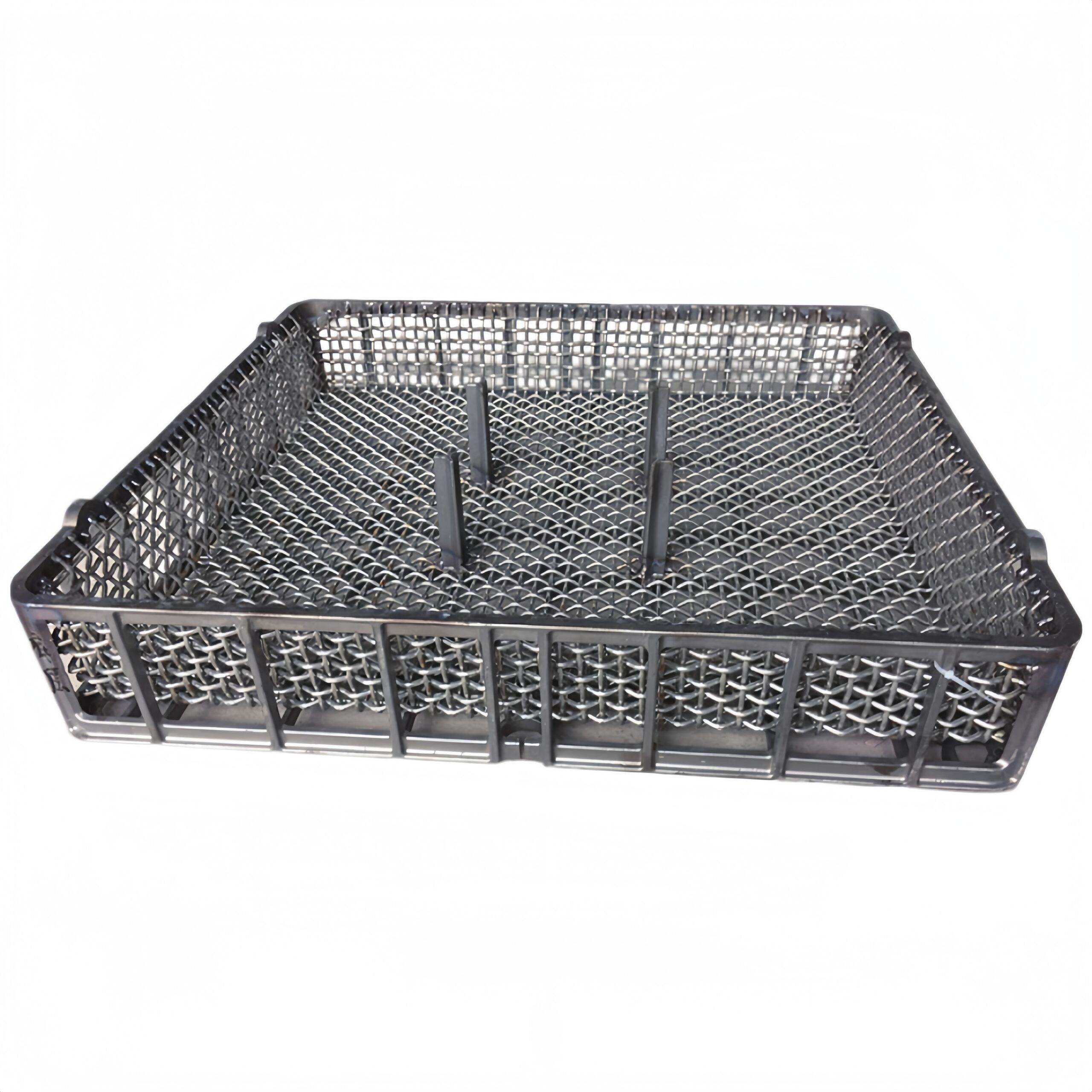
For heat treatment baskets, furnace trays and heat treatment fixtures, include the workpiece shape, loading method, supported weight, basket or tray envelope, contact points and required spacing. A fixture also needs the workpiece location and orientation so that the design supports repeatable heating and reduces distortion risk.
Radiant tubes
For radiant tubes, specify the straight, U-type or W-type configuration, tube diameter, wall thickness, overall length, burner connection, support arrangement, furnace atmosphere and firing method. Existing drawings and photographs of the hot zone help the manufacturer confirm fit and replacement interfaces.
Furnace rolls
For furnace rolls, provide outside diameter, face length, overall length, shaft and drive details, support span, load, line speed, rotation, runout concerns and cooling arrangement. A worn roll or installation drawing is especially useful when the replacement must fit an existing roller hearth line.

Material and manufacturing review
ECOOSUN reviews the proposed heat-resistant alloy and production route against the actual service conditions. Depending on geometry, size and inspection requirements, the quotation may involve sand casting, lost foam casting, investment casting, centrifugal casting, fabrication or machining. The final recommendation should be confirmed against the drawing, atmosphere, temperature and mechanical requirements rather than selected from a generic material list.
Inspection information buyers should request
Ask the supplier to confirm dimensional inspection, material identification and chemical composition testing where applicable. Depending on the component and agreed specification, hardness checks, visual inspection, non-destructive testing and final dimensional reports may also be included. The inspection scope should be written into the quotation so that the delivered part can be checked against the approved requirements.
Send the right information for a faster quote
When you are ready to replace a furnace component, send the drawing, sample photographs, furnace data and target quantity to the ECOOSUN contact page. You can also use Request a Custom Quote or send your drawing for an engineering review. ECOOSUN supports custom heat treatment furnace parts for furnace manufacturers, heat treaters and maintenance teams.
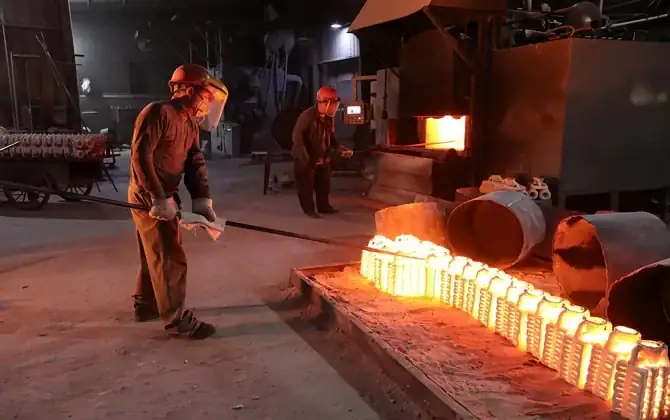
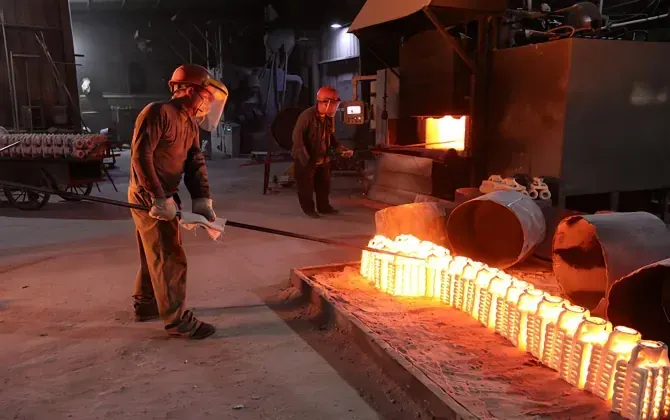
Production context: The component reference should be read together with the manufacturing and inspection context behind the furnace application.

FAQ
What should be included in the first furnace-parts RFQ package?
Include the latest drawing or measured sample information, product function, furnace conditions, load, quantity and required inspection documents. Identify critical interfaces and state whether changes from the original design are requested.
Should the RFQ separate known dimensions from estimated dimensions?
Yes. Mark measurements affected by wear or access limitations and identify estimates. This allows the supplier to request the right clarification rather than treating uncertain dimensions as approved manufacturing requirements.
Related RFQ and Supplier Evaluation Resources
Prepare the drawing, operating conditions and acceptance requirements before comparing quotations or selecting a casting supplier.
- How ECOOSUN Reviews Drawings, Samples and Operating Conditions Before Quotation
- How to Evaluate a Heat-Resistant Furnace Parts Supplier
- How to Compare Quotes for Custom Heat-Resistant Furnace Castings
- How to Prepare a Worn-Sample Replacement Package for Furnace Parts
Product families where this guidance may apply
Manufacturing and quality evidence · Official company facts and current catalog
Information for a Faster Quotation
Provide the drawing revision, product family, dimensions, furnace conditions, quantity and required inspection documents. Final design, material and acceptance criteria require project-specific agreement.
Request a Custom Quote · Send Your Drawing · WhatsApp ECOOSUN

 +44 7419 144346