
Direct answer: To quote a custom heat treatment furnace part, provide the part name, drawing or worn sample, dimensions, furnace type, interface details, load, operating atmosphere, thermal-cycle information, quantity and delivery requirements. Add photographs of the installed part and any deformation, cracking, wear or oxidation. These inputs allow ECOOSUN to review fit, casting requirements and inspection needs before confirming a project-specific quotation.
The minimum RFQ package
1. Identify the component and application
State whether the part is a heat treatment basket, tray, fixture, radiant tube, furnace roll or another furnace component. Explain where it is installed and whether it carries, supports, locates, heats or conveys workpieces.
2. Provide a drawing, sample or dimensioned record
A current drawing is preferred. If no drawing is available, send a worn sample, clear photographs and a dimensioned sketch. Mark critical interfaces, lifting points, supports, connection details, machined surfaces and locating features.
3. Describe the furnace interface
Include furnace type, internal clearance, conveyor or burner arrangement, support method, connection details and adjacent components. For replacement work, state whether the furnace or loading system has changed.
4. Describe load and handling
State workpiece arrangement, supported load, batch size, lifting method, conveying direction and contact areas. For fixtures, include the workpiece drawing and locating requirements. For rolls, include roll spacing, supported load and drive details.
5. Share confirmed operating conditions
Provide operating atmosphere and thermal-cycle information that can be shared. Note process changes, maintenance history and known contact or clearance issues. If a material grade or operating limit is not confirmed, identify it as an open engineering item instead of guessing.
6. Explain the failure or replacement reason
Describe deformation, cracking, wear, oxidation, distortion, runout, sticking, poor fit or another observed problem. Mark the failure location on a photograph or drawing.
7. Define inspection and commercial requirements
State requested inspection items, dimensional acceptance points, documentation needs, quantity, delivery location, packaging requirements and requested quotation timing.
Product-specific add-ons
| Product | Add these details |
|---|---|
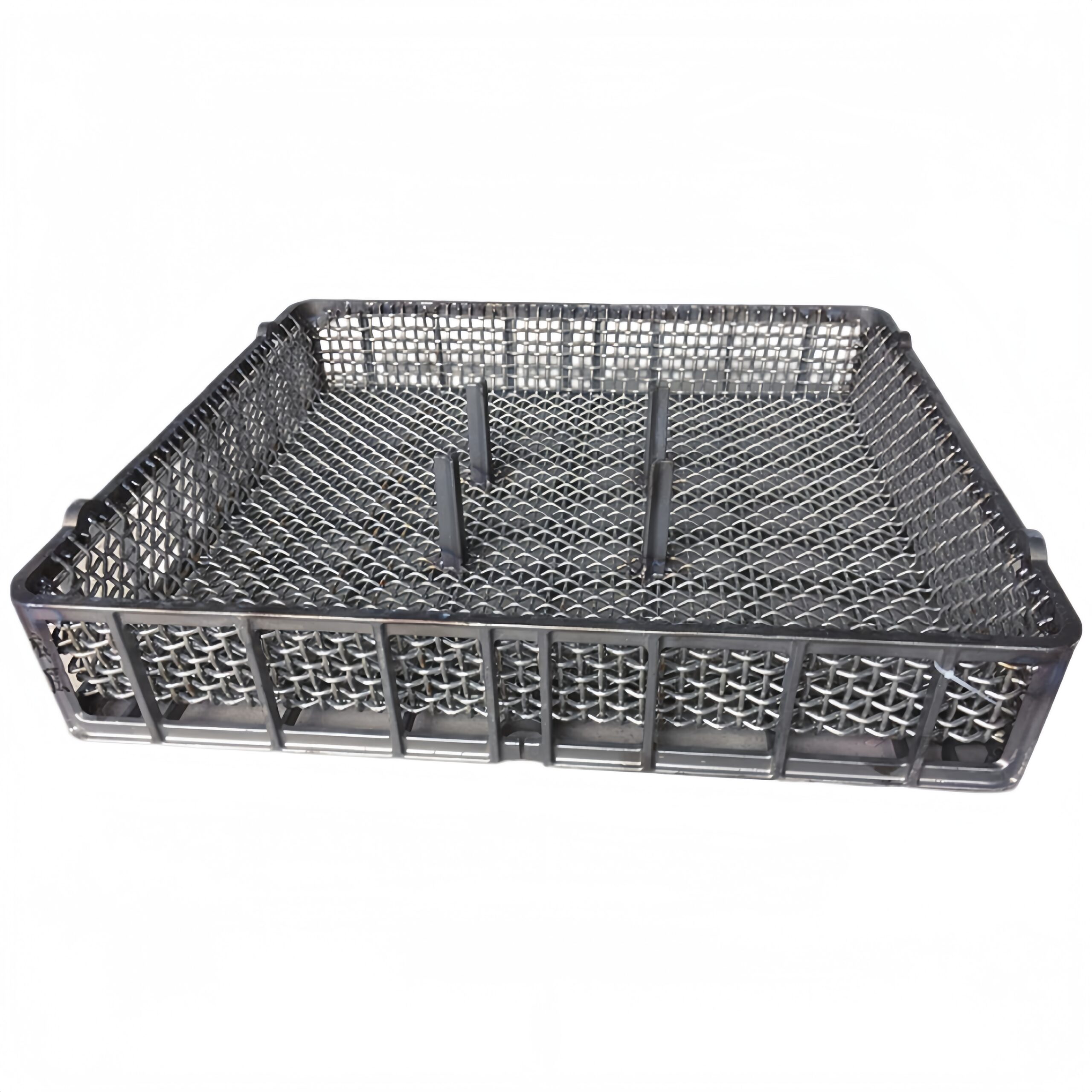
| Heat Treatment Baskets | Lifting points, basket loading arrangement, batch load, support areas and deformation history |
| Heat Treatment Trays | Conveyor/support interface, workpiece contact pattern, stacking or loading method and critical fit requirements |
| Heat Treatment Fixtures | Workpiece drawing, locating points, clearance, orientation and repeatability requirements |
| Radiant Tubes | Burner arrangement, tube ends, supports, bends, furnace position and failure location |
| Furnace Rolls | Roll diameter/length, end details, drive/support interfaces, load, runout history and contact pattern |
Review the relevant product page: Heat Treatment Baskets, Heat Treatment Trays, Heat Treatment Fixtures, Radiant Tubes or Furnace Rolls.
How the quotation review proceeds
ECOOSUN reviews drawings, samples, photographs and operating information. The engineering team can clarify missing inputs, assess replacement fit, review the casting route and define inspection requirements for the project. Submit the RFQ through Contact ECOOSUN.
Frequently asked questions
Can I request a quotation with only a product name?
You can start a conversation with a product name, but a reliable quotation normally requires dimensions, interfaces, furnace information and operating conditions.
Is a worn sample enough?
A worn sample is useful, especially with measurements and failure photographs. It should not be treated as a perfect record of the original geometry if it has deformed or worn.
Do I need to specify the material myself?
Provide confirmed material information if available. The supplier should review the full application before confirming the project-specific material and manufacturing route.
What if some furnace data is confidential?
Share the data that can be disclosed and clearly mark missing items. The supplier can identify which missing inputs are essential for the next engineering step.
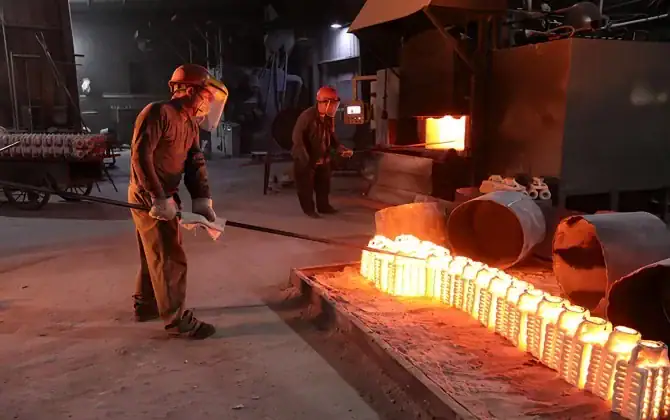
Production context: The component reference should be read together with the manufacturing and inspection context behind the furnace application.


 +44 7419 144346