
Direct answer: Heat-resistant alloy cast parts are selected from the component geometry, furnace conditions, load, operating cycle and failure evidence rather than from a material name alone. ECOOSUN can review a drawing or used sample and align casting and inspection requirements with the project.
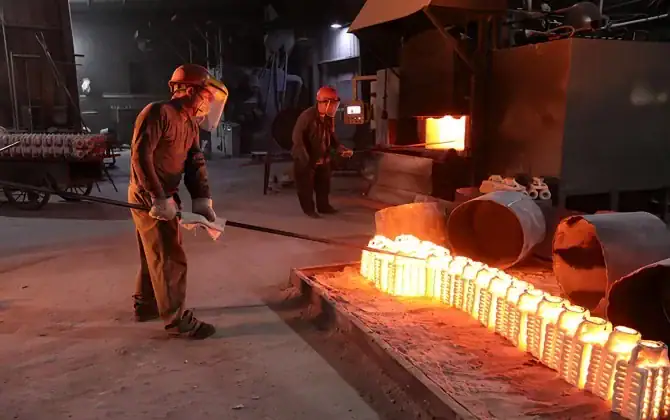
The investment casting process converts an expendable wax pattern into a metal component through tooling, wax injection, pattern assembly, ceramic-shell building, dewaxing, firing, alloy melting, pouring, knockout, finishing and inspection. Each step affects the next. For heat-resistant furnace parts, process control must also account for high-alloy melting, open-grid distortion, heavy rib junctions and the service conditions that govern alloy and inspection requirements.
Related product: For a project-specific review, see Heat-Resistant Steel Foundry.
Related evidence: Use the related ECOOSUN engineering and inspection guidance to prepare the technical information for review.
Request a project review: Send the drawing, used sample, key dimensions, furnace information and failure record through the ECOOSUN contact page.
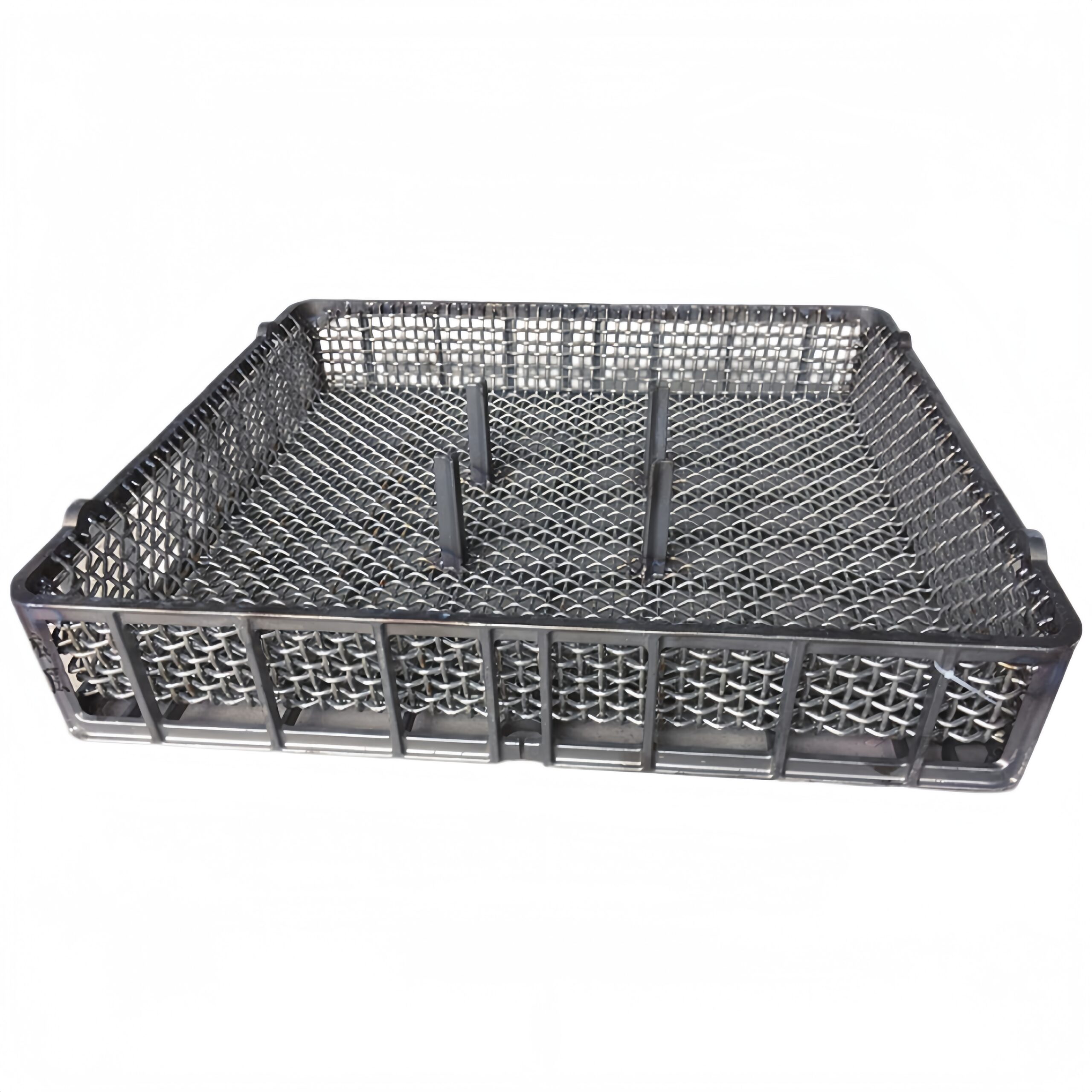
Production context: The component reference should be read together with the manufacturing and inspection context behind the furnace application.

FAQ
What should a buyer confirm for a heat-resistant alloy part requirement?
Confirm the drawing or used sample, key dimensions and interfaces, furnace type and clearance, load, operating cycle, failure evidence and inspection requirements. Final acceptance criteria should be agreed for the specific project.
Can ECOOSUN review a custom heat-resistant alloy part requirement?
Yes. ECOOSUN can review a customer drawing or used sample and discuss casting, laboratory and inspection requirements for a custom furnace-component project. Suitability and final scope are confirmed from the supplied information.

 +44 7419 144346