
Direct answer
For a furnace-part replacement, a current approved drawing is usually the best statement of intended geometry, while a worn sample shows the actual installed condition, service damage, and interfaces that may be missing from the drawing. The strongest reference is often both, reviewed together with photographs, measurements, and operating history. If they conflict, identify the revision and ask the buyer to approve whether the goal is direct replacement, correction, or redesign.
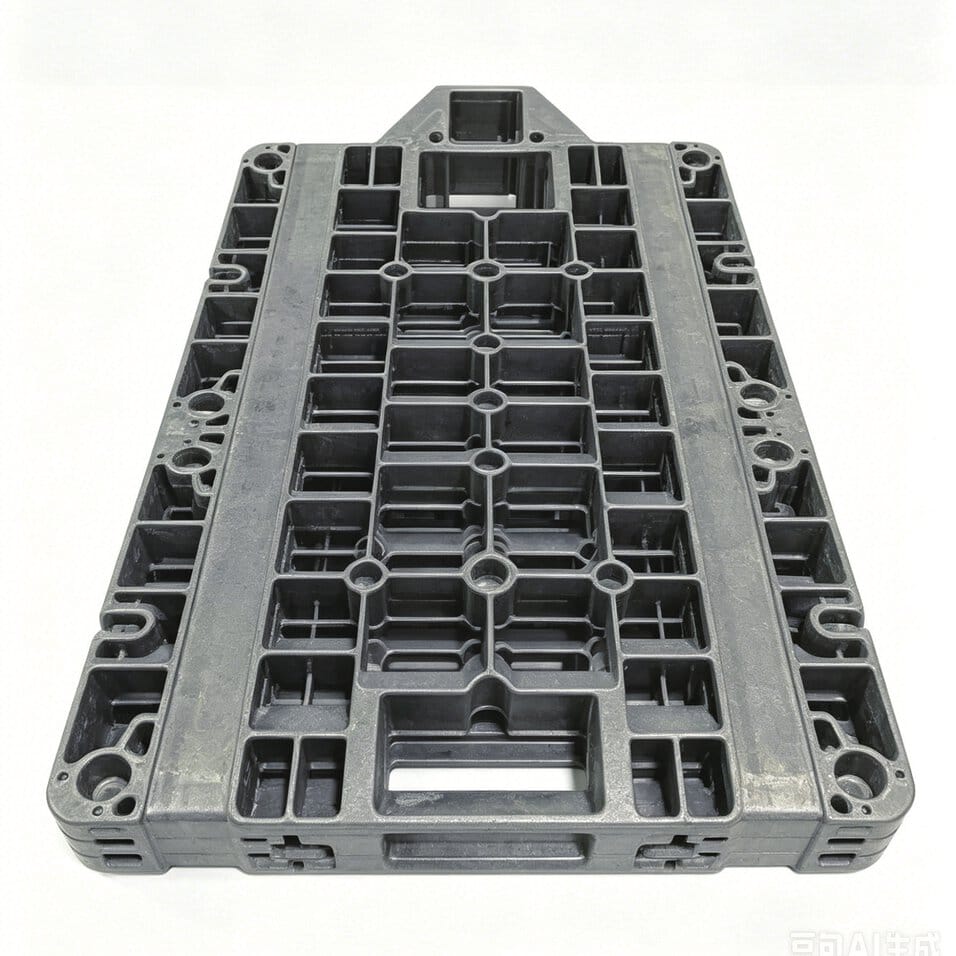
What the drawing tells you
The drawing can define datums, critical dimensions, interfaces, tolerances, orientation, and revision history. It represents design intent—but only for the revision that is current and approved. An old drawing may not show a field modification or an installation change.
What the worn sample tells you
The sample shows contact marks, wear, deformation, repairs, deposits, and the condition that actually came out of service. It does not automatically show the original dimensions. Measure from stable areas and label damaged values as worn or distorted.
How to reconcile them
Photograph the sample installed and removed, mark orientation, compare critical interfaces, and list each difference. Add load, support, cycle, and handling history. Then state the replacement objective and approve the reference before production.
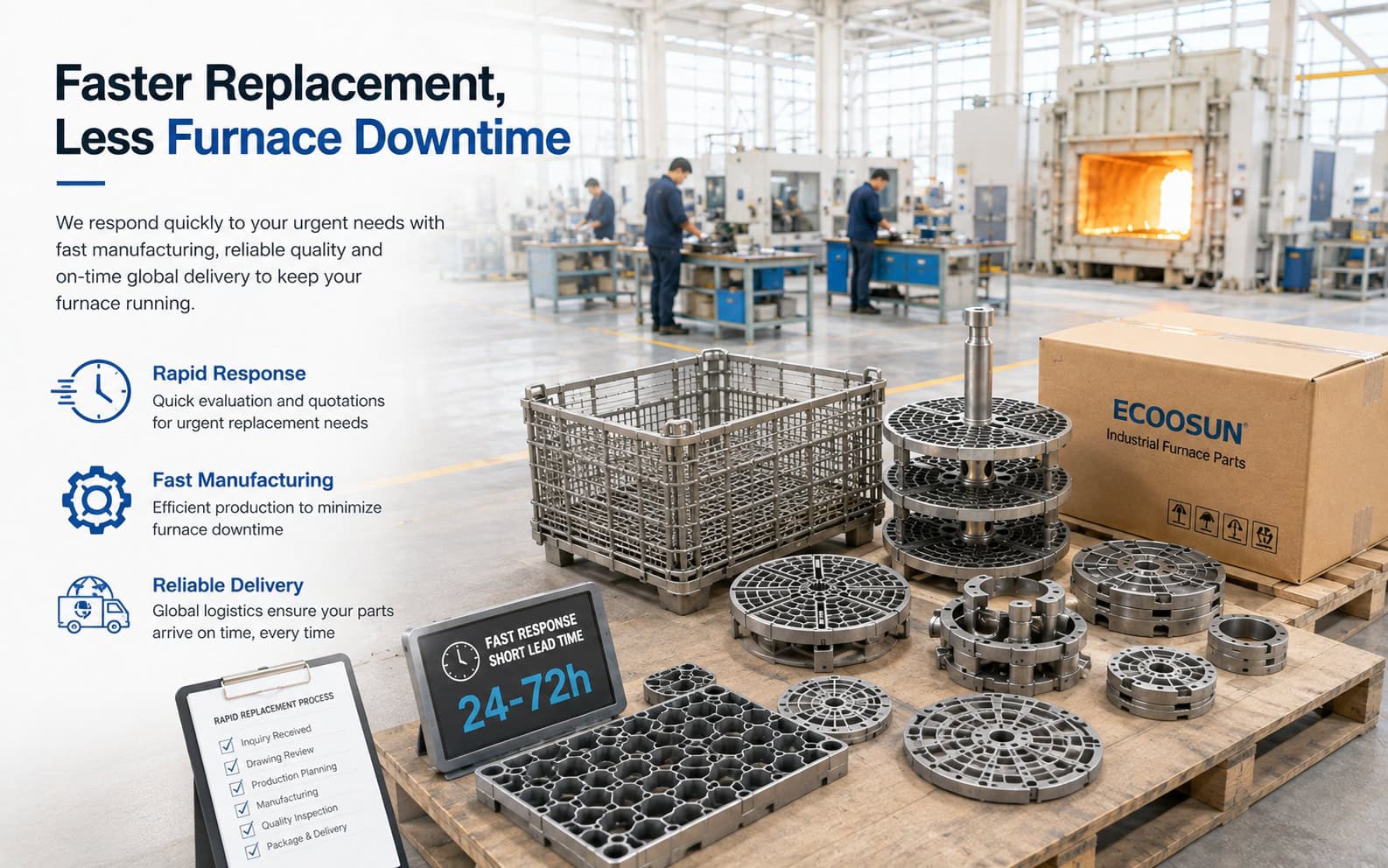
ECOOSUN’s review approach
ECOOSUN can review drawings, worn samples, operating information, engineering requirements, and inspection requirements for custom furnace castings. For a roll enquiry, see Furnace Rolls or use contact-us.
FAQ
What should a buyer confirm for a heat-resistant cast furnace part requirement?
Confirm the drawing or used sample, key dimensions and interfaces, furnace type and clearance, load, operating cycle, failure evidence and inspection requirements. Final acceptance criteria should be agreed for the specific project.
Can ECOOSUN review a custom heat-resistant cast furnace part requirement?
Yes. ECOOSUN can review a customer drawing or used sample and discuss casting, laboratory and inspection requirements for a custom furnace-component project. Suitability and final scope are confirmed from the supplied information.
Manufacturing and Product Evidence

For a project review, send your drawing, sample photos, furnace conditions, quantity and inspection requirements through our Contact Us page.
Which replacement reference should you send?
| Available reference | What it confirms | What is still needed |
|---|---|---|
| Current controlled drawing | Nominal geometry, interfaces and specified tolerances | Service history, operating conditions and observed failure |
| Worn sample only | Actual interfaces, wear pattern and service damage | Original dimensions, allowable wear and installation clearances |
| Drawing plus sample | Difference between intended geometry and current condition | Agreement on which dimensions govern the replacement |
For review, send the reference package, furnace conditions, quantity and required documentation through Contact Us.

 +44 7419 144346