
Direct answer: The right heat treatment furnace part is selected from the furnace interface, part geometry, load path, operating atmosphere and thermal cycle—not from the component name alone. Baskets, trays and fixtures must fit the workpiece and handling system. Radiant tubes and furnace rolls must also match the furnace layout, connection or support arrangement and replacement interface. For a project-specific quotation, ECOOSUN reviews a drawing or worn sample together with operating information and any failure evidence.
Which furnace part do you need?
Heat treatment baskets
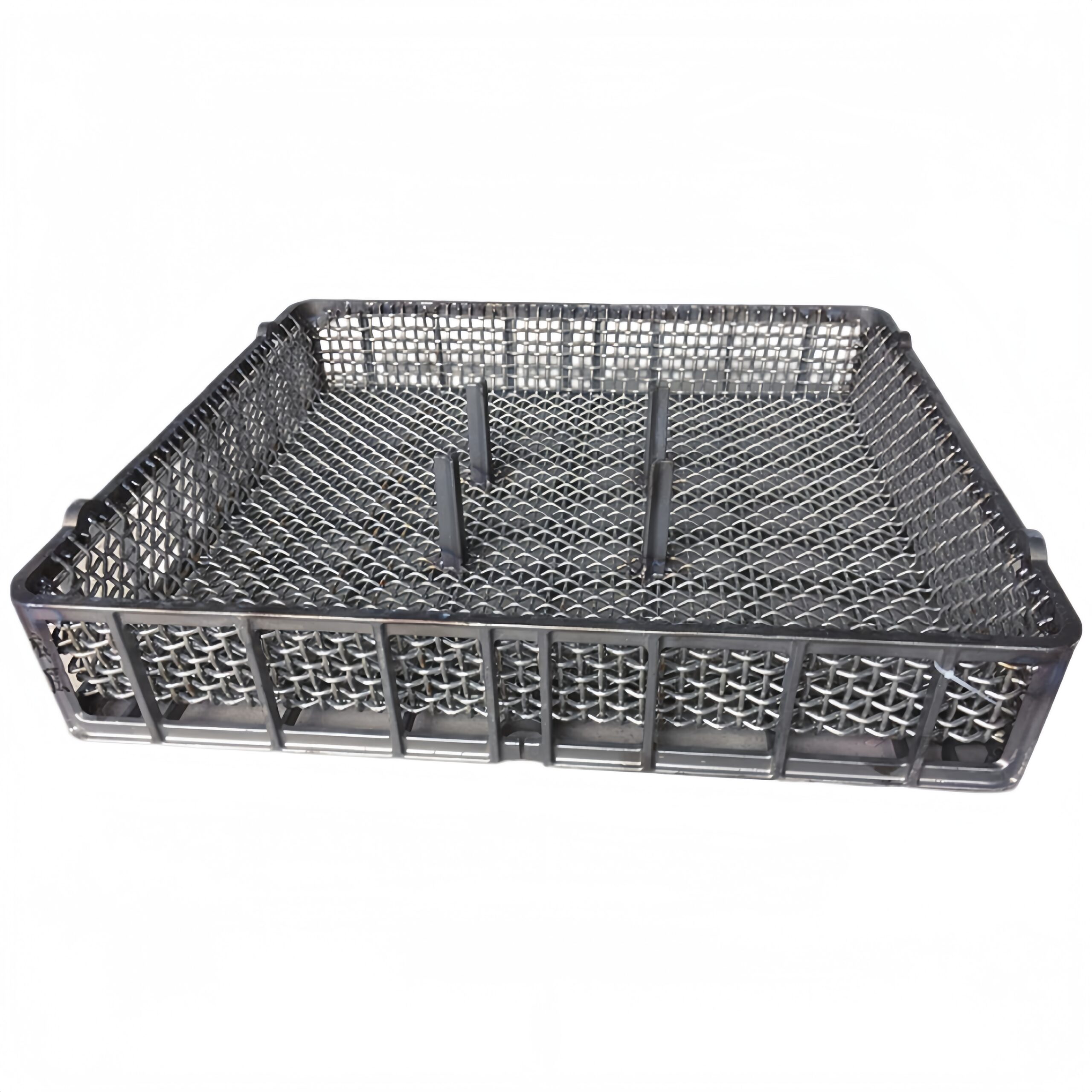
Heat treatment baskets hold and move batches of workpieces through a furnace cycle. Important inputs include basket dimensions, lifting points, support areas, clearance and the way the basket is handled between cycles. A replacement basket should be checked against the actual furnace and workpiece arrangement. See Heat Treatment Baskets for product-level quotation inputs.
Heat treatment trays
Trays provide a platform for loading, conveying or positioning workpieces. Their design depends on the furnace interface, support points, workpiece arrangement and expected load path. See Heat Treatment Trays for the replacement information to prepare.
Heat treatment fixtures
Fixtures position workpieces and help maintain a repeatable orientation during heating and cooling. Their locating points, clearances and support features should be reviewed against the workpiece drawing and furnace cycle. See Heat Treatment Fixtures for a product-specific design review route.
Radiant tubes
Radiant tubes are furnace heating components whose geometry and connection details must match the burner arrangement and furnace installation. A replacement review should include the tube drawing or worn tube, end connections, support details, available clearance, operating atmosphere, thermal cycle and photographs of the failure. See Radiant Tubes for the information needed before quotation.
Furnace rolls
Furnace rolls support or convey workpieces through roller-hearth and related industrial furnace systems. Diameter, length, shaft or end details, support arrangement, load and runout history are important to replacement fit. See Furnace Rolls for a focused replacement checklist.
Six inputs that make a replacement review useful
- Furnace interface: furnace type, internal clearance, conveyor or burner arrangement and connection details.
- Part geometry: drawing, CAD file, worn sample, dimensions, tolerances and critical locating surfaces.
- Load path: workpiece weight, batch arrangement, contact points, lifting method and conveying direction.
- Operating conditions: atmosphere, thermal cycle, heating and cooling pattern and known process changes.
- Failure history: deformation, cracking, wear, oxidation, sticking, runout or unexpected contact.
- Inspection expectations: dimensional checks, visual inspection and any material or mechanical testing required by the buyer.
A practical replacement workflow
ECOOSUN can begin with the available drawing or worn sample and clarify missing furnace inputs. The next step is to review fit, load path, geometry and the proposed casting and inspection requirements. If the original part has failed, photographs and measurements help separate a fit problem from an operating-condition or design problem. The quotation should then be based on confirmed project inputs rather than a generic product description.
This workflow is relevant to heat-treatment factories and industrial heat-treatment furnace manufacturers that need a replacement or custom part. It does not replace the buyer’s process validation or equipment safety review.
What to send with an RFQ
Send the part drawing or worn sample, overall dimensions, critical interfaces, furnace type, operating atmosphere, load information, thermal-cycle details, quantity and delivery requirements. Add clear photographs of the installed part and any deformation, cracking, wear or oxidation. If the part is a repeat order, include the previous drawing revision or inspection information.
For a formal quotation, contact ECOOSUN.
Frequently asked questions
Can a furnace part be quoted from a worn sample?
Often, a worn sample is a useful starting point, but it should be accompanied by dimensions, furnace information and failure photographs. A sample alone may not show the original geometry or the reason for the failure.
Should I specify a material grade before asking for a quotation?
Provide material information if it is already confirmed, but do not select a grade from a product name alone. The supplier should review operating conditions, geometry, load and inspection requirements before confirming a project-specific material and process route.
Is a similar-looking part always a suitable replacement?
No. Furnace clearance, support points, connection details, load path and thermal cycle can make two visually similar parts unsuitable for the same application.
For background on casting routes, see heat-resistant steel casting.
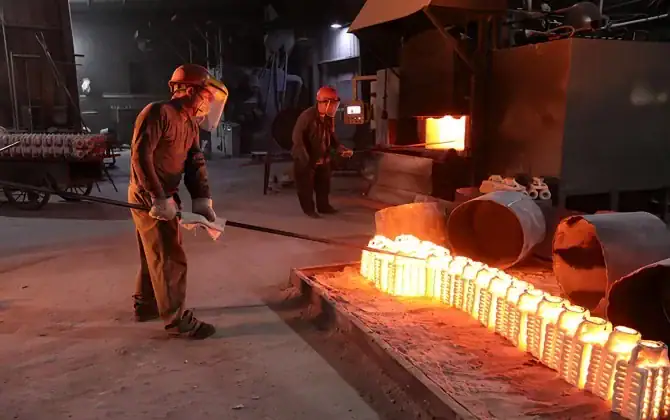
Production context: The component reference should be read together with the manufacturing and inspection context behind the furnace application.


 +44 7419 144346