
Direct answer
Inspect a heat treatment tray in the installed position, not only on a flat inspection table. Confirm the tray’s overall envelope, rail or roller contact, stops, lifting points, alignment, and clearance to the furnace structure. Move it through the normal loading path without heat when safe to do so, and record any rubbing or interference marks. A fit problem may come from the tray, the furnace support, accumulated wear, or a changed installation condition; the inspection should preserve that distinction.

Installation checks before loading
Start with a clean, safe, cool installation where possible. Compare the tray revision with the purchase or maintenance record. Check rails, rollers, stops, supports, hooks, and neighboring parts for debris, deformation, or fresh contact marks. Photograph the tray from the loading direction and from below; the underside often explains why a tray drags or rocks.
Measure the critical envelope at several points rather than assuming symmetry. If the tray is visibly warped, record the direction and location. Do not force it into position to make the measurement look acceptable.
Clearance and movement checks
Check clearance at the door, guides, rails, transfer points, and stops. Look for continuous polished marks, isolated dents, or freshly scraped areas. Move the tray through the normal path only under the site’s safety procedure. Note whether the interference occurs at entry, during transfer, or at the final support position. These are different clues and should not be collapsed into one “fit issue.”
Also confirm that the workpiece arrangement does not shift the load toward an edge. A tray can fit empty but contact a stop or support differently when loaded.
What to send when fit is not acceptable
Send the tray drawing, installation photographs, measured interference points, rail or roller condition, loading arrangement, and the direction of any warp. Include whether the furnace support or transfer equipment changed. This evidence lets a supplier decide whether the next action is adjustment, further inspection, repair review, or a replacement quotation.
How ECOOSUN can help
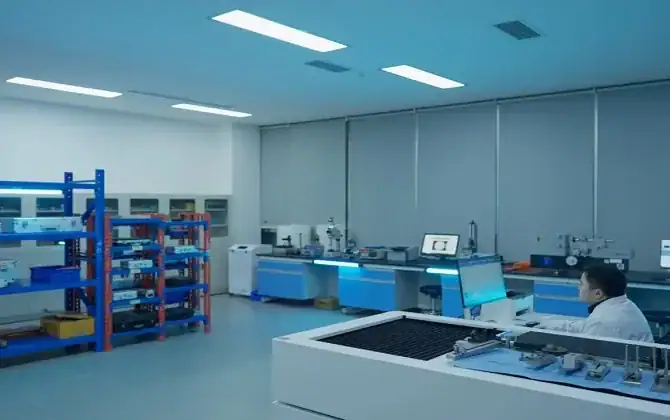
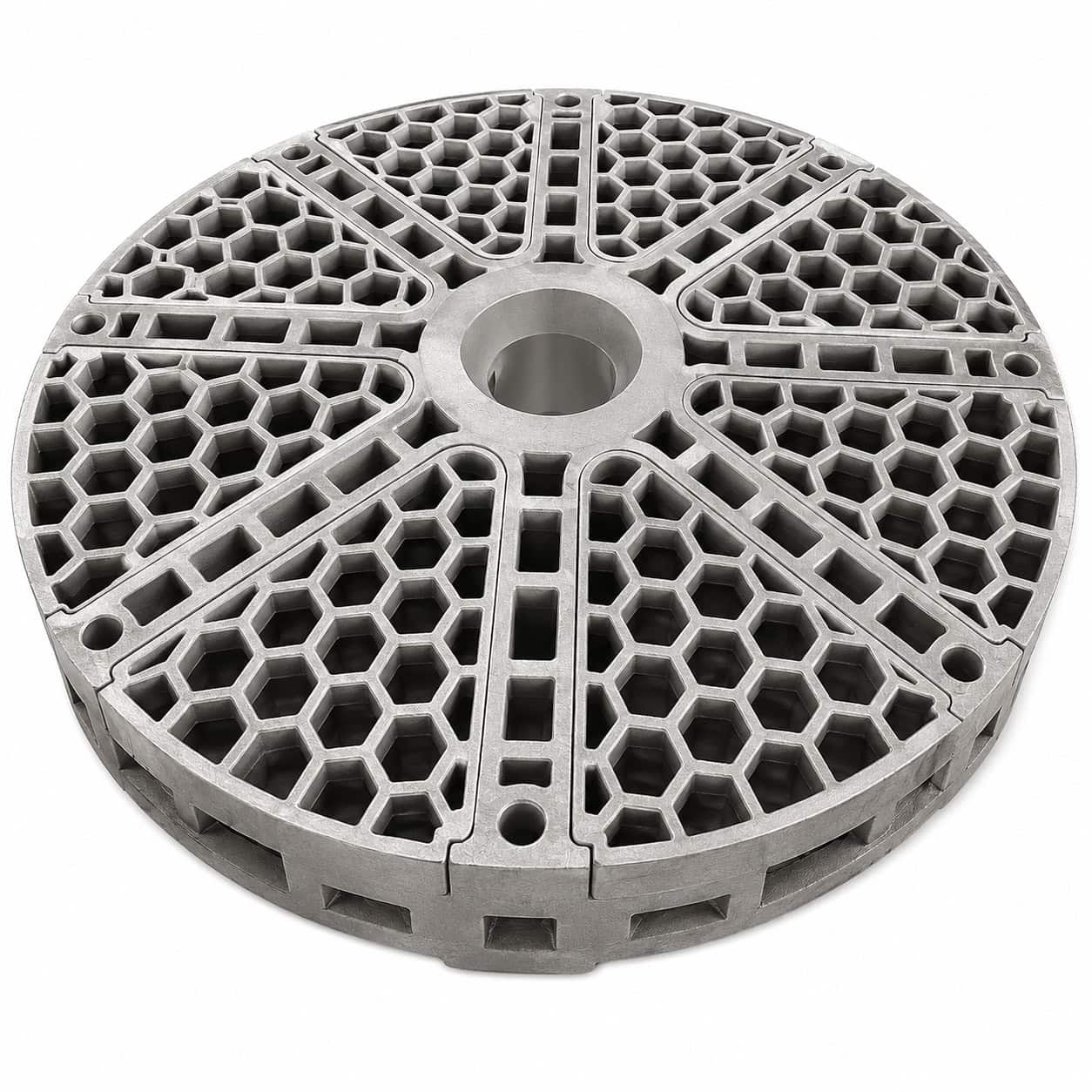
ECOOSUN can review a tray drawing or worn sample together with operating and inspection information. The Heat Treatment Trays page explains the product context; send the measured installation evidence through contact-us.
RFQ information checklist
For a useful first review, send the drawing or used sample, key dimensions, furnace type, load, operating cycle, visible failure evidence and any required inspection points. Final material and acceptance decisions are confirmed for the specific project.
Buyer decision point
| Input to confirm | Why it matters |
|---|---|
| Drawing or used sample | Defines the geometry and replacement reference. |
| Furnace interface and clearance | Confirms fit, handling and movement inside the furnace. |
| Load and operating cycle | Supports review of loading, thermal expansion and service conditions. |
| Failure record and inspection requirement | Connects the replacement scope to the observed problem and acceptance check. |
FAQ
What should a buyer confirm for a heat treatment tray requirement?
Confirm the drawing or used sample, key dimensions and interfaces, furnace type and clearance, load, operating cycle, failure evidence and inspection requirements. Final acceptance criteria should be agreed for the specific project.
Can ECOOSUN review a custom heat treatment tray requirement?
Yes. ECOOSUN can review a customer drawing or used sample and discuss casting, laboratory and inspection requirements for a custom furnace-component project. Suitability and final scope are confirmed from the supplied information.
Related Heat Treatment Tray Resources
Use these technical guides when specifying, inspecting or replacing heat treatment trays for an industrial furnace:
- Heat Treatment Trays: Rib Design, Perforation and Distortion Control
- Heat Treatment Tray Design: Load, Alloy and Deformation
- Heat Treatment Tray Acceptance Inspection Checklist
- Heat Treatment Baskets vs Trays vs Fixtures
Related ECOOSUN Products
Information for a Faster Quotation
Provide alloy grade or service conditions, tray dimensions, load capacity, flatness or clearance requirements, operating temperature, furnace type, quantity, drawing or used sample, and inspection requirements.
Request a Custom Quote · Send Your Drawing · WhatsApp ECOOSUN

 +44 7419 144346