
Direct answer: An inspection and test plan (ITP) for custom furnace castings should list each control stage, the characteristic to be checked, the applicable drawing or procedure, the acceptance criteria, the required record and whether the step is a review, witness or hold point.
An ITP turns a broad statement such as “inspection required” into a sequence that the buyer and supplier can follow. It is most useful before production, when sampling, test pieces, dimensional features and document formats can still be planned.
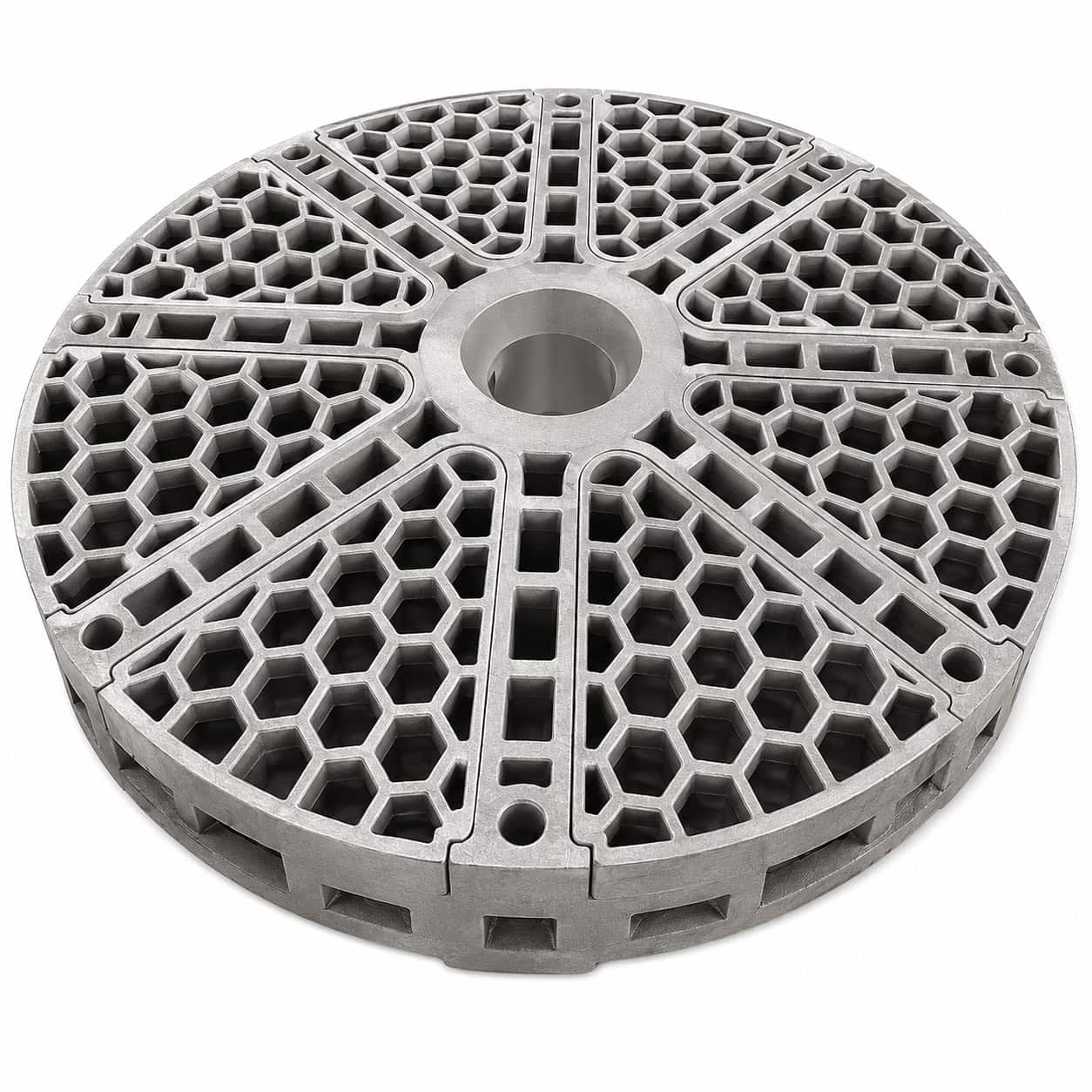
For heat treatment trays, the inspection plan should identify the support surfaces, interfaces and critical dimensions that need to be checked against the drawing.
What an ITP row should contain
Each row should answer: what is checked, when it is checked, who performs or reviews it, which requirement applies, what result is recorded and what happens if it fails. A practical layout contains:
- operation or inspection stage;
- characteristic or document;
- reference drawing, specification or procedure;
- method and sampling;
- acceptance criteria;
- responsibility;
- review, witness or hold-point status;
- record or report number.
Typical stages for a custom casting
1. Contract and drawing review
Confirm the part number, revision, alloy requirement, quantity, critical interfaces and ordered documents. Unresolved conflicts should be closed before tooling or production begins.
2. Incoming and process controls
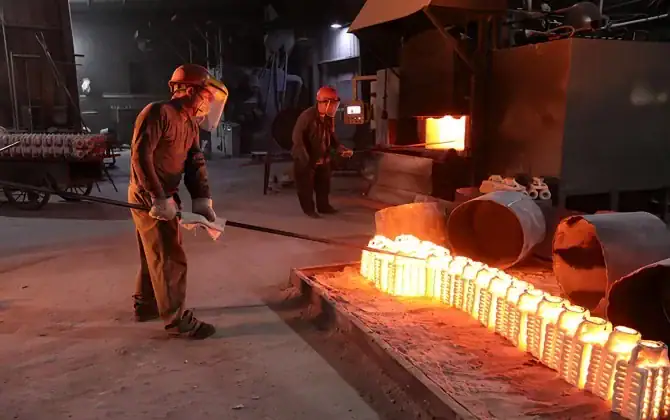
Depending on the production route, the plan may identify raw-material review, pattern or tooling verification, mold or shell checks, melt identification and process parameters. The ITP should not promise records that are not required or retained for the project.
3. Visual and dimensional inspection
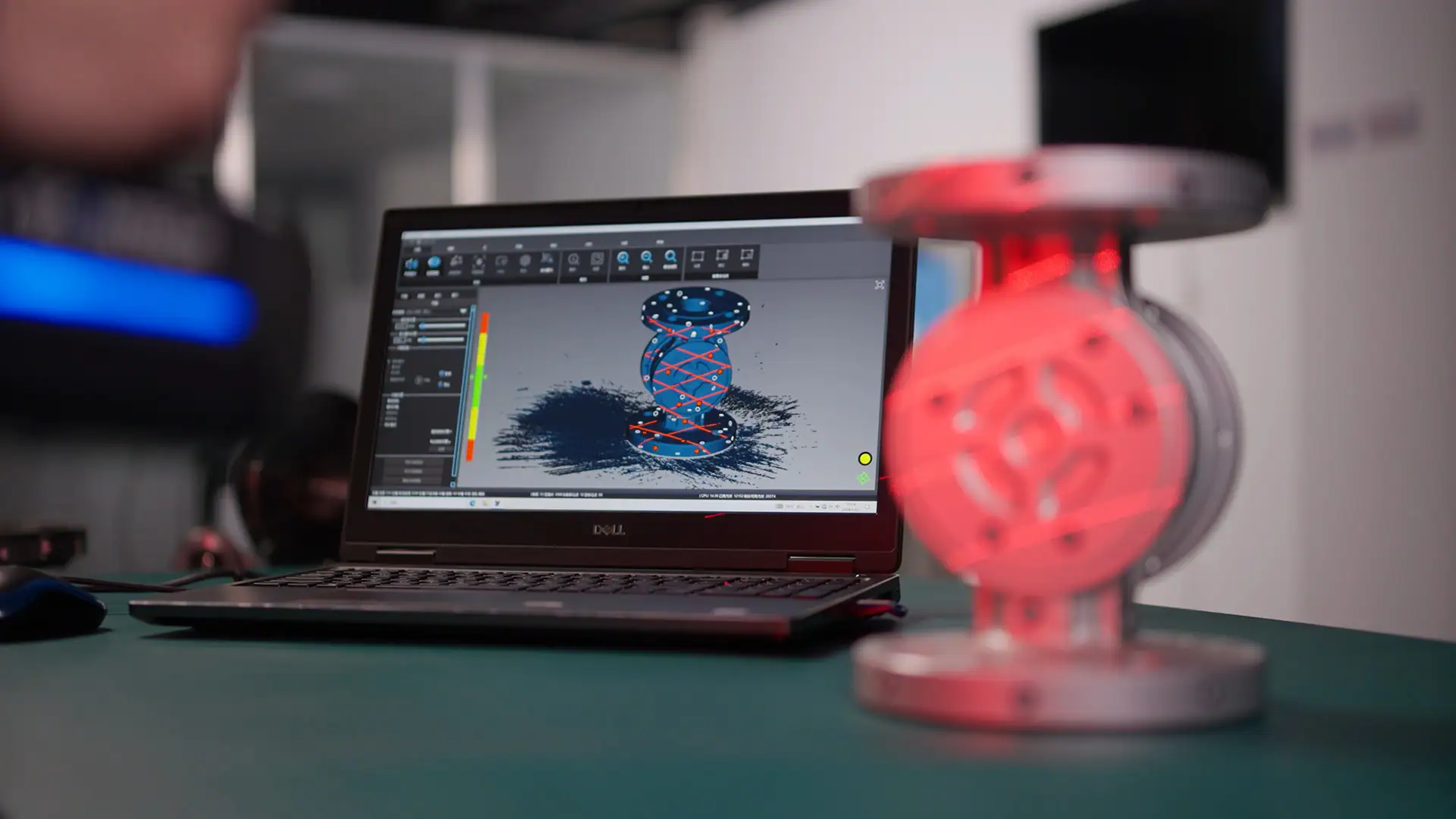
Critical characteristics should be selected by function. Baskets and trays may require usable envelope, flatness, support spacing and stacking interfaces. Fixtures may require datum and locator positions. Radiant tubes may require connection geometry and straightness. Furnace rolls may require journal dimensions, concentricity and runout.
4. Material and NDT evidence
The ITP should state which material results are required and how they relate to the heat or batch. If NDT is ordered, define the method, coverage, timing and acceptance basis. “NDT required” is not enough because surface and volumetric methods do not answer the same question.
5. Final release and document package
Final inspection should confirm quantity, identification, surface condition, critical dimensions, ordered reports and packing. The release record should identify any approved deviation and reinspection.
Sampling must be explicit
Terms such as “random inspection” or “normal sampling” can be interpreted differently. State whether the check applies to every part, the first part, one part per heat, one part per batch or another agreed sample. The sampling level should reflect risk, repeatability and cost.
How an ITP supports international purchasing
A buyer may not be present during production. The ITP establishes which records provide visibility, when the buyer or third party must be notified, and which steps cannot continue without release. It also prevents a late request for a test sample or photograph that can no longer be obtained.
What an ITP does not do
An ITP does not choose the alloy, guarantee service life or replace a controlled drawing. It organizes agreed controls. Furnace atmosphere, thermal cycle, load, support and handling still need to be supplied for engineering review.
ECOOSUN project context
ECOOSUN is the overseas operating brand of Xinghua Hengxin Machinery Co., Ltd. For custom baskets, trays, fixtures, radiant tubes and furnace rolls, the inspection scope is reviewed against the drawing, service conditions and purchase requirements. Available laboratory and inspection capabilities are applied as specified for the project.
Send your ITP template or required inspection list through Contact Us. Also see first article inspection, purchase-order acceptance criteria and manufacturing and quality evidence.
Frequently asked questions
Who prepares the ITP?
The supplier may propose it, the buyer may issue it, or both parties may approve a shared version. The controlled version should be accepted before the relevant work starts.
Is an ITP needed for every small order?
Not necessarily. A concise inspection checklist may be enough for low-risk repeat orders. New, complex or critical parts benefit most from a formal ITP.
Can the ITP be changed during production?
Yes, through controlled revision and agreement. The change should show what was revised and whether completed work must be reviewed again.
Related Quality and Procurement Evidence
Use these guides to define inspection, documentation, traceability and release requirements for custom heat-resistant furnace castings:
- First Article Inspection for Custom Heat-Resistant Steel Castings
- Material Certificates and Quality Documents for Heat-Resistant Castings
- How to Read a Heat-Resistant Casting Inspection Report
- Heat and Batch Traceability for Custom Heat-Resistant Castings
- Witness Points and Hold Points for International Furnace-Part Orders
- Nonconformance, Rework and Corrective Action for Custom Castings
Related ECOOSUN Products
Information for a Faster Quotation
Provide the drawing revision, material standard, critical dimensions and tolerances, required inspection and NDT scope, traceability documents, report format, witness or hold points, and final release requirements.
Request a Custom Quote · Send Your Drawing · WhatsApp ECOOSUN

 +44 7419 144346