x
Send Your Inquiry Today
Quick Quote

How to Evaluate Investment Casting Companies for Heat-Resistant Steel Parts

The best way to compare investment casting companies is not by website claims or the lowest price per kilogram. For heat-resistant furnace parts, evaluate whether the foundry understands your service condition, can control the specified alloy and shell process, can engineer the geometry, and can document first articles, repairs, inspection and traceability.

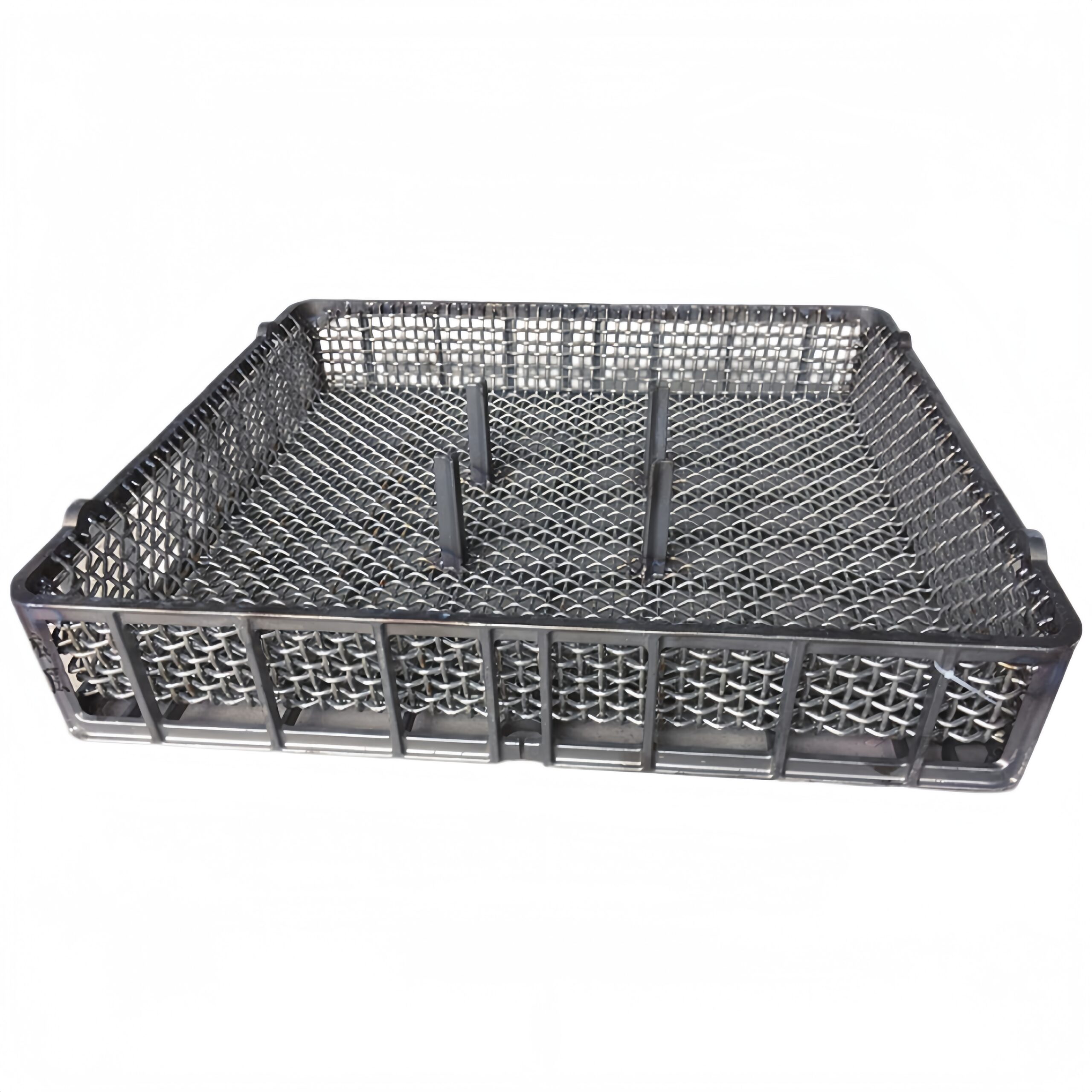
Heat-resistant casting supplier review

Representative heat-resistant furnace components for a supplier capability review.

Start with process fit, not supplier size

A large foundry may be optimized for high-volume small parts. A smaller specialist may understand large open-grid heat-treatment fixtures but lack the machining or NDT your project needs. Supplier scale becomes useful only after process fit is established.

Send a controlled RFQ package and ask each company to explain:

  • whether investment casting is the recommended route;
  • which shell system and production line will be used;
  • how the alloy will be specified and verified;
  • what design changes are required;
  • what first-article and inspection plan is proposed;
  • which operations are in-house and which are outsourced;
  • what is included in tooling and unit prices.

A supplier willing to recommend sand casting, centrifugal casting or fabrication for an unsuitable part may be more credible than one that accepts every drawing without qualification.

1. Check relevant product experience

Ask for experience with comparable geometry and alloy families—not confidential customer names. A foundry that casts decorative stainless hardware may understand wax and shell production but have limited experience with high-nickel furnace grids, creep-loaded fixtures or heavy rib junctions.

Relevant evidence includes:

  • open-grid or lattice castings;
  • heat-resistant steel melting;
  • large wax-pattern support;
  • dimensional control after heat treatment;
  • furnace-part machining or assembly;
  • documented first-article qualification;
  • repeat production and replacement-part reverse engineering.

Photos are supporting evidence, not proof of capability. Ask what the visible part is, which process made it and what inspection was performed.

2. Review engineering response quality

Good investment casting companies return questions. They identify ambiguous alloy callouts, heavy nodes, thin remote sections, inaccessible machining, over-tight tolerances and missing service data.

The engineering review should separate:

  • casting envelope from finished dimensions;
  • as-cast and machined surfaces;
  • functional and cosmetic dimensions;
  • part requirements and assembly requirements;
  • manufacturing distortion and service distortion;
  • acceptance criteria and aspirational language.

Furnace fixture engineering review

Engineering review of a furnace-fixture model before production.

If a complex quotation arrives instantly with no questions about load, support, cycle or inspection, confirm what assumptions were made.

3. Verify alloy and melting control

High-alloy furnace parts are sensitive to grade mix-up and chemistry variation. Ask how charge materials are identified, how heats are analyzed, how adjustments are controlled and how the heat number follows parts through heat treatment, machining and shipment.

Important distinction: a customer may specify a wrought grade by habit, while the component is cast. The supplier should identify the appropriate casting standard or request an agreed chemical and performance specification. Quietly treating wrought and cast names as interchangeable is a warning sign.

For high-temperature service, request evidence relevant to oxidation, carburization, thermal cycling and creep. A room-temperature tensile certificate alone does not prove long-term furnace performance.

4. Understand the shell system

If the project requires silica-sol investment casting, ask the company to state the proposed shell route rather than accepting “precision casting” as sufficient. Review wax control, face-coat/refractory approach, drying environment, dewaxing, firing and shell inspection at a level appropriate to the project.

You do not need every proprietary recipe. You do need confidence that the process is defined, monitored and suitable for your alloy and geometry.

5. Evaluate tooling and first articles

Clarify:

  • tooling material and configuration;
  • customer ownership;
  • expected life and maintenance;
  • storage and revision control;
  • included sample quantity;
  • dimensional and material reports;
  • approval process before volume production.

First-article approval should verify the combined route—not only wax dimensions. Casting, heat treatment, machining and inspection can all change the final result.

6. Match inspection to risk

At minimum, discuss chemistry, traceability, visual acceptance and critical dimensions. Additional NDT depends on specification, geometry and consequence of failure.

Part featureUseful review focus
Open gridoverall flatness, cell accumulation, cracks at junctions
Dense hub or bossfeeding, shrinkage risk, machining stock and NDT access
Lifting lugload path, transition radius and surface indications
Machined boredatum, stock, internal soundness and final gauge
Welded attachmentprocedure, filler, distortion and inspection

Ask which repairs are routine, which require customer approval and how repaired zones are reinspected.

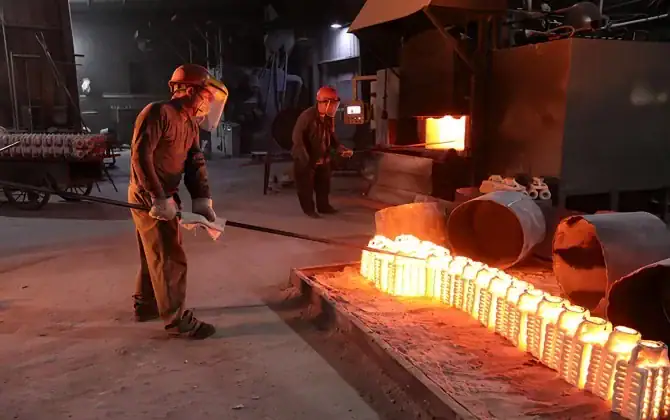
Casting quality inspection

Inspection and documentation control are central to supplier qualification.

7. Assess machining and assembly capability

Machining can be in-house or managed through a qualified partner. The key is responsibility. Confirm who owns datum planning, fixtures, inspection, nonconformity handling and final delivery.

For baskets and fixtures, assembly checks may include stacking, locating, rod fit or interface gauges. A finished component that meets isolated dimensions can still fail to assemble if the datum scheme is wrong.

8. Examine capacity and delivery realistically

Capacity should be discussed by relevant bottleneck: tool build, wax injection, shell-room space, drying time, melting furnace, heat treatment, machining or inspection. A total annual tonnage does not reveal whether your large grid fits the line.

Ask for:

  • first-article lead time;
  • repeat-order lead time;
  • minimum practical batch;
  • peak-load plan;
  • packaging and export experience;
  • response plan for nonconforming first articles.

Quotation comparison scorecard

CategoryWeight for a critical furnace partEvidence to request
Process and geometry fit20%marked drawing and manufacturing proposal
Alloy and traceability20%standard, heat analysis and traceability flow
Shell/process control15%proposed route and control summary
First article and quality15%inspection plan and approval deliverables
High-temperature application understanding10%questions about temperature, load, atmosphere and cycle
Tooling and revision control5%ownership, life, storage and change procedure
Delivery and capacity5%realistic line-specific schedule
Total delivered cost10%separated tooling, casting, machining, inspection and freight

Change the weights to match failure consequence. For a non-critical simple bracket, cost and delivery may matter more. For a heavily loaded furnace fixture, alloy, design and traceability should dominate.

Red flags

  • no questions about service temperature, atmosphere or load;
  • “all stainless grades are the same” language;
  • a wrought grade accepted as a cast standard without clarification;
  • guaranteed tolerances before reviewing the model;
  • no defined first-article gate;
  • undocumented weld repair;
  • unclear control of outsourced machining or heat treatment;
  • refusal to identify what is included in the price;
  • product photos with another company's watermark;
  • claims of zero defects or unlimited service life.

Use a controlled trial order

For a new supplier or high-risk component, separate qualification from volume production. A controlled trial can include tooling review, wax or pattern inspection where useful, first casting, agreed heat treatment, machining, dimensional report, material certificate and specified NDT.

The review should answer three questions:

  1. Does the part meet the drawing and agreed acceptance criteria?
  2. Can the supplier explain and reproduce the manufacturing route?
  3. Does the component assemble and perform in the buyer's application?

Do not release a large order solely because one visually good sample arrived. Confirm that the sample represents the intended production process and heat. Conversely, avoid changing several design, alloy and supplier variables at once; otherwise service feedback cannot identify which change improved or harmed performance.

Compare commercial terms beyond unit price

For export orders, clarify currency, validity, Incoterm, packaging, documentation, banking cost and responsibility for destination charges. Tooling payment and ownership should be separate from casting price. Define whether quotations include heat treatment, machining, NDT, material certificates, export packing and inland delivery to the named FOB port.

Also ask how metal-price fluctuations are handled for nickel-bearing alloys. A transparent alloy-surcharge or validity mechanism is easier to manage than an unexplained price revision after order placement.

Finally, agree on nonconformity handling: notification timing, evidence, sorting, rework approval, replacement and freight responsibility. These terms reveal how a supplier behaves when production is imperfect—which is often more important than a flawless sales presentation.

Build a comparable RFQ

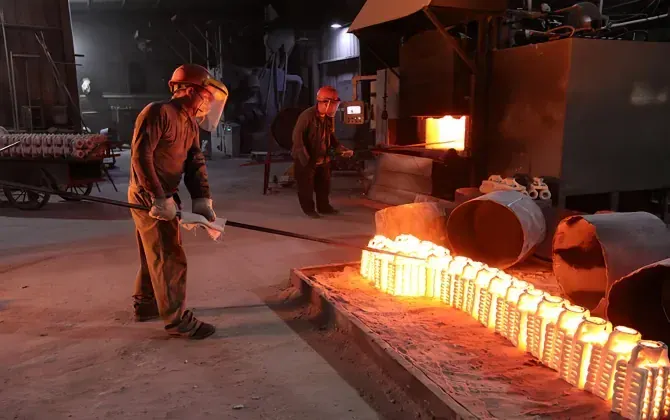
Furnace rolls prepared for delivery

Finished furnace rolls prepared for shipment. Packaging, identification and documentation remain part of supplier performance.

Every bidder should receive the same revision of:

  1. 2D drawing and 3D model;
  2. material standard and acceptable alternatives process;
  3. quantity, annual demand and batch size;
  4. critical dimensions and machining;
  5. inspection, NDT and documentation;
  6. furnace temperature, atmosphere, load and cycle;
  7. target life and current failure evidence;
  8. packaging, delivery point and Incoterm.

Ask suppliers to list exclusions and assumptions. A low quotation often reflects a different scope, not a more efficient foundry.

Frequently asked questions

Should I choose the lowest-priced investment casting company?

Only after confirming equivalent process, alloy, tooling, machining, inspection, documentation and delivery scope. Unit price without scope is not comparable.

Is an ISO certificate enough?

No. It supports a management system but does not prove capability for your alloy, geometry or furnace duty.

Do I need to visit the factory?

A visit can help for strategic or high-risk projects. Before visiting, review drawings, process flow, sample evidence and quality documents so the audit focuses on real risks.

What should a first-article report contain?

At minimum, agreed material verification, critical dimensions, visual acceptance and any specified NDT or mechanical tests, linked to the approved drawing revision.

Can one company supply casting and machining?

Yes, directly or through controlled partners. Confirm who owns final quality, datum planning, inspection and nonconformity resolution.

Evaluate ECOOSUN for your project

ECOOSUN focuses on heat-resistant alloy baskets, trays, fixtures and furnace components. Send a drawing, alloy requirement, quantity and operating conditions through the contact page for a manufacturability and quotation review. We recommend evaluating our proposal against the same engineering, traceability and quality criteria described above.

Related reading: Investment Casting, Investment Casting Process and Silica Sol Investment Casting.

Technical note: Supplier qualification must reflect the actual alloy, component risk, governing specification and buyer quality system.

Questions to Ask a Silica Sol Casting Supplier

When screening suppliers for Silica Sol Investment Casting, send the drawing, alloy specification, annual demand, critical dimensions and intended inspection standard instead of requesting a price from a photograph alone.

A capable Silica Sol Investment Casting supplier should explain the proposed tooling, wax-pattern control, shell building, melting, heat treatment, finishing and verification route for the specific part.

Heat Treatment Fixtures & Furnace Components

Custom heat-resistant alloy baskets, trays, fixtures, radiant tubes, furnace rolls and replacement parts for furnace manufacturers and heat treaters.
Scroll to Top