
Investment Casting Parts for Furnace and Industrial Use
Investment casting parts are custom metal components made from an expendable pattern and ceramic shell. Buyers use the route for complex industrial shapes, integrated features and furnace hardware when a drawing-led casting review is appropriate. This page groups part types by application and gives the information needed to compare a custom investment cast component with other routes.
Part families at a glance
| Part family | Typical buyer question | Drawing information |
|---|---|---|
| Fixtures and baskets | How will the part support, carry or separate loads? | Load direction, support and clearances |
| Tubes and rolls | Is the geometry cylindrical or rotation-related? | Wall, bore, straightness and end details |
| Impellers | Which surfaces, balance features and fits are functional? | Hub, blade, bore and machining datums |
| Furnace internals | What atmosphere, temperature and cycle apply? | Service condition and replacement history |
| Custom components | Which features justify a cast route? | 2D drawing, 3D model and critical notes |
Furnace component gallery
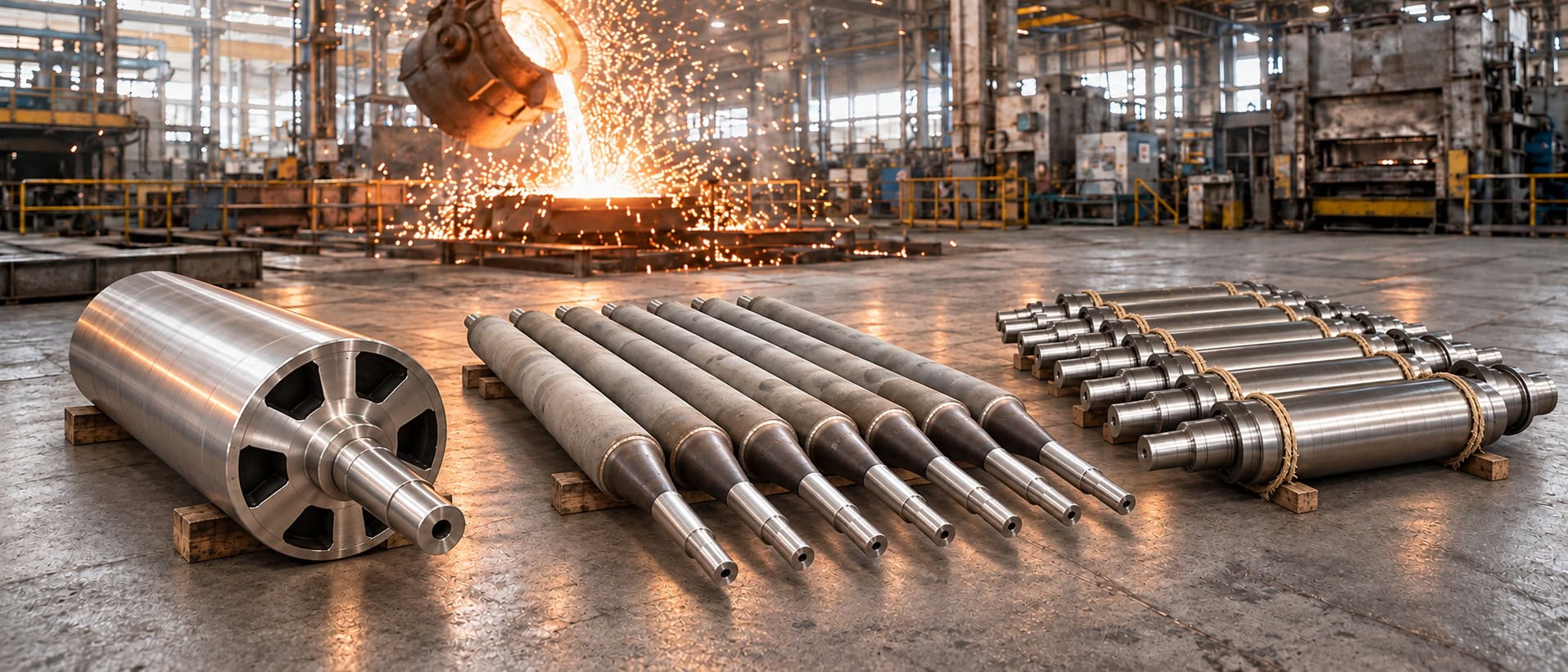
The photographed rolls show visible product geometry; the image alone does not prove a centrifugal, investment or other casting route.
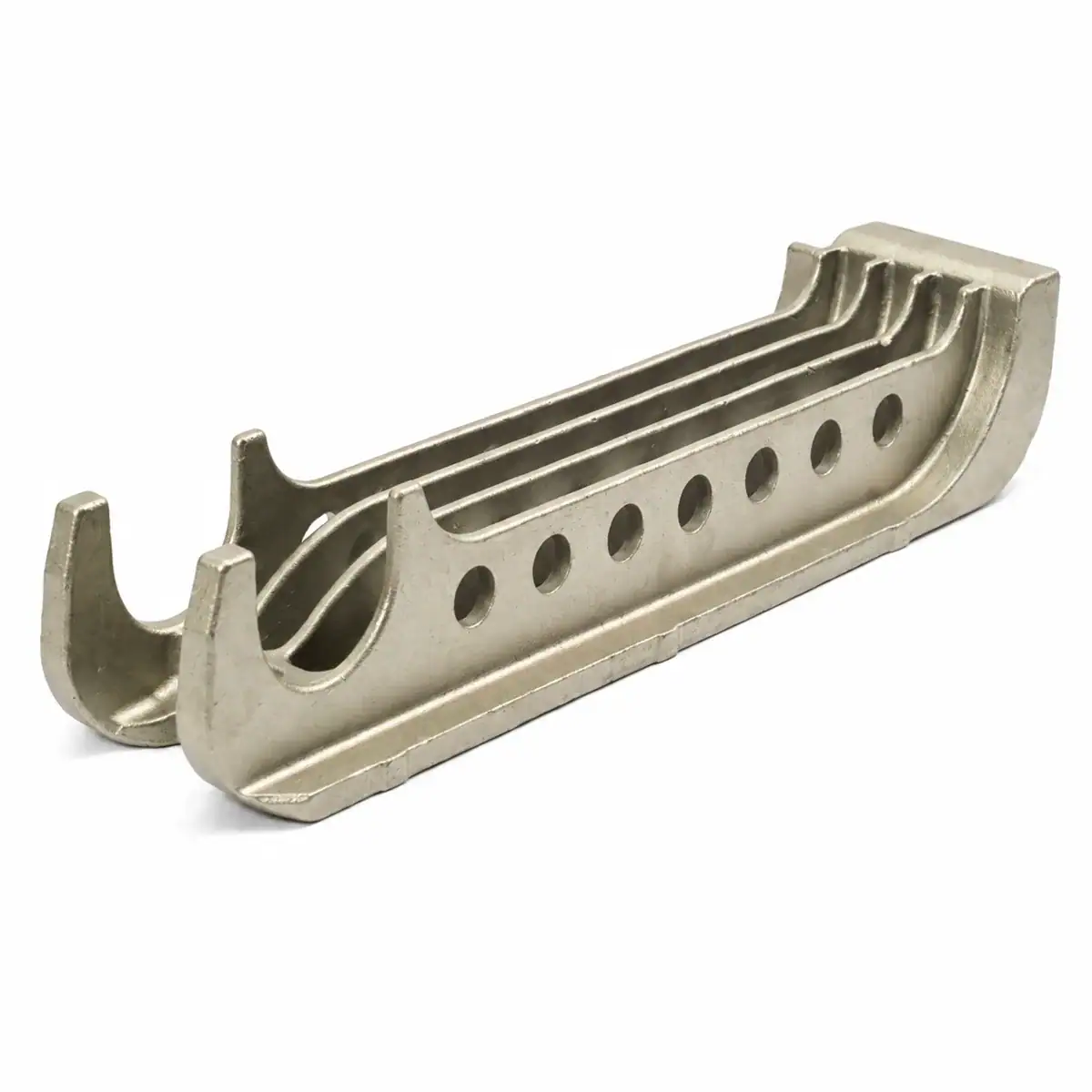
The tube assemblies are shown as product context; alloy, process and service rating require controlled records.
Classify the part by operating environment
Before selecting a route, classify the component by atmosphere, temperature, thermal cycle, mechanical load, contact, abrasion, corrosion and cleaning conditions. A heat-treatment basket may need different design questions from a radiant tube or furnace roll even when both are made from heat-resistant metal. Use the existing heat-treatment baskets and custom furnace fixtures pages for product-specific context.
Design-for-manufacture notes
- Mark functional datums, critical dimensions and surfaces that will be machined.
- Identify holes, passages, ribs, radii, heavy junctions and cleaning access.
- Show where gates, supports, parting or cut-off marks are unacceptable.
- State quantity, prototype status, recurring demand and packaging needs.
- Compare investment, sand, centrifugal or fabricated routes against the drawing.
Route and finishing options
Industrial investment cast parts may be discussed alongside lost wax, sand or centrifugal alternatives. The route depends on geometry, size, wall sections, quantity, surface requirements, machining plan and service condition. The lost-wax route explains the disposable-pattern sequence; it should not be presented as proof that every gallery item used that process.
Finishing questions may include cut-off, cleaning, heat treatment, machining, straightening, joining or repair. Inspection and documentation must be defined by the drawing, purchase order and agreed acceptance criteria.
What to include in a sample RFQ
| RFQ field | Example of useful information |
|---|---|
| Part identity | Part number, revision and annual/batch quantity |
| Material | Grade if specified, or atmosphere and temperature if selection is open |
| Geometry | 2D drawing, 3D model, datums and critical features |
| Service | Load, supports, thermal cycle, gases, residues and cleaning |
| Quality | Inspection points, documents, packaging and traceability needs |
Investment casting parts FAQ
What are investment cast parts used for?
They are used for custom industrial components where complex geometry, integrated features or reduced assembly may justify an expendable-pattern route. The actual suitability depends on the drawing and service condition.
Can I quote from a photograph alone?
A photograph is useful for preliminary context but not for a controlled quotation. Send the latest drawing, model, material or service condition, quantity and acceptance requirements.
Are all custom investment casting parts near-net shape?
Near-net shape is a design objective, not a blanket result. Functional faces, fits, holes and datums may need machining or additional finishing.
Which information is most important for furnace parts?
Atmosphere, temperature range, thermal cycle, load, supports, contact conditions, cleaning practice, quantity and critical dimensions are usually more useful than a product name alone.
RFQ for custom investment cast components
Send your drawing and model, part family, requested alloy or service environment, quantity, critical features, machining and surface needs, inspection plan, documentation and delivery information. Ask for the proposed route and all project-specific assumptions in writing before approval.
Manufacturing and Product Evidence


For a project review, send your drawing, sample photos, furnace conditions, quantity and inspection requirements through our Contact Us page.


 +44 7419 144346