
Direct answer
Choose a heat-resistant steel casting by reviewing the furnace atmosphere, thermal cycle, load, part geometry, support or connection details and required inspection scope together. Start with a drawing or worn sample and document the failure history. The correct casting route and material should be confirmed after the application is understood; a component name or an assumed temperature limit is not enough.
The seven questions to answer first
- What does the part do? Is it carrying, locating, supporting, heating or conveying workpieces?
- Where is it installed? Record the furnace type, clearance, supports, burner arrangement, conveyor and adjacent components.
- What is the load path? Describe workpiece weight, batch arrangement, contact points, lifting method or conveying direction.
- What is the operating environment? Provide the confirmed atmosphere and thermal-cycle information that can be shared.
- What geometry is critical? Mark dimensions, tolerances, locating surfaces, connection features and machined areas.
- How did the original part fail? Record deformation, cracking, wear, oxidation, runout, sticking or interference.
- What must be inspected? State dimensional, visual, material or mechanical documentation requirements.
Match the review to the component
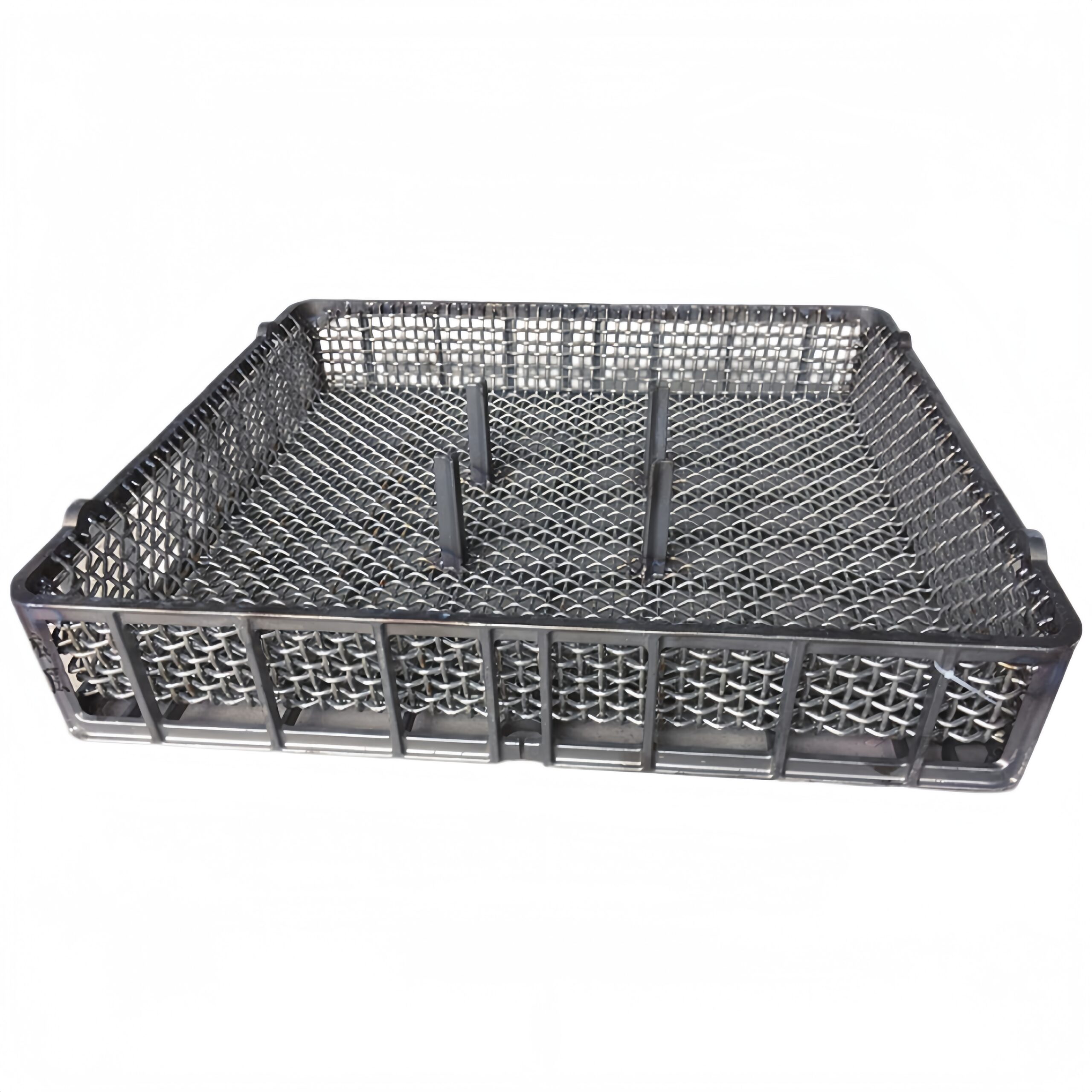
Baskets, trays and fixtures
For baskets and trays, focus on loading, lifting, support and workpiece contact. For fixtures, focus on locating points, repeatable orientation and clearance around the workpiece. If a current component has deformed, record the installed condition before straightening or modifying it.
Radiant tubes
Review the tube ends, bends, supports, burner arrangement, furnace position and failure location. A replacement tube that matches only the overall length may still have the wrong connection or support geometry.
Furnace rolls
Review roll diameter and length, end or shaft details, drive and support interfaces, supported load, contact pattern and runout history. The replacement should be checked against the conveying layout, not only against a photograph of the roll body.
The Heat Treatment Furnace Parts Guide connects these component-specific checks into one replacement workflow.
How the casting route is selected
The proposed route should reflect the part’s shape, quantity, surface and machining requirements. A supplier may review sand casting, investment casting, lost-foam casting, centrifugal casting or a combination of casting and machining when appropriate. The final route should be confirmed for the specific geometry and project scope.
The buyer should ask what information the supplier used to make the decision and which inspection points will verify the finished part. This produces a more useful technical conversation than asking for a generic “high-temperature material.”
What to send to ECOOSUN
Send a drawing, CAD file or worn sample; overall and critical dimensions; furnace type and layout information; load and workpiece arrangement; atmosphere and thermal cycle; failure photographs; required quantity; delivery requirements; and requested inspection documentation. ECOOSUN can review the available inputs, clarify missing information and assess casting and inspection requirements before a project-specific quotation.
Start through Contact ECOOSUN or review the company’s heat-resistant steel casting capability.
Frequently asked questions
Should I choose the material grade first?
Not unless the grade is already confirmed by the equipment or process owner. Application conditions and inspection requirements should be reviewed before the project-specific material and route are confirmed.
Is a higher-temperature claim always better?
No. The part must fit the complete application, including atmosphere, thermal cycle, load, geometry and interfaces. A single temperature number does not describe the whole replacement requirement.
What makes a supplier review credible?
A credible review connects the drawing or sample to the furnace application, explains the required inputs and defines how fit and inspection will be checked.
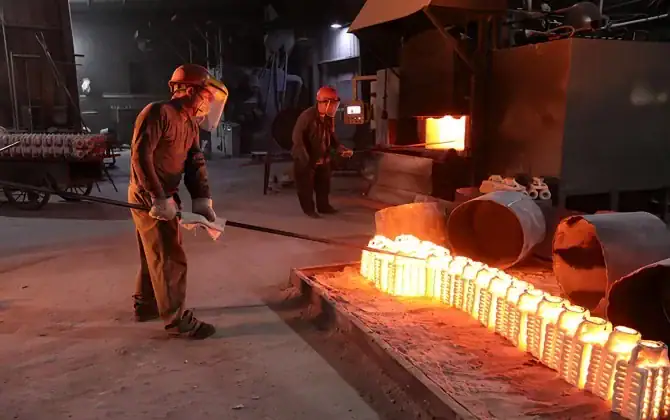
Production context: The component reference should be read together with the manufacturing and inspection context behind the furnace application.


 +44 7419 144346