
Direct answer
A furnace roll replacement RFQ should include the roll drawing or worn sample, overall roll dimensions, shaft and drive interfaces, support locations, surface condition, runout history, conveyed load, furnace atmosphere, thermal-cycle information and inspection requirements. Photos of wear, cracking, distortion and contact areas help the supplier understand the current condition. The replacement should be reviewed as part of the conveying and furnace system rather than selected by diameter and length alone.
Buyer decision point
| Input to confirm | Why it matters |
|---|---|
| Drawing or used sample | Defines the geometry and replacement reference. |
| Furnace interface and clearance | Confirms fit, handling and movement inside the furnace. |
| Load and operating cycle | Supports review of loading, thermal expansion and service conditions. |
| Failure record and inspection requirement | Connects the replacement scope to the observed problem and acceptance check. |
Roll geometry and interfaces
Identify the roll body, shaft ends, drive features, bearings, collars, keyways, flanges and other critical interfaces. Mark dimensions that control installation, alignment and connection. Include the drawing revision and equipment model if available.
Measure or record surface wear, grooves, cracking, deposits, distortion and runout. Photograph the roll in the installed orientation when safe, including the drive side, support side and areas that contact the workpiece or conveyor.
Load, conveying and alignment
Describe the conveyed workpiece, support arrangement, load pattern, conveying speed where confirmed and any changes in the line. Record whether the roll is driven, idle or linked to another roll. Include alignment, bearing and support information that may affect the failure review.
Runout or poor tracking can involve the roll, shaft, bearing, support, installation or line alignment. The RFQ should provide the available evidence instead of assuming that the roll alone is the cause.
Furnace conditions and failure history
Provide the furnace type, installation zone, atmosphere and thermal-cycle information. State whether the roll operates through repeated start-up and shutdown cycles. Record when wear, cracking, runout or surface damage was first noticed and whether maintenance or process changes occurred before it.
Use confirmed operating information. Do not insert an unverified temperature limit, life expectation, capacity or material grade into a public article or quotation request.
Inspection and replacement decision
State the critical dimensions, shaft interfaces, surface checks, runout checks and other agreed inspection items. If the buyer wants a replacement to reproduce an approved drawing, identify that requirement. If the line or failure has changed, request a controlled engineering review before finalizing the geometry.
ECOOSUN manufactures custom furnace rolls for industrial heat-treatment furnace applications and can review drawings, worn samples, line information and inspection requirements. See Furnace Rolls or contact ECOOSUN.
Frequently asked questions
Is roll diameter and length enough for a quote?
No. Shaft and drive interfaces, supports, surface condition, load, alignment and furnace conditions can be equally important.
What should I do if the roll has runout?
Record the runout, installation position, support and bearing condition where possible. Do not assume that the roll is the only source before the system is reviewed.
Can a worn roll be used as the replacement reference?
Yes, as one source of information. Combine the worn sample with the drawing, measurements, line interfaces and operating history so wear is not copied as intentional geometry.
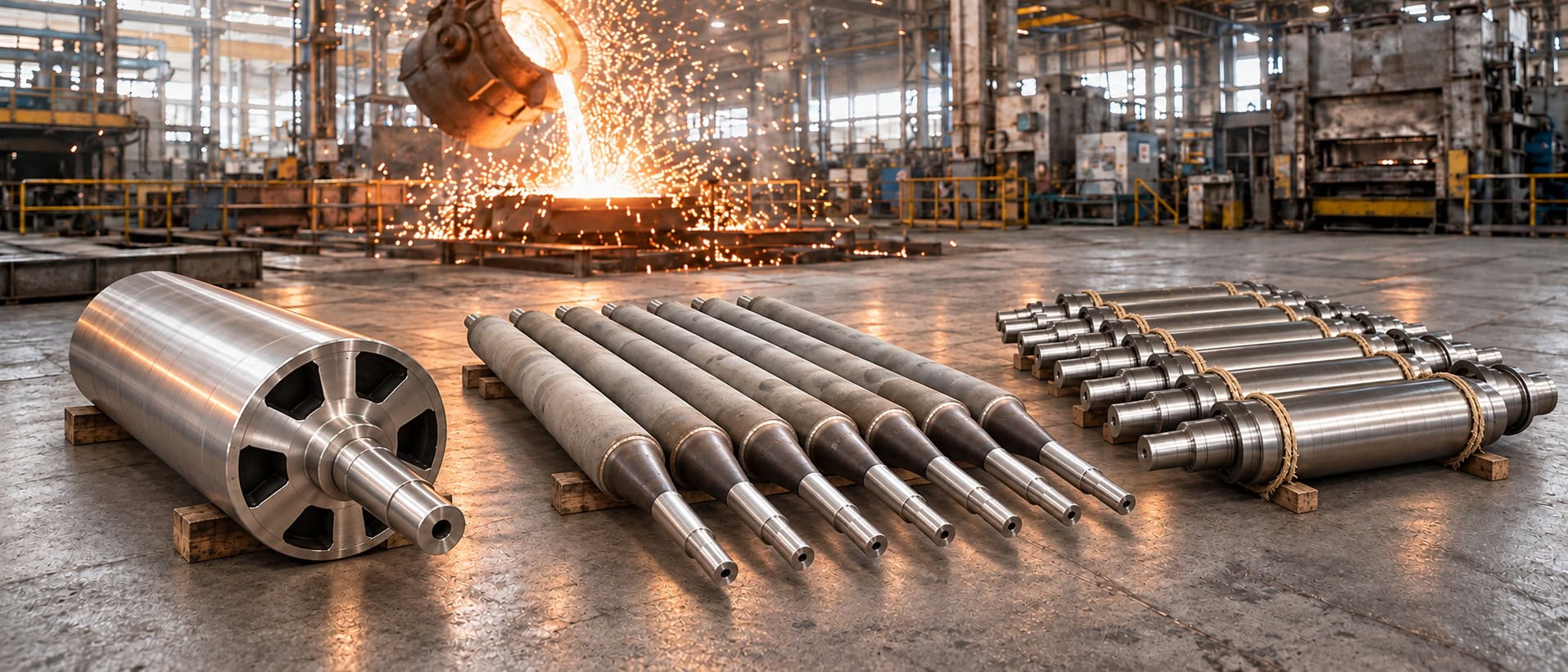
Production context: The component reference should be read together with the manufacturing and inspection context behind the furnace application.

RFQ information checklist
For a useful first review, send the drawing or used sample, key dimensions, furnace type, load, operating cycle, visible failure evidence and any required inspection points. Final material and acceptance decisions are confirmed for the specific project.
Related Furnace Roll Resources
Use these technical guides when specifying, inspecting or replacing furnace rolls for an industrial furnace:
- Furnace Rolls: Material, Runout and Replacement Criteria
- Furnace Roll Replacement: Diameter, Length, Load and Runout
- Why Furnace Rolls Deform and How to Improve Service Life
- Furnace Roll Installation and Alignment Inspection Checklist
- Furnace Roll Replacement and Inspection Guide
Related ECOOSUN Products
Information for a Faster Quotation
Provide alloy grade or service conditions, roll dimensions, load, span, speed, allowable runout, atmosphere, temperature, shaft and drive details, cooling requirements, drawing or used sample, and inspection requirements.
Request a Custom Quote · Send Your Drawing · WhatsApp ECOOSUN

 +44 7419 144346