
Direct answer
Investigate thermal-cycling failure by linking the damage pattern to start-up and shutdown history, restraint, supports, connections, geometry, and the actual furnace environment. Record where cracks or distortion began, whether similar parts show the same pattern, and whether the installation changed. Thermal cycling may contribute to failure, but contact, concentrated load, poor clearance, handling, or a pre-existing defect can produce overlapping symptoms. Preserve the sample before drawing a final conclusion.
Reconstruct the cycle history
Record the sequence of normal cycles, interruptions, emergency stops, maintenance, and any recent process change available to the team. Exact values should come from the site record; do not replace missing history with a general assumption. Note when the symptom was first seen and whether it appeared after a particular event.
Examine restraint and interfaces
Map the damage against supports, bends, shafts, rails, joints, workpiece contacts, or neighboring components. Look for fresh rub marks, tight connections, blocked movement, and uneven support. Thermal movement is a system issue: the part, its supports, and surrounding equipment should be considered together.
Decide what to inspect next
The next step may be dimensional measurement, surface examination, sample analysis, installation review, or comparison with an unaffected part. Define the question first and keep the result tied to the agreed inspection method. A supplier can help prioritize evidence, but should not guarantee a mechanism before reviewing the sample.
How ECOOSUN can help
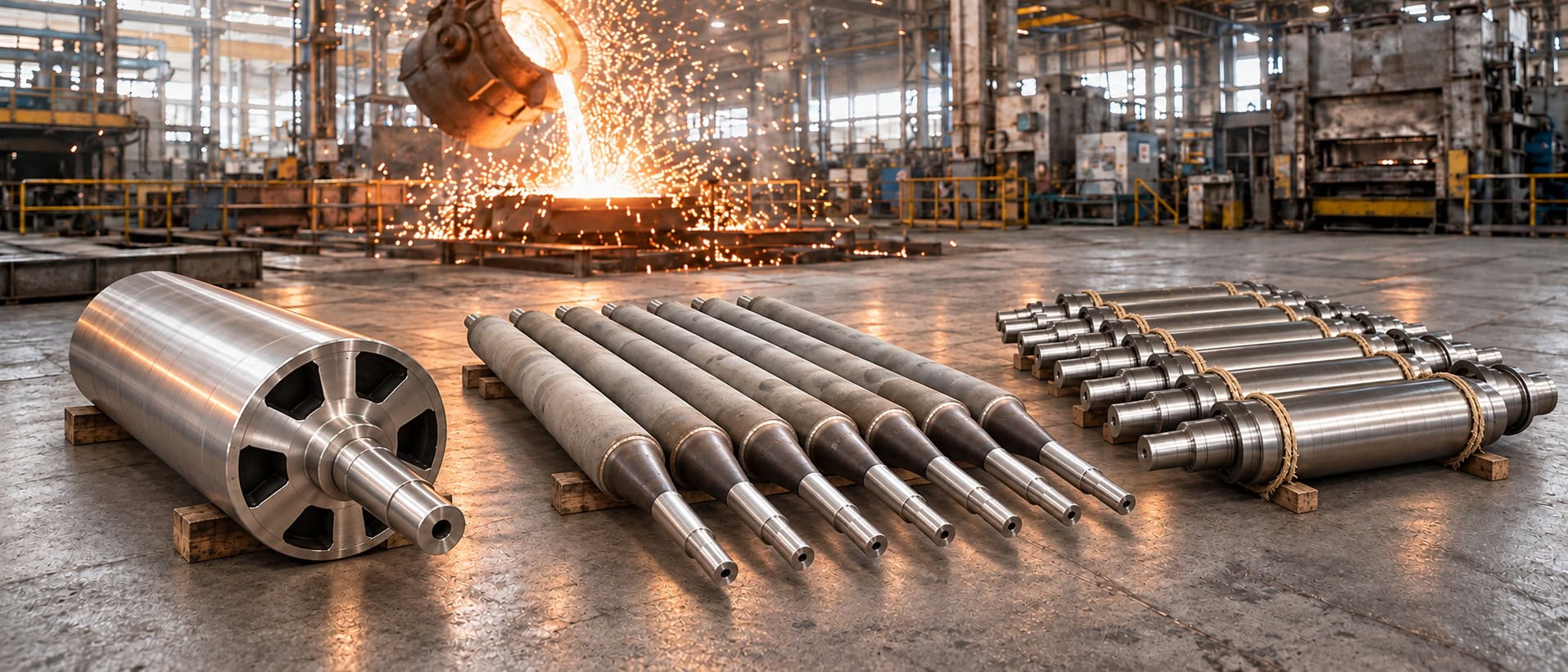
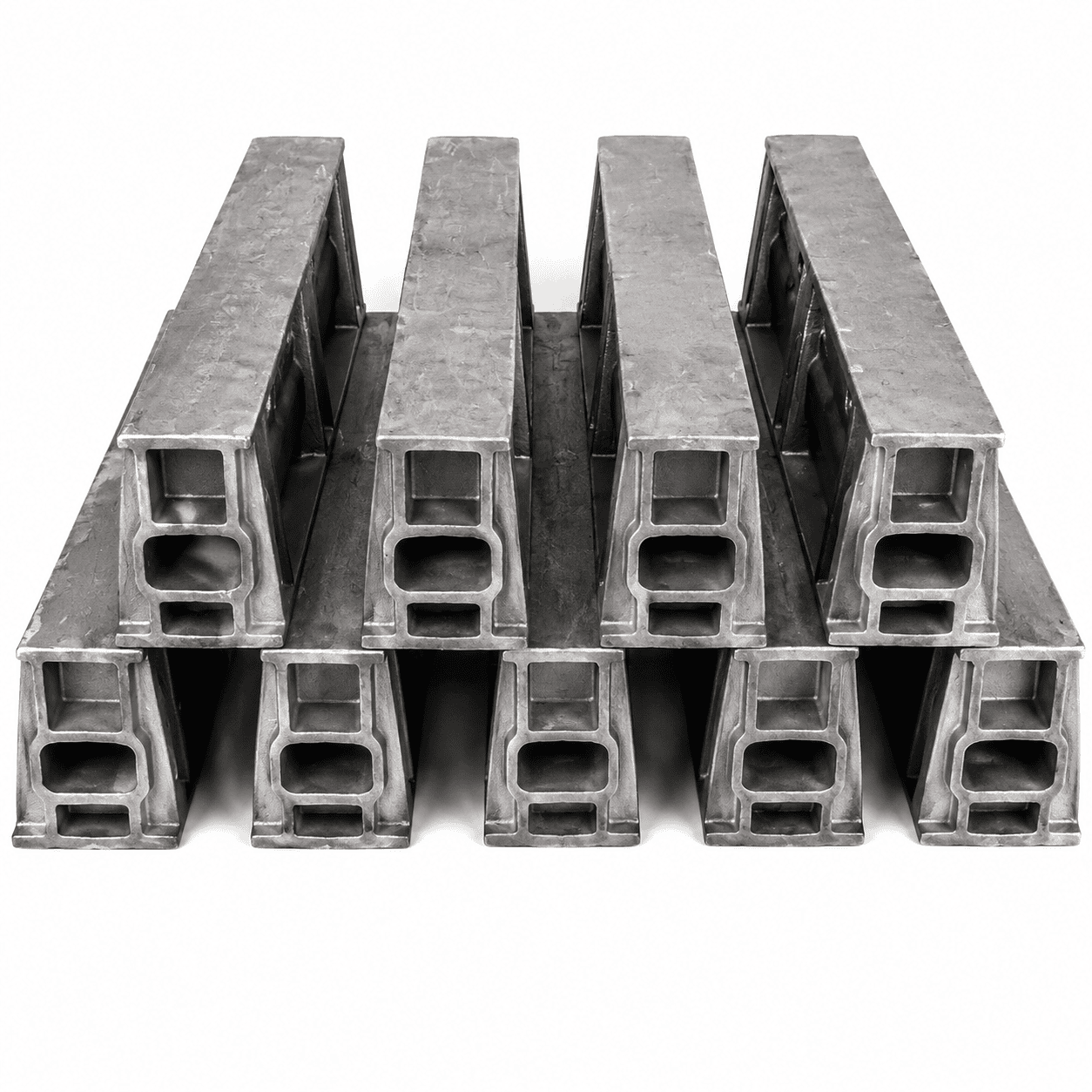
ECOOSUN can review drawings, failed samples, operating history, engineering requirements, and inspection requirements for custom cast furnace parts. Start with Furnace Rolls or send the evidence via contact-us.
FAQ
What should a buyer confirm for a heat-resistant alloy part requirement?
Confirm the drawing or used sample, key dimensions and interfaces, furnace type and clearance, load, operating cycle, failure evidence and inspection requirements. Final acceptance criteria should be agreed for the specific project.
Can ECOOSUN review a custom heat-resistant alloy part requirement?
Yes. ECOOSUN can review a customer drawing or used sample and discuss casting, laboratory and inspection requirements for a custom furnace-component project. Suitability and final scope are confirmed from the supplied information.

 +44 7419 144346