
Direct answer
The most reliable furnace-part failure analysis uses several evidence types together: an intact or labeled failed sample, clear photographs, measurements from defined datums, the current drawing, installation records, operating history, and previous inspection or repair records. No single photograph or symptom usually proves the cause. Evidence becomes stronger when the part’s orientation, timing, location, and relationship to supports, loads, connections, and neighboring components are clear.
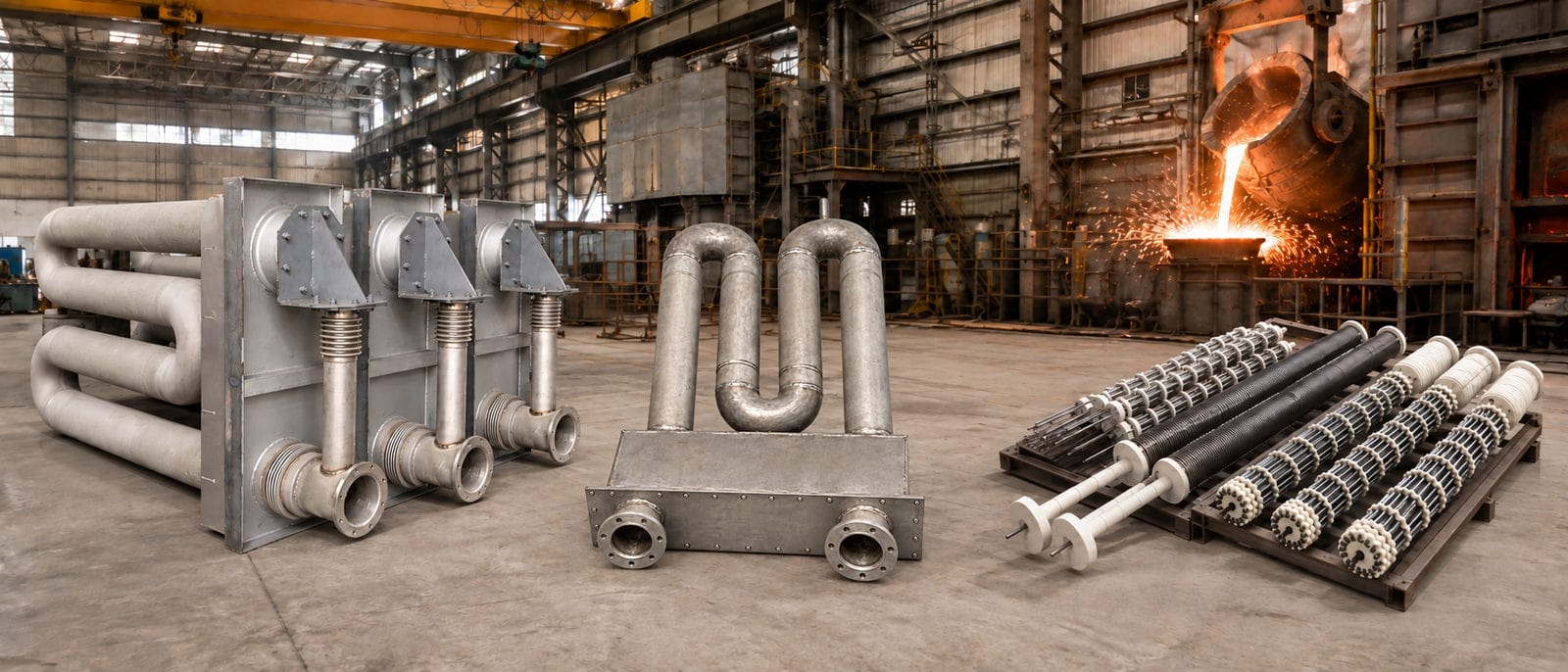
Evidence hierarchy in practice
The physical sample preserves condition that photographs may miss. Photographs preserve orientation and show the pattern before alteration. Measurements turn visual impressions into comparable records. Drawings describe intended geometry, while installation and operating records describe what the part actually experienced. Inspection reports show which checks were performed and what they found.
These sources answer different questions. A drawing cannot prove the installed support was correct; a worn sample cannot prove its original dimensions; a photo cannot reveal every internal condition. State what each source can and cannot establish.
How to handle conflicting evidence
If the sample, drawing, and installation record disagree, do not quietly choose one. List the conflict, identify the revision and date of each record, and ask which condition was current when the failure occurred. This is particularly important after repairs, line changes, or repeated replacements.
How ECOOSUN can help
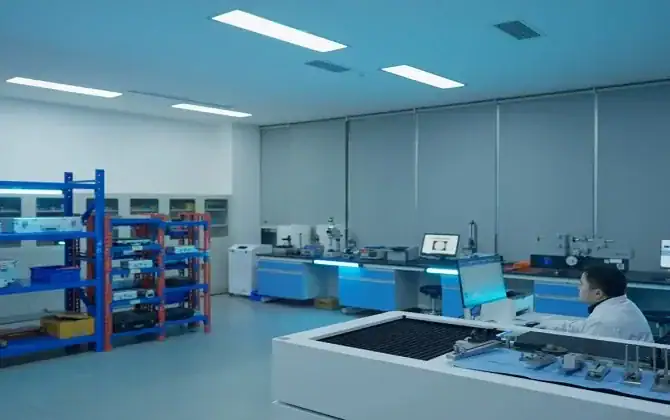
ECOOSUN can review failed samples, drawings, photographs, operating information, engineering requirements, and inspection requirements for custom heat-resistant cast parts. See Radiant Tubes or use contact-us.
FAQ
What makes furnace-part failure evidence more reliable?
Evidence is stronger when the part identity, orientation, measurement method and service history are recorded. Comparable photographs and retained samples help connect the observed damage with the actual installation and duty.
How should an unconfirmed failure explanation be presented?
Label it as a hypothesis and state what evidence would support or contradict it. Avoid presenting an alloy, casting or operating fault as proven when only a photograph or incomplete history is available.
Related Failure Analysis Resources
Document observed damage separately from an unverified cause, and confirm the replacement design against furnace duty.
- Heat-Resistant Casting Failure Analysis Checklist
- How to Document a Failed Heat-Treatment Furnace Part
- Thermal-Cycling Failure Analysis for Heat-Resistant Cast Parts
- Heat-Resistant Casting Defects: Observable Symptoms vs Root Causes
Product families where this guidance may apply
Manufacturing and quality evidence · Official company facts and current catalog
Information for a Faster Quotation
Provide the drawing revision, product family, dimensions, furnace conditions, quantity and required inspection documents. Final design, material and acceptance criteria require project-specific agreement.
Request a Custom Quote · Send Your Drawing · WhatsApp ECOOSUN

 +44 7419 144346