
Direct answer
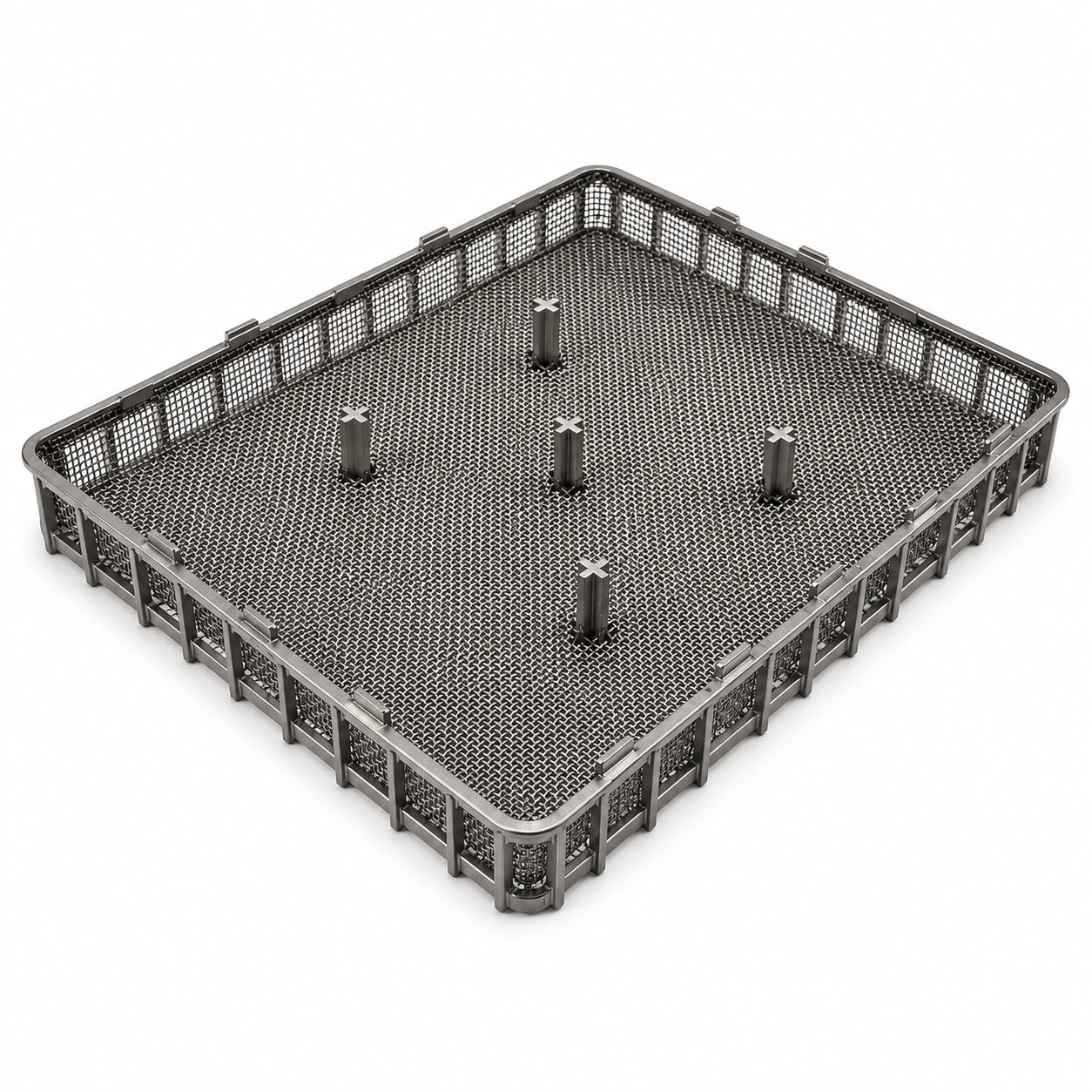
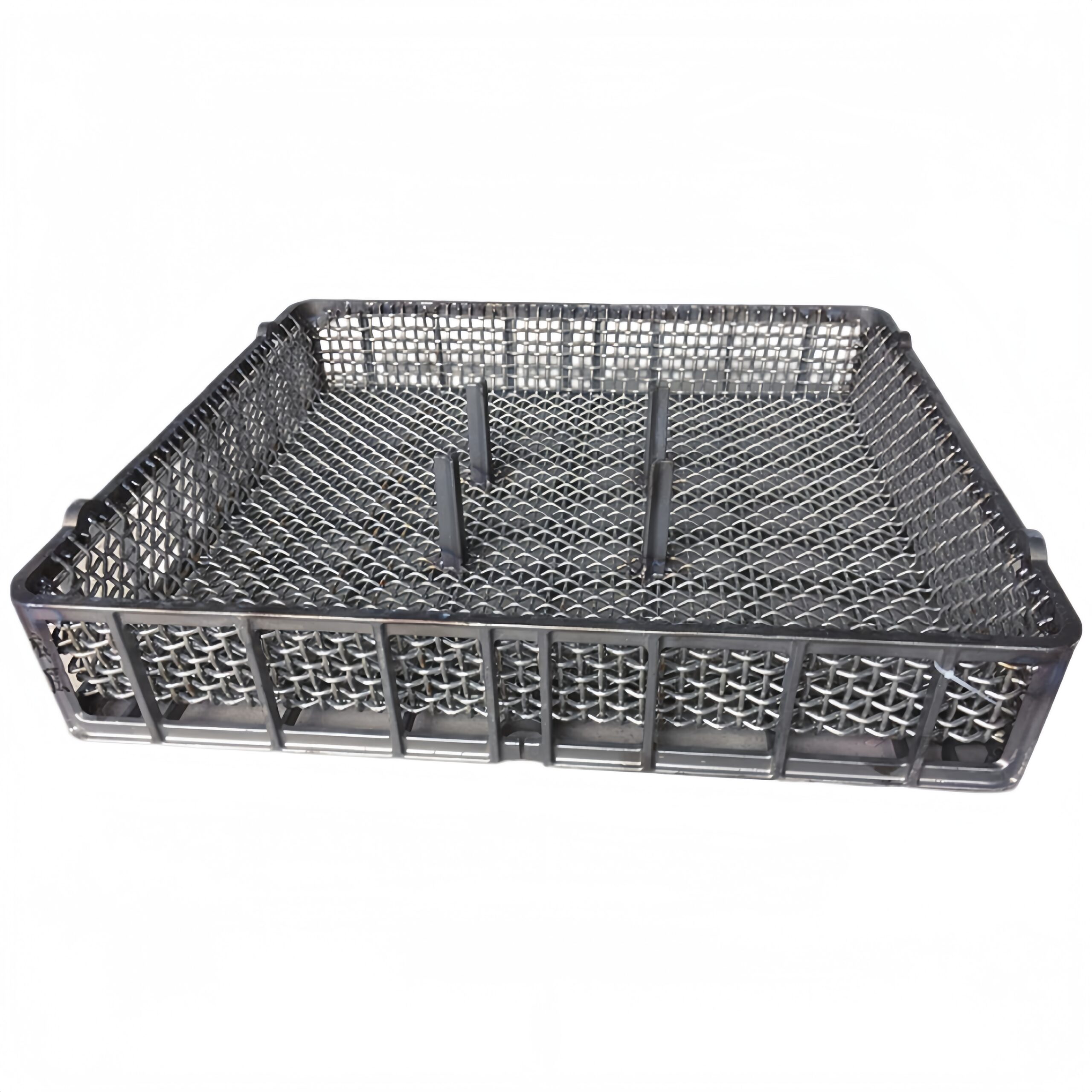
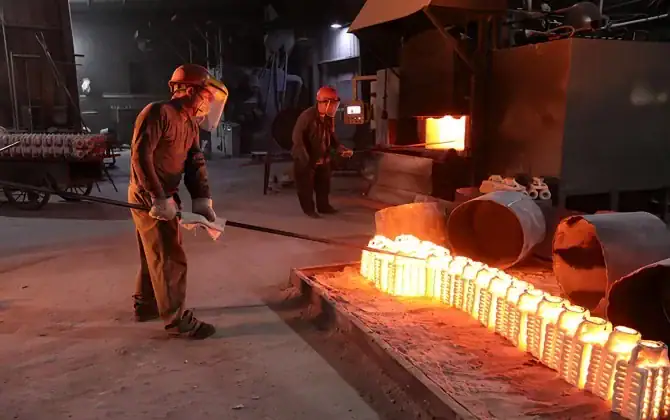
ECOOSUN is a custom heat-resistant cast-part supplier serving heat-treatment factories and industrial heat-treatment furnace manufacturers. Its engineering conversation can begin with a drawing, worn sample, operating information, engineering requirements, and inspection requirements. The work is then connected to the actual furnace component—Heat Treatment Baskets, Heat Treatment Trays, Heat Treatment Fixtures, Radiant Tubes, or Furnace Rolls—so the quotation is based on the part’s use and interfaces rather than a product name alone. The owner has confirmed ECOOSUN’s casting capability, dedicated laboratory, and inspection capability.
1. Start with the application
The first question is what the part must do in the furnace. A basket may carry and lift a batch; a tray may support and transfer a load; a fixture may locate and release a workpiece; a radiant tube may transfer heat indirectly; a furnace roll may support and convey material. These functions lead to different critical interfaces and different evidence requirements.
ECOOSUN’s main customer context is industrial heat treatment: factories running heat-treatment equipment and manufacturers building industrial heat-treatment furnaces. Share the furnace position, handling method, workpiece arrangement, and installation interfaces early in the discussion.
2. Review drawings, samples, and operating evidence
An approved drawing describes intended geometry. A worn sample shows service condition. Operating and maintenance information explains what the part experienced. ECOOSUN can review these inputs together, including photographs and measured dimensions. If the drawing and sample disagree, the difference should be identified and resolved before the replacement reference is frozen.
Do not hide uncertainty. Mark dimensions as confirmed, estimated, worn, distorted, or pending. That makes the next engineering question clear and prevents an old service mark from becoming an accidental design feature.
3. Connect manufacturing to inspection
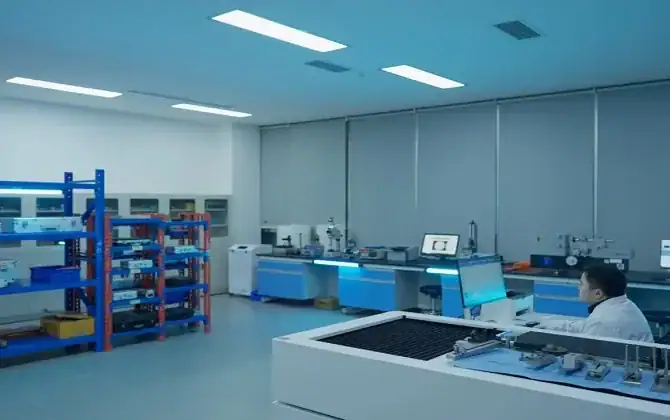
For a custom cast part, the buyer should agree which dimensions and interfaces are critical, what visual condition is acceptable, what inspection records are required, and how deviations will be handled. ECOOSUN’s owner-confirmed laboratory and inspection capability support this evidence-oriented conversation. The exact inspection scope remains application-specific and should follow the approved drawing and buyer-supplier agreement.
4. Send a quote-ready package
Include the current drawing and revision, photographs, sample condition, key dimensions, furnace interfaces, load or support arrangement, failure history, required inspection records, quantity, packaging, and delivery assumptions. Select the relevant product page: Heat Treatment Baskets, Heat Treatment Trays, Heat Treatment Fixtures, Radiant Tubes, or Furnace Rolls. Then send the enquiry through contact-us.
Frequently asked questions
Does ECOOSUN work only from a finished drawing?
No. A drawing is useful, but a worn sample, photographs, measurements, and operating information can also start the review when the reference is incomplete.
Does a product name define the quotation?
No. The furnace interface, workpiece or load, handling method, damage history, and inspection requirements are needed to define the actual request.
Can ECOOSUN confirm every performance value from a website page?
No. Application-specific material, temperature, life, capacity, certification, and performance questions should be confirmed from the approved technical and commercial documents for the specific part.

 +44 7419 144346