
A material certificate for a heat-resistant casting should identify the part or heat, state the applicable material requirement and report the agreed test results. For a custom furnace component, the complete quality document package may also include dimensional inspection, non-destructive testing, heat-treatment records, traceability and a certificate of conformity when these items are specified in the order.
The right package depends on the component, risk and purchase specification. Asking for “all certificates” after production often creates confusion because the supplier may not know which tests, sampling rules or acceptance criteria the buyer expected.
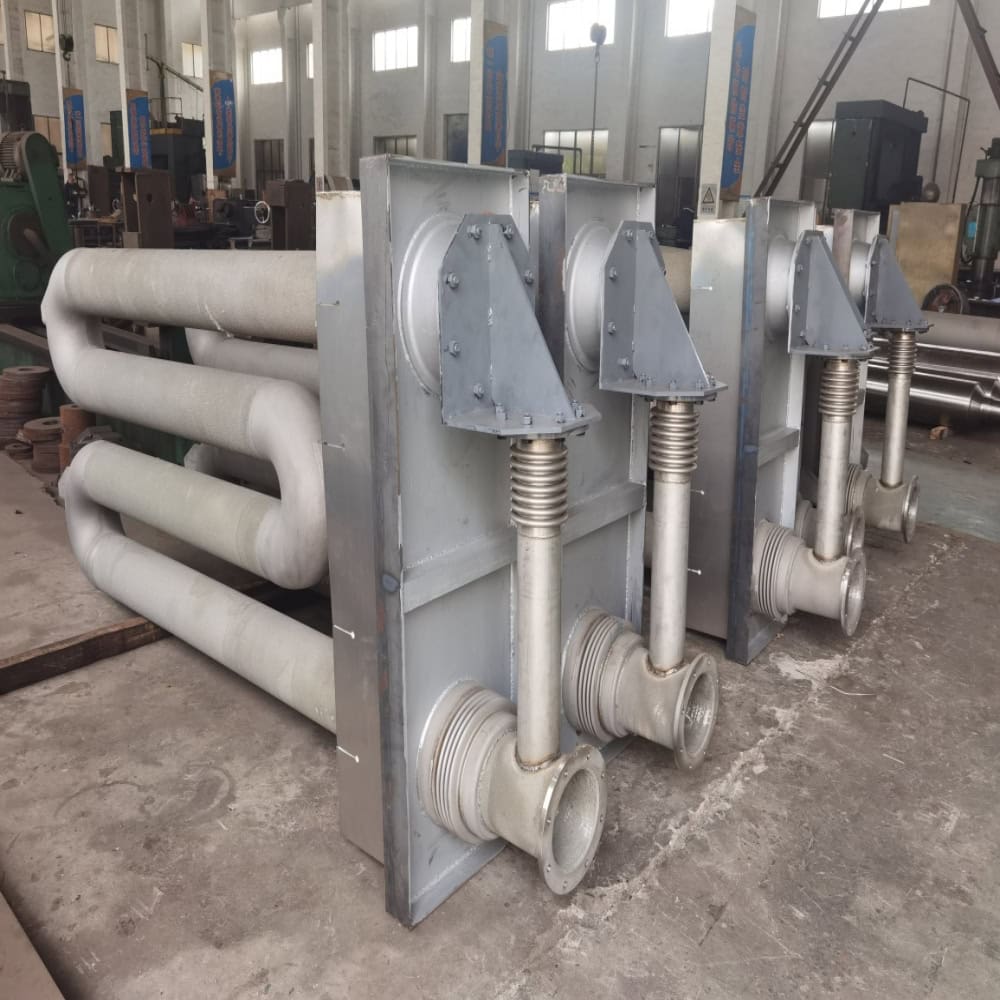
For radiant tubes, specify which material and inspection documents must accompany the quoted supply scope before the order is released.
Start with the purchase order, not the shipping date
Quality documents should be agreed during quotation and purchase-order review. The order should answer four questions:
- Which specification or customer requirement applies?
- Which tests and inspections are required?
- What sampling and acceptance criteria apply?
- Which records must be supplied with the goods?
This matters because chemical analysis, mechanical testing, metallography and NDT require different samples, equipment and timing. Some evidence cannot be reconstructed reliably after the castings have been finished and shipped.
Core document types
Material identification and chemical composition
The report should link the chemical analysis to a heat, batch or other traceable production reference. It should show the reported elements required by the specification and identify the test method or laboratory record where applicable.
For heat-resistant alloys, a commercial grade name is not enough by itself. Similar names may be used under different standards or customer specifications. The controlled order should state the exact material basis and any permitted equivalent.
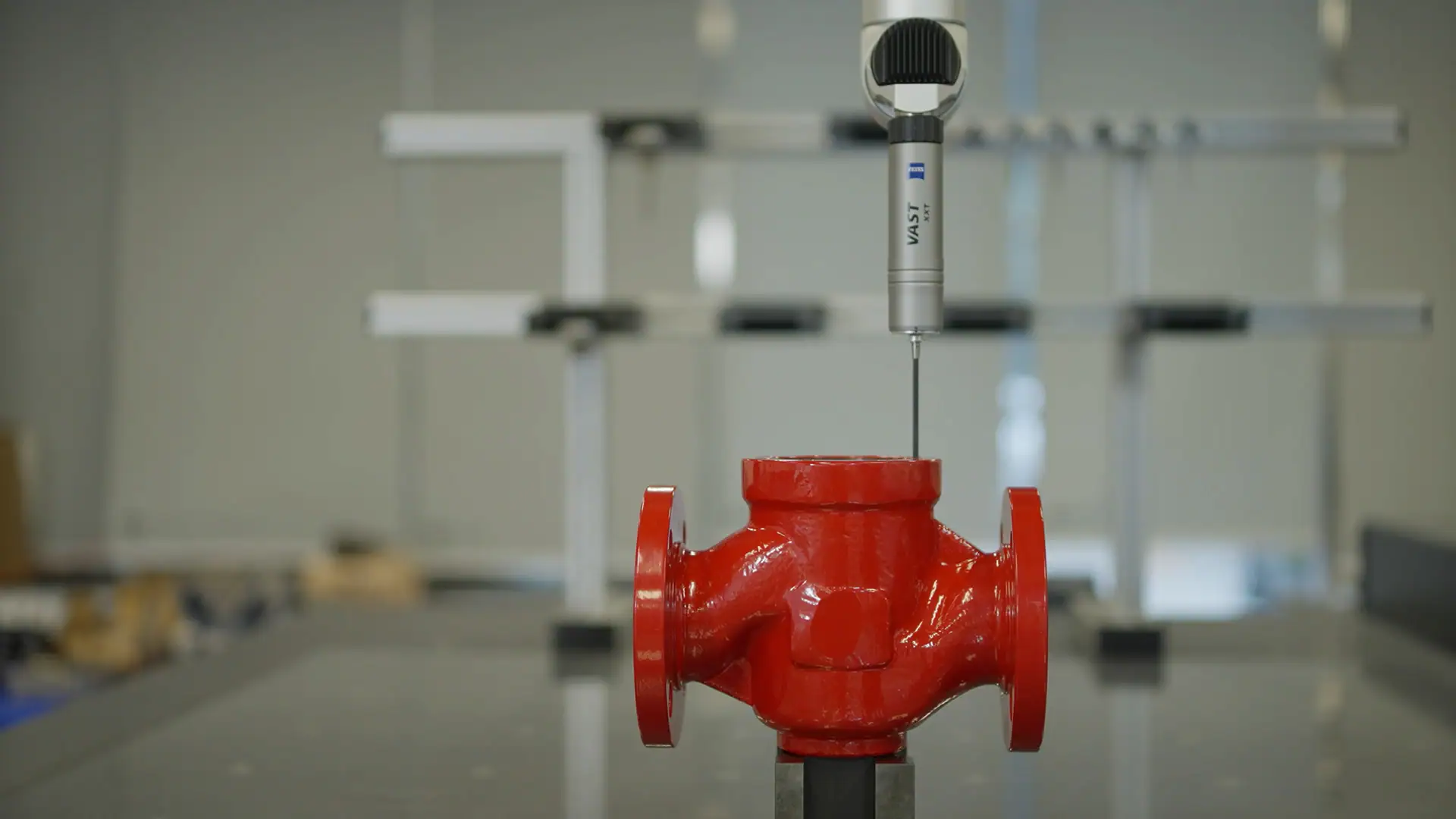
Dimensional inspection report
The dimensional record should identify the drawing revision, characteristic, nominal requirement, tolerance and actual result. For a complex casting, the buyer should identify critical features rather than assume that every dimension will be reported.
Typical critical features include furnace interfaces, support points, locating features, usable opening, overall envelope, wall thickness, straightness, concentricity and runout. The relevant list changes with the product.
Non-destructive testing report
An NDT report should state the examination method, inspected area, procedure or acceptance basis, result and inspector identification. Dye penetrant, magnetic particle, ultrasonic and radiographic methods detect different types of discontinuities and have different limitations. The required method and coverage must therefore be project-specific.
Mechanical or metallographic test records
These records should be requested only when they are relevant to the material specification or project. The order should define the sample location, test condition and acceptance criteria. A result without a traceable relationship to the production heat or part has limited value.
Heat-treatment or process records
Where the process route requires a controlled heat treatment, the buyer may request a summary record or chart. The required detail should be defined in advance, especially when the document is part of a regulated customer quality system.
Certificate of conformity
A certificate of conformity is a supplier statement that the delivered goods meet the referenced order requirements. It does not replace the underlying inspection and test data when the purchase order requires those records.
What buyers should verify in every document
Before accepting the package, check:
- company and customer identity;
- purchase order and line item;
- part name, drawing number and revision;
- material requirement;
- heat, batch or serial reference where applicable;
- quantity covered by the record;
- test or inspection date;
- acceptance criteria and actual result;
- inspector or authorized approval;
- consistency between marking, packing list and reports.
The most common weakness is not a missing test; it is a missing connection between the test result and the delivered parts.
Avoid ambiguous requests
Statements such as “provide EN certificate,” “provide inspection report” or “NDT required” are incomplete. They do not define document type, inspection method, coverage, sampling or acceptance level. The supplier may interpret them differently from the buyer.
If a customer has its own inspection and test plan, drawing notes or document template, send these files with the RFQ. This allows the quotation to include the correct test scope and documentation cost.
ECOOSUN document review for custom castings
ECOOSUN is the overseas operating brand of Xinghua Hengxin Machinery Co., Ltd. The company supports custom heat-resistant steel casting projects for heat-treatment plants and industrial furnace manufacturers. Available inspection and documentation are reviewed against the drawing, material, production route and purchase requirements for each project.
ECOOSUN does not treat a generic website statement as a substitute for a project-specific quality agreement. Buyers should send the required material standard, inspection characteristics, NDT method, sampling rule and report format during the RFQ stage through Contact Us.
Related resources: heat-resistant casting quality inspection checklist, how to evaluate a furnace-parts supplier and manufacturing and quality evidence.
Frequently asked questions
Is a chemical composition report the same as a material certificate?
Not always. Chemical composition may be one part of a material certificate. The required document can also include identification, specification, mechanical or metallographic results and authorized approval.
Can the certificate be requested after the order is finished?
Existing production records may be supplied, but tests that require planned sampling cannot always be recreated after production. Define the requirement before manufacturing.
Is third-party inspection always necessary?
No. It depends on contract risk, customer requirements and project controls. If third-party inspection is required, define the witness or hold points before production.
What is the minimum useful package?
For many custom projects, a controlled drawing reference, material/heat identification, agreed chemical analysis, critical dimensional results and final inspection status form a useful baseline. The exact package remains project-specific.
Related Quality and Procurement Evidence
Use these guides to define inspection, documentation, traceability and release requirements for custom heat-resistant furnace castings:
- First Article Inspection for Custom Heat-Resistant Steel Castings
- How to Read a Heat-Resistant Casting Inspection Report
- Heat and Batch Traceability for Custom Heat-Resistant Castings
- Inspection and Test Plan for Custom Furnace Castings
- Witness Points and Hold Points for International Furnace-Part Orders
- Nonconformance, Rework and Corrective Action for Custom Castings
Related ECOOSUN Products
Information for a Faster Quotation
Provide the drawing revision, material standard, critical dimensions and tolerances, required inspection and NDT scope, traceability documents, report format, witness or hold points, and final release requirements.
Request a Custom Quote · Send Your Drawing · WhatsApp ECOOSUN

 +44 7419 144346