
Direct answer
A useful furnace-roll inspection record separates what is visible from what is suspected. Record the roll identity and orientation, line position, wear location and pattern, crack location, surface condition, runout, support and bearing observations, drive condition, and recent line changes. Add photographs and measurements from defined datums. Only after the record is complete should the team decide whether the next step is monitoring, line correction, failure analysis, or a replacement quotation.
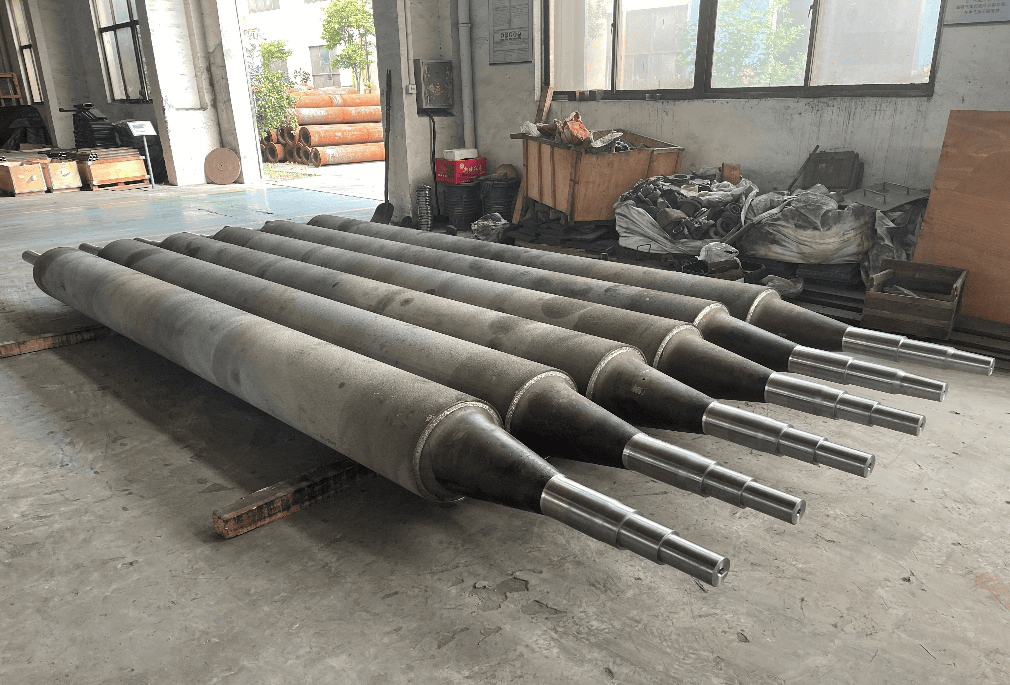
Record the condition in a fixed order
Start with full-roll photographs and labels for drive end, operator side, rotation direction, and line position. Map grooves, pitting, polishing, cracks, discoloration, deformation, and impact marks. Write the location from a known end or datum. Avoid words such as “bad” or “severe” without a measurement or photograph.
Add the system evidence
Record bearing and support condition, clearance, alignment observations, runout, load arrangement, conveying symptoms, and recent maintenance. Note whether the surface damage is centered, edge-biased, periodic, or localized. These patterns can guide inspection, but they should not be presented as a confirmed root cause until verified.
Make the decision traceable
State the agreed disposition: continue monitoring, inspect the line, repair review, or replace. Link the decision to the recorded evidence and drawing revision. If a replacement is requested, send the record with the old roll rather than discarding the history.
How ECOOSUN can help
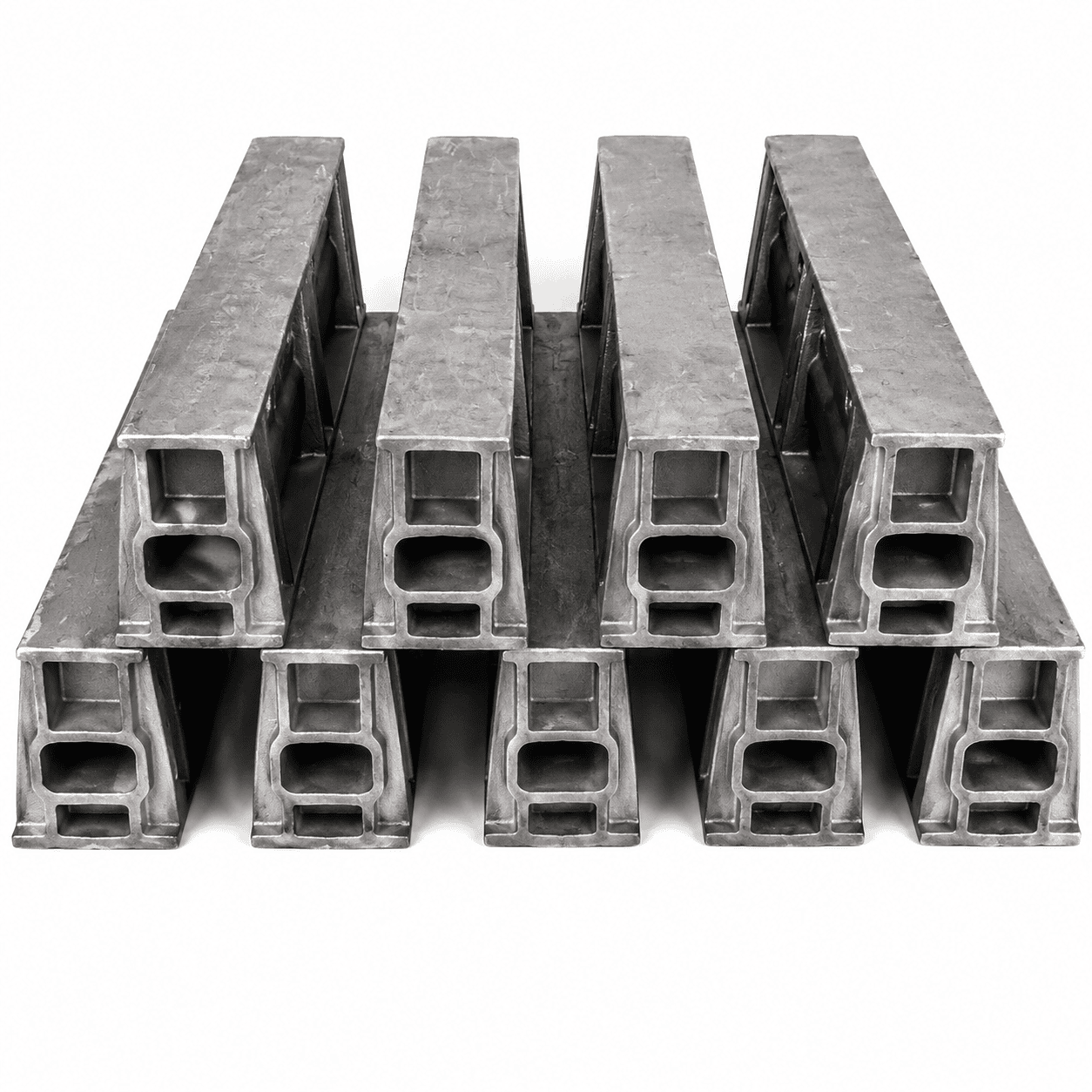
ECOOSUN can review roll drawings, worn samples, inspection records, operating information, and engineering requirements for custom furnace rolls. See Furnace Rolls or contact-us.
FAQ
What should a buyer confirm for a furnace roll requirement?
Confirm the drawing or used sample, key dimensions and interfaces, furnace type and clearance, load, operating cycle, failure evidence and inspection requirements. Final acceptance criteria should be agreed for the specific project.
Can ECOOSUN review a custom furnace roll requirement?
Yes. ECOOSUN can review a customer drawing or used sample and discuss casting, laboratory and inspection requirements for a custom furnace-component project. Suitability and final scope are confirmed from the supplied information.
Related Furnace Roll Resources
Use these technical guides when specifying, inspecting or replacing furnace rolls for an industrial furnace:
- Furnace Rolls: Material, Runout and Replacement Criteria
- Furnace Roll Replacement: Diameter, Length, Load and Runout
- Why Furnace Rolls Deform and How to Improve Service Life
- Furnace Roll Installation and Alignment Inspection Checklist
- Furnace Roll Replacement and Inspection Guide
Related ECOOSUN Products
Information for a Faster Quotation
Provide alloy grade or service conditions, roll dimensions, load, span, speed, allowable runout, atmosphere, temperature, shaft and drive details, cooling requirements, drawing or used sample, and inspection requirements.
Request a Custom Quote · Send Your Drawing · WhatsApp ECOOSUN

 +44 7419 144346