
Short answer: A useful furnace roll RFQ should include the complete roll drawing, body and shaft dimensions, load and span, temperature and atmosphere, operating speed, runout requirement, cooling arrangement, quantity and inspection documents.
1. Drawing and interface information
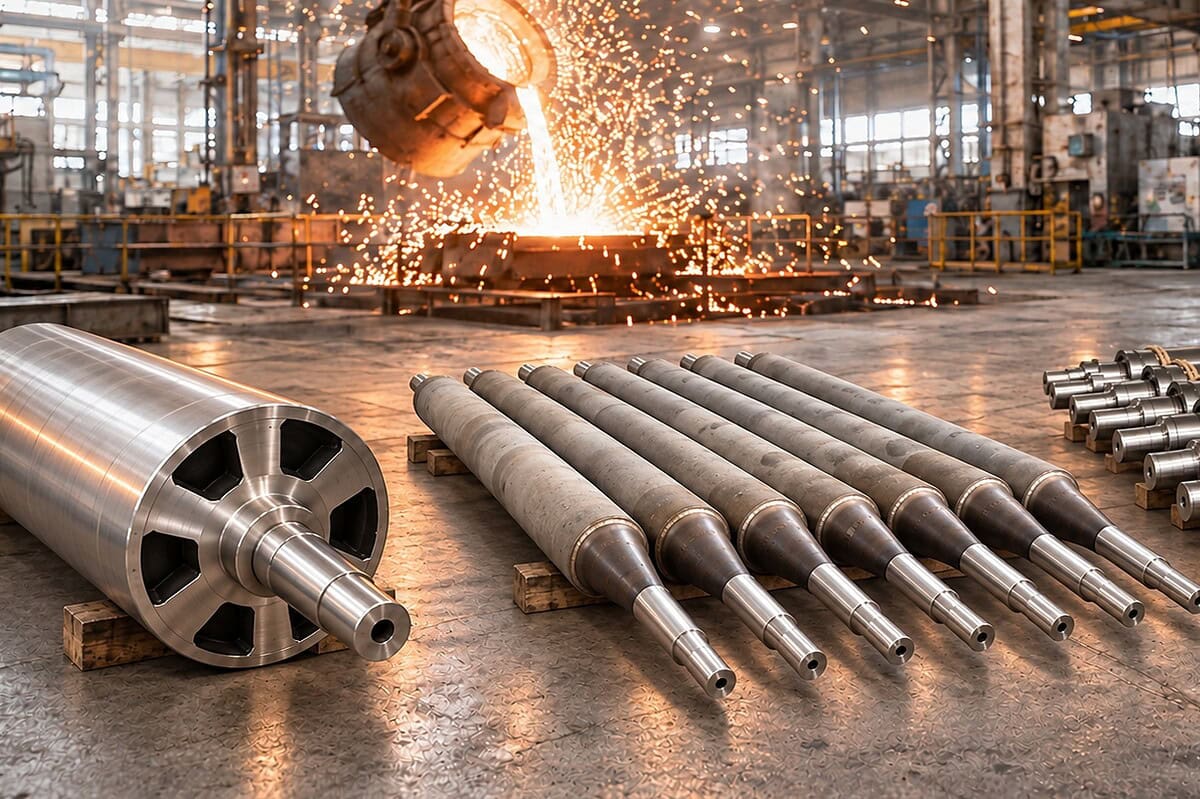
Start with the latest drawing revision, a sample or clear photographs. Mark the working body, heated section, cold ends, support points, bearing locations and drive side. A supplier needs to know whether the listed length is the body length, face length, support span or overall assembly length.
- Finished outside diameter, bore or wall thickness and body length.
- Overall length, journal diameters, bearing seats and shaft steps.
- Keyways, splines, flanges, threads, drive connections and seals.
- Centerline, support spacing, installation orientation and clearance.
- Machining datums, surface finish and any coating or hard-facing requirement.
2. Load and operating conditions
State the maximum product load per roll, the distributed or point-load pattern, support span, roll pitch, line speed and rotation speed. Include the workpiece material, contact width and whether scale or debris may accumulate. A roll that carries a light, evenly distributed product has a different bending risk from one that supports a concentrated load during a process upset.
Also provide the furnace type, working zone, roll-metal temperature, atmosphere, heating and cooling cycle, start-up frequency and emergency shutdown conditions. If the roll has water or air cooling, specify inlet temperature, pressure, flow and connection details.
3. Material and manufacturing route
Tell the supplier the current grade, previous supplier, observed failure and target service life. If the material is not fixed, provide the approximate reference condition so the manufacturer can recommend a suitable heat-resistant alloy. Reference grades used for preliminary discussion can include EN 1.4852 / 25Cr-35Ni-Nb, EN 1.4851 / X15CrNiSi25-21, EN 1.4845 / 25Cr-20Ni, EN 1.4857 / 25Cr-35Ni / HP40 and HU / ZG45Ni38Cr18Si2. Their approximate reference temperature ranges are not a substitute for confirming actual furnace conditions.
For cylindrical roll bodies, ask the supplier to explain whether centrifugal casting, static casting, forging, welding or a combined route is proposed. The decision should consider geometry, wall section, internal bore, shaft construction, load and thermal cycle.
4. Runout, alignment and balance
Runout requirements should identify what is measured and where. Specify radial runout on the finished working surface, concentricity between the body and journals, straightness, allowable end-face deviation and the support condition used during inspection. If the roll rotates at a defined speed, include dynamic balance requirements and the balancing plane.
If an old roll is available, record the runout before removal and the locations where the product showed marks or vibration. This evidence can reveal whether the problem is in the roll, bearing, drive, support frame or installation alignment.
5. Inspection and quality documents
- Dimensional, wall-thickness, straightness, runout and concentricity report.
- Chemical composition and material identification or heat-number traceability.
- Hardness results where specified by the drawing or quality plan.
- Visual and surface inspection of cast and machined areas.
- Suitable NDT for critical areas, based on geometry and material.
- Balance, pressure or cooling-channel checks when applicable.
Ask for the inspection standard, acceptance criteria and drawing revision to be listed on the report. This makes incoming inspection and future replacement comparison much easier.
6. Delivery and replacement planning
Include quantity, spare quantity, packaging, delivery location, required date and whether installation support is needed. If the furnace outage is scheduled, tell the supplier the latest acceptable inspection and dispatch dates. Provide photographs of the removal condition when a replacement must match an existing assembly.
ECOOSUN can review your furnace roll RFQ and prepare a drawing-based proposal for custom furnace rolls. Related furnace components may include radiant tubes and heat treatment fixtures. Send the information through Contact Us, use Request a Custom Quote or Send Your Drawing. For fast clarification of a drawing or photo, contact ECOOSUN on WhatsApp.
Manufacturing and Product Evidence
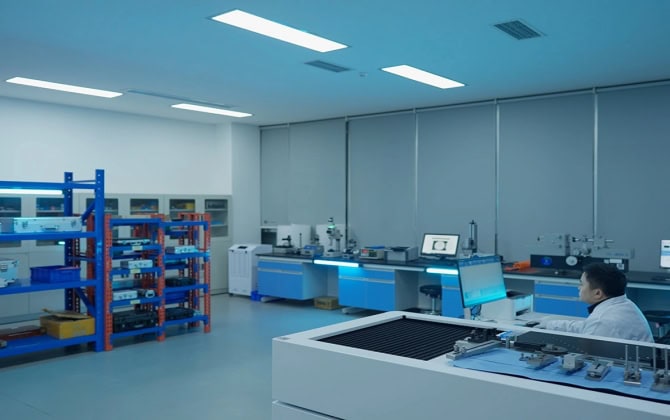
For a project review, send your drawing, sample photos, furnace conditions, quantity and inspection requirements through our Contact Us page.
Related Furnace Roll Resources
Use these technical guides when specifying, inspecting or replacing furnace rolls for an industrial furnace:
- Furnace Rolls: Material, Runout and Replacement Criteria
- Furnace Roll Replacement: Diameter, Length, Load and Runout
- Why Furnace Rolls Deform and How to Improve Service Life
- Furnace Roll Installation and Alignment Inspection Checklist
- Furnace Roll Replacement and Inspection Guide
Related ECOOSUN Products
Information for a Faster Quotation
Provide alloy grade or service conditions, roll dimensions, load, span, speed, allowable runout, atmosphere, temperature, shaft and drive details, cooling requirements, drawing or used sample, and inspection requirements.
Request a Custom Quote · Send Your Drawing · WhatsApp ECOOSUN

 +44 7419 144346