
Direct answer: Heat-resistant alloy cast parts are selected from the component geometry, furnace conditions, load, operating cycle and failure evidence rather than from a material name alone. ECOOSUN can review a drawing or used sample and align casting and inspection requirements with the project.
Material selection is one of the most important decisions in a furnace component quotation. A heat-resistant alloy that works for a basket may not be the right choice for a radiant tube, furnace roll, fan impeller or fixture. The correct grade depends on the full combination of temperature, atmosphere, load, geometry and thermal cycling.
Begin with the actual service conditions
Before comparing alloy names, record the furnace temperature profile, atmosphere, heating and cooling rate, part loading, rotation or conveying, expected cycle frequency and failure history. Continuous exposure and repeated thermal shock can create different risks even when two components operate at similar temperatures.

How the component changes the material decision
Baskets, trays and fixtures
Loading parts need a balance of thermal stability, mechanical support and resistance to oxidation or carburizing atmospheres. Geometry, wall sections, contact points and supported weight should be reviewed before the material and casting route are confirmed.
Radiant tubes
Radiant tubes need resistance to oxidation, thermal fatigue and the specific firing environment. Tube diameter, wall thickness, burner design, support points and hot-zone temperature are essential inputs.
Furnace rolls and fan impellers
Furnace rolls combine high-temperature exposure with rotation, conveying load and dimensional accuracy. Fan impellers add balance, speed, pressure and atmosphere considerations. These products require an application review rather than a generic alloy recommendation.
Material grades and working temperature
ECOOSUN can review commonly specified heat-resistant alloy families, including EN 1.4845 / 25Cr-20Ni, EN 1.4851 / X15CrNiSi25-21, EN 1.4852 / 25Cr-35Ni-Nb, EN 1.4857 / HP40 and HU / ZG45Ni38Cr18Si2. Reference working temperatures are only starting points; final grade selection depends on atmosphere, load, geometry, cooling and thermal-cycle conditions.
Do not separate material from manufacturing route
Sand casting, lost foam casting, investment casting, centrifugal casting, fabrication and machining each suit different geometries and requirements. The route should be reviewed together with shrinkage risk, machining allowance, wall thickness, inspection needs and production quantity.
Inspection requirements to include in the RFQ
Specify dimensional inspection, chemical composition verification and visual inspection where required. Depending on the approved specification, hardness checks, non-destructive testing and a final inspection report may also be included. The material certificate and inspection scope should be agreed before production starts.
Use the heat-resistant alloys information page for background, browse custom heat-resistant alloy parts, and send your drawing and service data through Contact Us for an ECOOSUN engineering review.
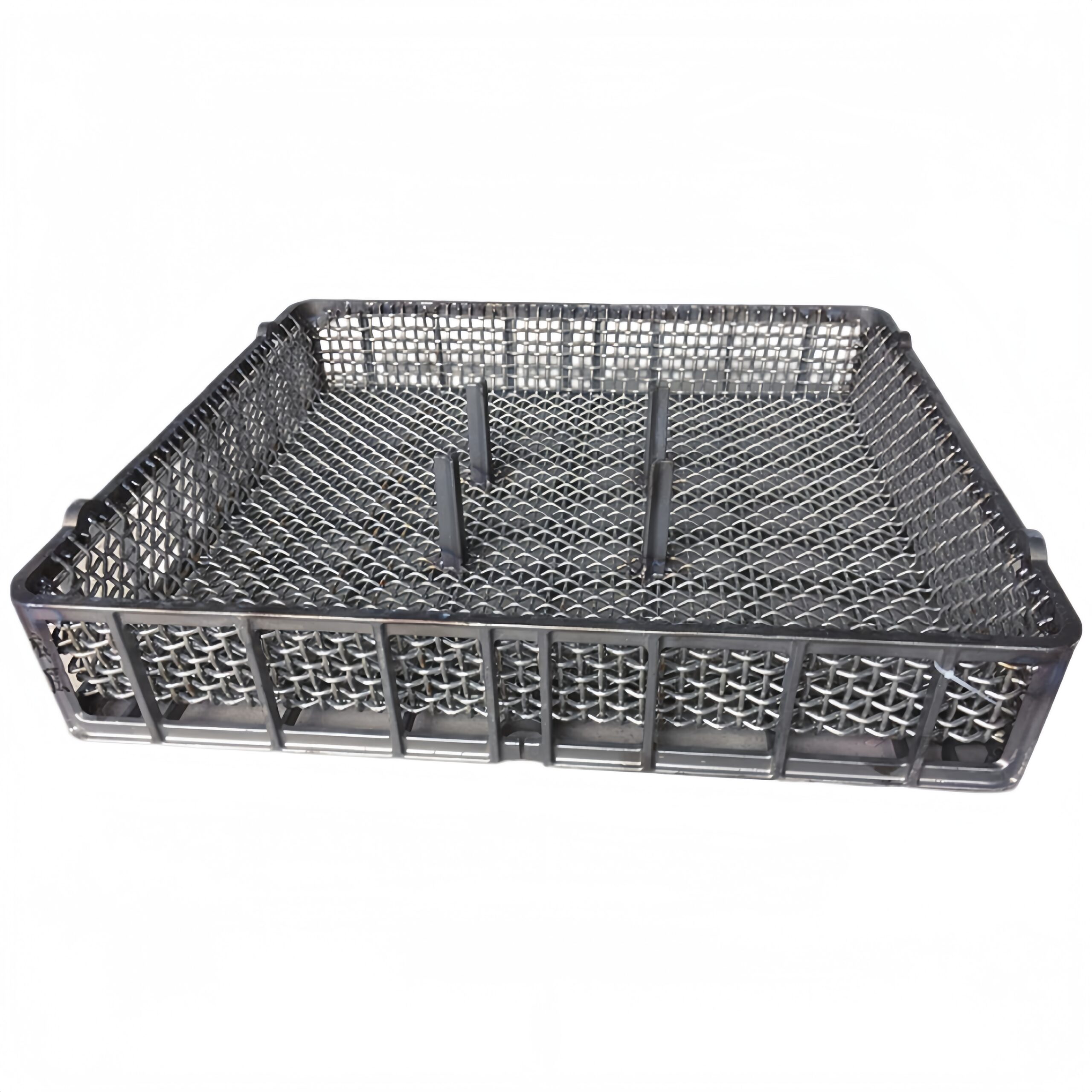
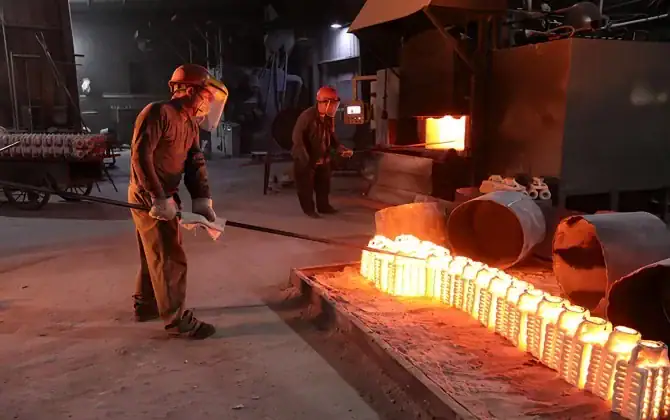
Production context: The component reference should be read together with the manufacturing and inspection context behind the furnace application.

FAQ
What should a buyer confirm for a heat-resistant alloy part requirement?
Confirm the drawing or used sample, key dimensions and interfaces, furnace type and clearance, load, operating cycle, failure evidence and inspection requirements. Final acceptance criteria should be agreed for the specific project.
Can ECOOSUN review a custom heat-resistant alloy part requirement?
Yes. ECOOSUN can review a customer drawing or used sample and discuss casting, laboratory and inspection requirements for a custom furnace-component project. Suitability and final scope are confirmed from the supplied information.

 +44 7419 144346