
Direct answer: Start with how the workpieces are loaded and moved. Review a basket for contained batch handling, a tray for a supported load surface, and a fixture for defined part location, spacing or orientation. Mark the loaded envelope, contact points, supports and transfer interfaces on the RFQ drawing. Do not choose by the product name or outside dimensions alone.
Heat treatment baskets, furnace trays and heat treatment fixtures all support workpieces inside an industrial furnace, but they solve different loading and positioning problems. Selecting the right product starts with the workpiece, loading method, supported weight, furnace space and required repeatability.

When a heat treatment basket is the better choice
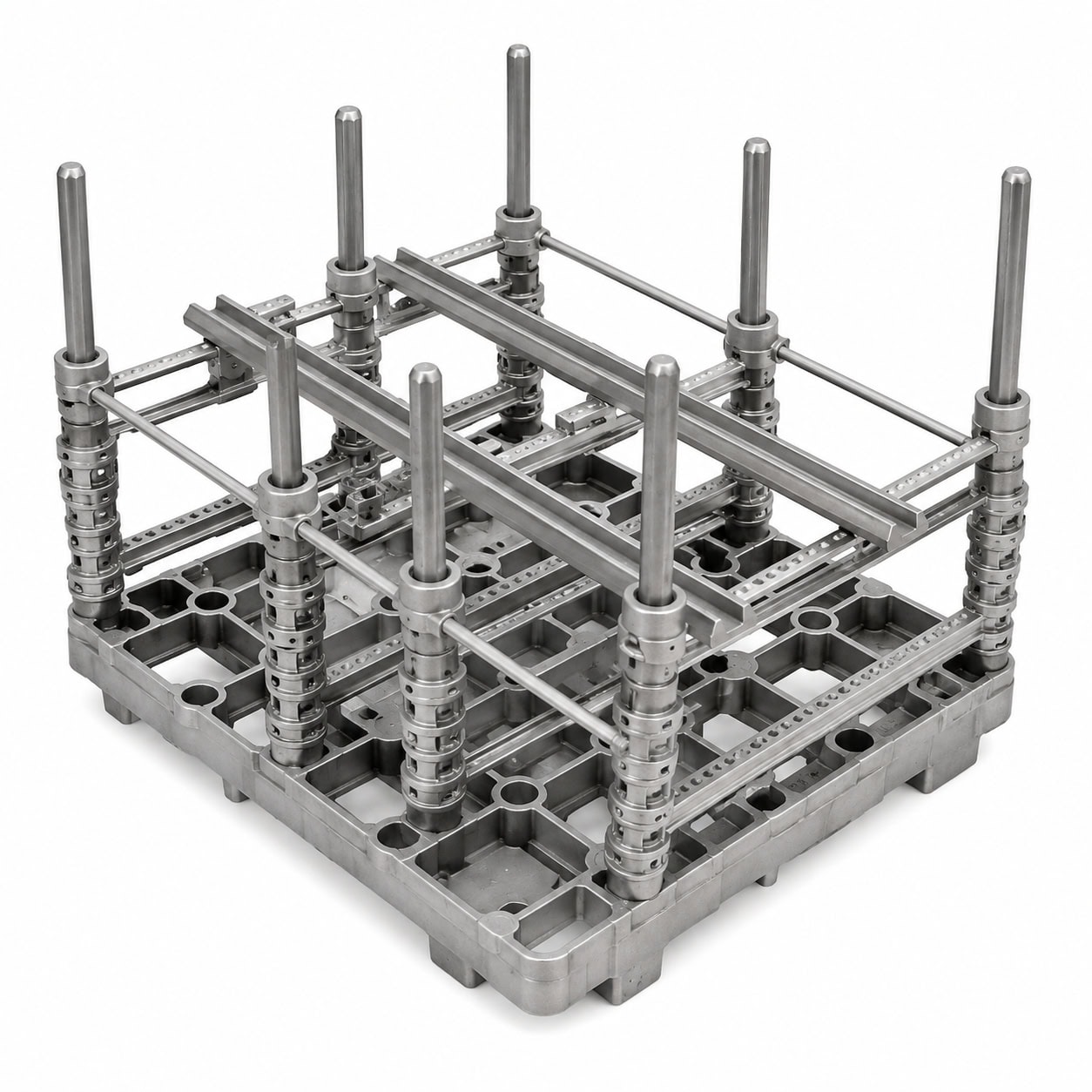
A heat treatment basket is useful when parts need to be loaded, separated, heated and unloaded as a group. Basket design should consider the workpiece envelope, supported load, opening size, contact points, airflow and the repeated thermal cycle. Carburizing baskets may also require careful consideration of atmosphere exposure and part movement.
When to specify a furnace tray
A heat treatment tray is often considered when parts can be distributed across a defined surface area or when a low-profile loading arrangement is preferred. The RFQ should include tray length, width, height, support points, load distribution, part contact areas and any stacking or transfer requirements.
When a custom fixture is necessary
A heat treatment fixture controls the position, spacing or orientation of a workpiece during a thermal cycle. Fixtures are valuable when dimensional stability, repeatable location or controlled exposure to the furnace atmosphere is important. The drawing should show locating points, supports, clearances, welds and removable elements.
Compare the three products by the job they perform
| Requirement | Product to review | Key RFQ information |
|---|---|---|
| Grouped loading and unloading | Heat treatment basket | Basket envelope, loading weight, openings and airflow |
| Distributed low-profile loading | Heat treatment tray | Surface area, support points and load distribution |
| Precise workpiece positioning | Heat treatment fixture | Locating points, clearances and part orientation |
Material and service conditions
All three products may require heat-resistant steel or high-temperature alloy materials. Final material selection depends on operating temperature, atmosphere, load, thermal cycling and geometry. ECOOSUN reviews manufacturing routes such as lost foam casting, sand casting, investment casting, fabrication and machining according to the approved design.
What buyers should send
Provide the workpiece drawing, basket or tray envelope, supported weight, furnace dimensions, operating temperature, atmosphere, cycle, quantity and any previous failure photographs. If you need a replacement, include the original sample or worn component so the supplier can review fit and service conditions.
For assistance comparing a basket, tray or fixture, visit the heat treatment furnace parts overview and send your requirements through ECOOSUN Contact Us. You can request a custom quote or send your drawing for engineering review.
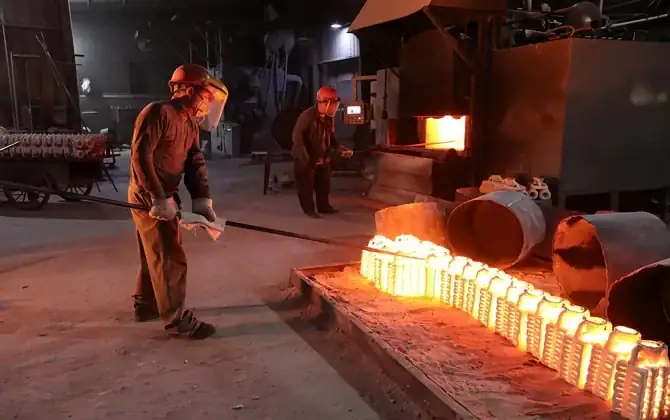
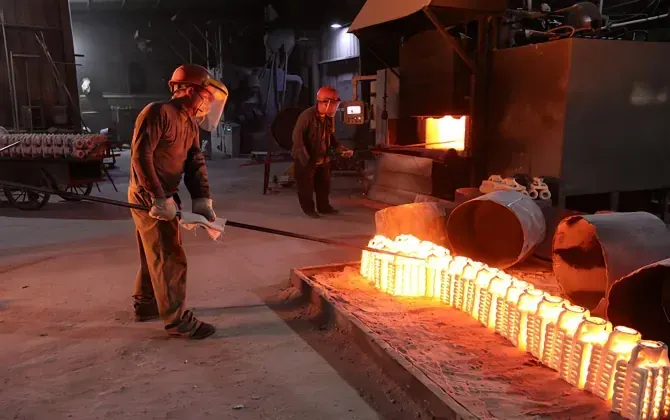
Production context: The component reference should be read together with the manufacturing and inspection context behind the furnace application.

FAQ
Which loading details should be shown before selecting furnace tooling?
Show workpiece orientation, loaded envelope, contact and support points, stacking, lifting and transfer interfaces. Include furnace clearance, atmosphere and cycle information. Mark dimensions taken from a worn sample as known, worn or uncertain.
Is a tray a direct replacement for an existing basket?
Not automatically. A tray may change containment, lifting, support or part spacing. Compare the complete handling and furnace interface before approving a change from one support type to another.
Related Cross-Product Selection Resources
Compare the role of baskets, trays and workpiece-locating fixtures before choosing a product family.
- Heat Treatment Baskets vs Trays vs Fixtures: What Is the Difference?
- How to Select Heat-Resistant Cast Alloys for Furnace Baskets and Trays
- How to Choose Heat Treatment Baskets, Trays and Fixtures for High-Temperature Furnaces
Product families where this guidance may apply
Manufacturing and quality evidence · Official company facts and current catalog
Information for a Faster Quotation
Provide the drawing revision, product family, dimensions, furnace conditions, quantity and required inspection documents. Final design, material and acceptance criteria require project-specific agreement.
Request a Custom Quote · Send Your Drawing · WhatsApp ECOOSUN

 +44 7419 144346