
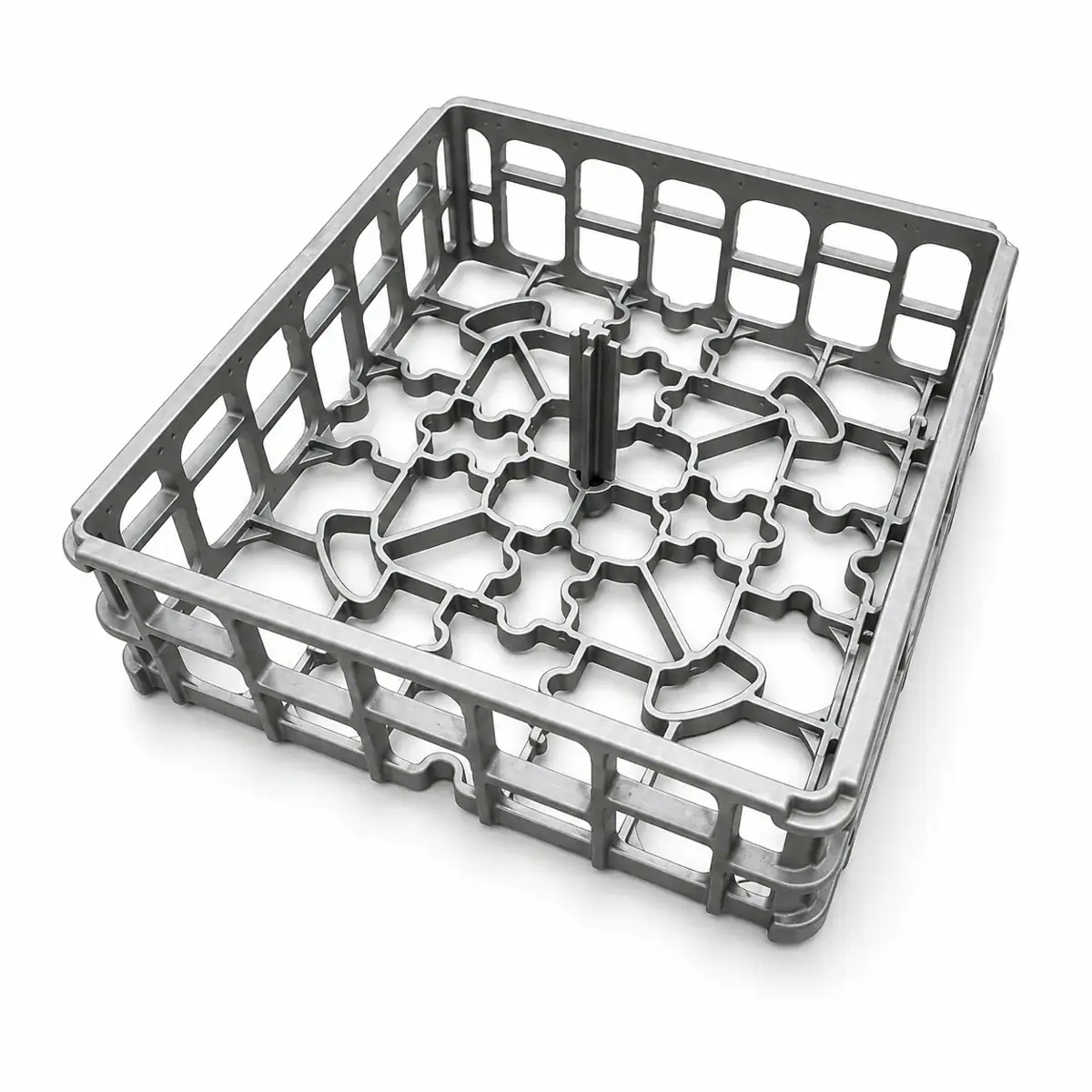
Direct answer: Heat treatment baskets carry and position workpieces inside a heat-treatment furnace. The right basket is selected from the load, support points, furnace clearance, atmosphere, thermal cycle and failure history. ECOOSUN can review a drawing, used sample or furnace information and define the casting, inspection and quotation inputs for a project-specific basket.
Buyer decision point
| Input to confirm | Why it matters |
|---|---|
| Drawing or used sample | Defines the geometry and replacement reference. |
| Furnace interface and clearance | Confirms fit, handling and movement inside the furnace. |
| Load and operating cycle | Supports review of loading, thermal expansion and service conditions. |
| Failure record and inspection requirement | Connects the replacement scope to the observed problem and acceptance check. |
Author: TOM Zhang, Chief Technology Officer
Technical review: ECOOSUN Engineering Department
Choosing heat treatment baskets is not simply a matter of selecting a box that fits inside the furnace. The basket must carry the charge, remain stable through repeated heating and cooling, allow the process atmosphere to reach the workpieces, and remain compatible with the furnace loading system. A basket that is acceptable when empty can distort, crack or lose its working clearance when it is loaded and cycled.
What a heat treatment basket must do
A production basket performs four jobs at the same time: it supports the load, keeps parts separated, transfers safely through the furnace, and survives repeated thermal exposure. These requirements often conflict. More material can improve stiffness but also increases thermal mass. Smaller openings can support small parts but restrict gas circulation. The correct design therefore starts with the process, not with a standard catalogue size.
Start with the load path
Before choosing a basket, map how the load travels from the lifting point to the furnace hearth. Record the total charge mass, the number of lifting points, the center of gravity, the support span and the way baskets are stacked. The important question is not only “How much does one basket weigh?” but “Where does the highest stress occur during lifting, transfer and heating?”
- Define the working load and the basket tare weight separately.
- Check whether the load is concentrated, distributed or supported by a fixture inside the basket.
- Allow clearance for thermal expansion between the basket, trays, rails and furnace walls.
- Identify lifting lugs, hooks, feet and high-wear contact areas as separate design features.
Material selection is a service-condition decision
Heat-resistant alloy selection should consider temperature, atmosphere, cycle time, load, oxidation, carburizing or nitriding conditions, and the required service life. A grade that performs well in an oxidizing cycle may not be the best choice in a carburizing furnace. Likewise, a thin section may heat quickly but lose stiffness sooner than a heavier section.
Use the actual alloy grade and temperature range approved for your furnace. If the grade is not specified, provide the furnace atmosphere, peak temperature, cycle profile and failure history to the heat-resistant alloys engineering team before production.
Open area, drainage and atmosphere circulation
Openings in a basket are functional, not decorative. They influence gas circulation, quenching response, drainage of oils or salts and the weight of the basket. The opening pattern must also prevent small parts from falling through and must not create sharp notches at corners or weld transitions.
For parts with different sizes, a removable internal fixture or a perforated liner can be safer than making the entire basket mesh smaller. This approach keeps the main frame open while adapting the basket to a particular batch.
Fabrication and inspection points
Whether a basket is fabricated, welded or produced as a heat-resistant casting, inspect the areas that experience combined load and thermal strain. Typical checkpoints include lifting lugs, corner joints, weld toes, feet, cross members and areas that contact furnace rails.
| RFQ information | Why it matters |
|---|---|
| Overall dimensions and working clearance | Confirms furnace fit and thermal expansion space |
| Maximum charge mass and part arrangement | Defines the load path and support sections |
| Furnace atmosphere and cycle profile | Supports alloy and surface-condition selection |
| Photos of worn areas or failed baskets | Shows the real failure mechanism |
| Drawing, sample or worn replacement part | Reduces assumptions during quotation |
When to choose custom heat treatment baskets
Custom heat treatment baskets are appropriate when the furnace opening, loading method, part geometry or cycle is not standard. A replacement basket can often be improved by changing the support path, adding a replaceable wear feature or modifying the opening pattern rather than simply copying the failed part.
ECOOSUN manufactures custom heat treatment baskets and related heat treatment trays from drawings, samples and operating information. Send the drawing, basket photos, load data and furnace conditions for an engineering review.
Reference basis: heat-treatment fixture design, heat-resistant steel and high-temperature alloy selection, investment-casting quality-control and casting-defect references in the ECOOSUN technical library. Exact alloy grades and service limits must be confirmed against the customer’s process.
Material and service-life review
When comparing a new basket with a failed basket, record the atmosphere and the actual batch arrangement. A crack at a lifting lug is a different problem from thinning on an exposed wall. Oxidation, carburization, creep, thermal fatigue and mechanical impact require different corrective actions. The material review should therefore be tied to the failure location and the loading history.
| Evidence to collect | Engineering use |
|---|---|
| Service time and cycle count | Shows whether damage is early or progressive |
| Furnace atmosphere and recipe | Supports the alloy and surface-condition review |
| Load map and stacking photos | Shows local overload and blocked circulation |
| Cold dimensions after service | Separates permanent distortion from temporary heat growth |
First-batch validation
For a replacement, agree on the inspection points before production. Verify the overall envelope, lifting points, rail contact, opening pattern and critical clearances. Photograph the first basket installed without load and then with the normal batch. This record makes the next replacement faster and prevents an acceptable drawing from being used in the wrong loading condition.
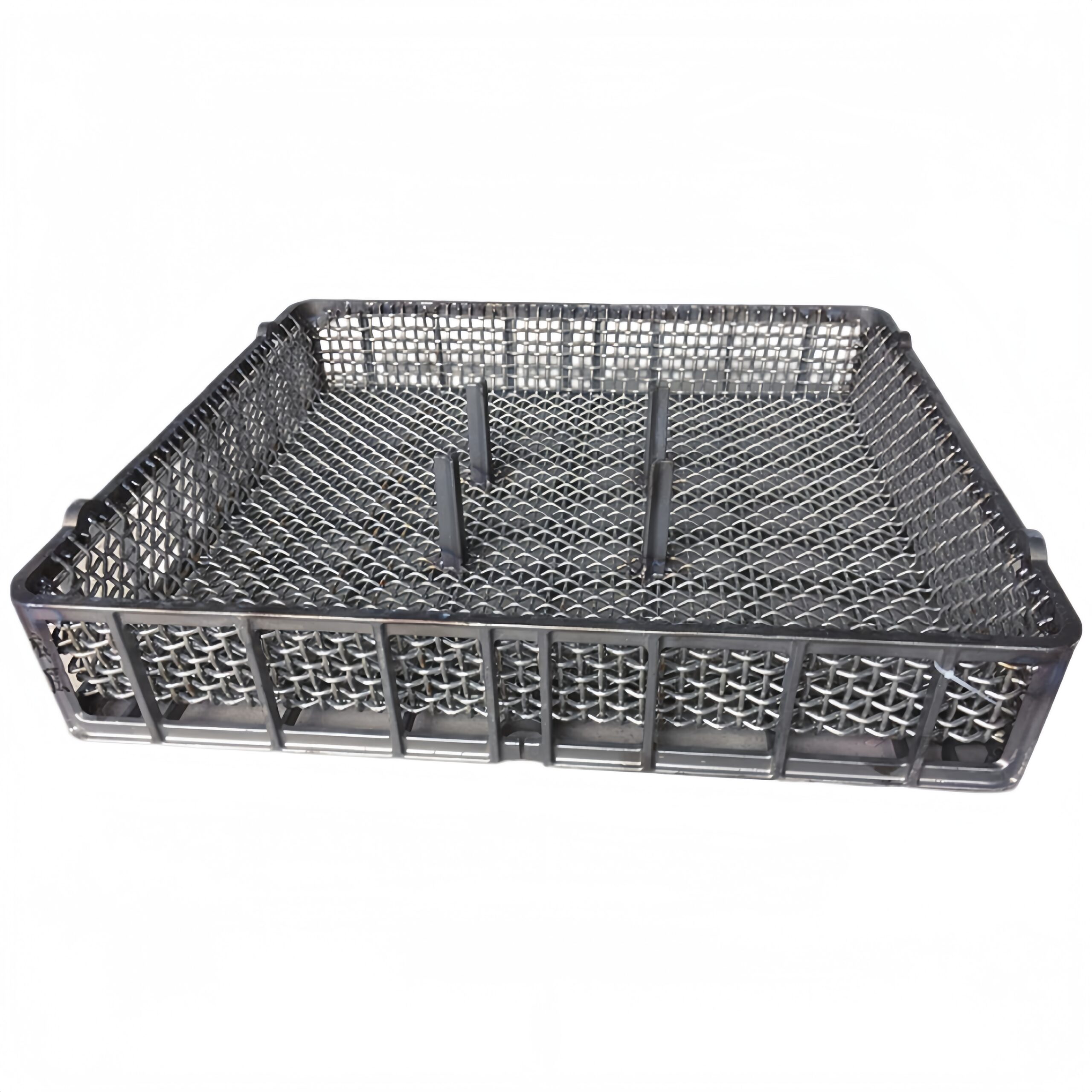
Production context: The component reference should be read together with the manufacturing and inspection context behind the furnace application.

Request a project review: Send the drawing, used sample, key dimensions, furnace information and failure record through the ECOOSUN contact page.
RFQ information checklist
For a useful first review, send the drawing or used sample, key dimensions, furnace type, load, operating cycle, visible failure evidence and any required inspection points. Final material and acceptance decisions are confirmed for the specific project.
FAQ
What should a buyer confirm for a heat treatment basket requirement?
Confirm the drawing or used sample, key dimensions and interfaces, furnace type and clearance, load, operating cycle, failure evidence and inspection requirements. Final acceptance criteria should be agreed for the specific project.
Can ECOOSUN review a custom heat treatment basket requirement?
Yes. ECOOSUN can review a customer drawing or used sample and discuss casting, laboratory and inspection requirements for a custom furnace-component project. Suitability and final scope are confirmed from the supplied information.
Related Heat Treatment Basket Resources
Use these technical guides when specifying, inspecting or replacing heat treatment baskets for an industrial furnace:
- How to Choose Heat Treatment Baskets
- Heat Treatment Basket Failure Analysis
- How to Replace a Heat Treatment Basket from a Worn Sample
- How to Inspect a Heat Treatment Basket Before Replacement
Related ECOOSUN Products
Information for a Faster Quotation
Provide alloy grade or service conditions, basket dimensions, expected load, operating temperature, furnace type, quantity, drawing or used sample, and inspection requirements.
Request a Custom Quote · Send Your Drawing · WhatsApp ECOOSUN


 +44 7419 144346