
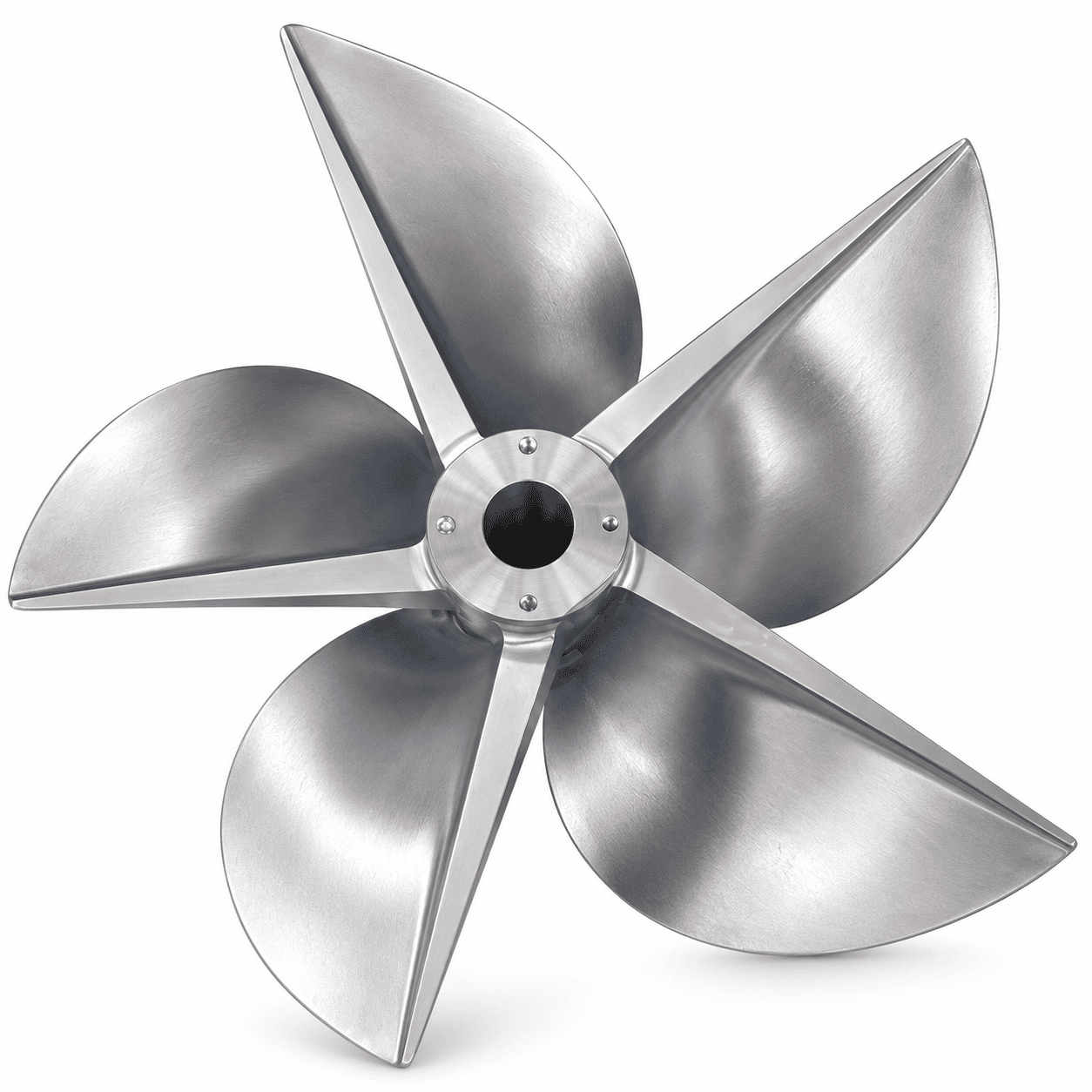
Direct answer: Furnace fans and impellers move or circulate air within industrial furnace systems. Selection depends on geometry, balance, shaft or drive interface, atmosphere, operating cycle and failure history. ECOOSUN can review a drawing or used sample for a project-specific cast replacement.
A furnace fan or impeller operates as part of a high-temperature circulation system. When a fan fails, the replacement inquiry should cover the impeller geometry, shaft interface, rotation speed, airflow duty, furnace atmosphere and temperature. A photograph alone is rarely enough to produce a reliable replacement.

What information defines the impeller?
- Outside diameter, blade height, width, pitch and number of blades.
- Bore, hub, shaft, keyway, locking method and rotation direction.
- Balance requirements, speed, airflow or pressure duty and motor data.
- Furnace temperature, atmosphere, cooling arrangement and thermal cycle.
- Installation clearances, casing dimensions and the available drawing or sample.
Common failure clues
Cracks, oxidation, erosion, deformation, imbalance and loose shaft connections can have different causes. The supplier should know whether the failure appeared during start-up, steady operation, thermal cycling or cleaning. Photos of the blade surface, hub and shaft connection help separate a material issue from an alignment or operating issue.
Material selection for hot circulation
Fan and impeller material selection depends on temperature, atmosphere, speed, stress, blade geometry and expected service life. Heat-resistant steel and high-temperature alloy options can be reviewed against the real furnace conditions. The same alloy is not automatically suitable for every fan design.
Replacement route and inspection
Depending on geometry and quantity, a replacement may involve casting, fabrication, machining or a combined route. The quotation should identify the approved drawing, balance requirement, dimensional inspection, chemical composition check, visual inspection and any agreed non-destructive testing. Critical shaft and hub dimensions should receive special attention.

Build a useful RFQ package
Send the impeller drawing, used sample, photographs, motor data, rotation direction, furnace information, operating temperature, atmosphere, quantity and failure description. If the fan is part of a larger system, include the casing and shaft interfaces as well.
For a custom review, visit the Furnace Fans & Impellers product page, compare related furnace internals, and use Request a Custom Quote to send your drawing to ECOOSUN.
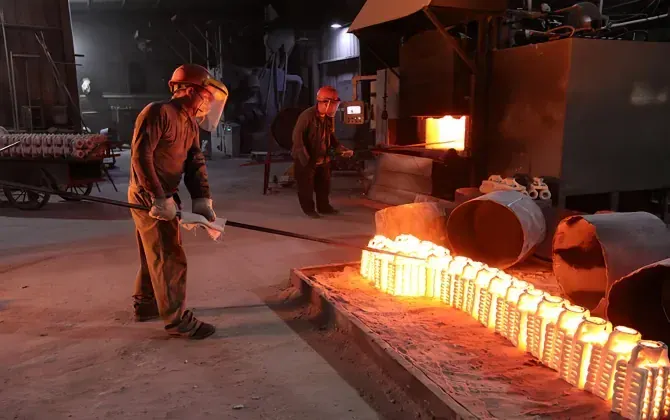
Production context: The component reference should be read together with the manufacturing and inspection context behind the furnace application.

FAQ
What should a buyer confirm for a furnace fan or impeller requirement?
Confirm the drawing or used sample, key dimensions and interfaces, furnace type and clearance, load, operating cycle, failure evidence and inspection requirements. Final acceptance criteria should be agreed for the specific project.
Can ECOOSUN review a custom furnace fan or impeller requirement?
Yes. ECOOSUN can review a customer drawing or used sample and discuss casting, laboratory and inspection requirements for a custom furnace-component project. Suitability and final scope are confirmed from the supplied information.


 +44 7419 144346