
Direct answer
Heat-resistant steel casting is a manufacturing route for producing steel components intended for elevated-temperature service. The right casting is selected from the operating atmosphere, thermal cycle, load, geometry, furnace interface and inspection requirements. In heat-treatment equipment, this approach can be used for custom baskets, trays, fixtures, radiant tubes, furnace rolls and other furnace components. The part design and operating conditions must be reviewed together before a material and process route are confirmed.
Why casting is used for furnace components
Casting can produce complex shapes, integrated supports and large or irregular geometries that may be difficult to make from standard stock. It can also support custom replacement work when a customer has a drawing, a worn sample or a component that needs a controlled design review.
Casting is not automatically the best answer for every part. The choice depends on geometry, quantity, critical surfaces, machining requirements, load path and the conditions in the furnace. A competent review should connect the manufacturing route to the actual application.
What should be reviewed before production?
Operating environment
Record the atmosphere, thermal-cycle pattern, heating and cooling pattern and any known process change. These conditions provide context for the engineering review and should not be replaced by a generic temperature statement.
Geometry and load
Provide the drawing or sample, critical dimensions, supports, lifting points, locating features, load path and furnace clearance. A part with thin sections, sharp transitions or concentrated support loads may require particular design attention.
Manufacturing route
The supplier should review whether the proposed casting route is suitable for the geometry and quantity. Depending on the part, the discussion may include sand casting, investment casting, lost-foam casting, centrifugal casting, machining and finishing. The route should be confirmed for the individual project rather than inferred from a product name.
Inspection scope
Define the dimensional, visual and other inspection requirements that matter to the application. If the buyer requires material or mechanical testing, state the requested documentation and acceptance points before quotation.
How this applies to heat-treatment furnace parts
The same casting principle applies differently to each component:
- Baskets and trays: review the load path, lifting or support points, workpiece arrangement and furnace clearance.
- Fixtures: review locating points, workpiece geometry, orientation and thermal movement.
- Radiant tubes: review tube geometry, burner arrangement, supports, connections and failure location.
- Furnace rolls: review diameter, length, end details, load, support/drive interfaces and runout history.
See the Heat Treatment Furnace Parts Guide for the common replacement inputs.
How ECOOSUN supports a project review
ECOOSUN serves heat-treatment factories and industrial heat-treatment furnace manufacturers with custom furnace-part and heat-resistant casting reviews. The process begins with the available drawing, sample, photographs and operating information. The engineering team can then clarify missing inputs and review the proposed casting and inspection requirements before a project-specific quotation.
For a supplier discussion, use Contact ECOOSUN. For the broader company and manufacturing context, see the Heat-Resistant Steel Foundry page.
Frequently asked questions
Does heat-resistant steel casting mean one specific material?
No. The appropriate material and manufacturing route depend on the application, atmosphere, thermal cycle, load, geometry and inspection requirements. A product name alone is not enough to select a material.
Can a heat-resistant casting be made from a worn sample?
Often, a worn sample is a useful starting point. It should be accompanied by measurements, furnace information and failure photographs so the replacement is reviewed rather than copied blindly.
What evidence helps compare casting suppliers?
Look for a clear legal entity, relevant manufacturing scope, documented engineering communication, an inspection process and product-specific technical review. Factory images alone should not replace project documentation.
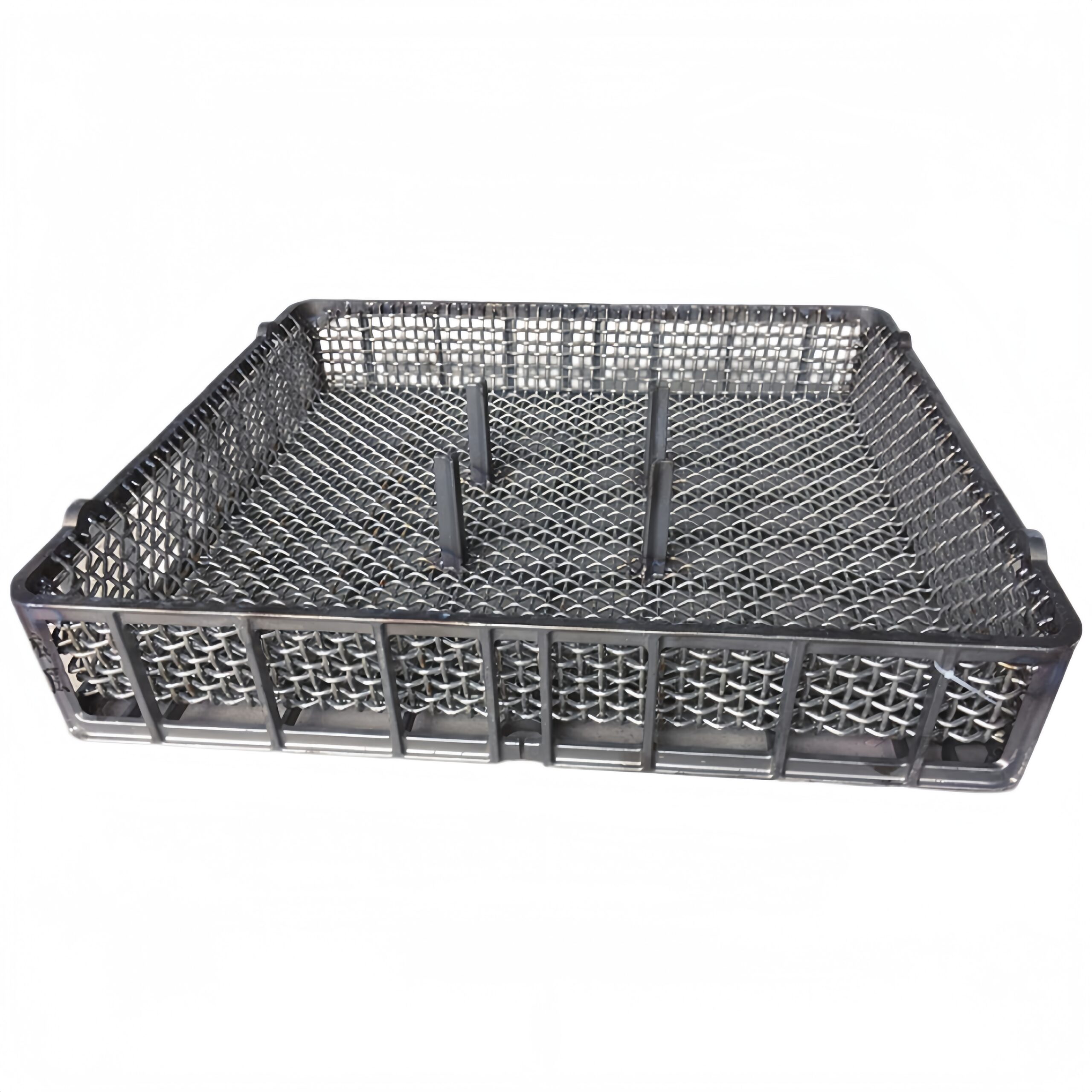
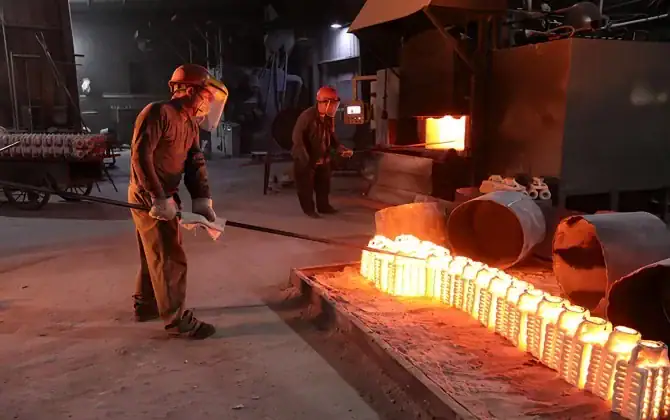
Production context: The component reference should be read together with the manufacturing and inspection context behind the furnace application.


 +44 7419 144346