
Direct answer
To specify a heat treatment tray correctly, start with the workpiece arrangement, supported load, tray dimensions, support points, furnace interface and required clearance. Then review how the tray moves through loading, heating, holding, cooling and unloading. Airflow and access should be considered together with the load path because a tray that carries the load but blocks circulation or interferes with the furnace may not be suitable. For a custom quotation, provide the drawing or worn sample, dimensions, load information, furnace type, atmosphere, thermal-cycle details and any history of distortion, cracking or interference.
Buyer decision point
| Input to confirm | Why it matters |
|---|---|
| Drawing or used sample | Defines the geometry and replacement reference. |
| Furnace interface and clearance | Confirms fit, handling and movement inside the furnace. |
| Load and operating cycle | Supports review of loading, thermal expansion and service conditions. |
| Failure record and inspection requirement | Connects the replacement scope to the observed problem and acceptance check. |
What the tray must do
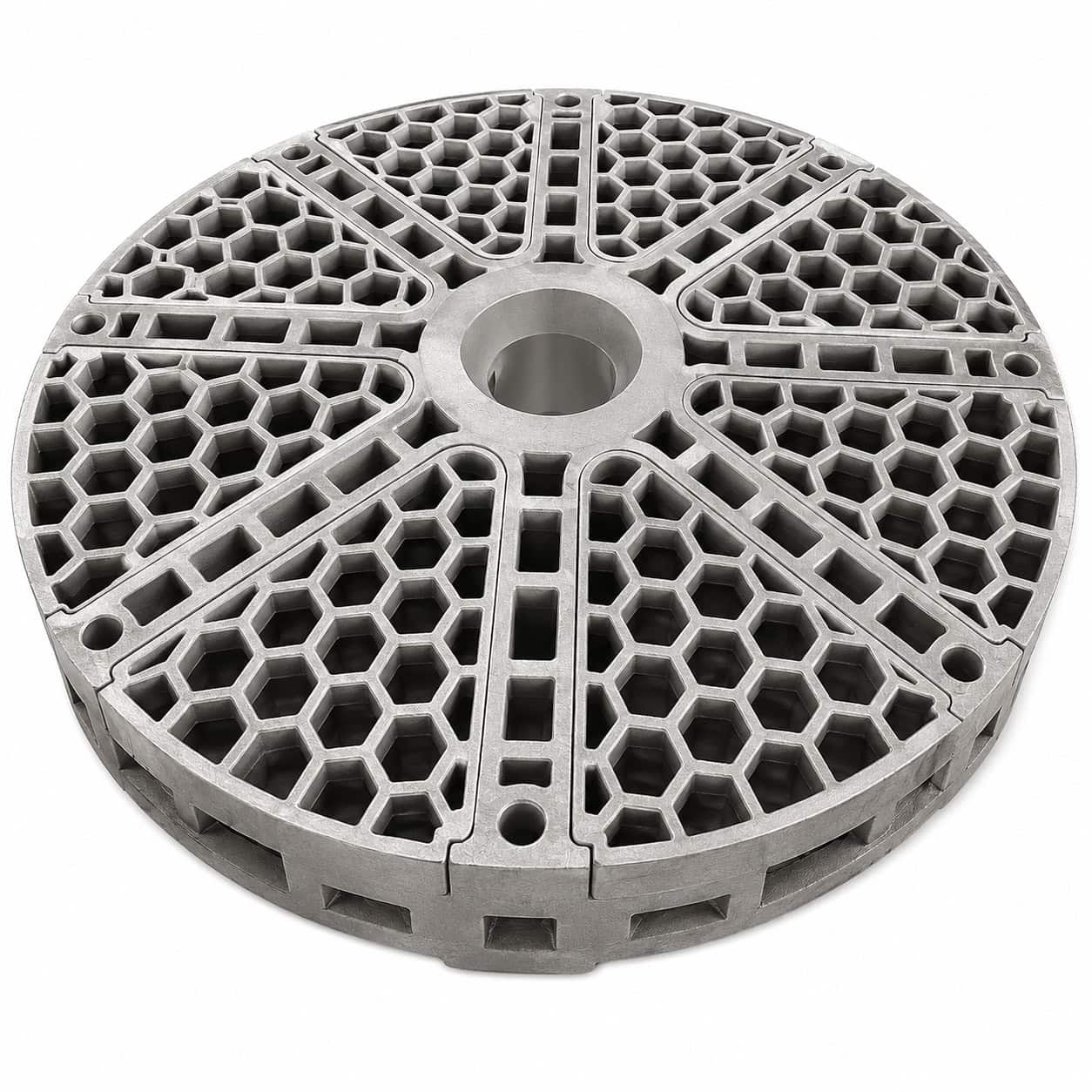
A tray may support workpieces during a furnace cycle, help operators load and unload a batch, or replace a component that no longer fits the equipment. The required design depends on the actual application. A tray should be reviewed as part of the furnace system rather than as an isolated flat casting.
The review should identify:
- the workpieces and their arrangement;
- the load carried by the tray and where that load enters the structure;
- the tray’s support and lifting points;
- furnace openings, rails, rollers, posts and nearby components;
- required clearance during loading and at operating temperature;
- areas that must remain open for circulation, drainage or operator access;
- known bending, cracking, wear or contact marks on the current tray.
Load path and support points
Record where the tray is supported and how it is handled. A tray can see different forces when a batch is placed on it, when it is transferred into the furnace and when it is removed. Concentrated workpiece contact, unsupported spans and uneven loading should be shown on the drawing or described with photographs.
If the load pattern changes between batches, provide the range of arrangements that the replacement must accommodate. Do not replace a measured operating condition with a generic load claim. The quotation should be based on the information that the buyer can confirm.
Workpiece arrangement and airflow
The arrangement of parts affects support, access and circulation. Note the contact areas, spacing, stacking method and any surfaces that must remain exposed. If the tray has openings, ribs or raised supports, record their function and orientation.
Airflow requirements should be discussed with the furnace builder or operating team. The supplier needs to know whether an opening is intended for circulation, drainage, access or weight reduction. A design change that closes an opening or changes a support height can affect the process even when the overall length and width remain the same.
Furnace interface and movement
Measure the tray’s installed interfaces, including rails, rollers, guides, stops and lifting features. Record contact marks and areas where the tray has rubbed against the furnace. Clearance should be checked in the installed position, including locations where thermal movement or accumulated distortion may cause interference.
For a replacement, photograph the tray before straightening or cutting it. A distorted sample can show where the original load path or clearance was insufficient.
RFQ information for a custom tray
Send the following where available:
- approved drawing or worn sample;
- overall dimensions and critical interfaces;
- workpiece drawing, arrangement and supported load;
- furnace type, opening and support arrangement;
- atmosphere and thermal-cycle information;
- photos of damage, contact and handling points;
- required machining, fit-up and inspection information;
- delivery and packaging requirements.
ECOOSUN supplies custom heat treatment trays for heat-treatment factories and industrial furnace manufacturers. ECOOSUN can review the casting route, engineering inputs and inspection requirements before a project-specific quotation is confirmed. See the Heat Treatment Trays product page or contact ECOOSUN with the available information.
Frequently asked questions
Should I specify a tray by size only?
No. Size does not describe the load path, supports, workpiece arrangement, clearances or furnace interfaces. These inputs should be reviewed before a replacement is confirmed.
Can a tray be redesigned to improve access or circulation?
Possibly, but any change should be checked against the furnace interface, load path, workpiece arrangement and thermal cycle. The buyer should approve the controlled design change.
What if the original drawing is unavailable?
Send the worn tray, dimensional photographs, key measurements, furnace interface information and failure history. A sample-based review can begin with these inputs.
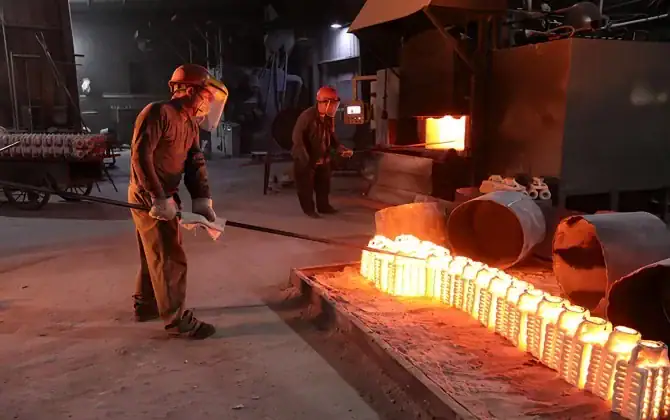
Production context: The component reference should be read together with the manufacturing and inspection context behind the furnace application.

RFQ information checklist
For a useful first review, send the drawing or used sample, key dimensions, furnace type, load, operating cycle, visible failure evidence and any required inspection points. Final material and acceptance decisions are confirmed for the specific project.
Related Heat Treatment Tray Resources
Use these technical guides when specifying, inspecting or replacing heat treatment trays for an industrial furnace:
- Heat Treatment Trays: Rib Design, Perforation and Distortion Control
- Heat Treatment Tray Design: Load, Alloy and Deformation
- Heat Treatment Tray Installation and Furnace Clearance Guide
- Heat Treatment Tray Acceptance Inspection Checklist
- Heat Treatment Baskets vs Trays vs Fixtures
Related ECOOSUN Products
Information for a Faster Quotation
Provide alloy grade or service conditions, tray dimensions, load capacity, flatness or clearance requirements, operating temperature, furnace type, quantity, drawing or used sample, and inspection requirements.
Request a Custom Quote · Send Your Drawing · WhatsApp ECOOSUN

 +44 7419 144346