
Direct answer: A nonconformance record for a custom heat-resistant casting should identify the affected part or batch, the requirement, the actual condition, containment, disposition, approval and reinspection result. Corrective action is separate: it addresses why the problem occurred and how recurrence will be reduced.
Not every deviation has the same risk. A cosmetic surface condition, an out-of-tolerance furnace interface and an untraceable material result require different decisions. The record should make the technical basis visible instead of hiding the issue behind a revised “pass” report.
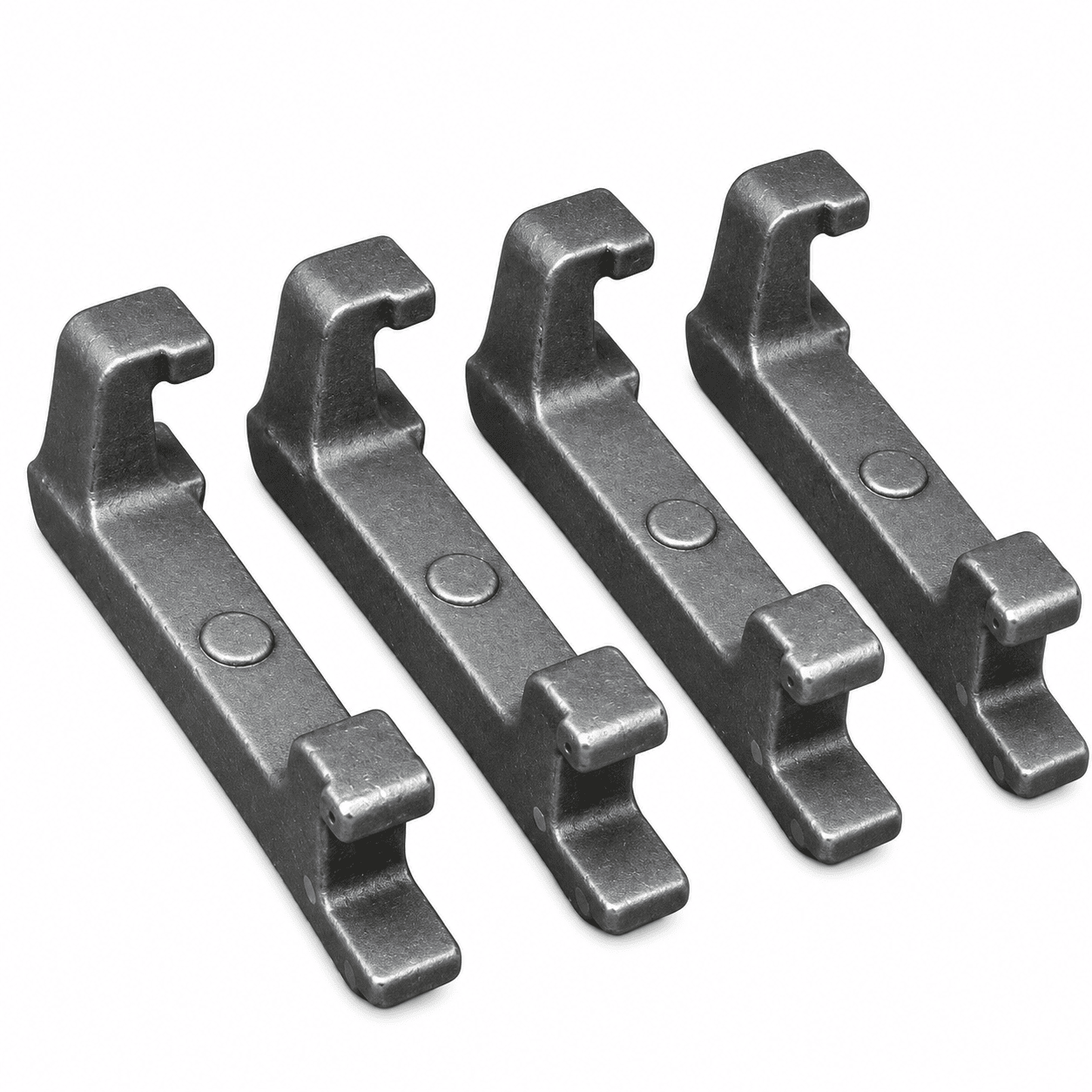
For furnace internals, identify the affected installation interface and the relevant drawing requirement before deciding whether a nonconforming part can be accepted, reworked or replaced.
Step 1: identify and contain
Separate affected parts and protect their identity. Record the purchase order, part number, drawing revision, heat or batch, quantity and location. If similar parts or earlier shipments may be affected, define the scope before disposition.
Step 2: state the requirement and actual result
The nonconformance should quote the controlled requirement: drawing dimension, material limit, visual criterion, NDT acceptance basis or document requirement. Then record the measured value or observed condition. “Dimension wrong” is not enough for engineering review.
Step 3: choose a disposition
- Rework: return the part to the specified requirement using an approved method.
- Repair: use an approved method that may change the original condition but restores agreed function.
- Use as-is: accept the deviation based on authorized engineering review.
- Reject or scrap: prevent unintended use when acceptance is not justified.
The buyer should define when its approval is required. A supplier should not silently change a drawing tolerance or material requirement to make the result acceptable.

Step 4: reinspection after rework or repair
Reinspection should verify the corrected characteristic and any area that may have been affected by the operation. The report should retain the original result, describe the action and show the new result. Simply replacing a failed value removes useful history.
Step 5: determine whether corrective action is needed
A one-time contained deviation may not require a full corrective-action project. Repeated, systemic or high-risk problems do. Root-cause analysis should distinguish the immediate cause from the management or process condition that allowed recurrence.
For example, correcting a roll journal by remachining is containment and rework. If the cause was an unclear datum or uncontrolled machining setup, corrective action may require drawing clarification, setup control and verification on later batches.
Evidence of effective corrective action
A corrective-action record should show:
- problem and scope;
- containment of affected product;
- evidence-based root cause;
- selected action and responsible person;
- completion date;
- verification on a later part or batch;
- closure approval.
Buyer red flags
- the failed result disappears from a revised report;
- the disposition has no authorized approval;
- repair is performed without a defined method;
- reinspection checks only appearance when dimensions or integrity may be affected;
- every repeated issue is described as operator error;
- corrective action closes without verification on subsequent production.
ECOOSUN project context
ECOOSUN is the overseas operating brand of Xinghua Hengxin Machinery Co., Ltd. For custom furnace components, any project-specific deviation, permitted rework and required customer approval should be defined in the quality plan. Final acceptance remains tied to the controlled drawing, purchase requirements and recorded inspection results.
Send your nonconformance template, approval limits and required response format through Contact Us. Also review the casting failure-analysis checklist, first article inspection and the quality inspection checklist.
Frequently asked questions
Is repair always unacceptable for a heat-resistant casting?
No. Acceptability depends on the specification, location, method, service risk and approval requirements. Repair must not be assumed permissible.
Who can approve use-as-is?
The contract should identify the authorized technical and quality parties. A salesperson or inspector should not change a design requirement without authority.
Does corrective action guarantee the issue will never recur?
No. It should reduce recurrence risk and include effectiveness verification. Continued monitoring may still be required.
Related Quality and Procurement Evidence
Use these guides to define inspection, documentation, traceability and release requirements for custom heat-resistant furnace castings:
- First Article Inspection for Custom Heat-Resistant Steel Castings
- Material Certificates and Quality Documents for Heat-Resistant Castings
- How to Read a Heat-Resistant Casting Inspection Report
- Heat and Batch Traceability for Custom Heat-Resistant Castings
- Inspection and Test Plan for Custom Furnace Castings
- Witness Points and Hold Points for International Furnace-Part Orders
Related ECOOSUN Products
Information for a Faster Quotation
Provide the drawing revision, material standard, critical dimensions and tolerances, required inspection and NDT scope, traceability documents, report format, witness or hold points, and final release requirements.
Request a Custom Quote · Send Your Drawing · WhatsApp ECOOSUN

 +44 7419 144346