
Direct answer
Heat-resistant and wear-resistant castings are compared by the dominant service condition. Heat-resistant casting selection focuses on thermal cycling, atmosphere, load, geometry and furnace interfaces. Wear-resistant casting selection focuses more heavily on abrasive, erosive, sliding or impact contact. Many industrial parts experience more than one condition, so the supplier should review the full application instead of choosing from the label alone.
What is the main service problem?
Ask what causes the part to lose function:
- repeated heating and cooling;
- oxidation or environmental attack;
- permanent deformation;
- sliding or abrasive wear;
- impact or particle erosion;
- cracking at a support, transition or connection;
- loss of fit, clearance or alignment.
The answer determines which design and inspection questions deserve priority.
When heat resistance is the dominant requirement
For furnace baskets, trays, fixtures, radiant tubes and furnace rolls, the review usually starts with the furnace environment, thermal cycle, load path, geometry and interfaces. A part can fail even when its material appears suitable if the support arrangement, clearance, workpiece loading or thermal movement is not considered.
See the Heat Treatment Furnace Parts Guide for a component-by-component checklist.
When wear resistance is the dominant requirement
Where the main problem is sliding contact, abrasion, impact or erosion, the review should document the contact material, movement, load, contact pattern and wear location. The part geometry and inspection requirements still matter. A wear claim should be supported by a defined test, operating record or documented comparison rather than a general adjective.
How to compare a supplier’s recommendation
Ask the supplier to explain:
- which service condition was treated as dominant;
- which operating inputs were used;
- which geometry or interface features are critical;
- what casting and finishing route is proposed;
- what inspection evidence will be provided;
- what assumptions remain open for confirmation.
This makes the recommendation traceable and helps prevent a generic material grade from being presented as a complete engineering solution.
ECOOSUN project review
ECOOSUN reviews drawings, samples, photographs, operating information and failure history for custom heat-resistant castings and furnace parts. The engineering team can clarify whether the dominant requirement is thermal service, wear, or a combination, then review the casting and inspection requirements before a project-specific quotation.
Use Contact ECOOSUN for a supplier discussion or visit the Heat-Resistant Steel Foundry page.
Frequently asked questions
Is heat-resistant steel always better than wear-resistant steel?
No. The better choice depends on the actual service condition, geometry, load, atmosphere, thermal cycle and required inspection scope.
Can one part need both heat and wear resistance?
Yes. If a part is exposed to thermal cycling and contact wear, both conditions should be documented and reviewed together.
Should I choose by alloy name alone?
No. The alloy, process route and inspection requirements should be confirmed for the application rather than selected from a product label alone.
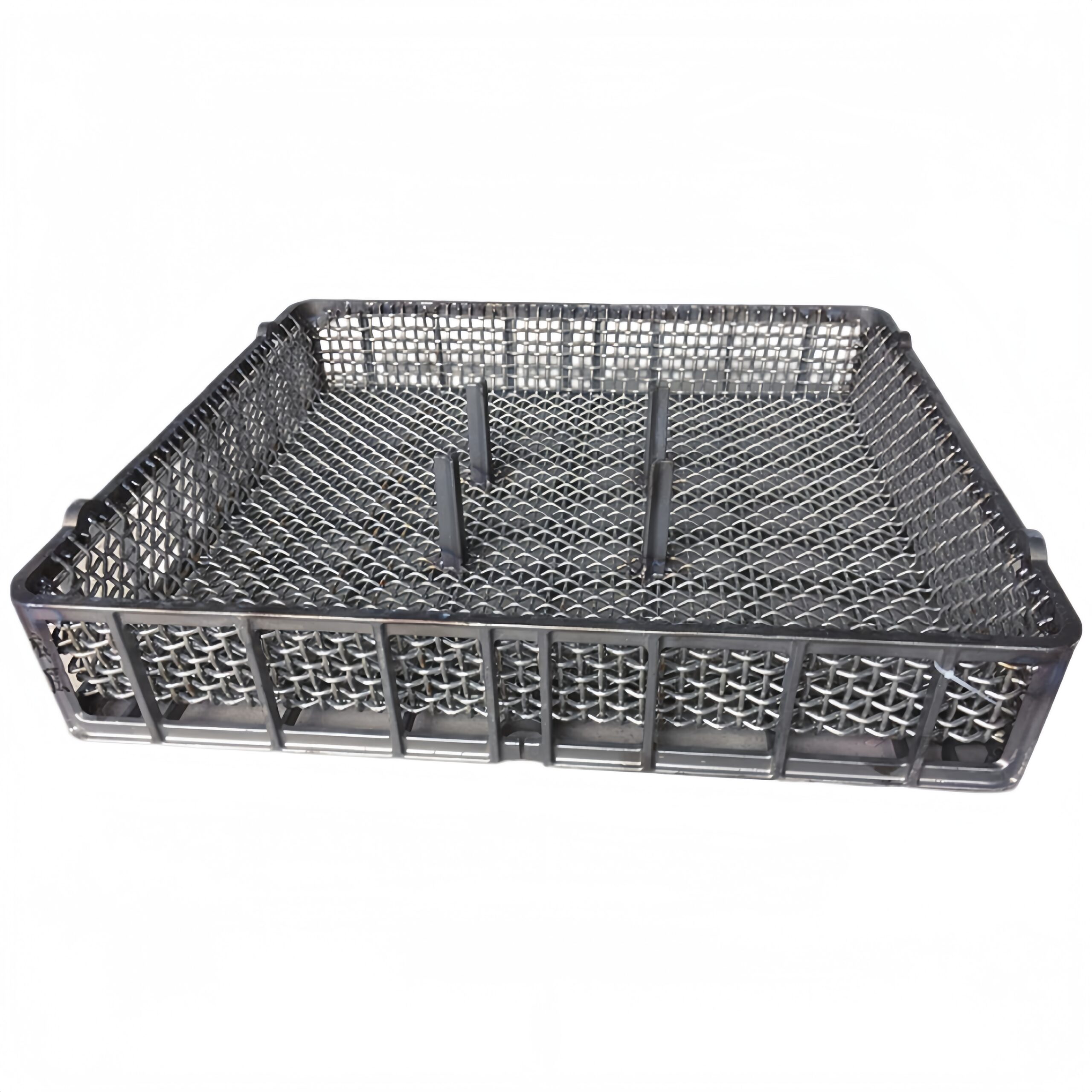
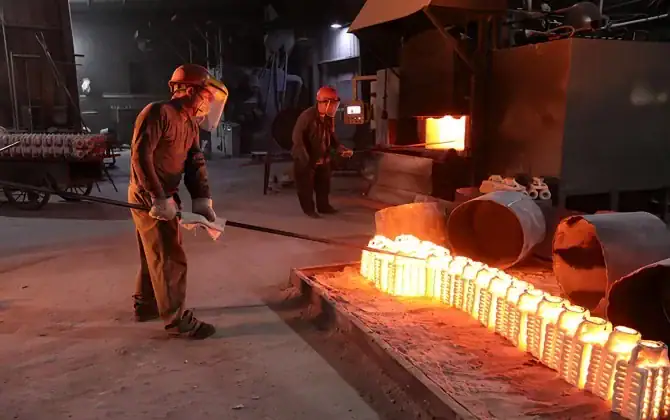
Production context: The component reference should be read together with the manufacturing and inspection context behind the furnace application.


 +44 7419 144346