
Heat treatment uses controlled heating and cooling to change material properties or structure for a specified application. A heat treatment project combines a material specification, process recipe, furnace and loading system. Procurement can reduce uncertainty by keeping those scopes connected but distinct. The following guide identifies information that helps buyers compare suppliers and select the trays, baskets, fixtures or furnace internals that match the approved application.
Start the tooling comparison with the accepted loading case for heat treatment baskets and confirm whether a tray or dedicated fixture is more appropriate.
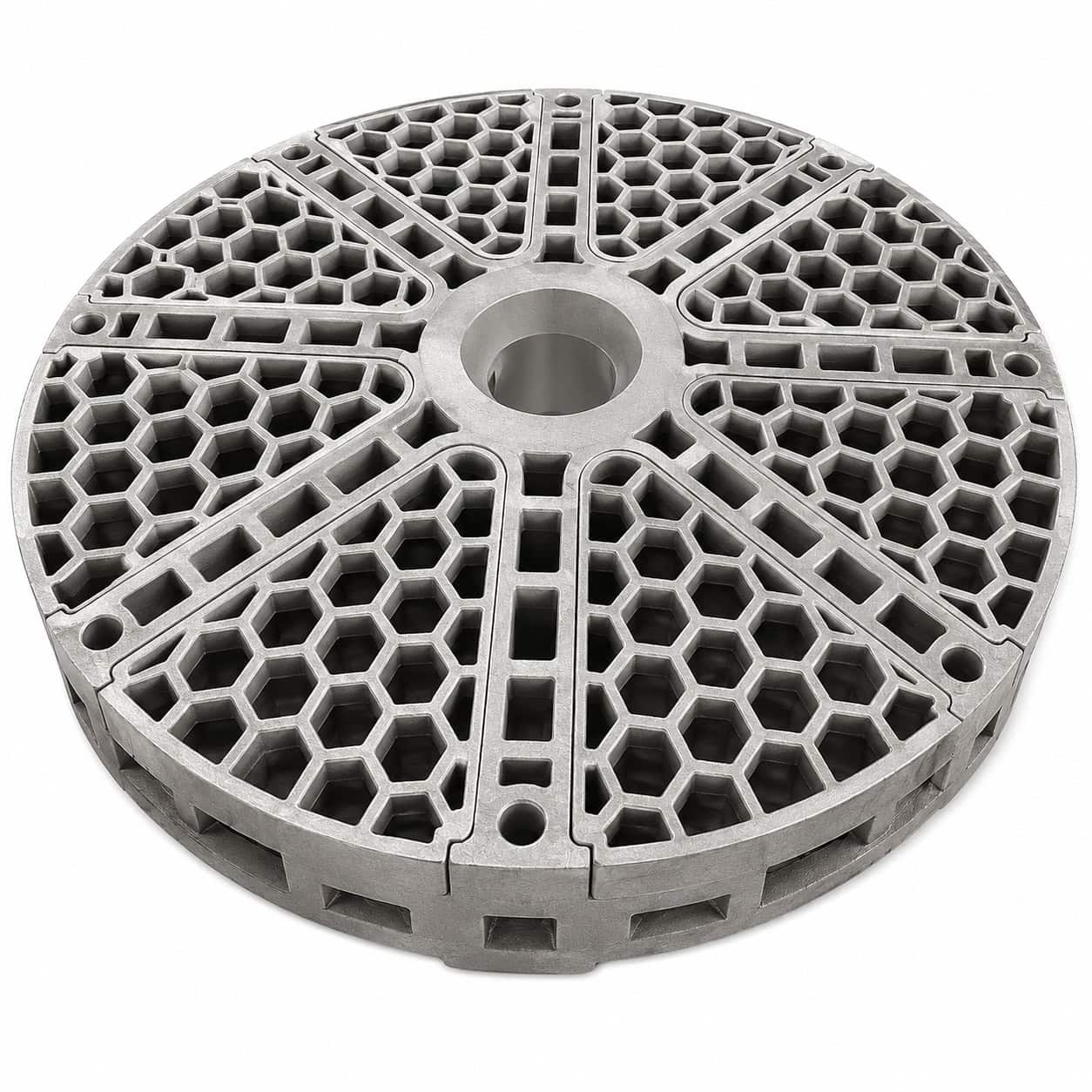
Start with the intended product result and the process specification approved by the responsible metallurgist or engineer. List the part family, material, dimensions, batch size, loading orientation and total weight. Then show how the load is supported and transferred through the furnace. A carrier quotation should address those interfaces and its own acceptance criteria; it cannot by itself approve the heat treatment recipe or final material properties.
Metal Heat Treatment
Metal heat treatment includes different thermal routes selected for the alloy, starting condition and required final properties. For metal heat treatment, identify the specific alloy or material standard, product condition and permitted process routes. Provide both normal and worst-case loading arrangements, especially if shapes or batch quantities vary. The support layout can influence contact, access and handling, so include a drawing of the assembled load. Ask each supplier to state which material, dimensions and inspection requirements are included in its offer.
Heat Treatment Of Steel
Heat treatment of steel includes operations such as annealing, hardening and tempering, selected for a particular grade and product requirement. A project involving heat treatment of steel should name the grade and product form, and specify the required process and acceptance basis. Steel type alone does not determine the correct carrier, alloy or furnace setting. Provide the load geometry, contact constraints, cycle information and furnace supports to the component supplier. Keep metallurgical approval with the process owner and link it to the released part and process documentation.
Tool Steel Heat Treatment
Tool steel heat treatment develops the required balance of hardness, toughness and dimensional stability through a grade-specific process. Tool steel heat treatment may involve a controlled sequence defined by the material supplier or process specification. For procurement, communicate the actual sequence and load arrangement instead of asking a carrier supplier to choose temperatures or cooling steps. Identify distortion-sensitive areas, support faces and the inspection records needed for the component. The tool steel grade and treatment result should be verified by the responsible heat treater.
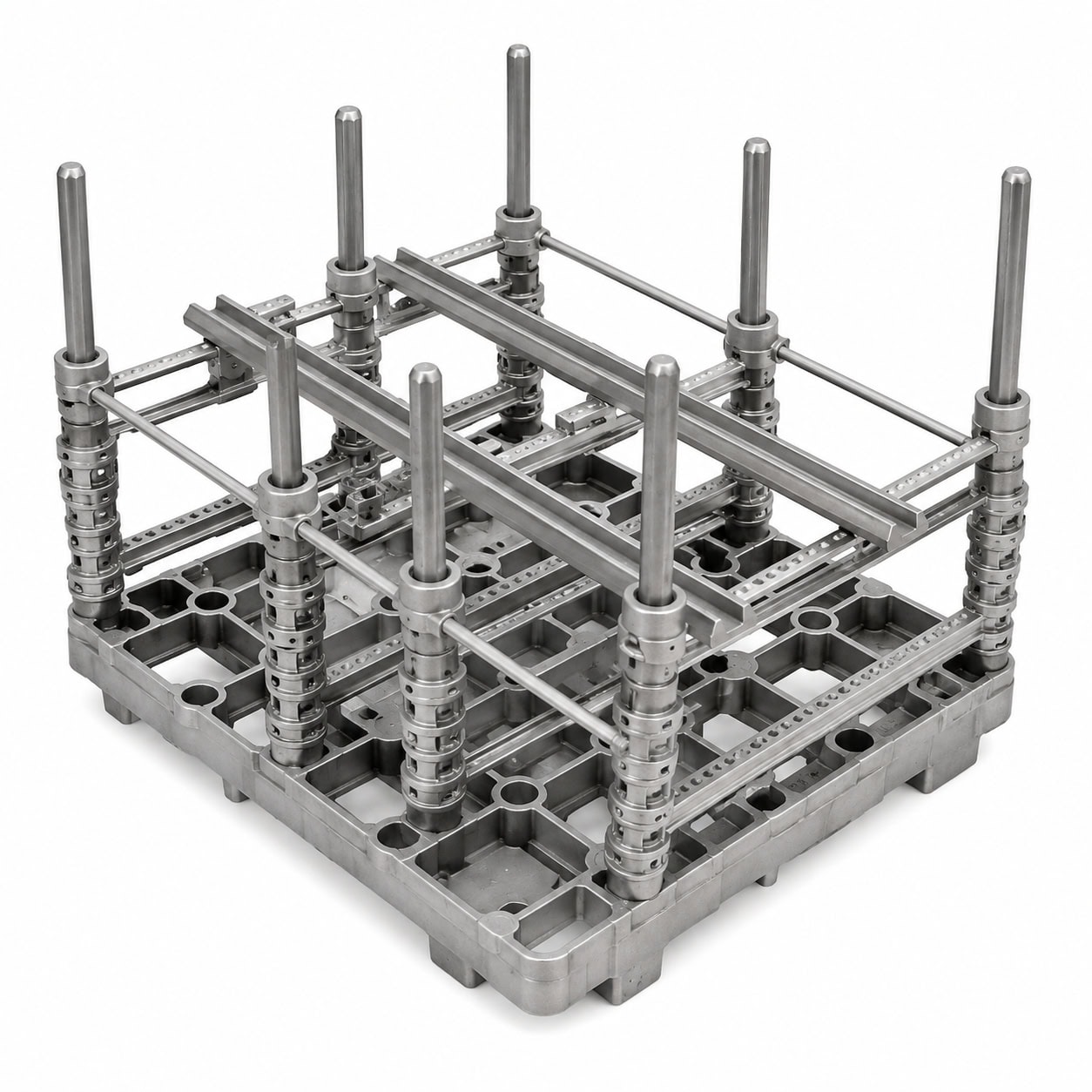
An effective RFQ includes the released workpiece drawing, material specification, furnace type, operating conditions, loading layout, carrier interfaces, quantity and inspection scope. ECOOSUN can review custom heat-resistant components against the project information provided.
Questions buyers ask
Which heat treatment process should a purchaser specify?
Use the process approved for the material and required properties. If the route is undecided, obtain metallurgical review before requesting a production fixture quotation; a carrier supplier needs a defined duty.
How should baskets trays and fixtures be compared?
Compare their ability to retain and support the actual parts, preserve required access and fit the handling equipment. Assess total moving mass and accepted loading layouts as well as the empty carrier price.
Discuss a component requirement with ECOOSUN: send the drawing and operating duty. Include the required quantity and documents so the quotation identifies a reviewable supply scope.
Related component and technical pages: heat treatment process guide | heat treatment trays | heat treatment baskets | heat treatment fixtures

 +44 7419 144346