
Direct answer
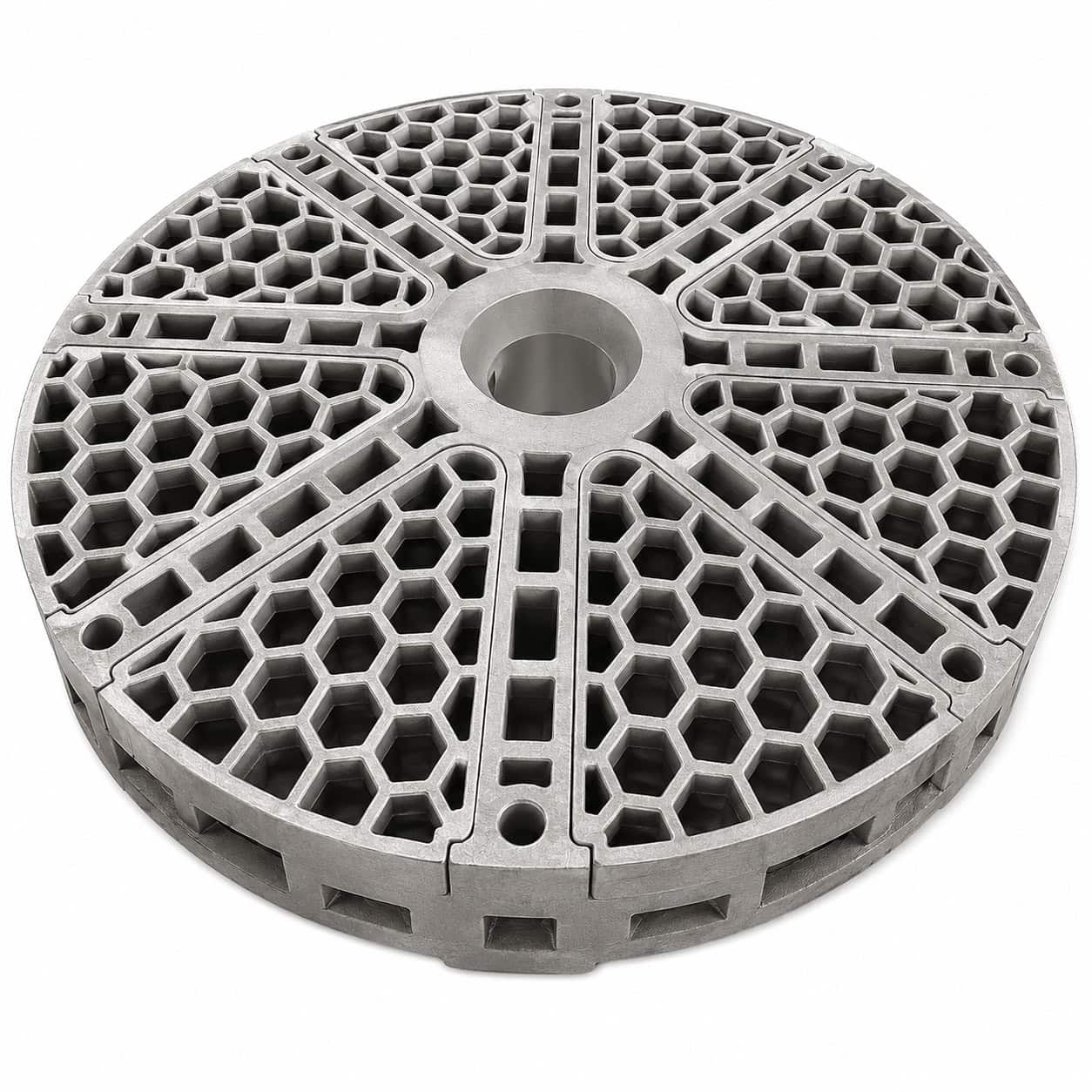
Review heat treatment tray ribs and perforations by asking what each feature must do: carry load, control stiffness, provide access, support airflow, or clear a furnace interface. Distortion can be related to load concentration, support spacing, contact, handling, thermal movement, or a manufacturing issue; the pattern alone does not prove which one. Compare the drawing with the installed tray, mark the deformation, and record the load and support arrangement before changing the design.

Start with the load and support map
Mark where workpieces contact the tray and where the tray contacts rails, rollers, or supports. Note whether the load is centered, spread, stacked, or concentrated near an opening or edge. Then record rib locations and the direction of warp. A tray may distort because the applied load does not follow the support path shown on the drawing.
Treat openings as functional features
Openings may support access, drainage, circulation, weight reduction, or a specific workpiece arrangement. Do not increase or close openings simply to make a tray look stiffer. First check what the openings are intended to clear and whether the changed pattern would affect handling or the furnace interface. The right design is application-specific and should be confirmed against the process.
Compare service evidence with design intent
Photograph the top and underside, measure from stable datums, and identify cracked ribs, polished contacts, blocked openings, and repair marks. Compare the current sample with the drawing revision and any previous inspection record. If the tray has been straightened, note that intervention because it changes how the sample should be interpreted.
How ECOOSUN can help
ECOOSUN can review the tray drawing, worn sample, operating information, and inspection requirements for a custom casting. Send the load map and distortion photographs through Heat Treatment Trays or contact-us.
FAQ
What should a buyer confirm for a heat treatment tray requirement?
Confirm the drawing or used sample, key dimensions and interfaces, furnace type and clearance, load, operating cycle, failure evidence and inspection requirements. Final acceptance criteria should be agreed for the specific project.
Can ECOOSUN review a custom heat treatment tray requirement?
Yes. ECOOSUN can review a customer drawing or used sample and discuss casting, laboratory and inspection requirements for a custom furnace-component project. Suitability and final scope are confirmed from the supplied information.
Manufacturing and Product Evidence
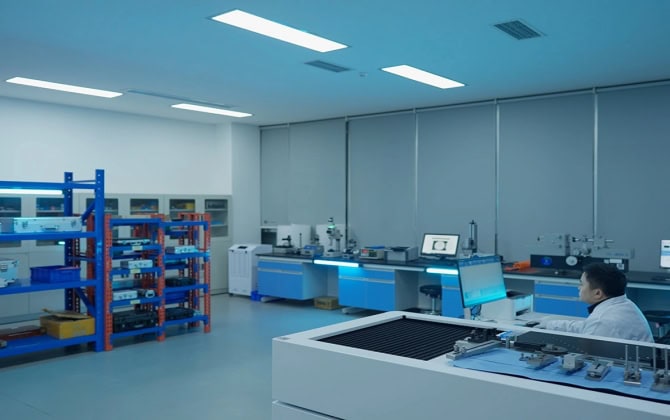
For a project review, send your drawing, sample photos, furnace conditions, quantity and inspection requirements through our Contact Us page.
Related Heat Treatment Tray Resources
Use these technical guides when specifying, inspecting or replacing heat treatment trays for an industrial furnace:
- Heat Treatment Trays: Rib Design, Perforation and Distortion Control
- Heat Treatment Tray Design: Load, Alloy and Deformation
- Heat Treatment Tray Installation and Furnace Clearance Guide
- Heat Treatment Tray Acceptance Inspection Checklist
- Heat Treatment Baskets vs Trays vs Fixtures
Related ECOOSUN Products
Information for a Faster Quotation
Provide alloy grade or service conditions, tray dimensions, load capacity, flatness or clearance requirements, operating temperature, furnace type, quantity, drawing or used sample, and inspection requirements.
Request a Custom Quote · Send Your Drawing · WhatsApp ECOOSUN

 +44 7419 144346