
Direct answer
Furnace rolls support and convey workpieces through parts of a continuous heat-treatment line. The roll body, shafts, drive connection, bearings, supports, surface condition, alignment, and runout all affect how the load moves. A furnace roll is therefore a system component, not simply a round bar. When specifying one, record the line position, load path, support arrangement, drive interface, installed dimensions, and any wear, cracking, or runout evidence.
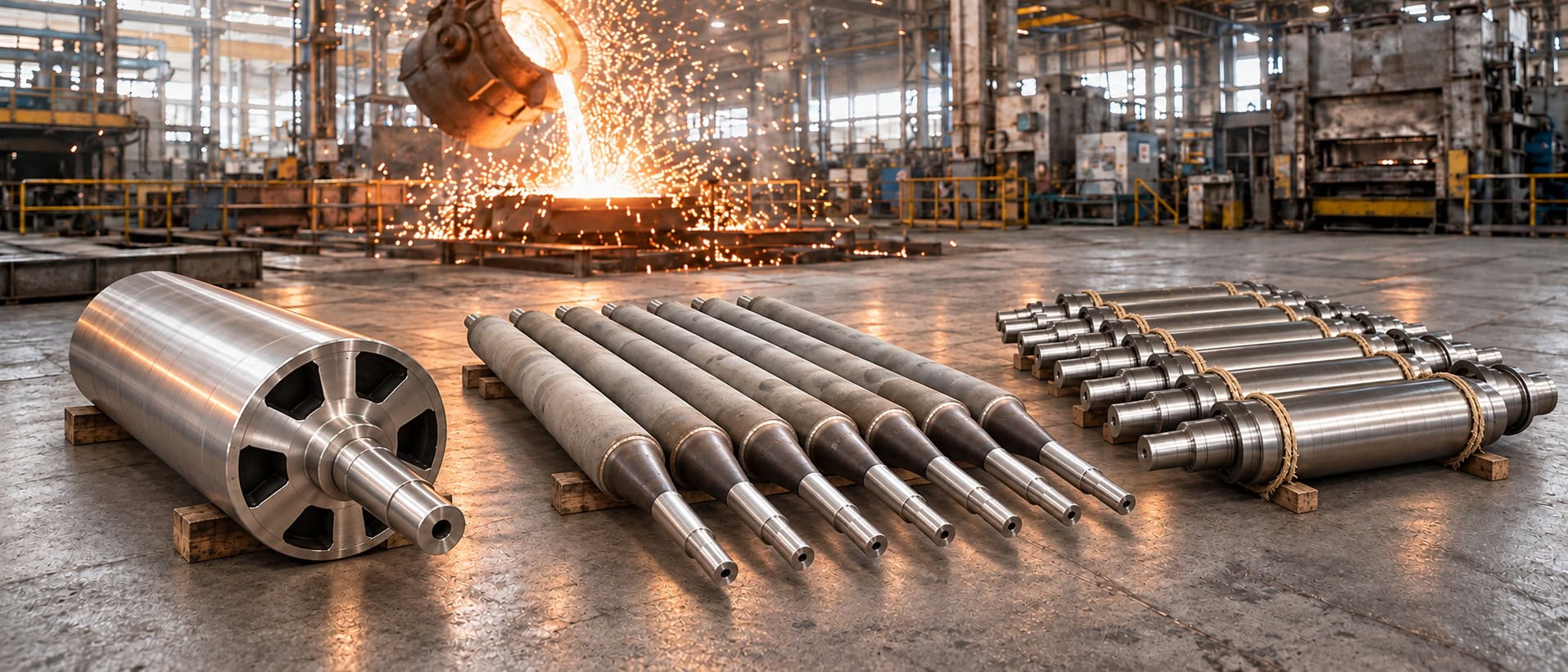
What the roll must do in the line
The roll carries or guides the workpiece while transferring motion from the drive arrangement. Its surface must interact with the workpiece as intended, and its ends must fit the bearing and drive system. A roll can show a problem even when the body looks sound: a support, bearing, shaft, or alignment change may alter the contact pattern.
Describe where the roll sits in the line and what happens before and after it. Note whether the load is centered, whether contact is continuous, and whether the line has experienced vibration or tracking changes. These operating observations help separate a roll-surface symptom from a system-level issue.
What to record before a replacement request
Keep the old roll intact long enough to photograph its installed orientation. Mark the drive end, operator side, line position, and rotation direction. Measure the body, shafts, shoulders, bearing seats, and relevant interfaces from agreed datums. Record runout and surface damage separately.
How ECOOSUN can help
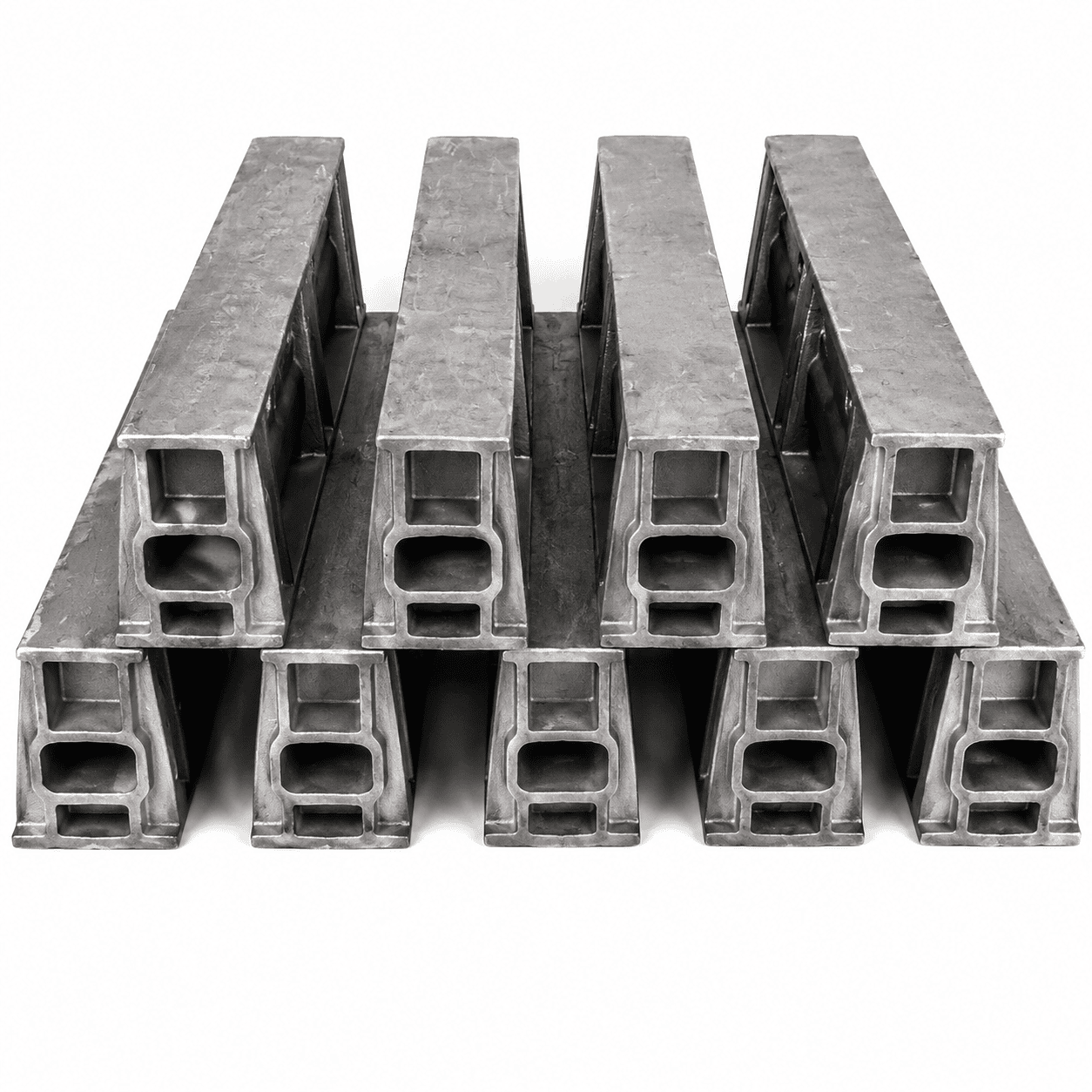
ECOOSUN serves heat-treatment factories and industrial furnace manufacturers and can review roll drawings, worn samples, operating information, engineering requirements, and inspection requirements. Its owner-confirmed scope includes custom casting, a dedicated laboratory, and inspection capability. See Furnace Rolls or use contact-us.
RFQ information checklist
For a useful first review, send the drawing or used sample, key dimensions, furnace type, load, operating cycle, visible failure evidence and any required inspection points. Final material and acceptance decisions are confirmed for the specific project.
Buyer decision point
| Input to confirm | Why it matters |
|---|---|
| Drawing or used sample | Defines the geometry and replacement reference. |
| Furnace interface and clearance | Confirms fit, handling and movement inside the furnace. |
| Load and operating cycle | Supports review of loading, thermal expansion and service conditions. |
| Failure record and inspection requirement | Connects the replacement scope to the observed problem and acceptance check. |
FAQ
What should a buyer confirm for a furnace roll requirement?
Confirm the drawing or used sample, key dimensions and interfaces, furnace type and clearance, load, operating cycle, failure evidence and inspection requirements. Final acceptance criteria should be agreed for the specific project.
Can ECOOSUN review a custom furnace roll requirement?
Yes. ECOOSUN can review a customer drawing or used sample and discuss casting, laboratory and inspection requirements for a custom furnace-component project. Suitability and final scope are confirmed from the supplied information.
Related Furnace Roll Resources
Use these technical guides when specifying, inspecting or replacing furnace rolls for an industrial furnace:
- Furnace Rolls: Material, Runout and Replacement Criteria
- Furnace Roll Replacement: Diameter, Length, Load and Runout
- Why Furnace Rolls Deform and How to Improve Service Life
- Furnace Roll Installation and Alignment Inspection Checklist
- Furnace Roll Replacement and Inspection Guide
Related ECOOSUN Products
Information for a Faster Quotation
Provide alloy grade or service conditions, roll dimensions, load, span, speed, allowable runout, atmosphere, temperature, shaft and drive details, cooling requirements, drawing or used sample, and inspection requirements.
Request a Custom Quote · Send Your Drawing · WhatsApp ECOOSUN

 +44 7419 144346