
Direct answer
Before starting a heat-treatment furnace with a new or replaced radiant tube, inspect the ends and connections, supports, alignment, installed clearance, and contact condition. Compare the installed arrangement with the current drawing and record any forced fit, rubbing, unsupported span, or connection mismatch. Check the tube in the furnace system—not only on the floor—because a small interface error can create contact or restraint that is invisible during a visual check of the loose part.
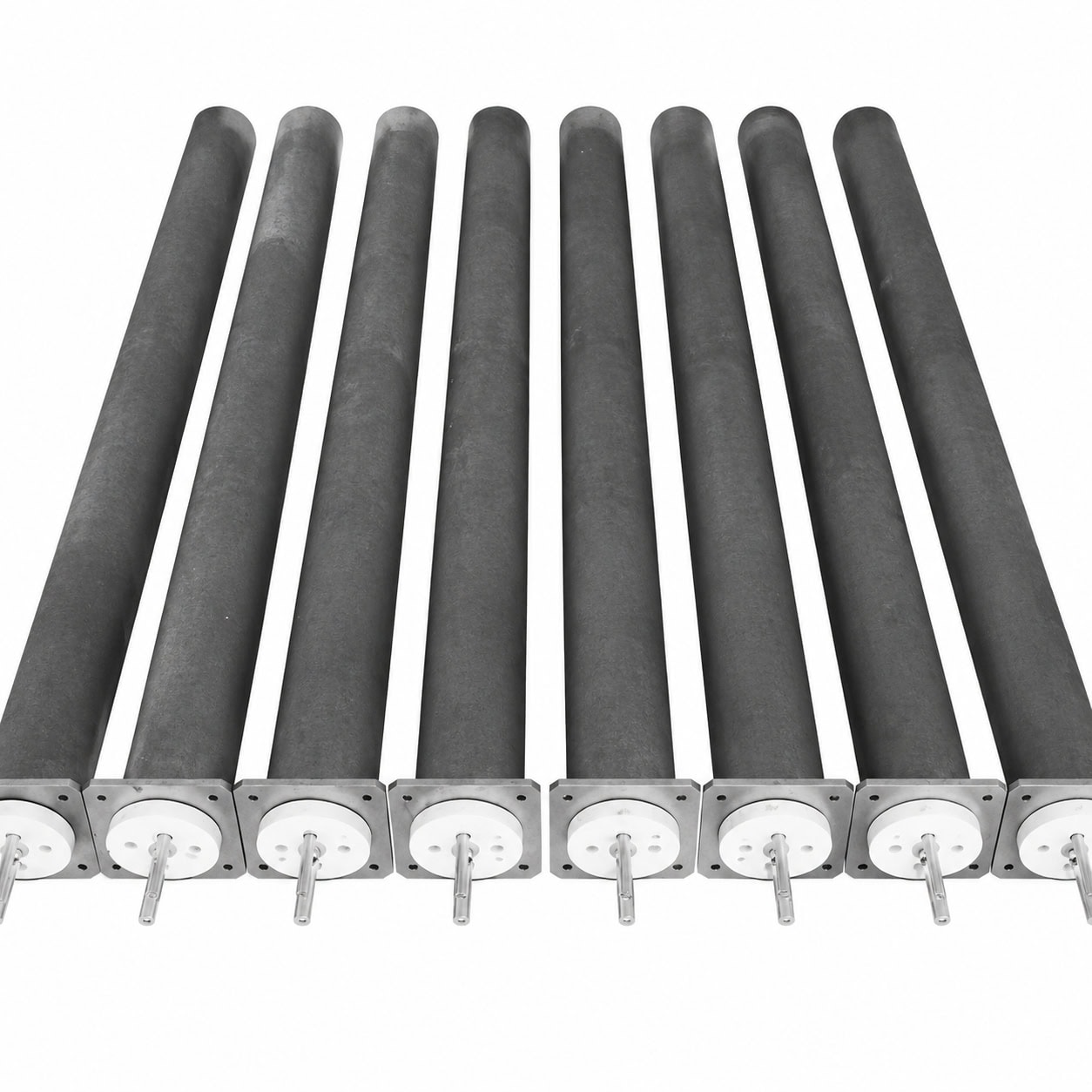
Connection and end checks
Verify the end geometry, connection depth, orientation, fasteners or seals used by the actual furnace, and access for installation. Do not force a connection into position. Photograph the joint before closing covers or insulation. If the tube must be rotated to align, record the final orientation so later inspection has a reference.
Supports, alignment, and clearance
Check every designed support and compare its position with the drawing. Look for a support that is missing, too tight, damaged, or carrying load at an unintended point. Check clearance around bends, ends, burners, refractory, and neighboring tubes. Record both the measured clearance and the method used; “looks clear” is not a repeatable inspection result.
After installation, look for fresh contact marks during a controlled cold movement or inspection step. Follow the site’s safety and lockout procedures. The purpose is to identify interference before the first operating cycle, not to improvise a live-furnace test.
What the inspection record should contain
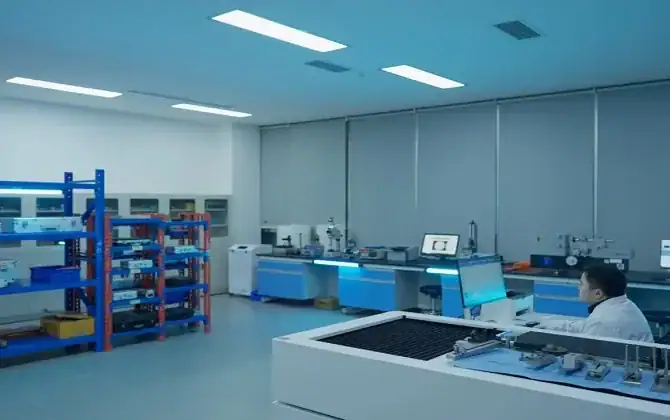
Include part identification, drawing revision, installation date, measured critical dimensions, support and connection checks, clearance observations, photographs, and the name of the inspector. If a deviation is found, record the location and disposition separately. Do not write a root-cause conclusion when the record contains only a visual observation.
ECOOSUN can review the drawing, sample, operating information, and inspection requirements for a custom radiant tube through Radiant Tubes or contact-us.
FAQ
What should a buyer confirm for a radiant tube requirement?
Confirm the drawing or used sample, key dimensions and interfaces, furnace type and clearance, load, operating cycle, failure evidence and inspection requirements. Final acceptance criteria should be agreed for the specific project.
Can ECOOSUN review a custom radiant tube requirement?
Yes. ECOOSUN can review a customer drawing or used sample and discuss casting, laboratory and inspection requirements for a custom furnace-component project. Suitability and final scope are confirmed from the supplied information.
Related Radiant Tube Resources
Use these technical guides when specifying, inspecting or replacing radiant tubes for an industrial furnace:
- Radiant Tubes for Annealing and Heat-Treatment Furnaces
- Straight, U-Type or W-Type Radiant Tubes
- Radiant Tube Failure: Cracking, Sagging and Oxidation
- Industrial Furnace Radiant Tubes: Material and Service Life
Related ECOOSUN Products
Information for a Faster Quotation
Provide alloy grade or service conditions, straight/U/W form, tube dimensions, burner and connection details, operating temperature, furnace zone, quantity, drawing or used sample, and inspection requirements.
Request a Custom Quote · Send Your Drawing · WhatsApp ECOOSUN

 +44 7419 144346