
Direct answer
Quality inspection for a heat-resistant steel casting should be planned around the part’s function, critical dimensions, load path, furnace interface, operating environment and buyer requirements. A useful checklist normally covers drawing and revision control, visual condition, dimensions, critical interfaces and any agreed material or mechanical documentation. The exact inspection scope must be confirmed for each project rather than assumed from a product name.
Related product: For a project-specific review, see Heat-Resistant Steel Foundry.
Related evidence: Use the related ECOOSUN engineering and inspection guidance to prepare the technical information for review.
Before casting: control the specification
Start with the current drawing, CAD model or approved sample. Mark critical dimensions, locating surfaces, support points, lifting features, connection details, machined areas and areas that must remain clear inside the furnace. Record the drawing revision and any approved change.
For a replacement part, compare the drawing with the worn sample and installation photographs. A worn or deformed sample may not represent the original geometry, so the difference should be recorded for engineering review.
During manufacturing: connect the route to the part
The inspection plan should reflect the selected casting and finishing route. Depending on the geometry, the project may involve casting, heat treatment, machining, cleaning and final dimensional checks. The responsible supplier should define which process records and checkpoints are relevant to the buyer’s requirements.
Do not treat a factory photograph as a substitute for a signed inspection record. A photograph can show a process area, while a quality record demonstrates what was checked on a specific order.
Final inspection categories
Visual and surface condition
Check the surfaces, edges, openings, transitions, supports, lifting points and machined areas for the conditions defined in the purchase specification. Photograph any nonconformity and record its location.
Dimensions and interfaces
Measure overall dimensions and all critical furnace, conveyor, burner, support, drive, lifting or locating interfaces. For rolls and tubes, include the relevant end details and straightness or runout requirements when specified.
Material and mechanical documentation
If the buyer requires material, mechanical or other testing, identify the requested method, standard, sample identity and acceptance criteria before production. Do not claim that a test was completed unless a traceable record exists.
Fit and application review
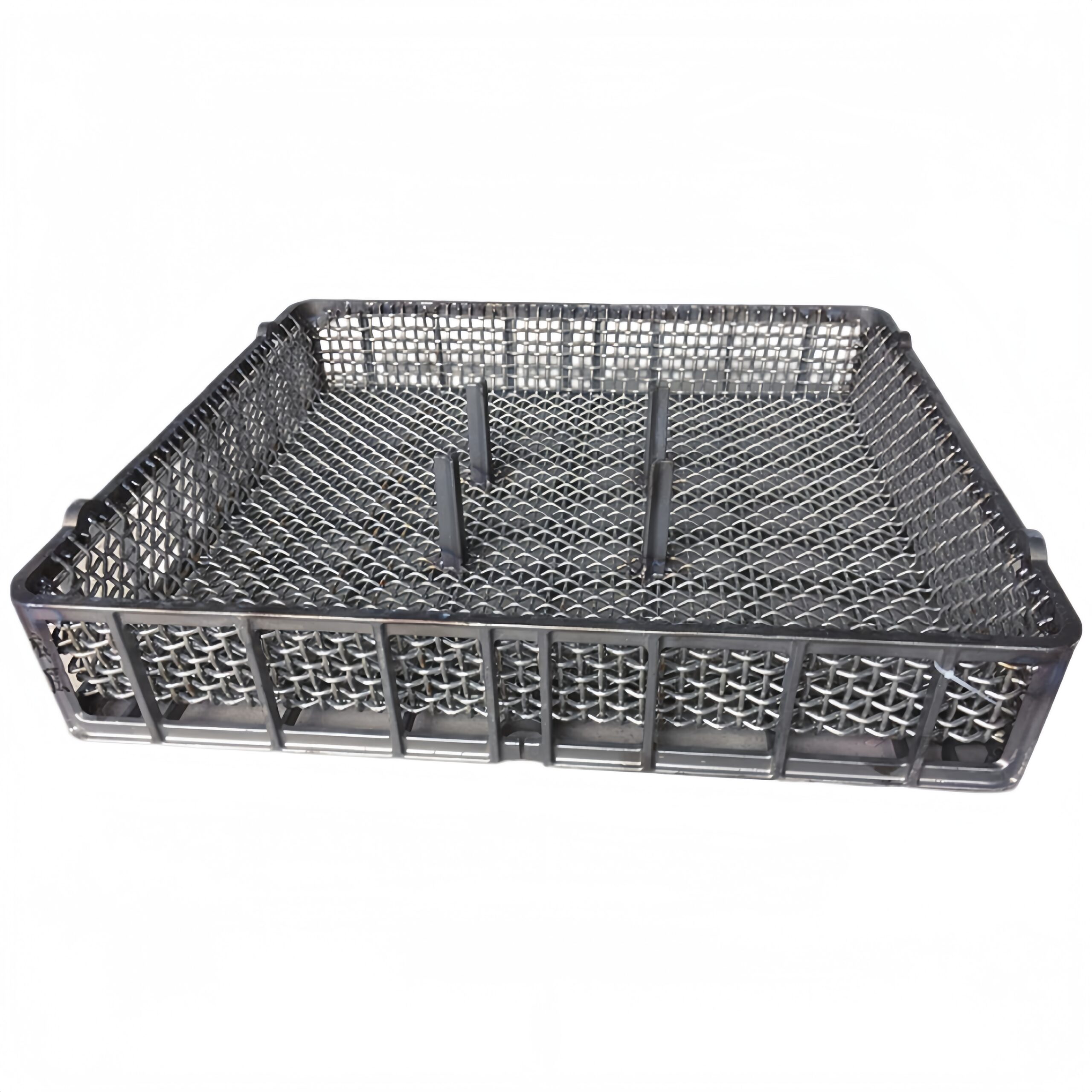
The finished part should be checked against the furnace layout and the intended load path. This is especially important for baskets, trays and fixtures, where a small interface difference can affect handling or clearance.
Product-specific inspection questions
- Baskets: Are lifting points, support areas, openings and critical dimensions correct?
- Trays: Are support and conveying interfaces aligned with the furnace equipment?
- Fixtures: Do locating points and workpiece clearances match the approved design?
- Radiant tubes: Do ends, supports, bends and connection details match the furnace installation?
- Furnace rolls: Are diameter, length, end details, support/drive interfaces and any specified runout checks complete?
See the Heat Treatment Furnace Parts Guide for the common technical inputs and contact ECOOSUN for a project review.
Questions to ask a casting supplier
Ask which drawing revision was used, which dimensions are critical, what inspection documents will be supplied, how nonconformities are recorded and which application inputs are still missing. This creates an auditable conversation without making unsupported claims about a supplier’s equipment or test scope.
Frequently asked questions
Is visual inspection enough for a furnace part?
Not necessarily. The appropriate inspection depends on the part function, geometry, load, interfaces and buyer specification. Visual checks are one part of a project-specific plan.
Should I request every possible test?
Not automatically. Request the tests that relate to the part’s function and the purchase specification, then confirm method, acceptance criteria and documentation.
Can inspection requirements be decided after quotation?
They can be clarified during technical review, but defining them before production reduces scope uncertainty and improves quotation quality.
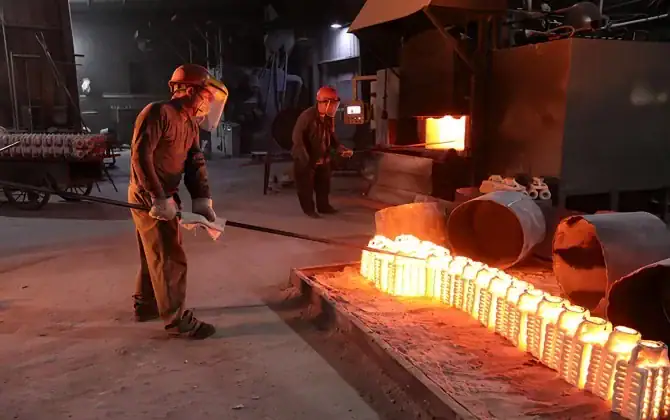
Production context: The component reference should be read together with the manufacturing and inspection context behind the furnace application.

Related Quality and Procurement Evidence
Use these guides to define inspection, documentation, traceability and release requirements for custom heat-resistant furnace castings:
- First Article Inspection for Custom Heat-Resistant Steel Castings
- Material Certificates and Quality Documents for Heat-Resistant Castings
- How to Read a Heat-Resistant Casting Inspection Report
- Heat and Batch Traceability for Custom Heat-Resistant Castings
- Inspection and Test Plan for Custom Furnace Castings
- Witness Points and Hold Points for International Furnace-Part Orders
- Nonconformance, Rework and Corrective Action for Custom Castings
Related ECOOSUN Products
Information for a Faster Quotation
Provide the drawing revision, material standard, critical dimensions and tolerances, required inspection and NDT scope, traceability documents, report format, witness or hold points, and final release requirements.
Request a Custom Quote · Send Your Drawing · WhatsApp ECOOSUN

 +44 7419 144346