
Direct answer
For a custom heat treatment fixture RFQ, provide the workpiece drawing or sample, required locating points, supported load, fixture envelope, furnace interface, handling method, atmosphere, thermal-cycle information and known failure history. If the existing fixture is worn or distorted, send photographs and measurements before repair. These inputs allow the supplier to distinguish a simple replacement from a design review involving support, clearance, restraint or access.
Buyer decision point
| Input to confirm | Why it matters |
|---|---|
| Drawing or used sample | Defines the geometry and replacement reference. |
| Furnace interface and clearance | Confirms fit, handling and movement inside the furnace. |
| Load and operating cycle | Supports review of loading, thermal expansion and service conditions. |
| Failure record and inspection requirement | Connects the replacement scope to the observed problem and acceptance check. |
Minimum RFQ package
A practical RFQ should include:
- workpiece drawing, sample or clear dimensional record;
- fixture drawing, worn fixture or current photographs;
- locating points, support surfaces and required orientation;
- overall envelope and critical furnace clearances;
- workpiece weight, batch arrangement and handling method;
- furnace type, supports, rails, rollers or transfer interfaces;
- atmosphere and thermal-cycle information;
- distortion, cracking, wear, sticking or misalignment history;
- required machining, inspection and documentation;
- quantity, delivery and packaging requirements.
Mark each input as confirmed, estimated or unavailable. A transparent RFQ is more useful than a long specification containing assumptions.
When the current fixture is available
Photograph the fixture in its working orientation. Show the workpiece contact points, lifting features, support legs, joints, clearances and any contact with the furnace. Record bends, cracks, worn surfaces, missing parts and areas that stick to the workpiece.
Measure the features that control fit-up. Do not straighten, cut or discard the fixture before recording the damage. The current condition may show whether the problem comes from support, load, handling, clearance, thermal movement or repeated contact.
Replacement or controlled redesign
If the equipment and workpiece are unchanged, the first question may be whether the approved fixture geometry can be reproduced. If the failure has repeated or the process changed, review whether a support, locating point, transition, clearance or handling feature should be adjusted.
Any design change should be documented and approved by the buyer. The quotation should identify what is being reproduced, what is being reviewed and what information is still required.
Inspection and acceptance discussion
State the dimensions and interfaces that must be checked. If additional testing or documentation is required, identify it in the RFQ so the supplier can review the inspection scope before production. ECOOSUN has a dedicated laboratory and inspection capability; the applicable inspection items should still be agreed for the specific fixture and application.
ECOOSUN supplies custom heat treatment fixtures for heat-treatment factories and industrial furnace manufacturers. Submit the available RFQ information through the Heat Treatment Fixtures page or contact ECOOSUN.
Frequently asked questions
Can I request a quotation without a complete drawing?
Yes. A worn sample, photographs, key measurements and furnace information can start a review. The quotation may require additional confirmation before it is finalized.
Do I need to specify a material grade in the first RFQ?
Only if it is confirmed and required by the application. Otherwise provide the operating conditions and inspection requirements so the supplier can review the appropriate route without inventing a grade.
What makes a fixture RFQ high quality?
It clearly identifies the workpiece, locating strategy, load, interfaces, operating information, failure history and acceptance requirements, while distinguishing confirmed data from assumptions.
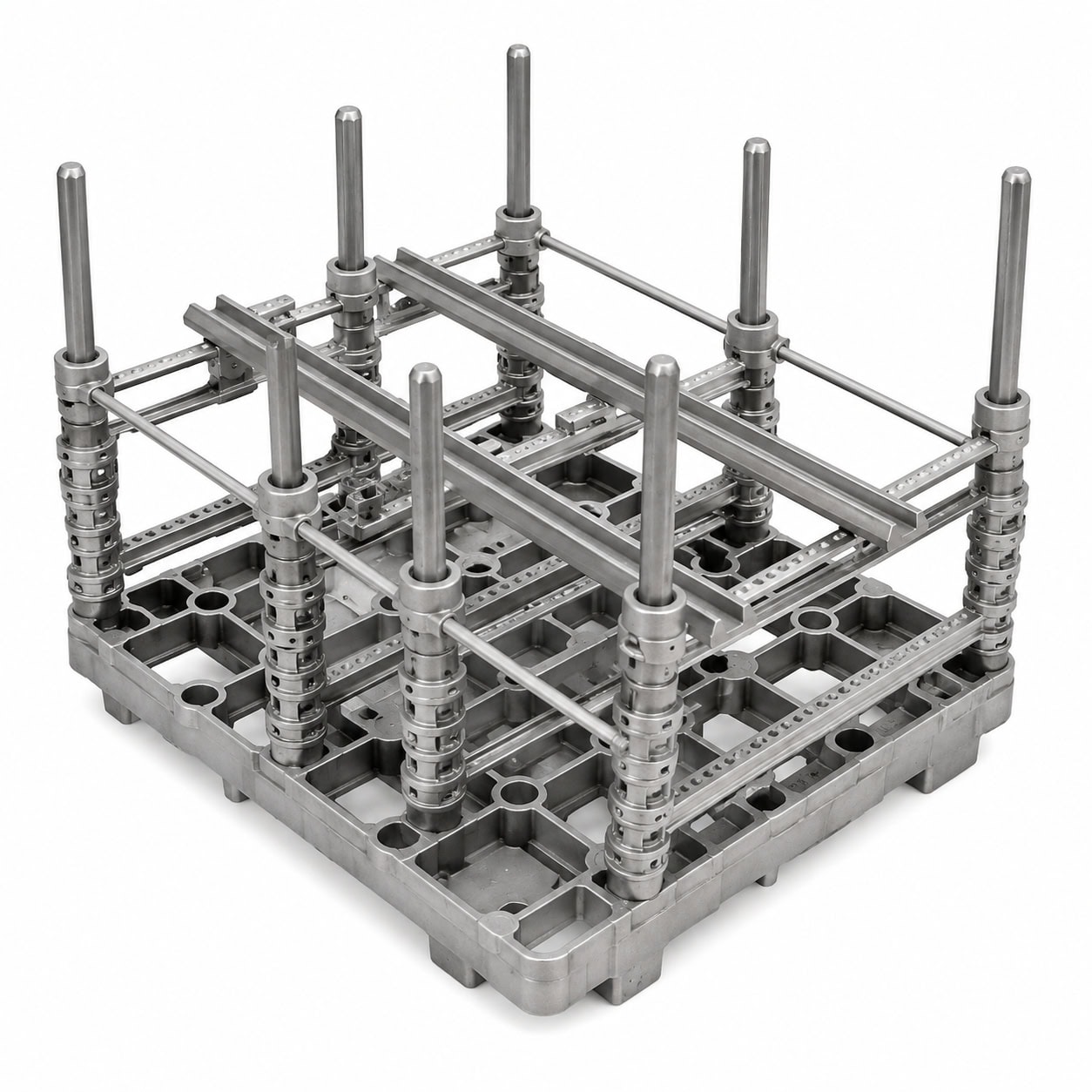
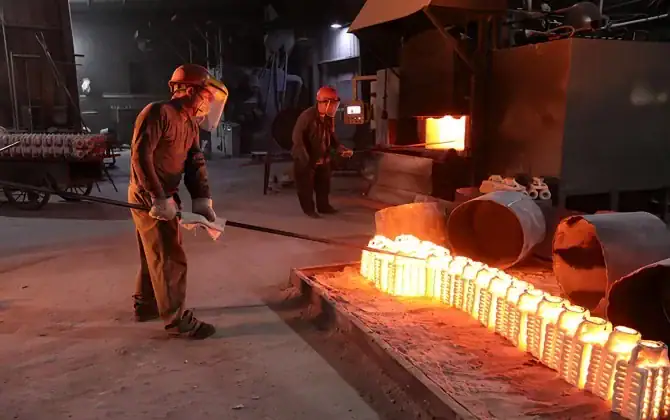
Production context: The component reference should be read together with the manufacturing and inspection context behind the furnace application.

RFQ information checklist
For a useful first review, send the drawing or used sample, key dimensions, furnace type, load, operating cycle, visible failure evidence and any required inspection points. Final material and acceptance decisions are confirmed for the specific project.
Related Heat Treatment Fixture Resources
Use these technical guides when specifying, inspecting or replacing heat treatment fixtures for an industrial furnace:
- Custom Heat Treatment Fixtures: Buyer RFQ and Drawing Checklist
- Heat Treatment Fixture Workpiece Location and Release Design
- Heat Treatment Fixtures for Repeated Furnace Cycles
- Heat Treatment Fixture Dimensional Acceptance Checklist
- Why Does a Heat Treatment Fixture Lose Alignment?
Related ECOOSUN Products
Information for a Faster Quotation
Provide alloy grade or service conditions, workpiece geometry, locating and release points, dimensions and tolerances, cycle temperature, furnace type, quantity, drawing or used sample, and inspection requirements.
Request a Custom Quote · Send Your Drawing · WhatsApp ECOOSUN

 +44 7419 144346