
Direct answer
Document a failed heat-treatment furnace part in five layers: identify the part, preserve its orientation, photograph the whole and damaged areas, measure from useful datums, and add installation and operating history. Keep observations separate from suspected causes. A supplier can make a better replacement or inspection plan when the package includes the current drawing or worn sample, furnace interface, load or support arrangement, recent changes, and the buyer’s required inspection records.
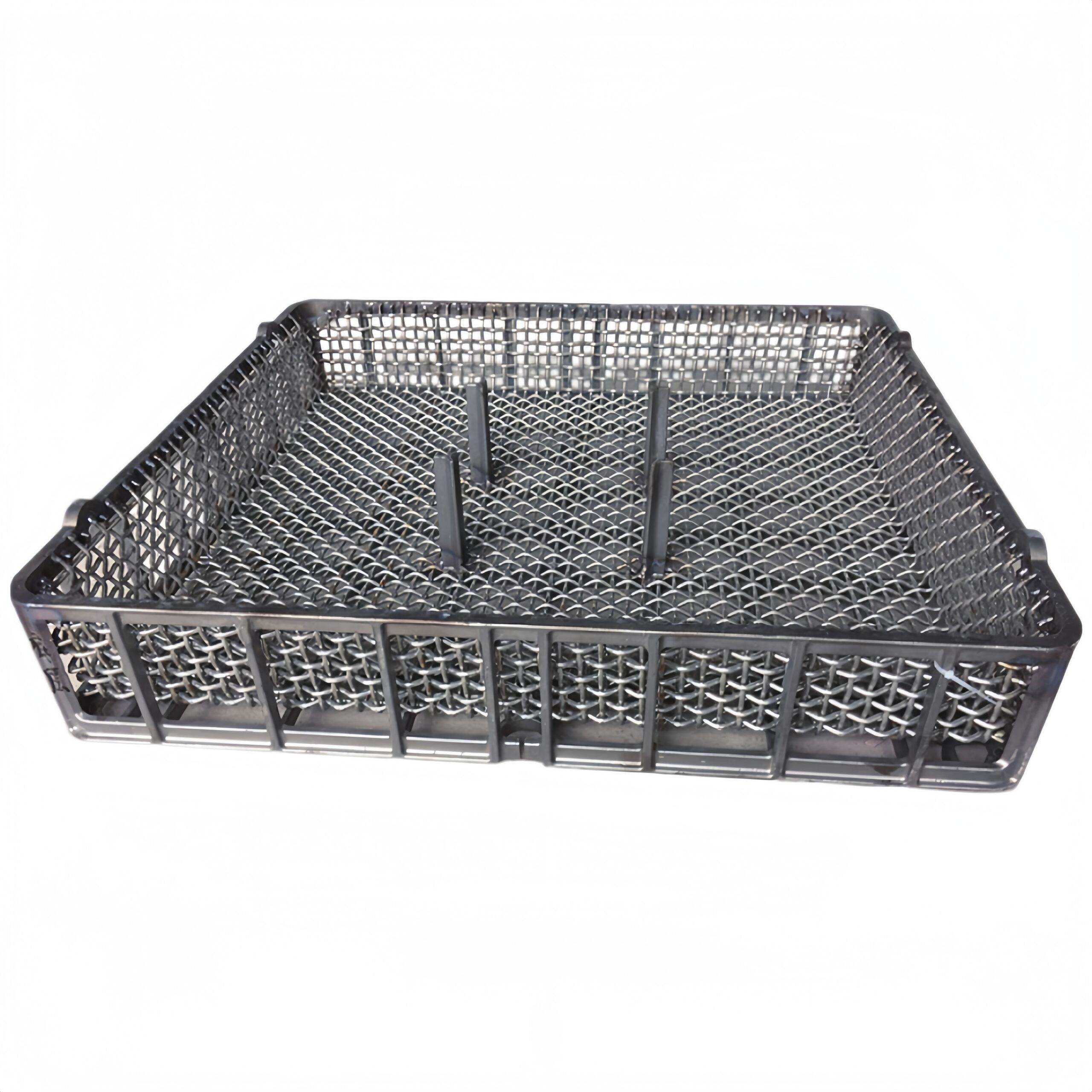
Step 1: identify and orient the part
Record part name, line or furnace position, drawing number and revision, removal date, and reason for removal. Mark drive end, burner end, operator side, lifting points, top, bottom, or flow direction as appropriate. If pieces are broken, label their original relationship.
Step 2: make a photo map
Take full-part photographs before cleaning, cutting, straightening, or welding. Follow with close-ups of every crack, worn surface, contact mark, distorted feature, repair, and interface. Add a scale and a reference direction. Number the photographs and refer to those numbers in the written record.
Step 3: measure and add context
Measure overall dimensions and critical interfaces from stable points. Mark whether a value is nominal, worn, distorted, or estimated. Add load arrangement, support points, handling method, cycle history, atmosphere where relevant, and recent maintenance or line changes.
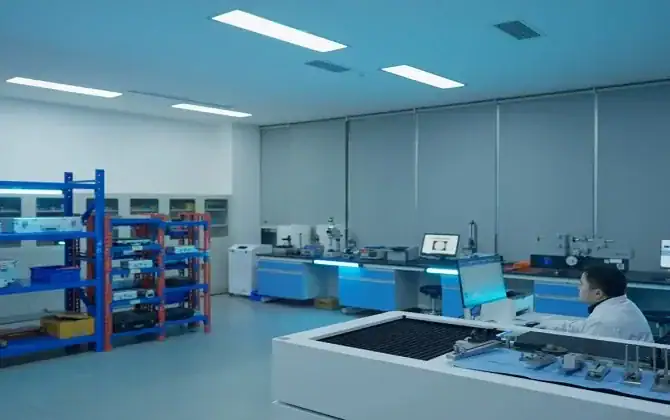
Send a complete package
ECOOSUN can review drawings, worn samples, operating information, engineering requirements, and inspection requirements for custom cast furnace parts. Route the package through Heat-Resistant Steel Casting or contact-us.
FAQ
How should a failed furnace part be photographed for review?
Start with the full component and its orientation, then add scaled close-ups of affected areas. Mark supports, interfaces and damage locations, and link each photograph to the part identification.
What information should accompany failure photographs?
Include the drawing revision, installation position, load and operating history, with the date the damage was observed. Preserve uncertainties and distinguish recorded observations from proposed explanations.
Related Failure Analysis Resources
Document observed damage separately from an unverified cause, and confirm the replacement design against furnace duty.
- Heat-Resistant Casting Failure Analysis Checklist
- What Evidence Is Reliable in Furnace-Part Failure Analysis?
- Thermal-Cycling Failure Analysis for Heat-Resistant Cast Parts
- Heat-Resistant Casting Defects: Observable Symptoms vs Root Causes
Product families where this guidance may apply
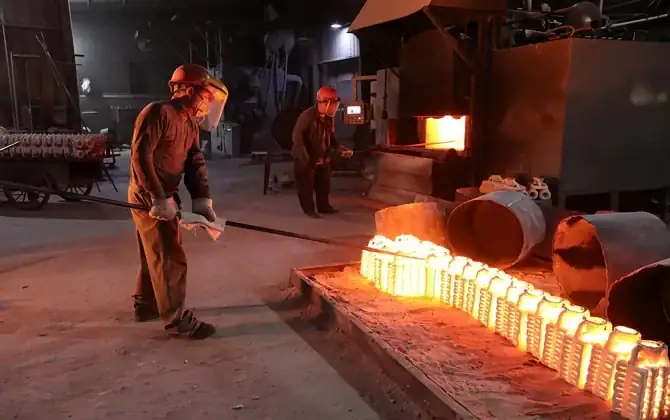
Manufacturing and quality evidence · Official company facts and current catalog
Information for a Faster Quotation
Provide the drawing revision, product family, dimensions, furnace conditions, quantity and required inspection documents. Final design, material and acceptance criteria require project-specific agreement.
Request a Custom Quote · Send Your Drawing · WhatsApp ECOOSUN

 +44 7419 144346