
A roller hearth furnace moves work or load carriers along a series of rollers through the processing zone. Furnace type affects how a load is supported and transferred. Buyers comparing continuous and batch equipment should map the path of the workpiece, including every point of contact with rolls, belts, trays, baskets or fixtures. The following sections focus on procurement questions for the furnace layout. ECOOSUN supplies heat-resistant components for furnace builders and heat treaters, not complete furnaces.
For a roller conveyor RFQ, review the furnace rolls together with the drive, journals and carrier transfer interfaces.

In a roller hearth furnace, confirm the roller pitch, working width, load footprint, transfer direction and the conditions at the roll supports. Ask the equipment supplier which rolls are included and which are treated as replaceable wear parts. For a roll RFQ, share the drawing, operating cycle, load, speed and any runout or alignment limits. ECOOSUN manufactures custom furnace rolls to an approved drawing and duty; the furnace builder should confirm system-level capacity and operating limits.
Mesh Belt Furnace
A mesh belt furnace carries parts through processing zones on a moving open metal belt. For a mesh belt furnace, define the product size range, loading density, belt width, support arrangement and transfer interface at the entry and exit. Clarify whether the quotation includes the conveying belt, supporting rolls or other internals. If a replacement component is needed, record the belt or furnace model only as reference; provide actual dimensions, material requirements, environment and wear evidence so a supplier can evaluate the part being purchased.
Pusher Furnace
A pusher furnace advances a sequence of loads or carriers through the furnace using a pushing mechanism. A pusher furnace moves loads through successive positions, so procurement review should capture the load carrier geometry, pusher contact, support rails and transfer clearances. Confirm how a loaded carrier is indexed and removed, and whether accumulated tolerances affect neighboring components. Share the load pattern and the full carrier outline with suppliers asked to quote trays, skids or other heat-resistant parts.
Batch Furnace
A batch furnace treats one defined charge through a cycle before the next charge is processed. A batch furnace processes a load in a stationary chamber during a cycle. Buyers should state the batch envelope, total moving mass, lifting or charging method, support points and required loading pattern. A carrier must fit the chamber and handling method while leaving the access required by the process. Provide both empty carrier mass and workpiece load when the equipment supplier requests a moving-load estimate.
Pit Furnace
A pit furnace generally uses a vertical chamber loaded from above, with the work supported or suspended inside. For a pit furnace, confirm usable depth and diameter, access and lifting arrangement, load suspension or support method, and the clearance needed to lower and retrieve the work. Ask whether the load hangs from a fixture or rests on a base. Send section views and the maximum load arrangement to the component supplier; an outside diameter alone cannot define safe fit or contact conditions.
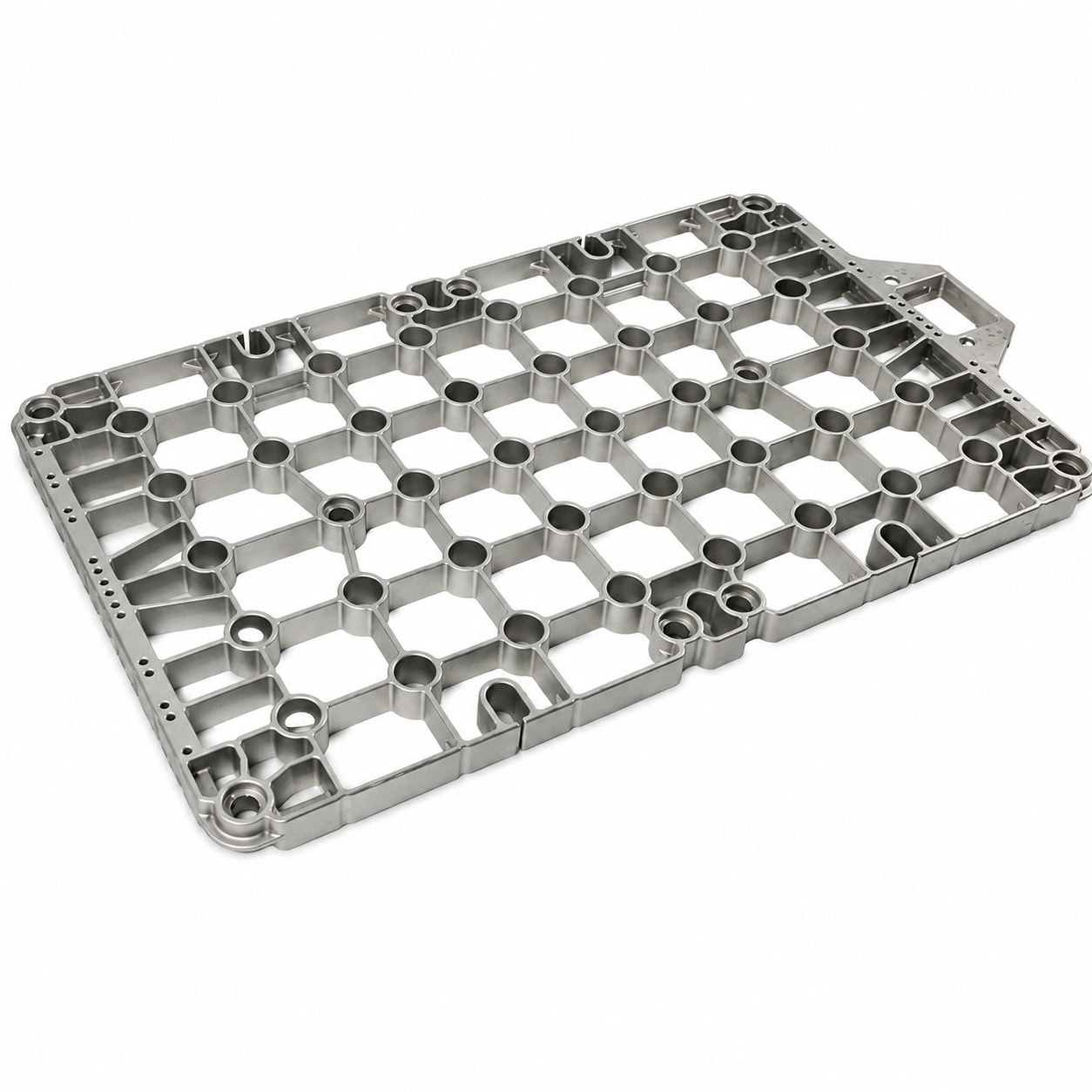
Compare equipment on the same production basis and obtain a list of included internals, interfaces, replacement scope and acceptance data. ECOOSUN can review a component drawing or sample for a custom furnace part. The furnace supplier remains responsible for furnace-system selection and performance; component dimensions, material and inspection criteria should be agreed separately.
Questions buyers ask
How do roller hearth and pusher furnace carrier requirements differ?
Roller hearth carriers bridge rotating contacts and transfer gaps. Pusher carriers also need defined pushing contacts and interfaces with adjacent loads. Each arrangement needs its own support and transfer drawing.
What is the first check when replacing a furnace roll?
Match the drawing revision, barrel geometry, journals and support interfaces. Then review load distribution, temperature, drive connection and inspection locations; outside diameter alone is insufficient.
Discuss a component requirement with ECOOSUN: send the drawing and operating duty. Include the required quantity and documents so the quotation identifies a reviewable supply scope.
Related component and technical pages: furnace rolls | heat treatment trays | heat treatment baskets | heat treatment fixtures | furnace parts selection guide

 +44 7419 144346