
Annealing is a controlled heating and cooling treatment used to change a material condition, for example to soften it or improve subsequent processing. Annealing requirements depend on the material and the purpose of the treatment. From a purchasing standpoint, the load arrangement matters because parts must be supported and moved through the specified cycle without blocking required access or creating unreviewed contact. This guide helps production and procurement teams define the process information and furnace components to include in a quotation.
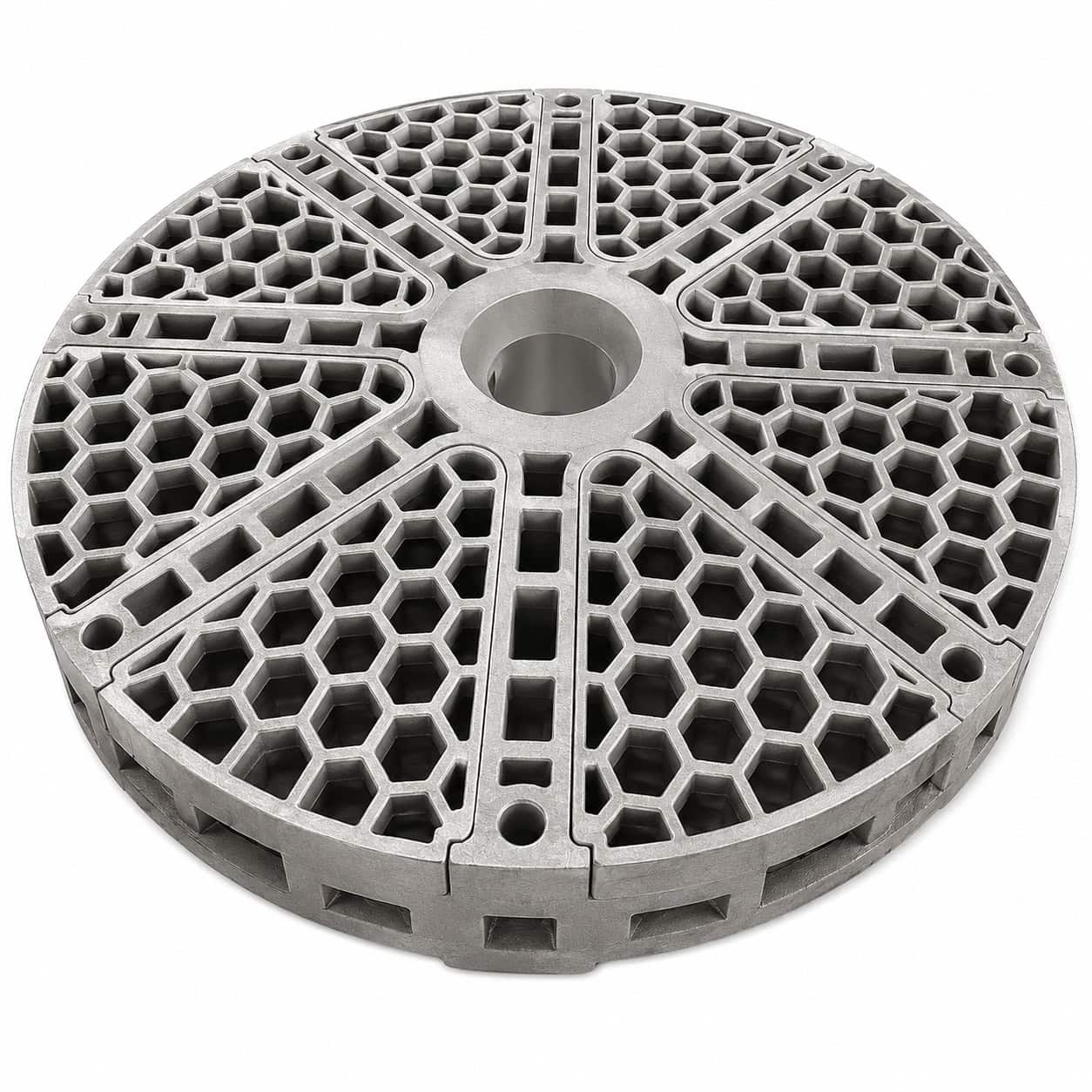
To define a repeatable loading surface, review heat treatment trays against the permitted annealing layouts.
Before ordering a carrier for annealing, identify the material family, part range, batch size, loading orientation and furnace supports. Specify the approved cycle and atmosphere through the process owner rather than asking a component supplier to infer them. Then show the contacts and spacing on a drawing. This lets the supplier review the part’s geometry, support points and handling interfaces against the stated duty.
Metal Annealing
Metal annealing describes annealing treatments for different metals; the required cycle depends on the alloy, starting condition and intended result. For metal annealing, the name of the metal is not enough to define the carrier. Parts with different thicknesses, surface conditions and shapes may need different support or separation. Provide the heaviest load, the smallest component, the most concentrated arrangement and any faces that must remain free of contact. If loads vary, identify permitted loading cases so the design is assessed against the real production envelope.
Steel Annealing
Steel annealing uses a grade-specific heating and cooling route to obtain a specified structure or material condition. A steel annealing load should be specified with the steel grade or product specification, part geometry, batch arrangement and approved cycle. Include any risk of distortion or damage that changes how parts may touch. A supplier can assess the carrier design and its support layout, but the process owner should approve the recipe, material condition and product acceptance criteria. Keep those responsibilities clear in the RFQ.
Annealing Furnace
An annealing furnace provides the heating environment and cycle control needed for the specified annealing operation. When selecting an annealing furnace or replacing its internals, confirm the usable chamber, support rails, loading equipment and clearance during insertion and removal. State whether the process uses a batch carrier or continuous transfer. These interfaces influence the dimensions and handling features of trays, baskets and fixtures. A furnace drawing with the load envelope is more useful than a nameplate alone.
Continuous Annealing
Continuous annealing processes material as it moves through successive heating and cooling zones. For continuous annealing, production rate and travel through the line make transfer geometry important. Document how the product enters, travels and exits, along with the carrier or roll contacts and the line’s operating environment. Ask the furnace builder to identify wear parts and their service interfaces. A replacement component RFQ should include the line location, dimensions, load and any observed failure or alignment issue.
Isothermal Annealing
Isothermal annealing includes a controlled hold at a selected transformation temperature rather than relying only on continuous slow cooling. For isothermal annealing, include the full approved sequence and the point at which the load is held or transferred. The term describes a process route, not a universal equipment or carrier specification. Share the cycle stages relevant to the component, load configuration and support arrangement. The responsible metallurgist or process engineer should confirm the treatment parameters and resulting material requirements.
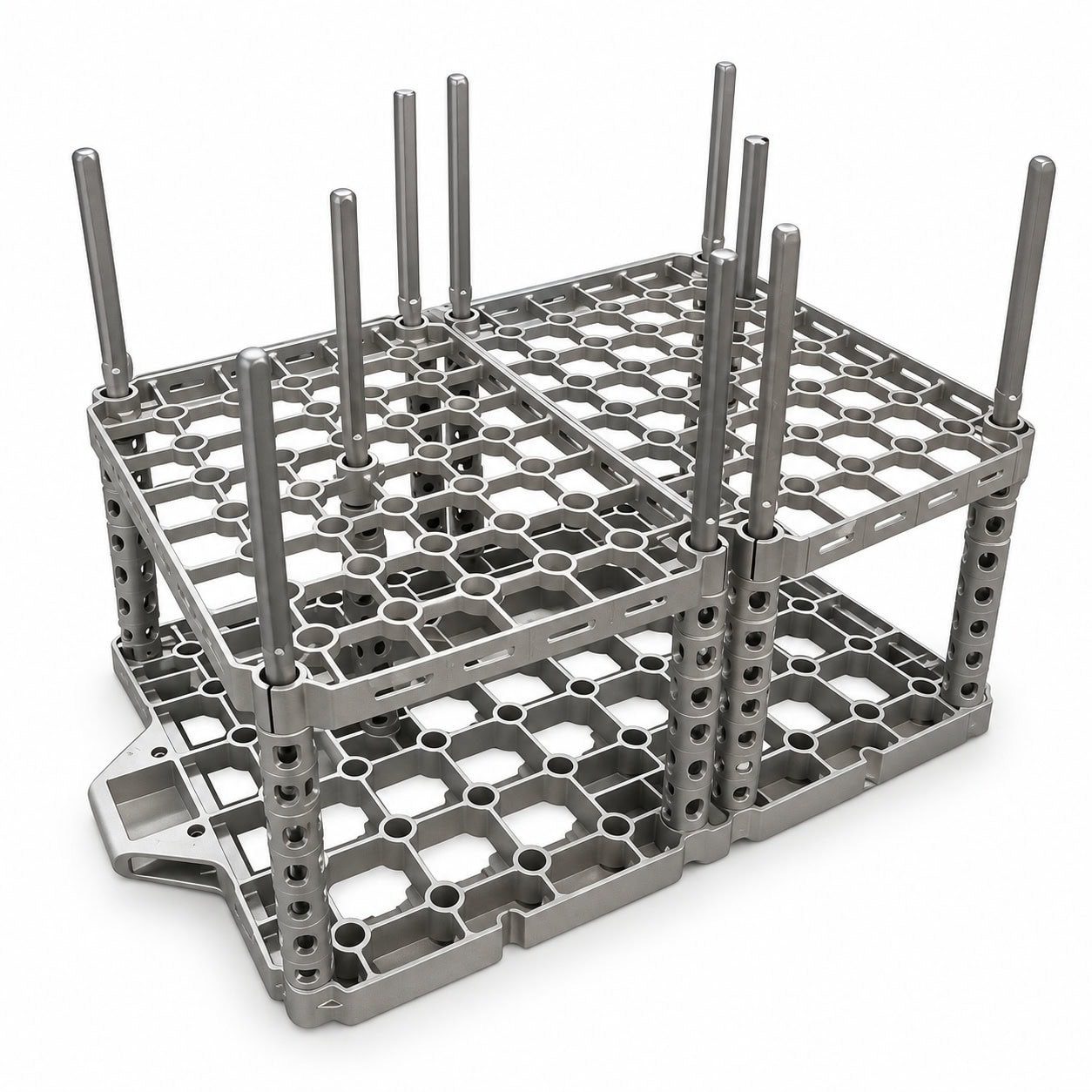
For a quote, send the furnace type, approved cycle, workpiece drawing, load layout, total weight, support details and quantity. If you are replacing an existing carrier, include a drawing revision or clear photos with dimensions and mark worn areas. ECOOSUN can review custom heat-resistant trays, baskets and fixtures for the stated application.
Questions buyers ask
Can the same tray serve different annealing loads?
Possibly, if each allowed layout and thermal cycle is reviewed. Record concentrated loads, overhangs, contact restrictions and support locations instead of approving the tray from total mass alone.
What changes when annealing becomes a continuous operation?
Transfer pitch, speed, entry and exit interfaces become purchasing inputs alongside temperature and atmosphere. Check carriers and rolls across the complete travel route.
Discuss a component requirement with ECOOSUN: send the drawing and operating duty. Include the required quantity and documents so the quotation identifies a reviewable supply scope.
Related component and technical pages: heat treatment trays | heat treatment baskets | heat treatment fixtures | radiant tubes for annealing furnaces

 +44 7419 144346