
Direct answer: Radiant tubes transfer heat into a heat-treatment furnace through a burner or heating system. Selection depends on the furnace layout, burner interface, dimensions, atmosphere, operating cycle and failure history. ECOOSUN can review a drawing or used sample for a project-specific replacement.
Radiant tube replacement should begin with the furnace layout and burner arrangement. A tube that fits the nominal length may still be unsuitable if the burner connection, support points, flue path or hot-zone clearance is different.
When each configuration may be considered
Straight radiant tubes are often considered where the furnace allows a direct tube path and the burner and exhaust arrangement are aligned with the installation space.
U-type radiant tubes can provide a return path within a compact furnace arrangement. The bend radius, support method and connection dimensions need to match the existing equipment.
W-type radiant tubes may be selected where a longer effective heating path or a particular furnace layout is required. The number and position of bends make drawing confirmation especially important.
These are selection categories, not interchangeable standards. The correct design depends on the furnace manufacturer, heating zone, burner type, tube material, wall thickness, installation clearance and operating cycle.
Information required for replacement
Provide the existing tube drawing or a clear dimensional sketch showing overall length, outside diameter, wall thickness, bend centerline, connection details, support points, burner interface and exhaust side. Photos of the installed tube and the damaged area can also help identify the failure mode.
ECOOSUN supplies custom Radiant Tubes for industrial furnace applications. Material discussions may include EN 1.4852 / 25Cr-35Ni-Nb, EN 1.4851 / X15CrNiSi25-21, EN 1.4845 / 25Cr-20Ni, EN 1.4857 / HP40 and HU / ZG45Ni38Cr18Si2, subject to the actual furnace conditions.
For a preliminary replacement quote, use Request a Custom Quote or WhatsApp ECOOSUN. Include the quantity, delivery location and required delivery timing if available.
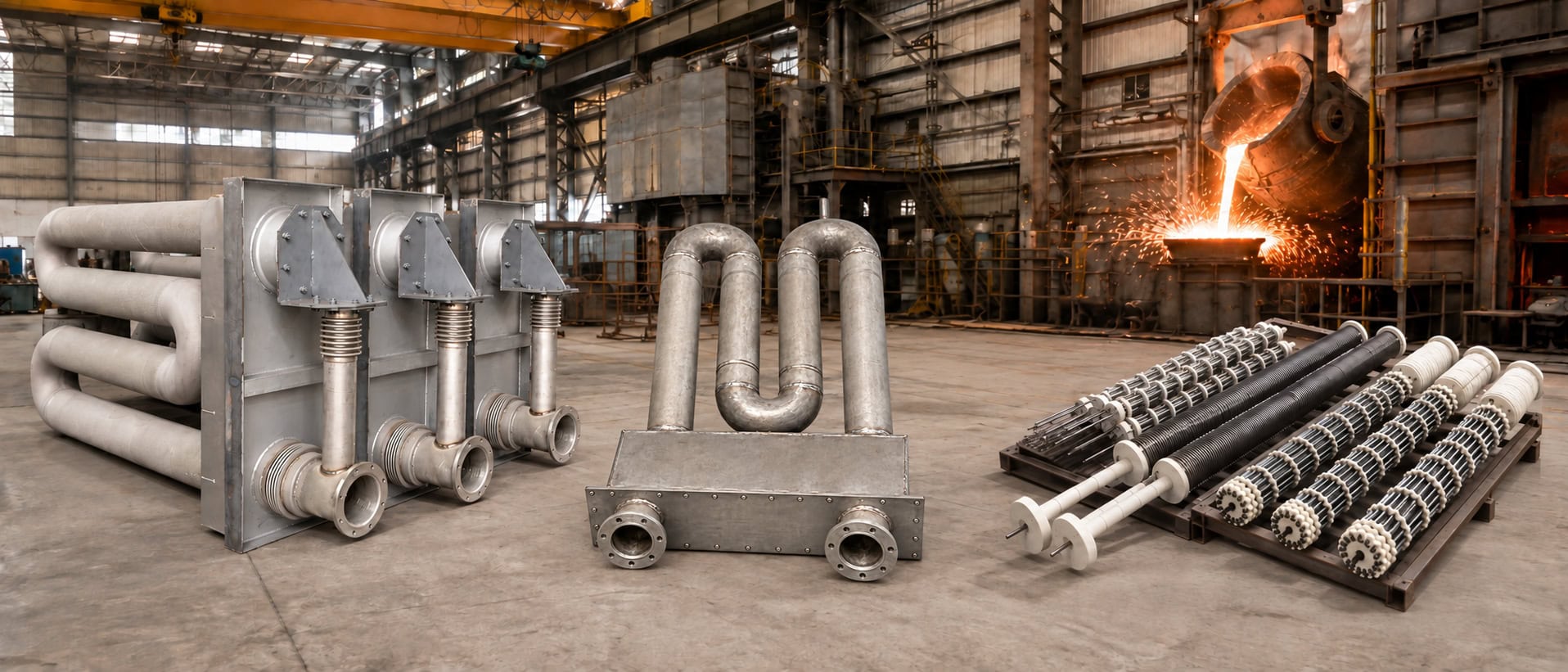
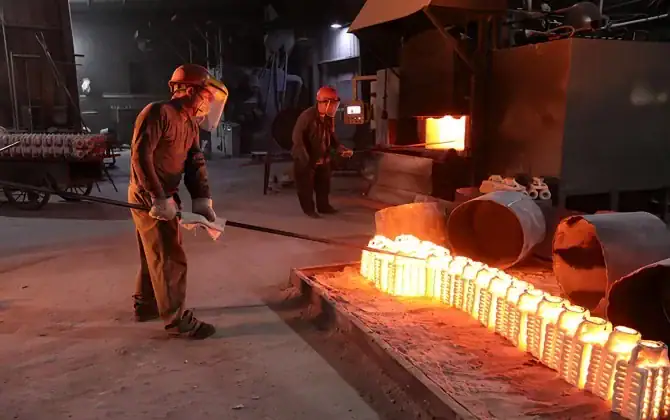
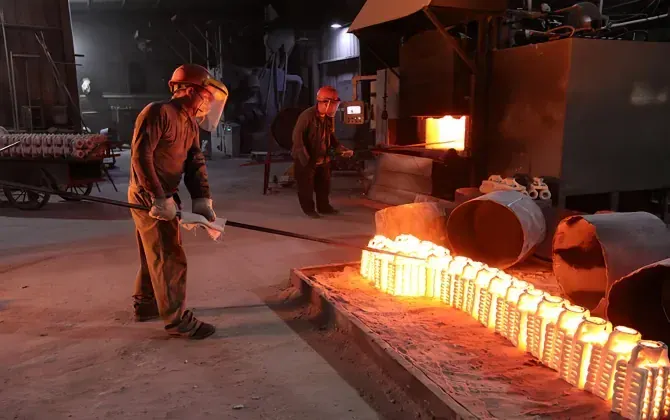
Production context: The component reference should be read together with the manufacturing and inspection context behind the furnace application.

FAQ
What should a buyer confirm for a radiant tube requirement?
Confirm the drawing or used sample, key dimensions and interfaces, furnace type and clearance, load, operating cycle, failure evidence and inspection requirements. Final acceptance criteria should be agreed for the specific project.
Can ECOOSUN review a custom radiant tube requirement?
Yes. ECOOSUN can review a customer drawing or used sample and discuss casting, laboratory and inspection requirements for a custom furnace-component project. Suitability and final scope are confirmed from the supplied information.
Related Radiant Tube Resources
Use these technical guides when specifying, inspecting or replacing radiant tubes for an industrial furnace:
- Radiant Tubes for Annealing and Heat-Treatment Furnaces
- Radiant Tube Failure: Cracking, Sagging and Oxidation
- Radiant Tube Installation and Connection Inspection Guide
- Industrial Furnace Radiant Tubes: Material and Service Life
Related ECOOSUN Products
Information for a Faster Quotation
Provide alloy grade or service conditions, straight/U/W form, tube dimensions, burner and connection details, operating temperature, furnace zone, quantity, drawing or used sample, and inspection requirements.
Request a Custom Quote · Send Your Drawing · WhatsApp ECOOSUN

 +44 7419 144346